How to Set Up a Shipping Container Workshop
A shipping container workshop works when you plan power, air, and layout for your trade before insulating. Sizes, floors, and the honest limits.
 Editorial TeamEditorial Team9 min read
On this page
- 01Quick answer
- 02Start with the box: size, height, and doors
- 03Lay out the floor plan for your trade
- 04Plan the power before you insulate
- 05Fumes, dust, and air movement
- 06Floors and heavy machines
- 07Insulation, heat, and noise
- 08When a container is the wrong workshop
- 09Buy a converted workshop or fit out your own
- 10Permits and placement
- 11Frequently asked questions
A shipping container makes a solid workshop shell. It is steel, it locks, it arrives in one piece, and you don't pour a slab or frame walls to get one. What it doesn't give you is room. The inside is under 8ft wide, and every bench, cabinet, and inch of insulation comes out of that width. Shops that work in a container are planned around that fact. Shops that don't get rebuilt.
This guide covers what to settle before the container arrives and before the insulation goes in, and the jobs a container is wrong for.
Quick answer
Pick a 20ft for hand tools and small machines, or a 40ft for a full woodshop or 2 people working. Choose a high cube, a container about 1ft taller than standard, if you'll work under overhead lights and ducting. Then work in this order: lay out benches and machines, run power and conduit, add ventilation, insulate, and finish the floor. Insulating before the wiring and vents are in is the most common mistake, and the most expensive to undo.
Start with the box: size, height, and doors
20ft or 40ft
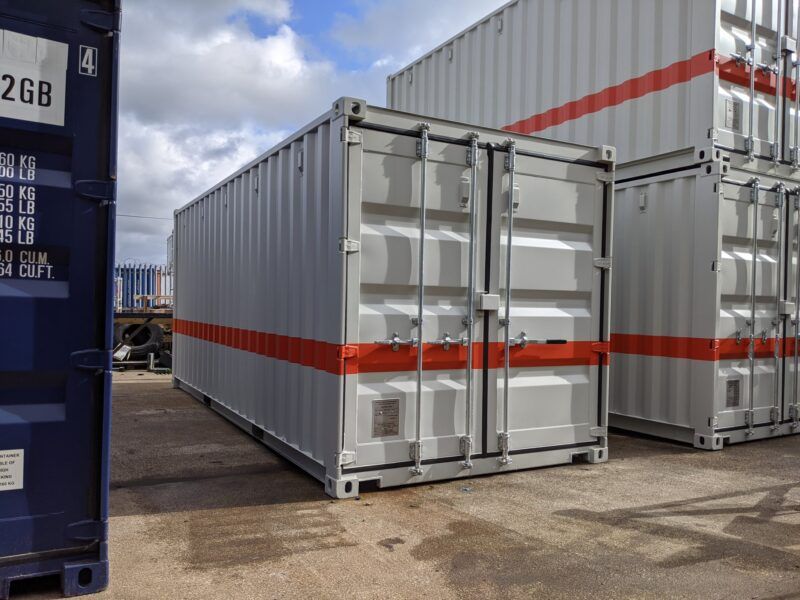
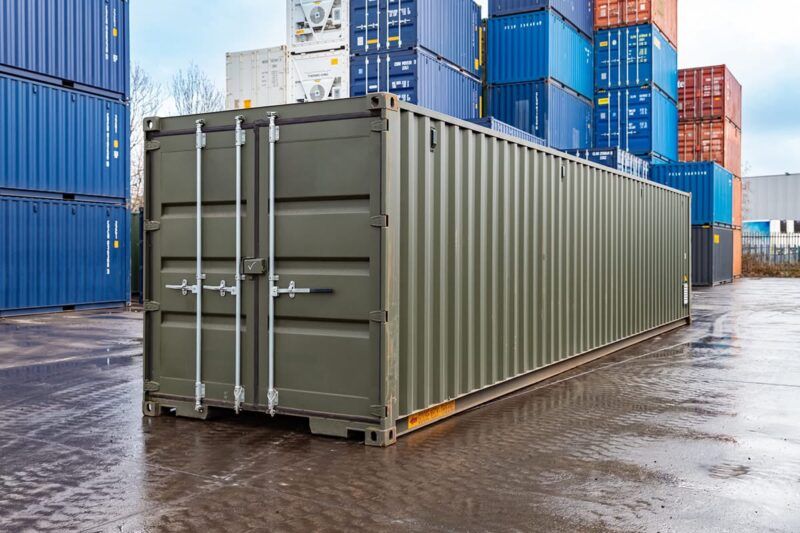
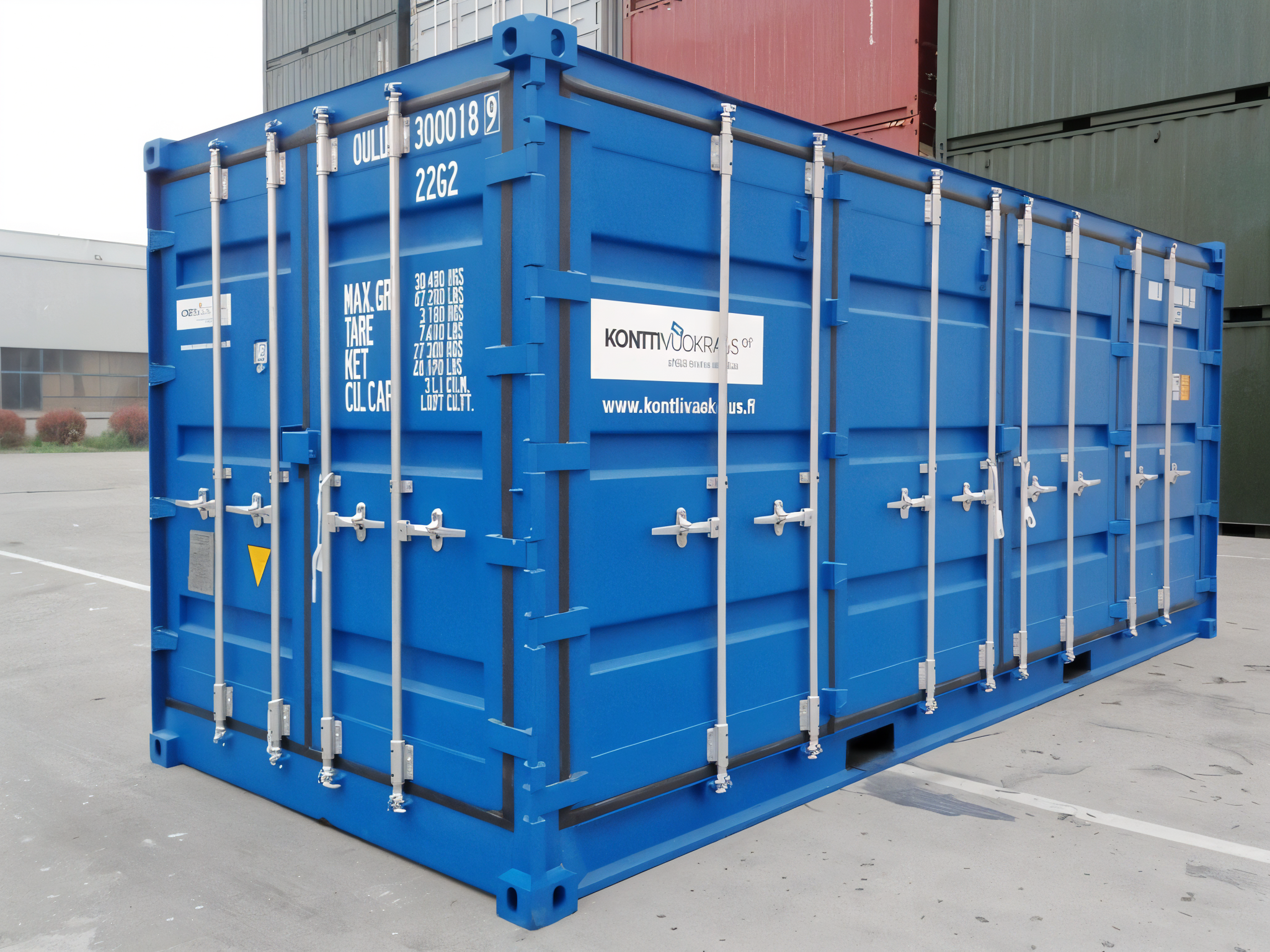
A 20ft container is about 19ft 4in long and 7ft 8in wide inside. That suits a hand-tool bench, a small metal shop, a small-engine bay, or a few benchtop machines. A 40ft is about 39ft 5in long at the same width. Choose it for a stationary saw with infeed and outfeed room, separate clean and dirty zones, or 2 people working at once. Ripping long stock is a length problem, and a 40ft solves it. Assembling a large cabinet is a width problem, and no container solves it.
Standard height or high cube
A standard container is about 7ft 10in tall inside. A high cube is about 8ft 10in. Ceiling insulation and a finished floor each take an inch or 2, and lights, dust ducting, and an air filter hang below the ceiling. In a standard-height box, a tall person working under ducting has very little clearance left. A 20ft one-trip high cube container is the usual starting point for a small shop. A one-trip container has made a single cargo voyage and is close to new. A 40ft one-trip high cube container suits a full woodshop.
Door layout
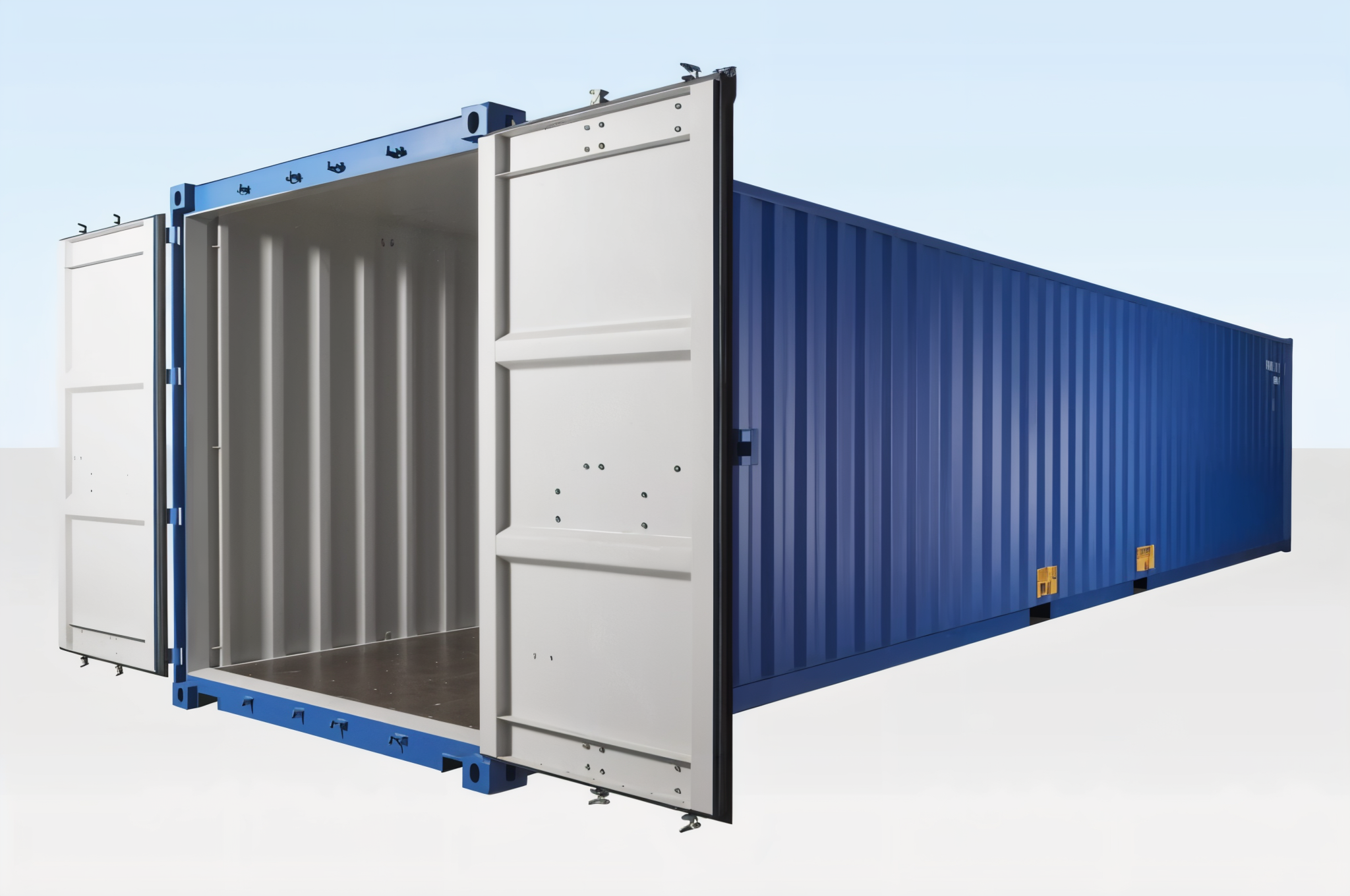
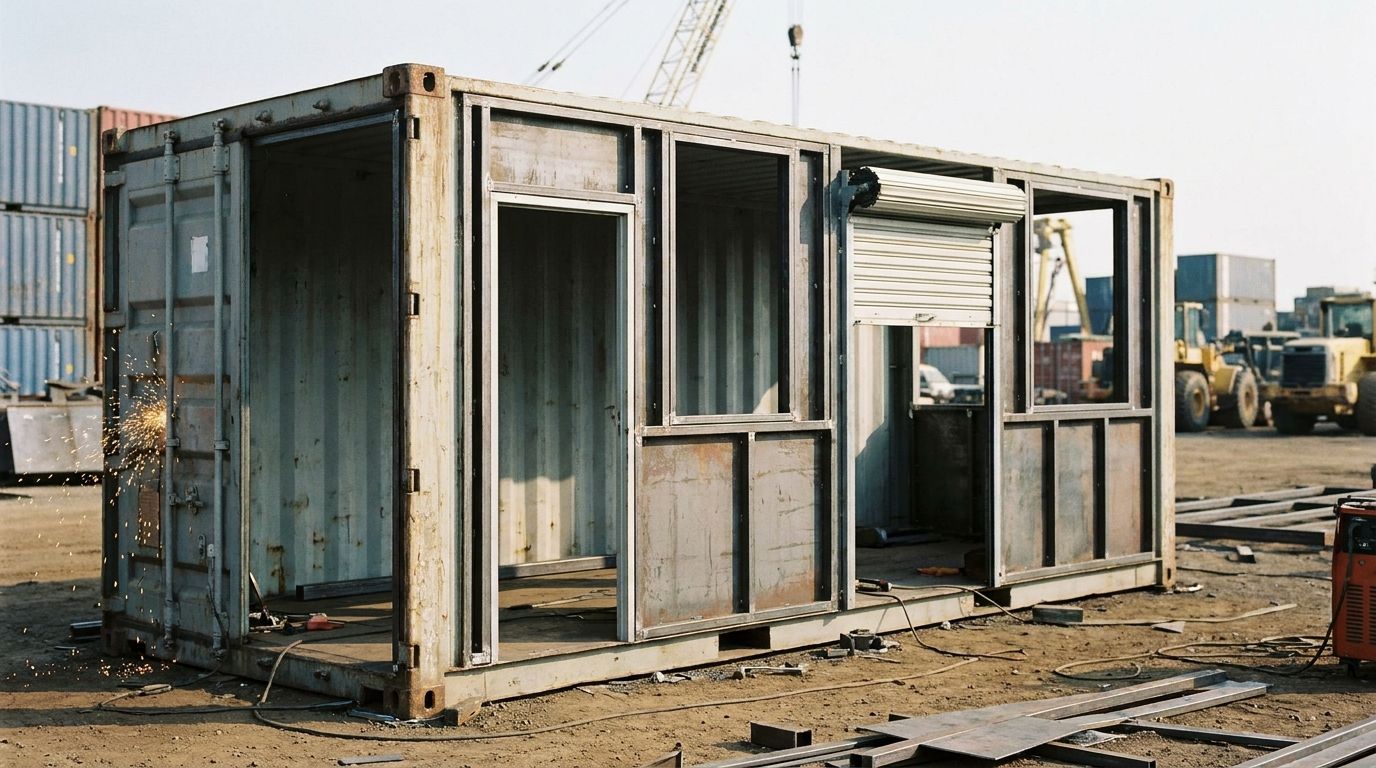
The standard cargo doors open the full end of the box for light, air, and long stock. A double door container has cargo doors at both ends, so air runs the length of the shop and long boards feed straight through. Side doors, roll-up doors, windows, and vents can all be cut in. Our container door types guide compares the options, and our modifications guide covers what each cut involves. Decide on your openings before the layout is fixed, since a window placed over a bench is useful and one placed behind a tool cabinet isn't.
Lay out the floor plan for your trade
Start with the arithmetic. A standard bench is about 24in deep. Run a bench down one long wall of a 7ft 8in interior and you have roughly 5ft 8in of aisle. Benches on both walls leave about 3ft 8in. That's workable for hand work and benchtop tools, but too tight to swing a long board or roll a cart past someone. Insulate both walls with 2in of material and you lose about 4in more.
Woodworking
Put the table saw on the long axis with its blade parallel to the walls, so the infeed and outfeed run toward the doors. In a 20ft box, a full 8ft rip only works with the saw near the middle and the doors open. Keep the dust collector outside the box, or in a small closet at one end with the cyclone vented outdoors, and give the floor space to benches. Store sheet goods vertically against the end wall, not flat.
Metalwork and welding
Keep the welding area at the door end so fumes have a short path out and sparks stay away from stored lumber and finishes. Use a steel bench in that zone, not a wooden one. Keep spray foam insulation and exposed combustible wall finishes out of the weld area. If the rest of the shop is foamed, line the weld bay with non-combustible material. A welding curtain divides the box if you also do clean work at the far end.
Mechanic and small-engine work
A container suits motorcycles, ATVs, mowers, and engine work on a stand. It is less suited to full-size vehicles. A car fits through the doors, but you'll have very little room to work around it. Our car storage guide has the fit math. Most full-rise 2-post lifts need more ceiling than even a high cube has. They also bolt into a concrete slab, and a container's timber floor can't anchor them. Low-rise scissor lifts and wheel dollies are the realistic options inside a container.
Plan the power before you insulate
Hire an electrician, but hand them a plan. The plan comes from you.
- List every tool and where it will sit. The large loads decide the plan: a welder, compressor, dust collector, table saw, or heater. Many run on 240V and want a dedicated circuit each.
- Decide how power reaches the box. Usually that's a subpanel fed by a trench from your house panel, or a separate service. The run and the permit belong to your electrician and building department.
- Mark outlet heights above your benches, not at floor level, where they collect sawdust and get kicked.
- Run the conduit before the insulation and wall finish. Surface-mounted metal conduit is common in containers because it's easy to extend later. The steel shell must also be bonded to ground, which is the electrician's job.
- Plan for light. A container has no windows until you cut them. LED strips down both sides of the ceiling plus task lights over each bench is a common layout, and a white interior bounces light well.
Electrical rules vary by city and county. This is general guidance, not a substitute for a licensed electrician or your local code.
Fumes, dust, and air movement
A container needs ventilation for 2 separate reasons, and one fan won't handle both.
The first is condensation. Warm, moist air meets cold steel and drips. Passive vents and insulation take care of it, and our container ventilation guide covers vent placement.
The second is what your work puts into the air: welding fumes, finish solvents, and fine dust, all of which a sealed steel box holds. Run powered exhaust with the intake low at one end and the exhaust high at the far end, so fresh air crosses the whole shop. Capture fumes and dust at the source: a fume extractor at the welder, a fan at the finishing bench, and a dust collector at each machine. A double door container with both ends open gives the simplest cross-flow, but not in January, so plan a fan-driven setup too.
Spray finishing in an enclosed space has its own fire-code requirements. If you plan to spray lacquer or paint regularly, ask your building department before you build.
Floors and heavy machines
A container floor is usually marine plywood about 1-1/8in thick over steel crossmembers, tested to a forklift axle load of about 12,000 lb. It carries benches and most hobby machines without trouble. The risk is a lathe, mill, or heavy bandsaw putting its whole weight on 4 small pads. Set heavy machines on steel plate or a thick plywood pad to spread the load, and place them over a crossmember where you can. Our container weight guide explains floor and point loads.
Oil and solvents soak into bare plywood, and most original floors were treated with pesticides at the factory. Seal or cover the floor before you work on it every day. Our container flooring guide compares epoxy, rubber matting, and overlay options.
Insulation, heat, and noise
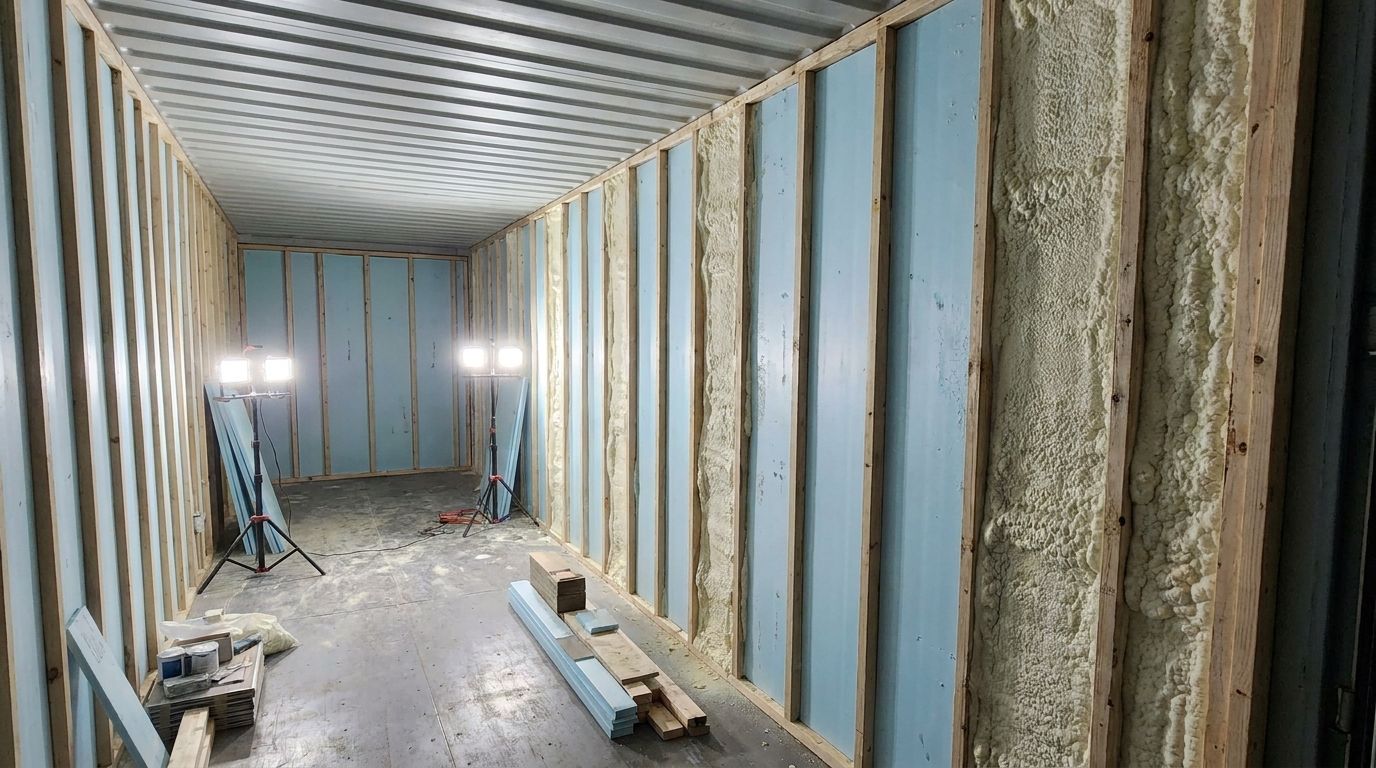
Bare steel bakes in summer sun and goes cold through in winter. Insulation makes a container shop usable most of the year, at the cost of interior width, and the material matters around welding. Our container insulation guide compares spray foam, rigid board, and mineral wool. A ductless mini-split is a common way to heat and cool a small shop, so plan its wall penetration and circuit in step 1.
Steel also rings. A planer or compressor inside a bare container is loud for you and for the neighbors. Insulation and wall finish dampen it, and pointing the open doors away from the property line helps more than you'd think.
When a container is the wrong workshop
A container is a poor fit when:
- Your work is wide. Cabinet and furniture assembly, sheet-goods breakdown on the floor, and anything wider than about 5ft that you need to walk around.
- You need a full-rise vehicle lift or a slab-anchored machine.
- You spray finishes daily and need a code-compliant spray booth.
- More than 2 people work at once in a 20ft box.
For those, look at a bigger building, or set 2 containers apart with a roof spanning the gap: a wide covered bay for assembly, with a tool room on either side.
Buy a converted workshop or fit out your own
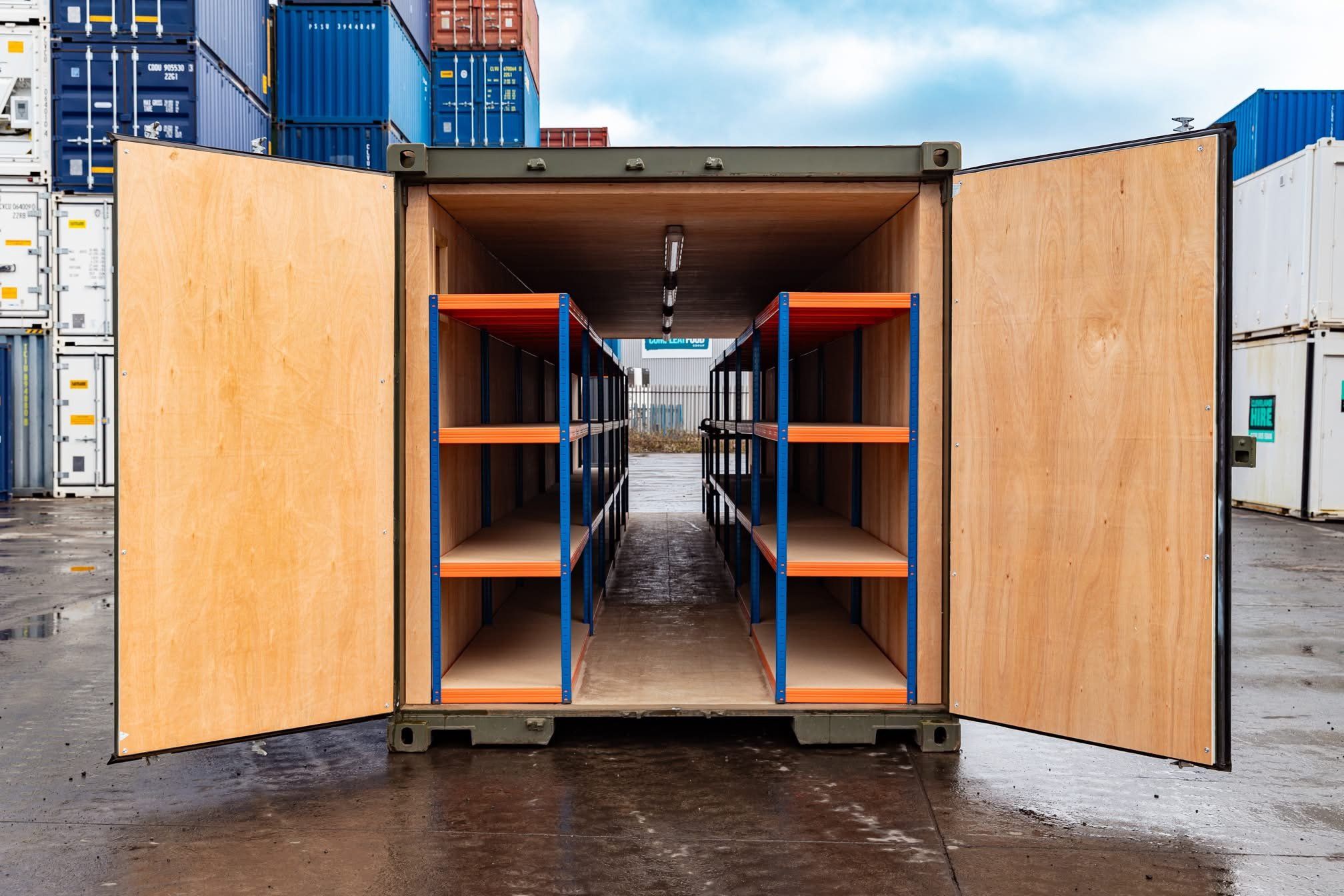
- A converted workshop unit arrives with lighting, an electrical package, insulation, and often benches and shelving. You're working soon after it's placed and connected. The tradeoff is that the build spec sets the layout. It suits you if you want to work, not build.
- A self fit-out starts from a bare one-trip or used box, and the layout is entirely yours. The tradeoff is time: expect weeks of weekends, plus an electrician and permits. It suits you if your trade or layout is unusual.
Either way, units can be modified with windows, doors, vents, insulation, and electrical. Our in-house team handles cuts and fit-out. See our container workshops and garages page for how a converted shop comes together.
If you'd rather start from a finished unit, a 10ft workshop and office container conversion suits a compact bench shop, a 20ft workshop container conversion comes lit, insulated, and wired, and a 40ft tunnel container mobile workshop opens at both ends for drive-through access and airflow. Each is a refurbished container, so check the photos and listing details against your layout before you commit.
Permits and placement
A workshop is usually treated as an accessory structure. Adding electrical service almost always needs a permit, even where the box itself doesn't. Rules vary by city, county, and HOA. Our container permits guide explains how to ask the right questions. This is general guidance, not legal advice.
Set the box on level, well-drained ground so the doors swing true. Decide which way the doors face before delivery day, because once the container is down, turning it is a job for equipment. A tilt-bed (roll-off) truck slides the container off at ground level with no crane or forklift. It needs a straight, obstacle-free run to position and unload, and we check site access and clearance before delivery.
Frequently asked questions
Is a 20ft container big enough for a woodshop?
For hand tools, benchtop machines, and small projects, yes. For a cabinet saw with full sheet-goods capacity, a jointer, and a planer, a 40ft gives you the infeed and outfeed length a 20ft can't.
Can I weld inside a shipping container?
Yes, with fume extraction at the source, a cross-flow exhaust, a steel bench, and no combustible insulation or finishes near the weld area. Plan a dedicated circuit for the welder.
Do I need to ground a shipping container workshop?
Yes. Once a steel container has electrical service, the shell needs to be bonded to ground. A licensed electrician should design and install the system to your local code.
How do I keep a container workshop cool in summer?
Insulate the walls and ceiling, shade the roof if you can, and add a ductless mini-split. Insulation slows heat gain but doesn't remove the heat your machines produce.
Do I need a permit for a container workshop?
Often, especially once you add electrical service. Requirements vary by city, county, and HOA, so check with your local building department before you buy.
Ready to plan your shop? Start with a 40ft double door high cube container for a drive-through shop, or tell us what you'll build and we'll send a free, itemized quote. We reply within 1 business day.