Can You Store a Car in a Shipping Container?
Shipping container car storage works for most cars: a 20ft box leaves about 3ft of nose room. Here is the fit math, loading, and condensation prep.
 Editorial TeamEditorial Team5 min read
On this page
A shipping container is about the closest thing to a bolt-on garage you can buy: a sealed, lockable steel box delivered to your land, with no slab to pour. The question is whether your vehicle actually fits, and that comes down to inches — the door opening, not the box, is the gate.
This guide runs the fit math against real vehicle dimensions, covers how you get a car in and out, and walks through the prep that keeps a stored vehicle healthy. Parking it inside is the easy part; moisture, fuel, and flat-spotted tires do the real damage over a long stint.
Quick answer
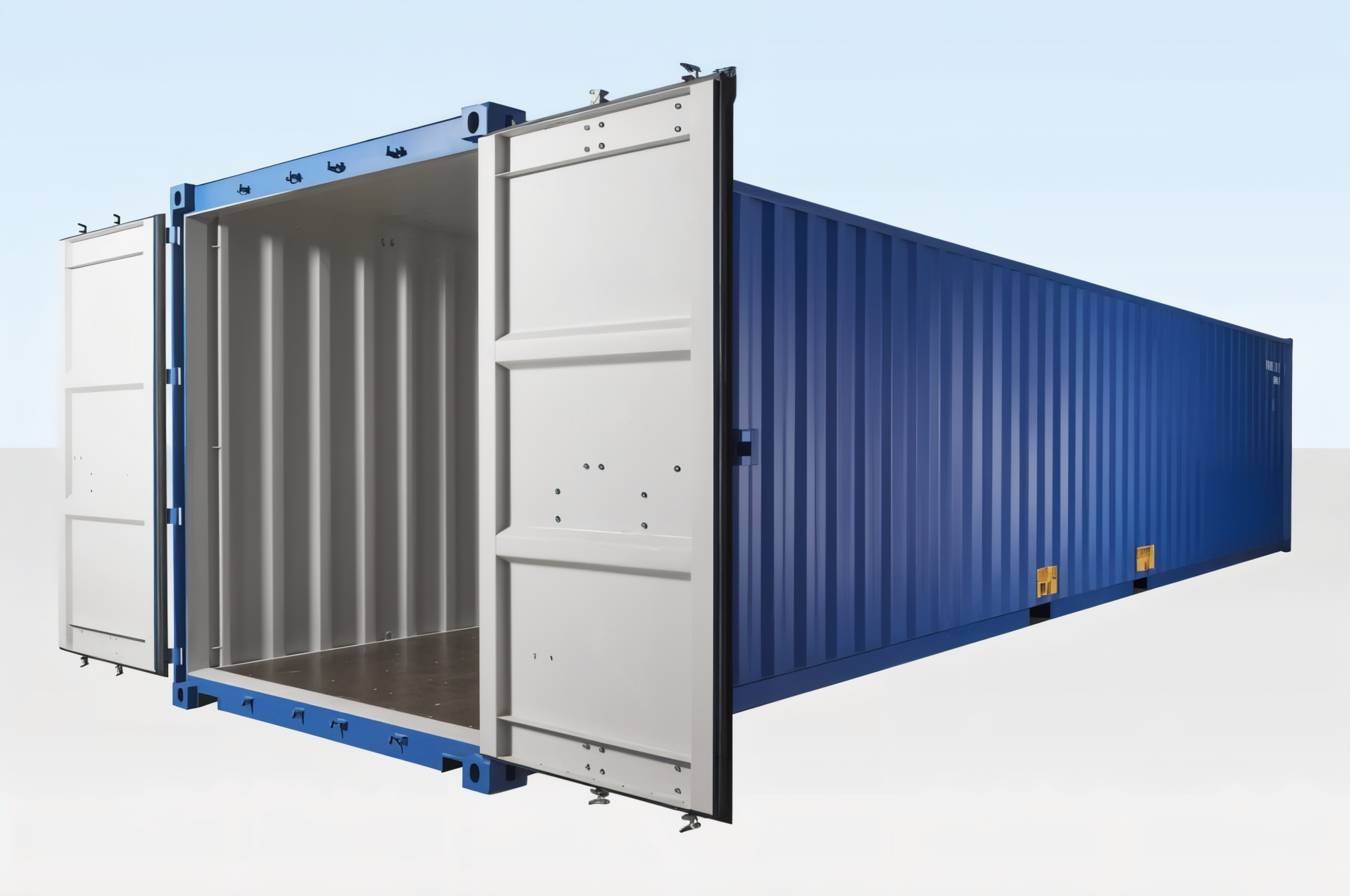
Yes, most cars fit in a 20ft shipping container: about 19ft 4in long by 7ft 8in wide inside, with a door opening of 7ft 8in wide by 7ft 5in tall. A typical sedan or mid-size SUV clears it with mirrors folded and about 3ft of length to spare. Dually pickups and wide-beam boats are wider than the door and do not fit, and lifted trucks or roof racks usually need a high cube, a container about 1ft taller than standard.
Will your car fit? Run the numbers
A mid-size sedan runs 15 to 16ft long and about 6ft wide at the body — closer to 7ft with mirrors out, which is why you fold them. Against a 20ft container's interior of roughly 19ft 4in by 7ft 8in, that leaves 3 to 4ft of nose-to-tail room and 8 to 10in per side at the door: tight, but routine. A compact SUV is similar. A full-size crew-cab pickup runs 19 to 20ft or more; even when it technically fits, there is no room left to open a door, so it belongs in a 40ft.
Some vehicles do not go in at all: a dually pickup measures about 8ft across the rear fenders, and wide-beam boats have the same problem. Measure your vehicle at its widest point, mirrors folded, before you buy.
Height is the second gate
The standard door is 7ft 5in tall. Stock cars clear it easily; a lifted truck, a tall van, or a roof box may not. A high cube raises the door to roughly 8ft 5in and the ceiling to about 8ft 10in.
Getting the car in and out
Delivery solves most of the loading problem. A tilt-bed (roll-off) truck slides the container off at ground level with no crane or forklift, so the floor sits just a few inches above grade, and a pair of short loading ramps bridges the lip.
Line up straight, fold the mirrors, and use a spotter; with under a foot per side, small corrections matter. Plan the exit before you drive in — the car door only opens part way inside, so you slip out through the gap, and some owners back in so the car drives straight out months later. Motorcycles and ATVs just roll up a ramp.
Condensation is the enemy
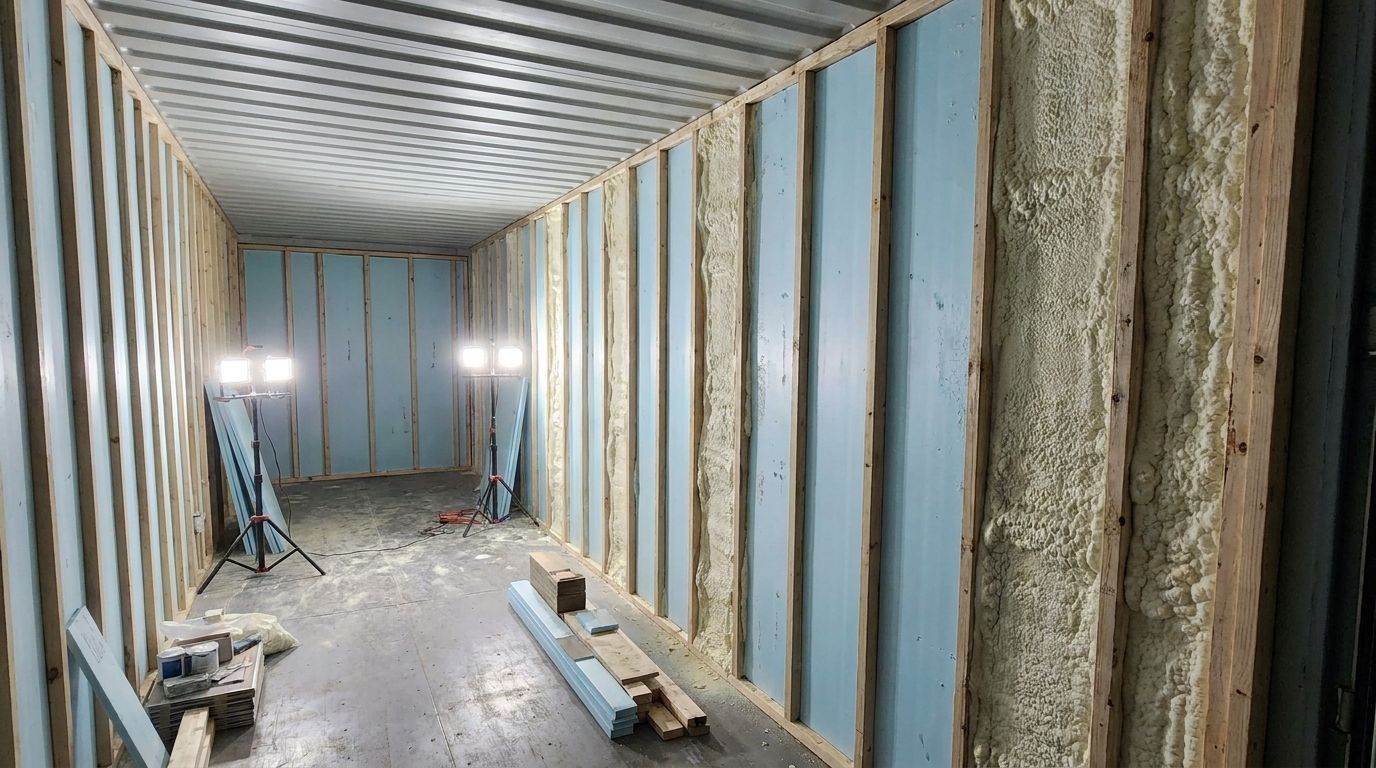
Steel sweats. When warm, humid air meets a cold container roof, water condenses and drips (owners call it container rain), settling on paint, chrome, and wiring over a winter. A sealed, unvented box in a humid climate stays damp for months.
Three habits control it. Ventilation first: fitted vents keep air moving so moisture cannot pool, and our guide to shipping container ventilation covers vent types and placement. Second, desiccant — moisture-absorbing packs in both the container and the car. Third, bring the vehicle in dry, with dry carpets, under a breathable cover; a plastic tarp traps moisture against the paint.
Prep checklist before the doors close
The container protects the outside. The car needs its own prep:
- Fuel: fill the tank and add stabilizer, then run the engine briefly so treated fuel reaches the lines. A full tank leaves less air for condensation to form in.
- Battery: put it on a tender if the unit has power, or disconnect it and store it somewhere warmer. Vents, lighting, and an outlet for a tender can all be added to a container as modifications.
- Tires: inflate to the top of the recommended range, and roll the car a foot when you visit — tires that sit for months develop flat spots.
- Oil: change it before storage, not after, since used oil holds acids you do not want sitting in the engine.
- Rodents: a container seals far tighter than a barn or shed, but leave nothing edible in the car and set deterrent anyway.
10ft, 20ft, or 40ft: matching the box to the vehicle
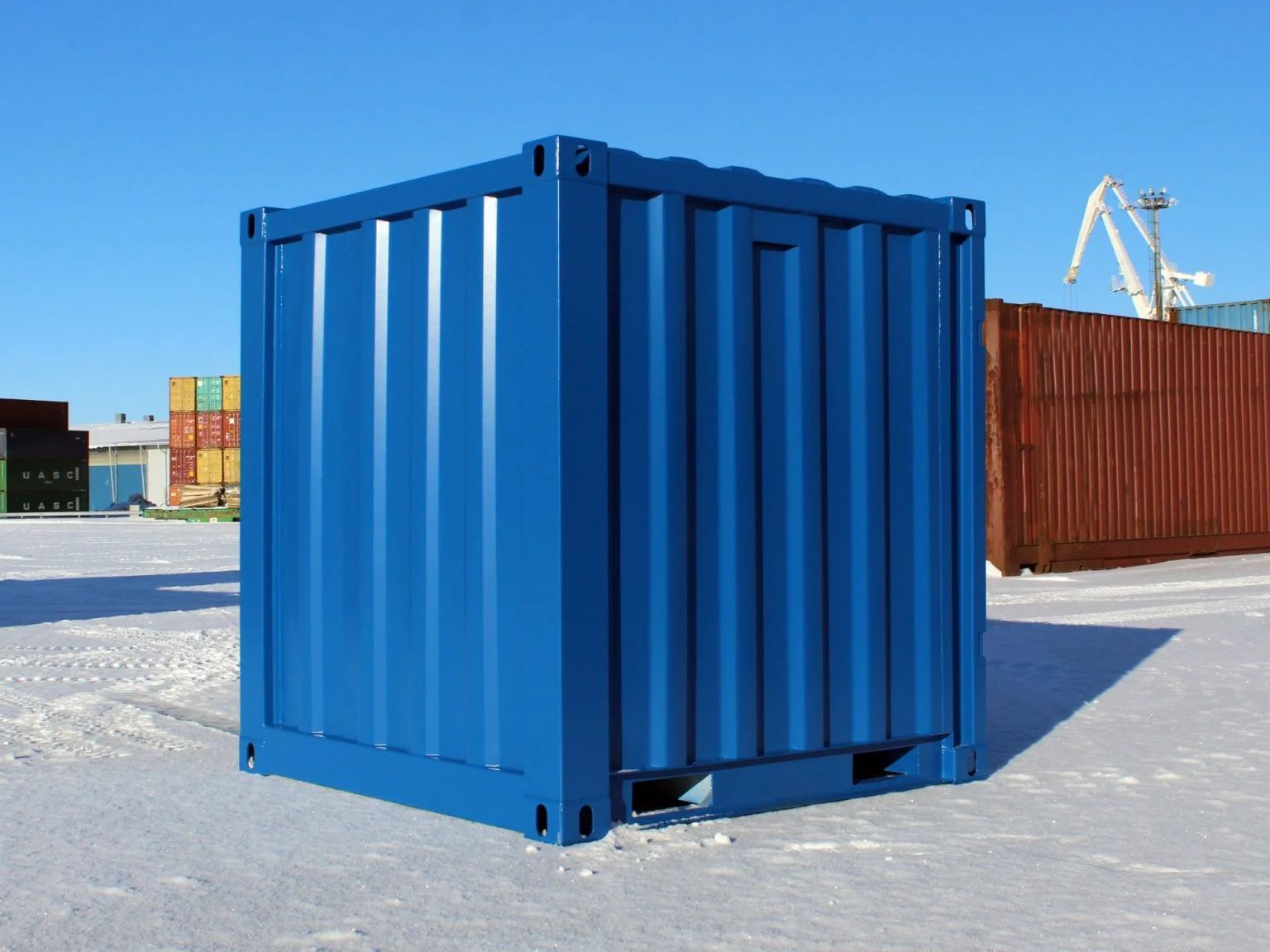
A 10ft used container graded wind and watertight (WWT, meaning it keeps rain and weather out but shows cosmetic wear) is the right size for motorcycles, ATVs, and powersports gear, with room left for a workbench.
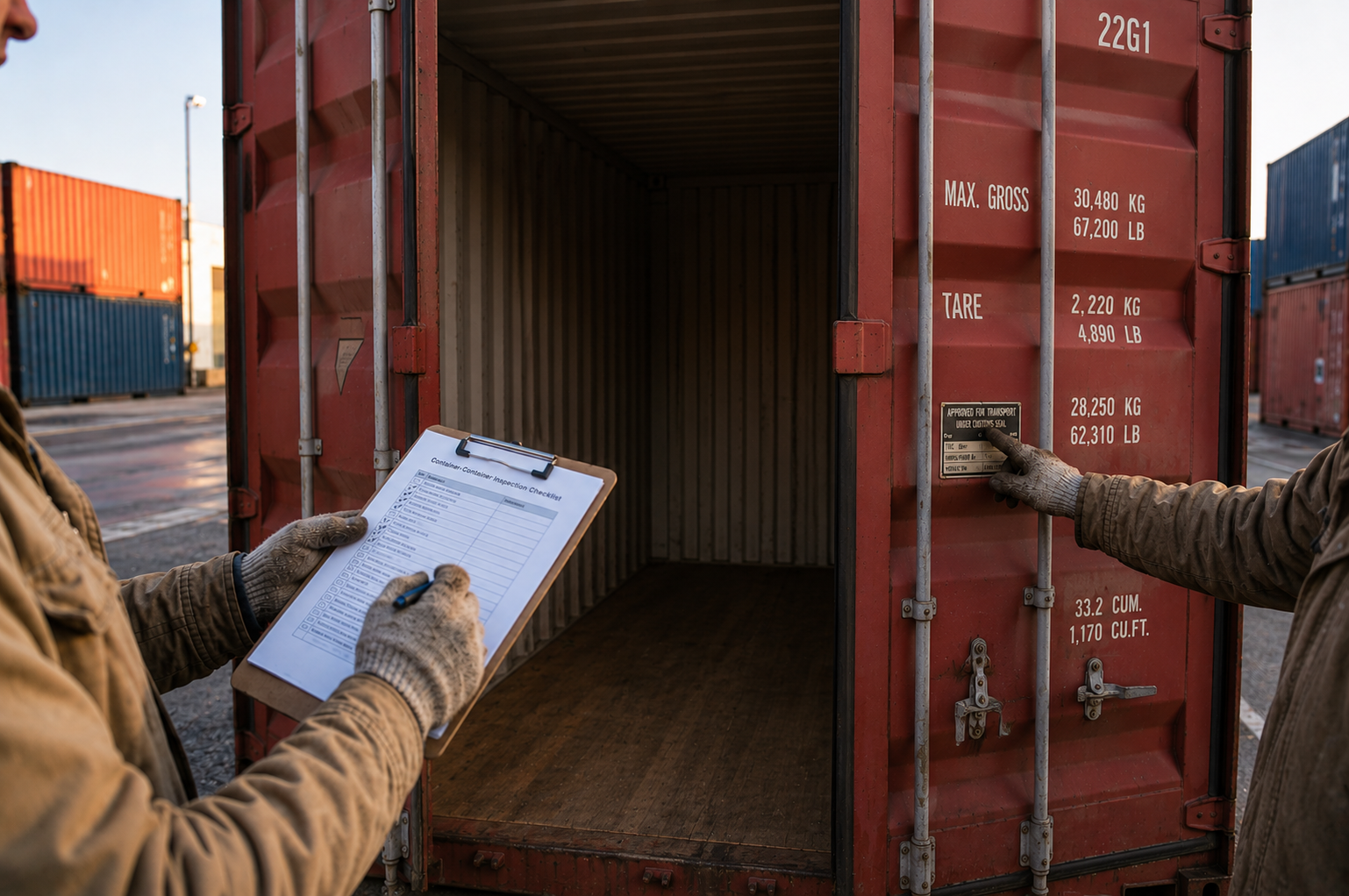
For a single car, a 20ft one-trip container is the default. One-trip means the unit made one cargo run from the factory before sale, the closest condition to new: doors swing freely and seals are fresh, which matters when you are steering through the opening with inches to spare.
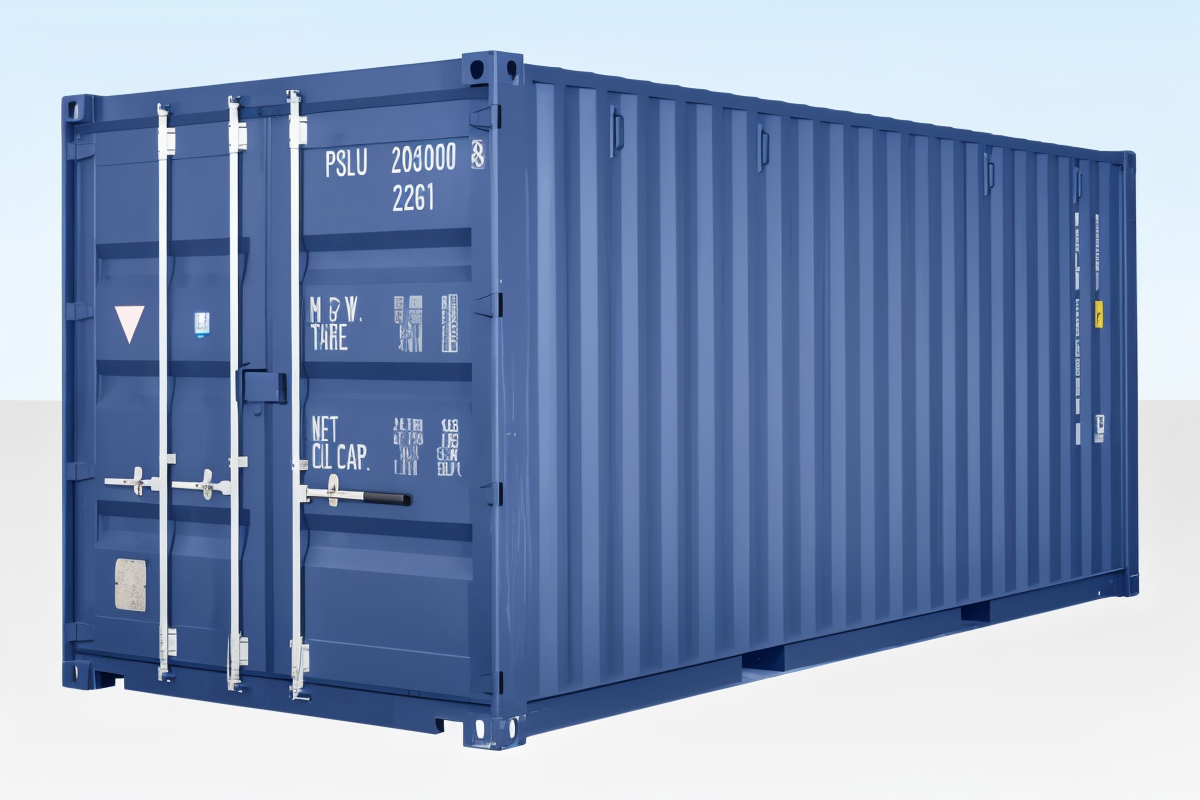
A 40ft high cube container holds two cars nose-to-tail, or one car plus a workshop in the remaining half, and it is the height answer for lifted trucks. If you are weighing boats and powersports alongside cars, our page on containers for vehicle and boat storage covers the trailer-length math and the door-width limit for hulls.
Security, insurance, and site rules
A stored vehicle is a concentrated target, so treat the doors seriously: a lockbox (a welded steel shroud around the padlock) with a hidden-shackle puck lock inside defeats bolt cutters, and our guide on how to secure a shipping container covers the full layering.
Two paperwork notes. Tell your insurer where the vehicle is stored; many carriers offer comprehensive-only coverage for a car off the road, but only if they know. And check city and HOA rules, since some limit how long a container can sit or where it goes — rules vary, and this is general guidance, not legal advice.
Frequently asked questions
Can you store a car in a shipping container long term?
Yes — containers suit multi-year storage because the shell is weatherproof and lockable. The work is in the prep: vents and desiccant against condensation, stabilized fuel, a tended battery, and a check on the vehicle every month or two.
Will a full-size truck fit in a shipping container?
A standard-cab pickup usually fits a 20ft container. Crew-cab and long-bed trucks run 19 to 20ft or more and need a 40ft. Dually trucks do not fit at all; the rear fenders are wider than the 7ft 8in door.
Do I need a high cube container for my car?
Only if the vehicle stands taller than about 7ft, the practical limit under a 7ft 5in door. Stock cars and most SUVs clear it; lifted trucks and roof racks usually call for a high cube's roughly 8ft 5in opening.
Get a free quote
Tell us what you are storing (the vehicle, its widest and tallest measurements, and your site) and we will match the size and condition to it. Every unit is inspected and graded before delivery, we check site access and clearance before the truck rolls, and the quote is free and itemized with no hidden fees — what we quote is what you pay. We reply within 1 business day.