

What to Look for When Buying a Used Shipping Container
A practical inspection checklist for buying a used shipping container — rust, dents, doors, floors, and wind-and-watertight integrity.
 Editorial TeamEditorial Team4 min read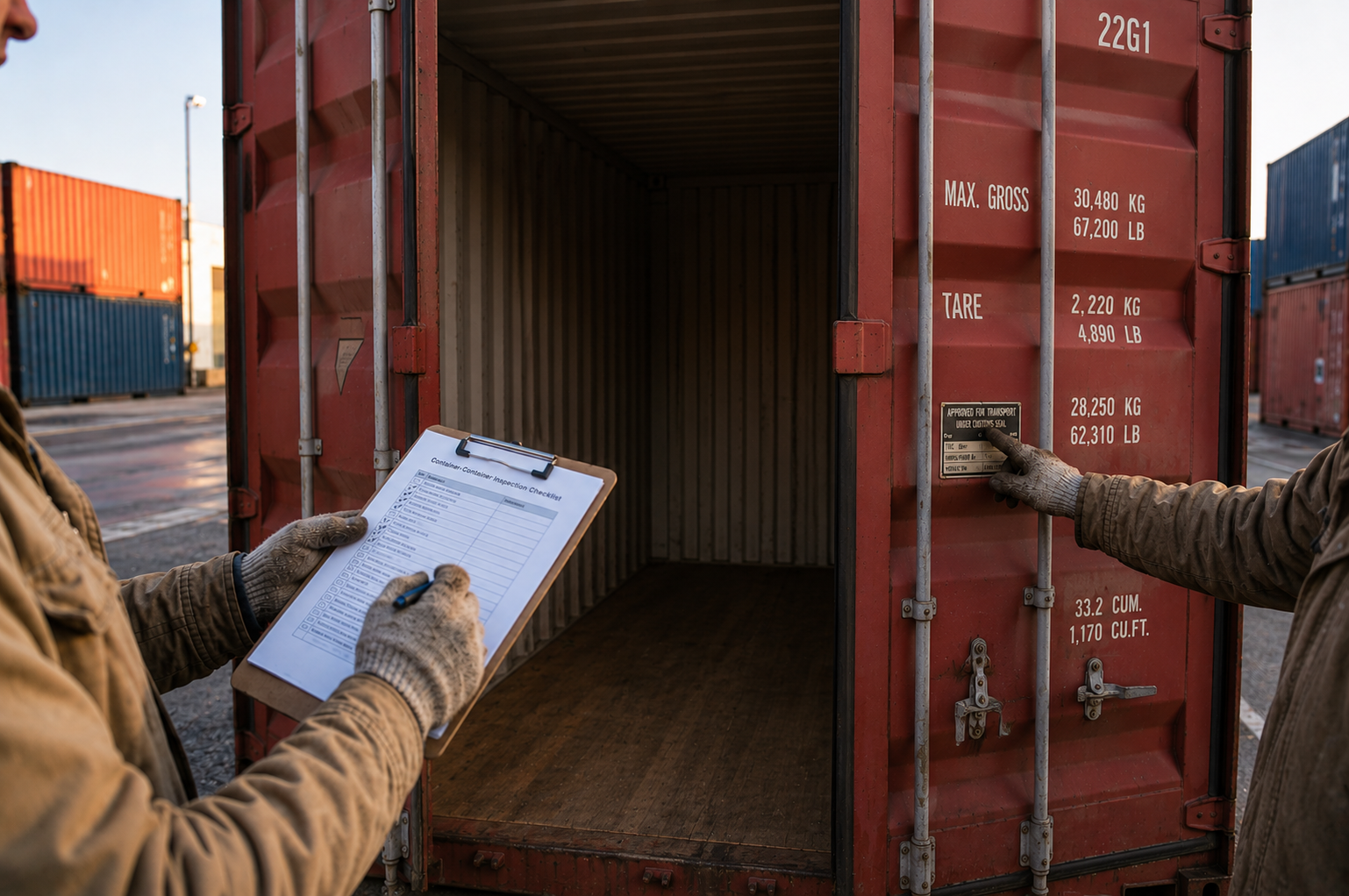
On this page
A used shipping container is one of the best value-per-pound buys in steel — if you know what to inspect. The grade tells you part of the story; your own eyes tell you the rest. Use this checklist before you commit, and you'll end up with a unit that's wind and watertight and ready for years of work.
Know the grades before you look
Used containers sell under three grade names. Cargo-worthy (CW) means inspected fit to carry cargo — structurally sound doors, floor, and seals. Wind and watertight (WWT) means the unit keeps rain and weather out: sound for storage, but not certified for ocean transport. As-is means sold without repairs or guarantee, priced accordingly. The grade covers structure and seal, never the paintwork — every used container shows cosmetic wear, and that's normal. Grade names travel, too: a CW unit in Houston means the same thing in Chicago, so anchor your expectations to the grade first, then inspect to confirm it.
Structure: rust, dents, and the frame
Surface rust is cosmetic and almost universal; flaking, bubbling, or perforating rust is structural and a different conversation. Check where water sits and gravity works: the roof, the door headers, the corner castings, and the bottom rails. Press a key into suspect patches — solid steel shrugs it off. Dents matter when they're in the wrong place: a dished roof panel is cosmetic, but a bent corner post or a door frame knocked out of square affects stacking and sealing.
Doors, seals, and floor
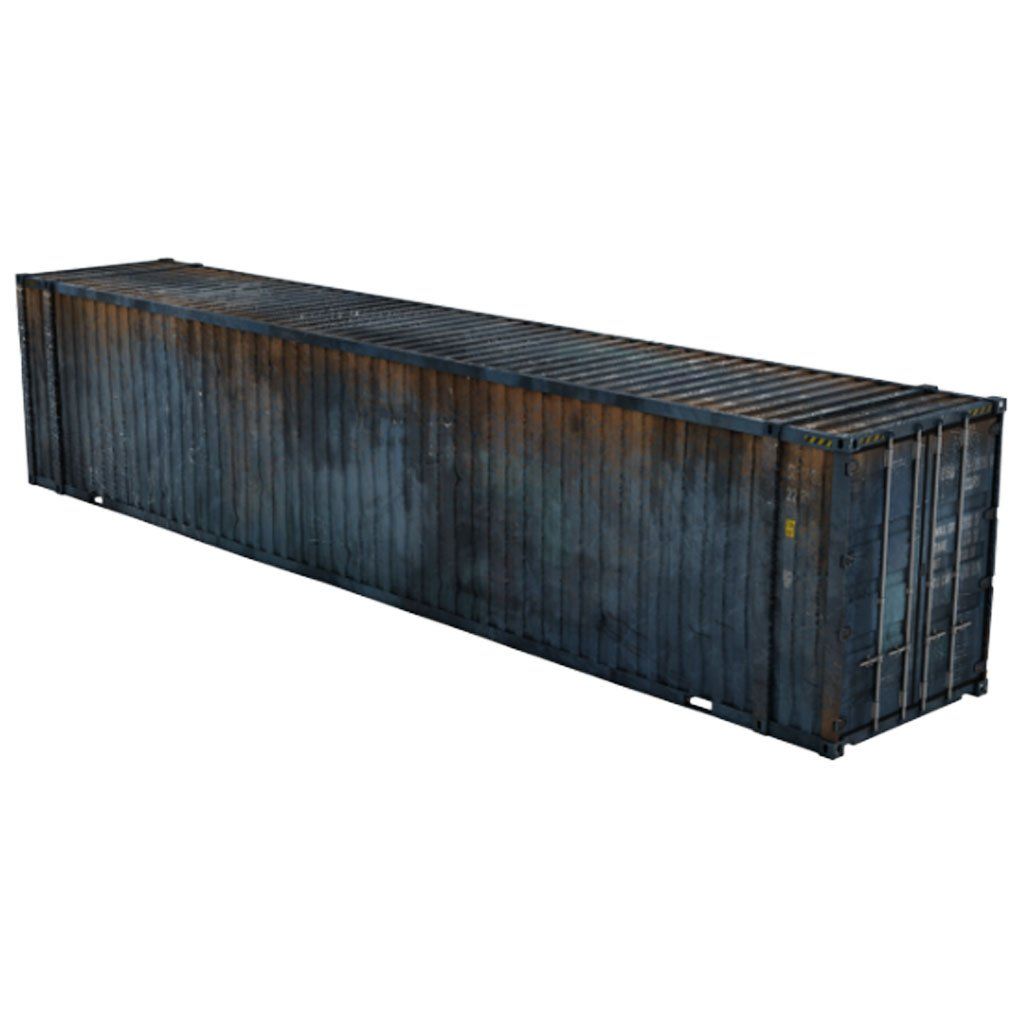
Open and close both doors all the way. They should swing freely, the locking bars should turn without a fight, and the rubber gaskets — the door seals that keep the unit watertight — should be supple and unbroken, not cracked or flattened. Our inspected 40ft high cube container is a good benchmark for what solid used condition looks like.
Floors deserve their own minute. Marine-grade hardwood — the standard container floor material — is tough, but it's also what absorbs spills and hides rot. Probe for soft spots near the doors where rain gets in, look under visible patches, and check the cross-members from underneath if the unit is on blocks. A solid floor saves you the single most expensive repair on a used box.
The light test and the smell test
Step inside and have someone close the doors. Any pinholes of daylight in the walls or roof mean leaks — a wind-and-watertight unit shows none. While you're in there, breathe: a sound container smells like steel and faint timber, not chemicals or mildew. The floor absorbs what was spilled on it, so a strong odor is a record of the cargo history — and a reason to ask for a different unit.
Paperwork: the CSC plate
Every container built for transport carries a CSC plate — the container's safety-certification plate — usually on the left door. It records the build date and the unit's ID code. You're buying storage, not certification, but the plate confirms the container is what the seller says it is, and the build date tells you how many service years the steel has behind it.
Where to inspect — and when to ask for photos
If the yard is local, walk it — the best units never make it to photos. If it isn't, ask for date-stamped photos of the 4 corners, the roof, the floor, and both door gaskets; any seller who handles containers daily can produce them quickly. For a 4-figure purchase, an hour of inspection or a photo set is cheap insurance.
What's negotiable — and what's a walk-away
Negotiable: faded paint, surface rust, dings, a previous owner's logo. These cost nothing structurally and should be priced in, not painted over. Walk away from: soft or rotten floor sections, perforated panels, doors that won't seal, and a frame that's visibly out of square — each one is a repair bill that erases the discount. A fair seller prices honest wear honestly; the discount for cosmetics is real money, and it's yours to keep if the structure checks out.
After the purchase: keeping it tight
A good used container stays good with very little effort. Keep the door gaskets clean and close the doors fully when the unit sits unused — gaskets fail from sitting open, not from use. Wire-brush and seal any rust patch that starts to bubble, and clear leaves off the roof so water drains instead of pooling. Park the unit on level, compacted ground; a square box seals, and a twisted one doesn't. Once a year, repeat the light test from inside — it's the same 10-minute inspection you ran before buying, and it catches problems while they're still paint-can sized.
Buying remotely? That's the norm in this market — which is why the grade has to be in writing. We state the condition grade on every listing, and when you request a free quote we'll send photos of the exact container before you commit.