

On-site storage for overflow inventory, equipment, and seasonal stock
Lockable, weatherproof steel containers placed at your address — inspected and graded before delivery.
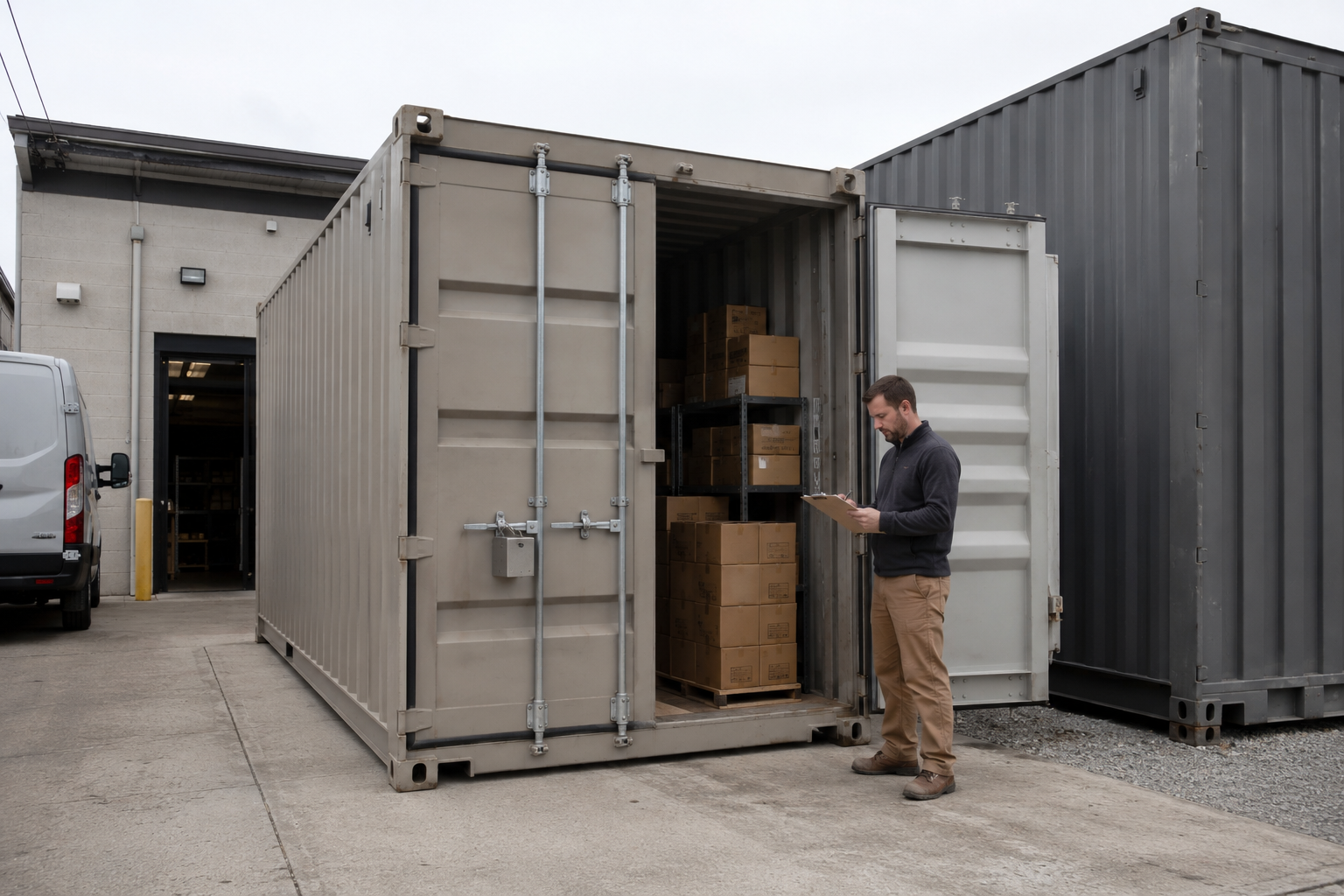
Built for the job
Space at your address
The container sits where your inventory already is, so stock and tools stay on the job. The tradeoff: you need a firm, level spot the truck can reach.
One fixed cost
You buy the unit once instead of paying a recurring storage bill. The tradeoff: it is capital up front, not a monthly line item.
Lockable steel
Steel doors and a weld-on lockbox shield a padlock from bolt cutters. The tradeoff: a padlock and the lockbox are usually a separate add-on.
Weather protection
Used units are graded wind and watertight, so rain and weather stay out. The tradeoff: a sealed box can trap humidity without vents or a desiccant.
Scales with the season
Add a 20ft for peak stock, keep it or resell when demand drops. The tradeoff: you handle the resale if you no longer need it.
Cold inventory option
A refrigerated container holds chilled or frozen stock on site. The tradeoff: a reefer needs 3-phase power and runs warmer in cost and noise.
Most businesses outgrow their storage before they outgrow their lease. Inventory backs up in the aisles, seasonal stock arrives before there is a place to put it, tools and equipment get left out because the shop is full, and cold product has nowhere to go but a crowded walk-in. Renting more square footage off-site solves it on paper, then adds a drive, a second set of keys, and a bill that arrives every month whether the space is full or empty. An on-site shipping container puts the storage where the work already happens — at your own address, behind your own lock.
The problem on-site storage solves
The pinch shows up in four predictable places. Overflow inventory crowds the floor your team needs to move. Seasonal stock — holiday goods, summer equipment, tax-season files — needs a home for part of the year and nothing the rest. Tools, fixtures, and equipment sit exposed because indoor space is spoken for. And cold inventory — restaurant supply, produce, catering overflow — competes for a walk-in that was never sized for the busy weeks.
How a container compares to renting warehouse space
Off-site warehouse or self-storage space is rented: you pay for it every month, you drive to it, and you share access hours with a landlord. A container is bought once and parked on your lot, so the space is yours and the stock stays steps from where it is used. We are not quoting a savings figure here — the right call depends on your address, how long you need the space, and whether you would resell the unit later — but the structure of the cost is different: capital you own versus rent you keep paying. If you want help weighing that for your operation, our storage solutions consulting can size the unit and the layout to your inventory before you buy.
Security and condition you can verify
A shipping container is 14-gauge corten steel with cargo doors that swing on heavy hinges — the structure is the security. Add a weld-on lockbox, a steel housing that shrouds the padlock shackle so bolt cutters cannot reach it, and the unit is harder to breach than most stick-built sheds. On condition, know the two grades that matter. Cargo-worthy (CW) means a used unit inspected fit to carry cargo — sound doors, floor, and seals. Wind and watertight (WWT) means it keeps rain and weather out, which is the bar for dry storage. Every container we sell is inspected and graded before delivery, so you know the grade before it arrives rather than after. For sealed storage, plan for a vent or a desiccant — a watertight box can hold humidity.
Recommended containers for business storage
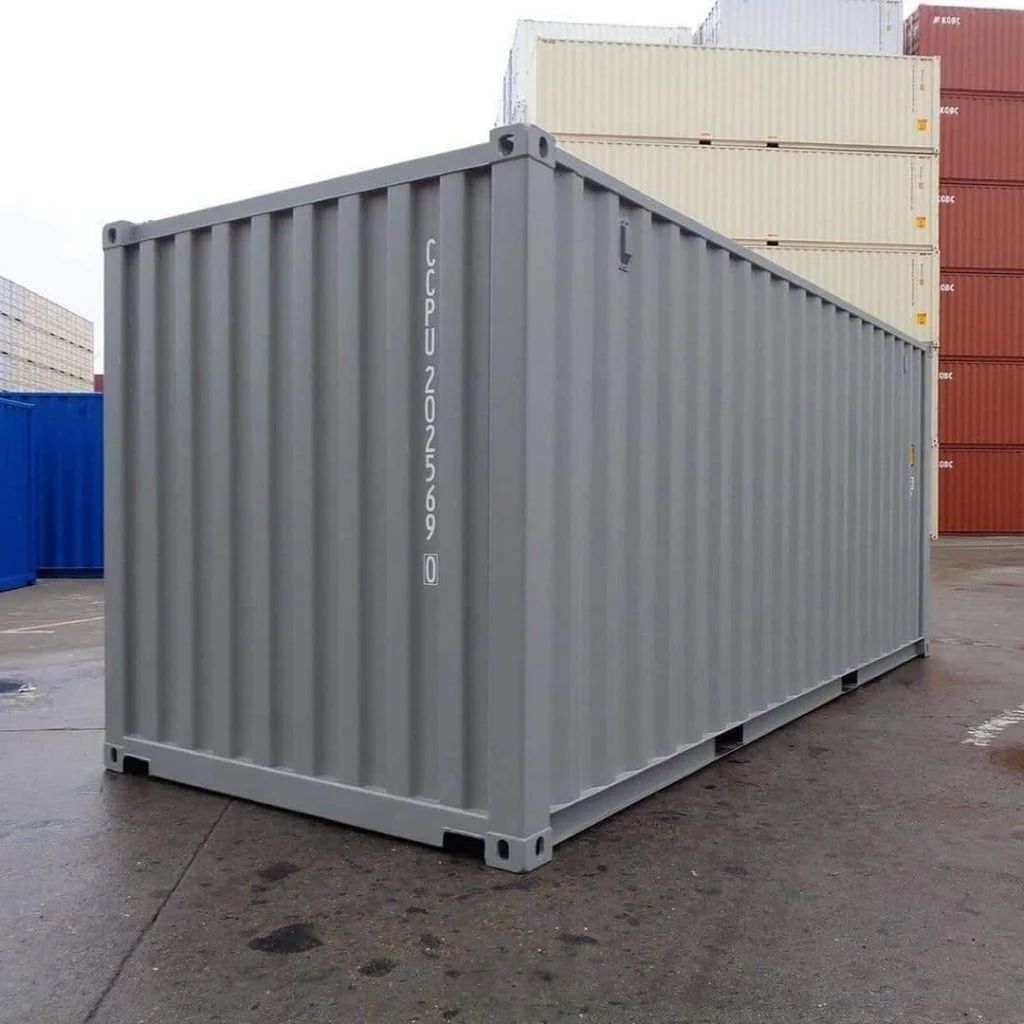
- A 20ft standard dry container — the general-purpose steel box for dry goods — in one-trip condition (shipped once from the factory overseas, then sold, the closest thing to new) is the clean default for overflow stock and equipment. It is typically delivered in 5–7 business days.
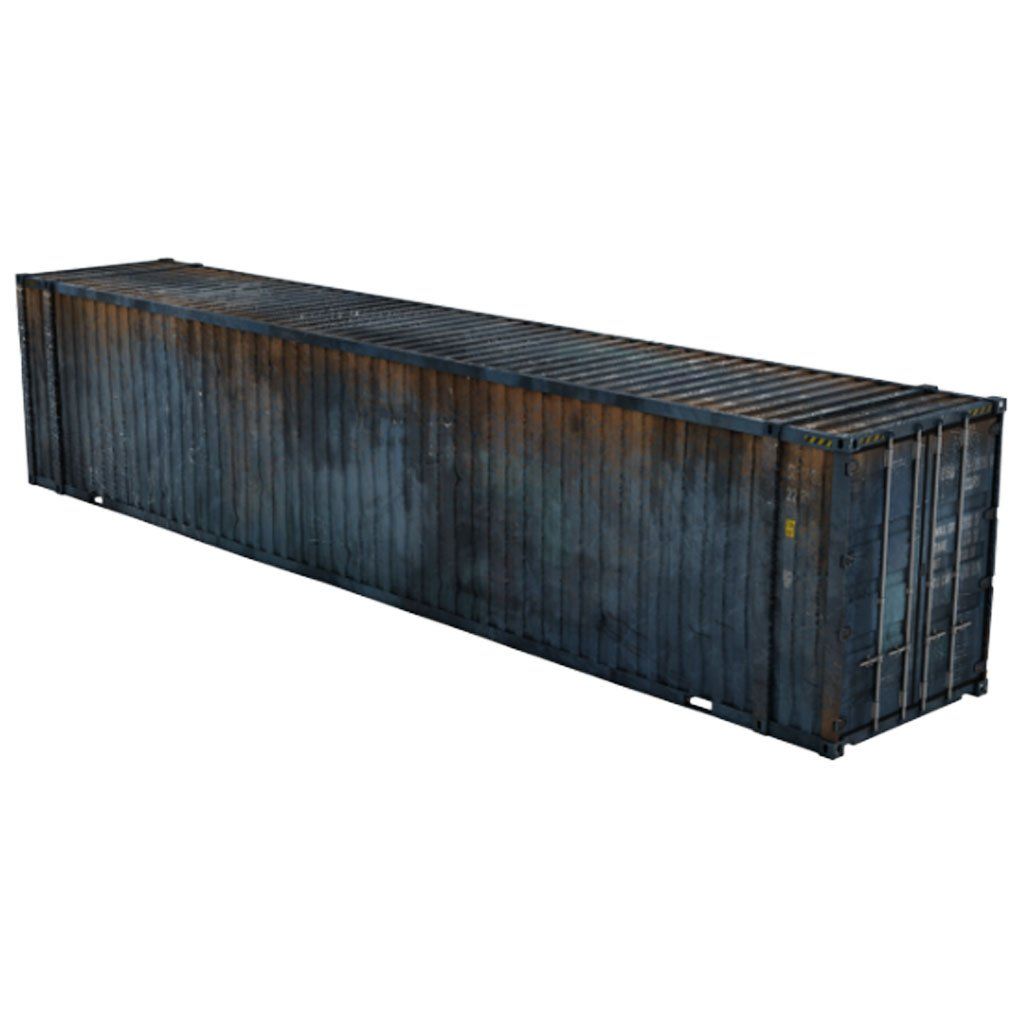
- A 40ft high cube container — "high cube" meaning a foot taller than standard, 9ft 6in of exterior height for more vertical room — gives the most cubic capacity per dollar for bulk and seasonal stock. Ours is a used unit, graded cargo-worthy.
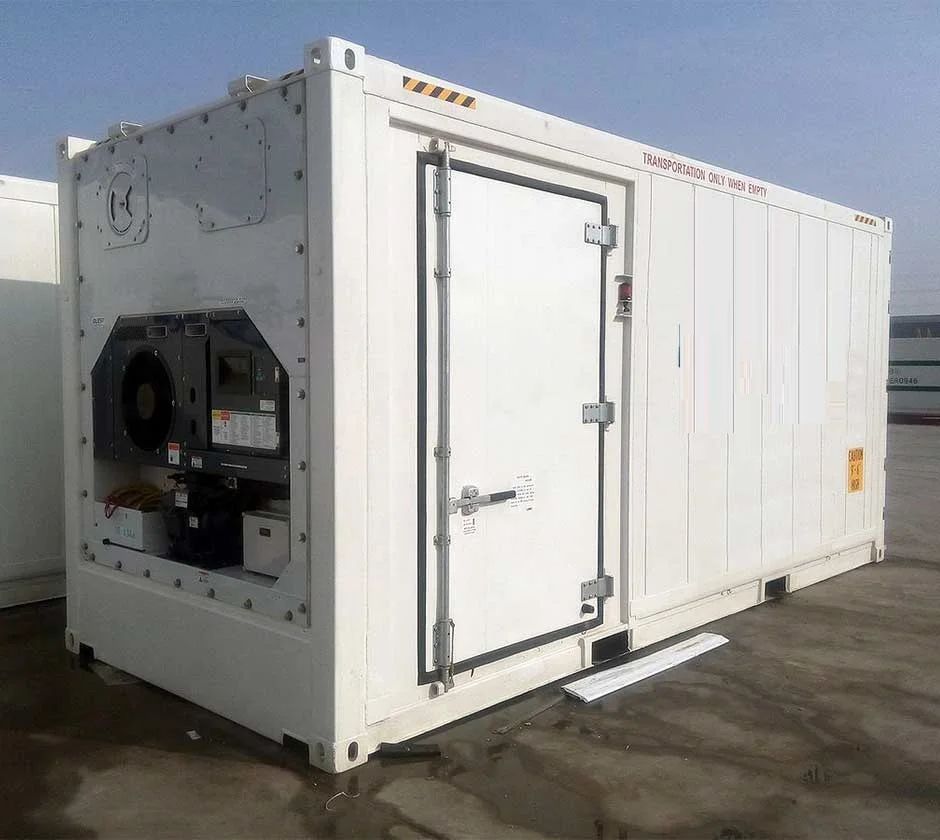
- A 20ft refrigerated container — a reefer, the short name for a refrigerated unit with an insulated shell and an integrated cooling unit — holds chilled or frozen inventory on site. A reefer needs 3-phase power and runs on its own window, typically 7–10 business days.
We deliver by tilt-bed truck, the trailer that tilts to slide the container down to ground level, so no crane or forklift is needed when there is room to back in and a clear, level spot to set down. Pricing is straightforward: no hidden fees — what we quote is what you pay.
FAQ
How much level space does a container need?
Plan for a firm, well-drained pad and a clear, mostly level approach the tilt-bed truck can back into. Tell us your site and we will confirm the access your specific unit requires before the truck rolls.
Can I store cold or frozen inventory in a container?
Yes — a refrigerated container (reefer) holds chilled or frozen stock on site, provided you have 3-phase power for the cooling unit.
Buy or rent for business storage?
Buying is one fixed cost and the unit is yours; renting off-site is a recurring bill plus a drive. Which wins depends on how long you need the space and whether you would resell later.
Containers suited for business
Related services
- 01Storage Solutions ConsultingRight-size your on-site storage
Put containers to work in business
Tell us about your project and we will send a free, no-obligation quote.