

Vehicle and boat storage on your own ground
A lockable steel container for cars, trailered boats, and powersports — on your site, not a yard across town.
Built for the job
Walk-out access on your own land
Store at your site and skip the yard's gate hours and monthly fee. You take on siting: the unit needs a level spot and a clear, straight run for the delivery truck.
The 8ft door is the honest limit
Cars and many bass boats clear the roughly 7ft 8in door opening with mirrors folded. Dually trucks, pontoons, and wide-beam hulls do not — measure before you buy.
Weather off your gelcoat and paint
Steel keeps UV, hail, and rain off a stored hull or car. It is not climate control — without vents or insulation, temperature and humidity still swing inside.
Ventilation protects stored engines
Fitted vents and desiccant keep condensation off metal and upholstery. A sealed, unvented box sweats in humid seasons, so plan periodic checks on the unit.
Racking turns a box into a parts room
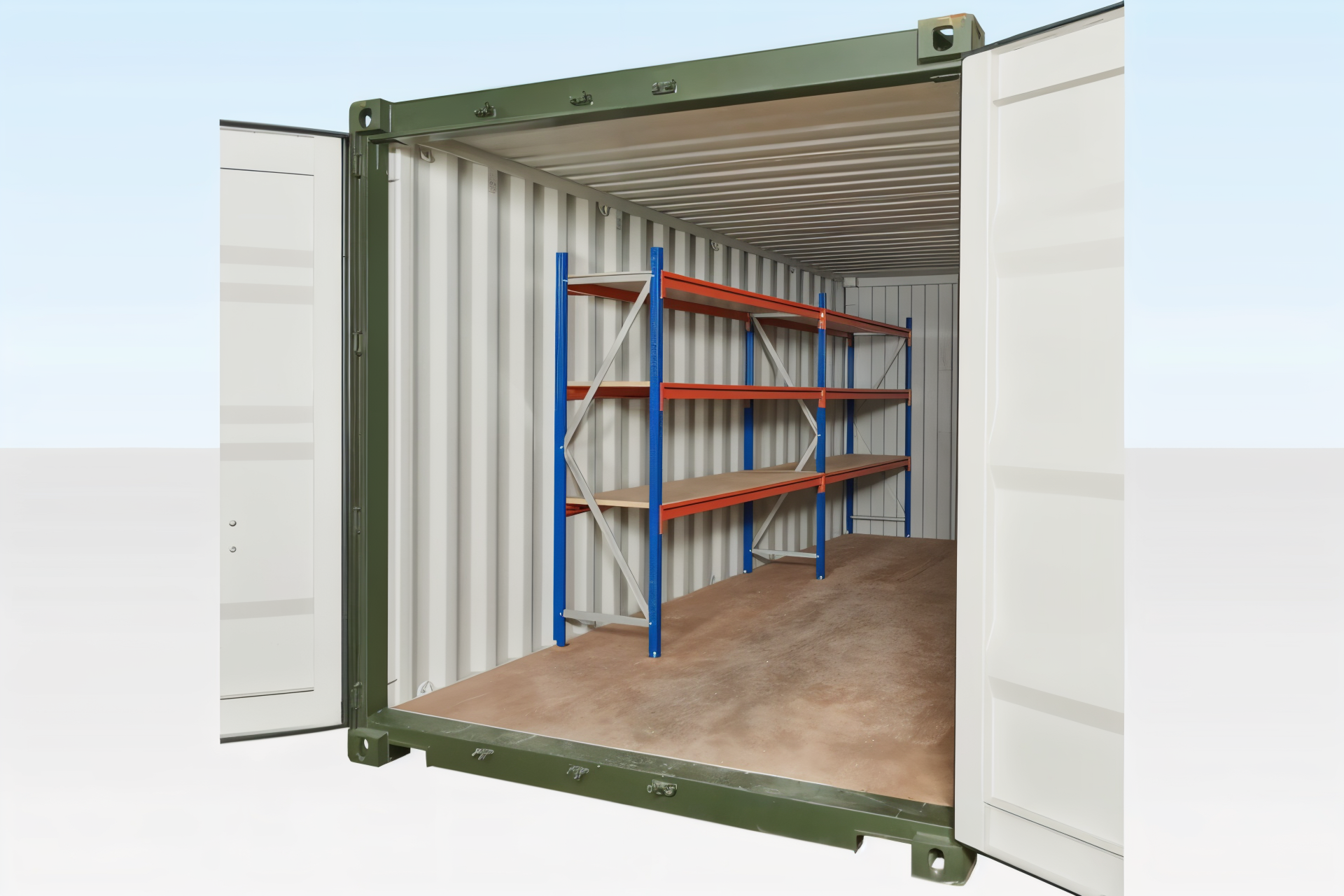
Three-tier racking holds outboard parts, tires, and gear on shelves instead of the floor. It costs floor width, so rack a gear container, not the vehicle bay.
Ground-level delivery, one quote
A tilt-bed truck slides the container off at ground level with no crane or forklift, and we check site access first. The quote is free and itemized — no hidden fees.
Storage for the machines you use seasonally
Collectors, dealers with overflow lots, marinas, powersports fleets, and landlords adding rentable storage hit the same wall: vehicles and boats that sit for months still need somewhere dry, locked, and reachable. A shipping container on your own ground does that job without a monthly yard bill. This page covers vehicle and boat storage; if you are storing household goods, see storage containers for homeowners.
Your land versus a storage yard
A storage yard charges by the month, sets gate hours, and often waitlists boat and RV spots. A container you own sits where the work is: hitch up at dawn, no gate code. The tradeoff is that you take on the yard's job — a level, compacted spot, truck access for delivery, and your city or HOA's placement rules.
What fits: the door is the gate
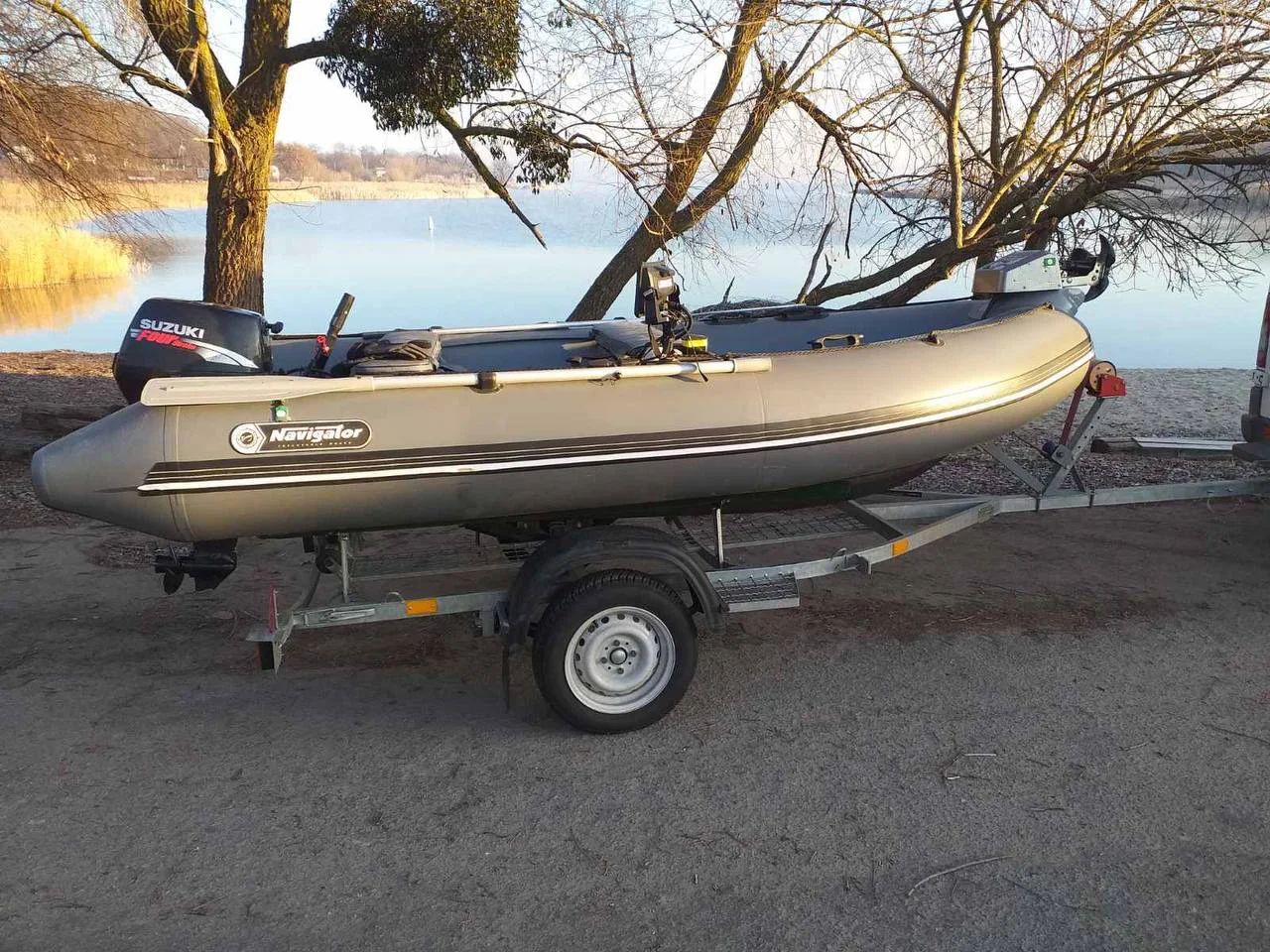
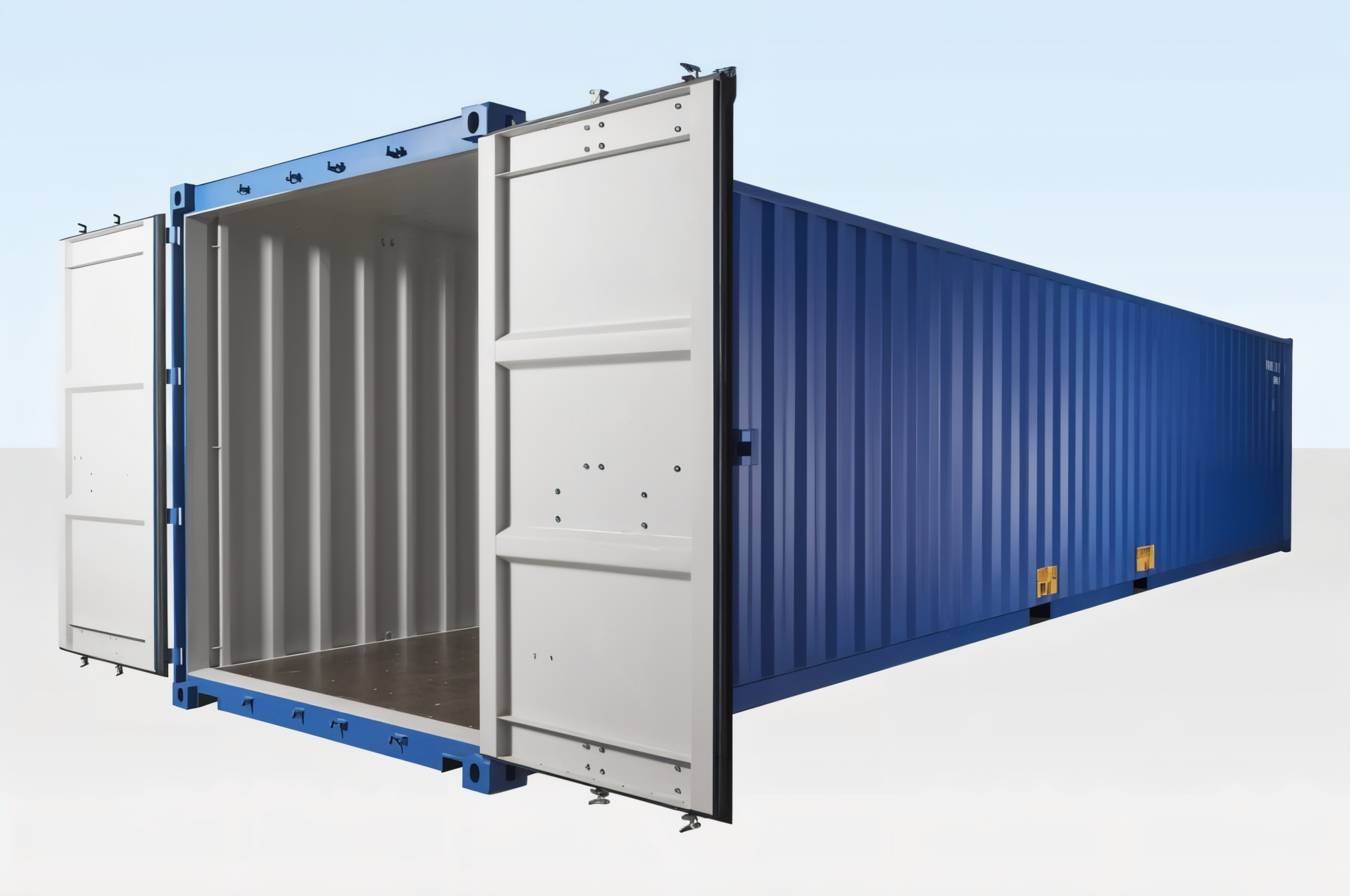
Every container loads through a door opening about 7ft 8in wide by 7ft 5in tall (about 8ft 5in on a high cube — a container roughly 1ft taller). For a trailered boat, two numbers decide it: total trailer length against 19ft 4in of interior in a 20ft unit or 39ft 5in in a 40ft, and beam plus trailer fenders against door width. Many bass and fishing boats under a 7ft 6in beam roll in; pontoons and wide-beam hulls do not, and no modification changes that.
A 20ft one-trip container (one-trip meaning a single factory-to-buyer cargo run, the closest condition to new) suits a car, motorcycles, or gear. A 40ft one-trip high cube covers trailered boats, two vehicles nose-to-tail, or a car plus workshop space, with the extra door height that outboards and wakeboard towers eat up quickly.
Ventilation is the first spec, not an add-on
The biggest threat to a stored engine, hull, or interior is not weather but condensation inside a sealed steel box. Fitted vents, desiccant, and a breathable cover keep moisture off metal and upholstery — and a container is not climate-controlled without modification, so expect humidity swings. Our guide to storing a car in a shipping container covers the full prep list, from fuel stabilizer to battery tenders.
Doors, ramps, and racking
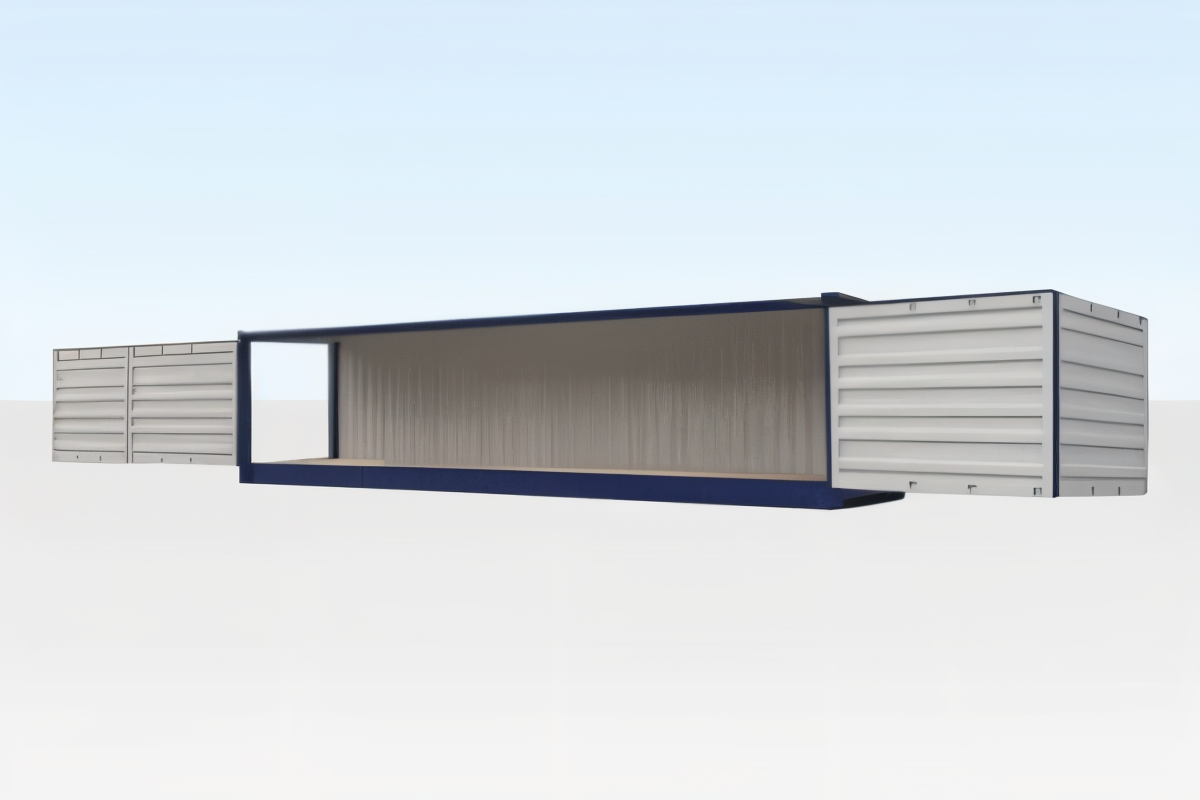
Standard end doors work for anything you can drive or winch straight in over short ramps. A 40ft full side access high cube opens along its whole length instead, which changes what the box can hold: kayaks, masts, outboard parts, and pallets loaded from the side. The tradeoff is more door seals to inspect. For gear rather than vehicles, three-tier container racking puts parts, tires, and tackle on shelves; racking costs floor width, so it belongs in a gear container, not the vehicle bay.
Security at an unattended lot
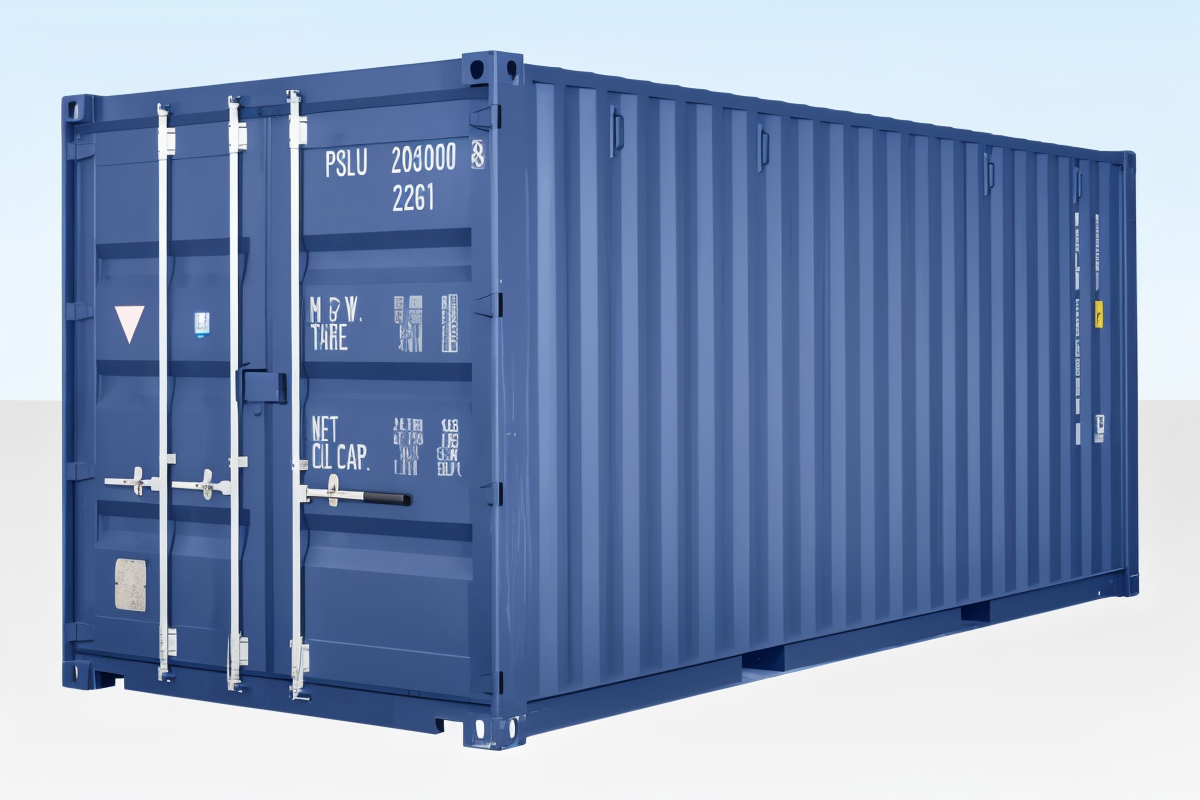
Stored vehicles concentrate value where nobody watches daily. Fit a lockbox (a welded shroud that hides the padlock from bolt cutters) with a puck lock, and site the container so its doors face a fence or another unit. Our guide on how to secure a shipping container covers the layering in detail; every added layer costs a step at each visit.
Modifications the unit can have
Containers take modification well: shelving, lighting, fitted vents, and an outlet for battery tenders are all common additions, handled through our custom modifications service. Scope them before delivery — retrofitting is possible but easier before the unit is loaded.
Frequently asked questions
Will my boat fit in a shipping container?
Measure total trailer length and beam including trailer fenders. Under about 7ft 6in of beam and 19ft of length fits a 20ft unit; up to about 39ft of trailer length fits a 40ft. Pontoons and wide-beam hulls exceed the door width and do not fit.
Can I store a car and gear in the same container?
In a 40ft, yes: a car nose-in leaves roughly half the length for shelving and a bench. In a 20ft, a car uses nearly the full interior, so gear storage usually means a second, racked unit.
Do containers work for winter boat storage?
Yes, with prep: drain water systems, stabilize fuel, pull or tender the battery, and control condensation with vents and desiccant. The container blocks UV, rain, and snow, but it is not heated or climate-controlled without modification.
Can a container have power for battery tenders?
Units can be modified with lighting and outlets for tenders through our custom modifications service; scope it when you order. Until then, a removed battery stored somewhere warm does the same job at lower cost.
Do I need a permit to keep a container on my property?
It depends on your city, county, and HOA. Some allow placement outright, others require a permit or limit duration and visibility. Check local code before delivery day — this is general guidance, not legal advice.
Get a free quote
Tell us what you are storing, its widest and tallest measurements, and where the container will sit. Every unit is inspected and graded before delivery, and our container delivery service checks site access first: a tilt-bed (roll-off) truck slides the box off at ground level, no crane or forklift. Vents, racking, or an outlet for tenders can be scoped through our custom modifications service in the same order. The quote is free and itemized with no hidden fees, and we reply within 1 business day.
Containers suited for automotive & marine
Related services
- 01Container DeliveryTilt-bed delivery, coordinated door to door
- 02Custom ModificationsDoors, windows, HVAC, and full fit-outs
- 03Container SalesNew one-trip and graded used containers
Put containers to work in automotive & marine
Tell us about your project and we will send a free, no-obligation quote.