Shipping Container Ventilation: How to Stop Condensation
Shipping container ventilation stops condensation, or container rain, before it soaks your goods. How vents, fans, and desiccants compare, climate by climate.
 Editorial TeamEditorial Team6 min read
On this page
- 01Why a sealed shipping container drips water
- 02What condensation ruins
- 03Passive vents: the baseline fix
- 04Turbine vents: airflow without power
- 05Powered and solar fans
- 06Desiccants: for the sealed box
- 07Load the container so air can move
- 08Match the setup to your climate
- 09When ventilation alone is not enough
- 10Frequently asked questions
- 11Get a free quote
Why a sealed shipping container drips water
A shipping container keeps rain out and moisture in, and the second part is the problem. During the day, the air inside a closed box warms and picks up water from whatever you store: cardboard, wood pallets, fabric, even a damp floor. At night the steel skin cools faster than the air, and when warm, humid air touches steel that has dropped below its dew point (the temperature at which air can no longer hold its moisture), the water condenses. Droplets form on the ceiling and drip onto your goods. Storage users call it container rain, and it soaks units that never leaked from outside.
The fix is shipping container ventilation: swap the warm, moist air inside for cooler, drier air outside, so there is less water left to condense when the steel cools. Fixed passive vents cover most storage uses, turbine and powered vents handle harder cases, and desiccants absorb what airflow cannot reach. Here is how to choose.
What condensation ruins
Condensation is not cosmetic. Cardboard softens and collapses, fabric molds, bare tools rust, electronics corrode, and wooden furniture swells and warps — and repeated wet cycles attack the roof seams and door gaskets from the inside, so the unit itself pays too.
Passive vents: the baseline fix
Most containers leave the factory with a few small pressure vents near the top rails, sized to equalize pressure at sea, not to dry out a storage unit. The standard upgrade is a set of fixed louvered vents: angled steel slats over a screened opening that pass air while blocking rain, pests, and debris. Placement beats quantity — set intakes low on one wall and exhausts high on the opposite end, so air travels the length of the box as it warms and rises. That cross-flow carries damp air out with no power and nothing to maintain. The limit: passive vents only help when the outside air is drier or cooler than the inside, so on a still, muggy week they trade damp air for damp air.
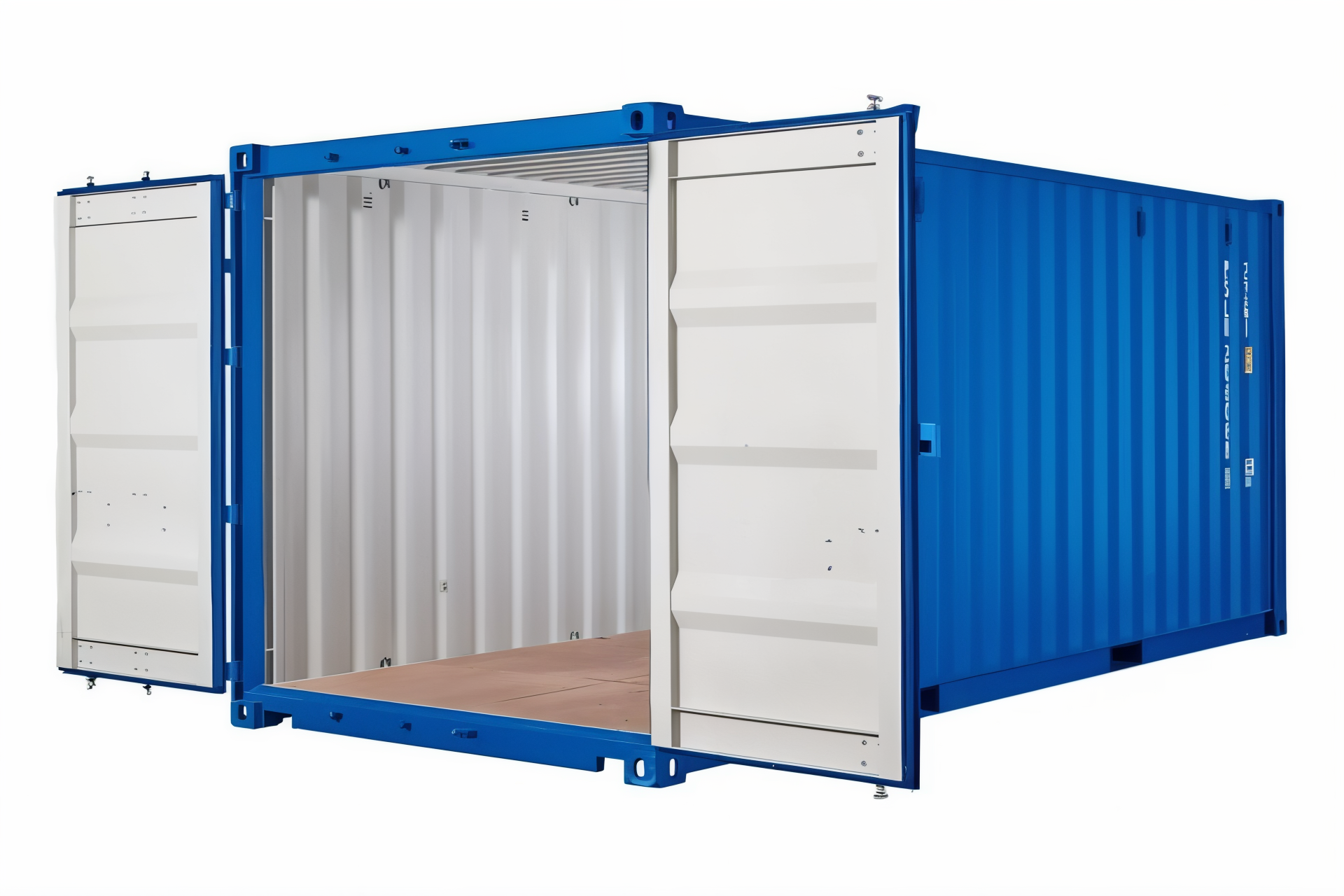
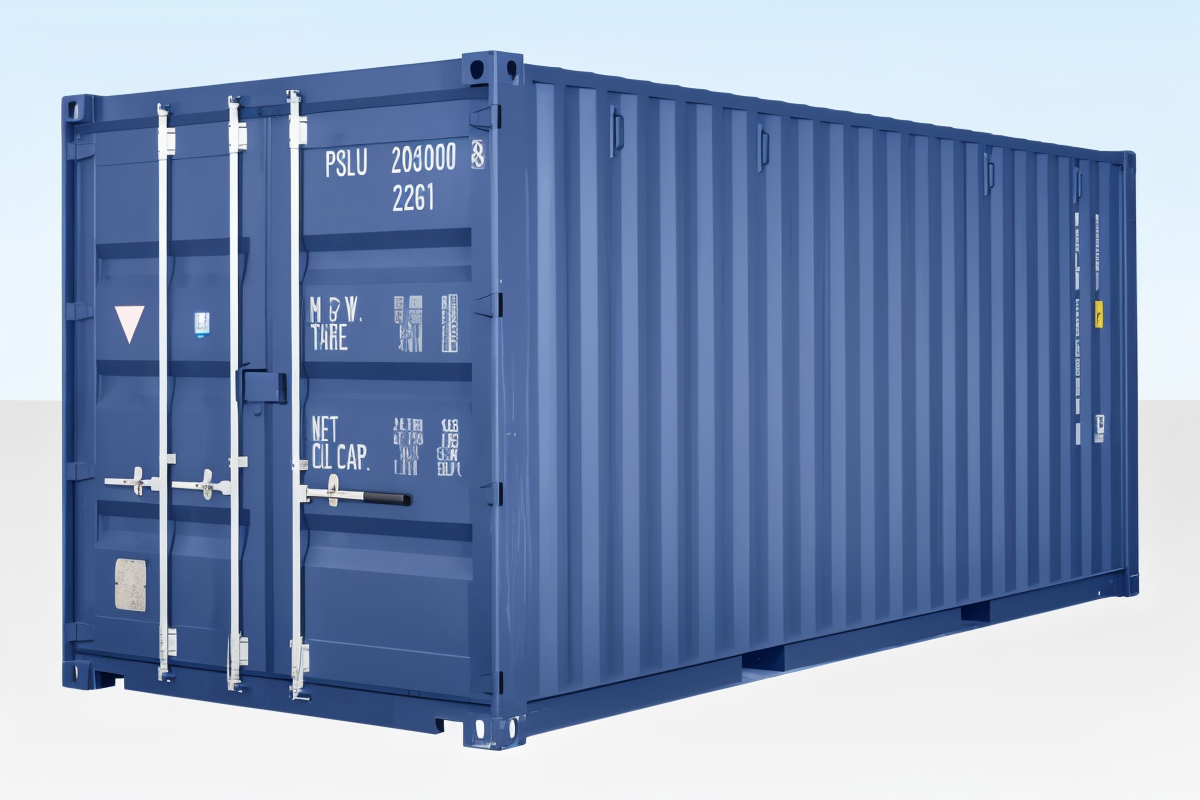
If you are buying a unit to set up this way, a one-trip container (shipped once with cargo, then sold in near-new condition) such as this 20ft one-trip shipping container is the easiest base: the steel is clean for cutting and welding, and the door gaskets still seal tight, so the vents you add are the only openings to think about.
Turbine vents: airflow without power
A turbine vent, usually called a whirlybird, is a finned dome on the roof: wind spins it, the fins pull air up and out, and rising warm air keeps it turning in a light breeze. It moves far more air than fixed louvers and costs nothing to run. The tradeoffs: it slows on still days, exactly when humid air sits, and it puts a hole in the roof, so the flashing must be sealed well or you trade condensation for a leak. Give it low intake vents to pull from.
Powered and solar fans
A powered exhaust fan moves air on your schedule instead of the weather's. Wired fans run on a humidistat or thermostat, so the box vents itself only when conditions call for it; solar fans skip the wiring and work hardest in full sun, though they idle at night, when much of the condensation forms. The costs: a power source or panel to maintain, and moving parts that wear. For plain storage a fan is usually more than you need; for a workshop, it is the difference between usable and not.
Occupied conversions raise the stakes. A container gym is the clearest example: people working out load the air with moisture faster than any cargo, so mechanical ventilation becomes the make-or-break spec rather than an upgrade.
Desiccants: for the sealed box
Desiccants absorb moisture instead of moving air. Calcium chloride buckets and hanging poles are the workhorses for containers, with silica gel packs protecting individual crates. They fit the one case vents handle badly: a tightly sealed, rarely opened unit in a humid climate, where an opening mostly invites wet air in. The catch: desiccants saturate and need replacing on a schedule — a forgotten bucket is just a full one. An electric dehumidifier does the job continuously but needs power and somewhere to drain.
Load the container so air can move
Even a well-vented box will sweat if cargo blocks the air path. Keep goods off the floor on dry pallets — a rain-soaked pallet carries its water in with it. Leave a gap of a few inches between the load and the walls, stop short of the ceiling, and keep moisture-sensitive items in the middle, away from the steel.
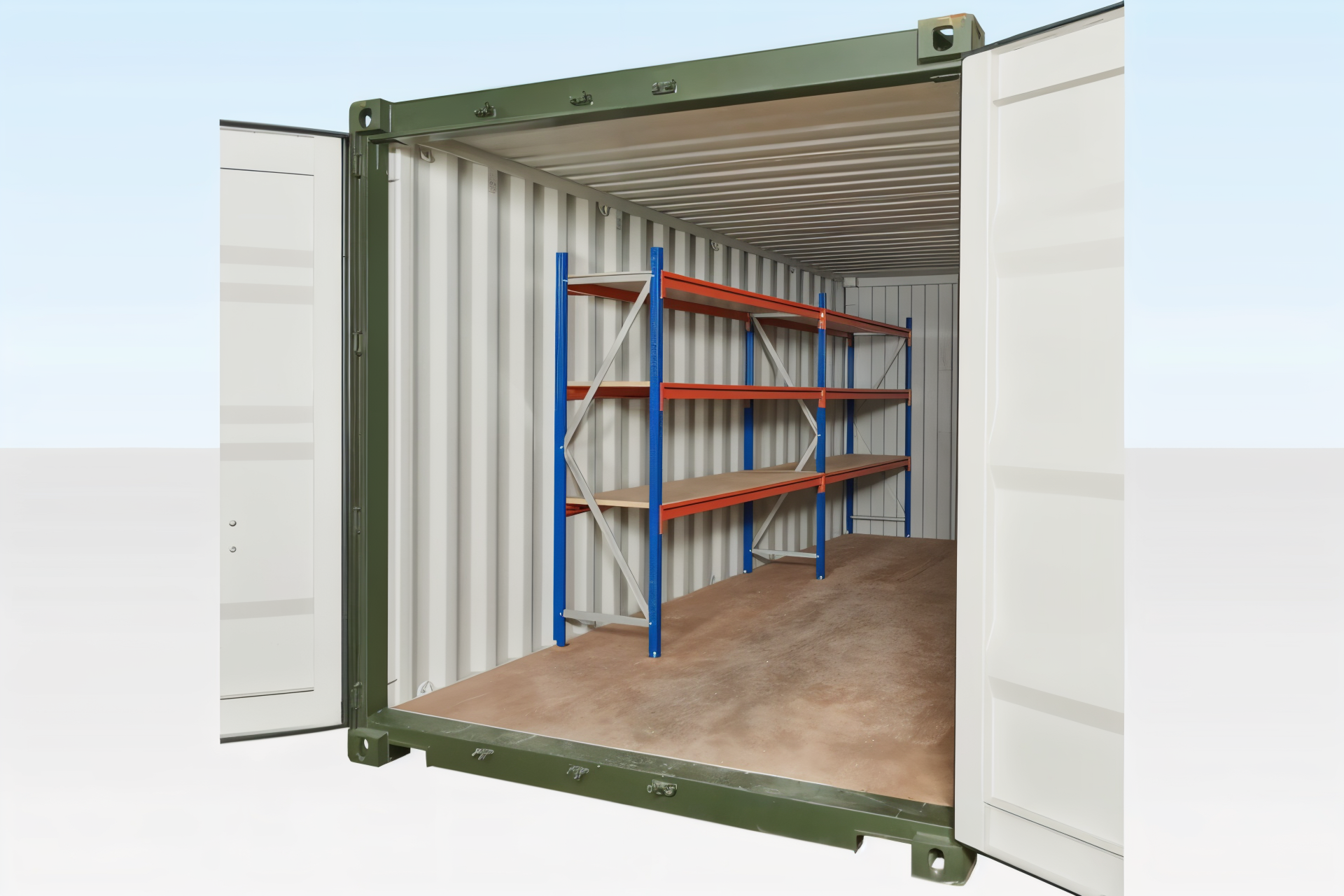
Shelving does much of this automatically. A three-tier container racking kit keeps goods off the floor and opens horizontal air paths through the load, at the cost of some floor area for the uprights. Pair racking with a low intake and a high exhaust in a dedicated storage unit like this 20ft self-storage container with bamboo floor, and you have airflow at the walls, through the load, and under it.
Match the setup to your climate
In the humid Southeast (the Gulf Coast, Florida, the Carolinas), outside air carries water most of the year, so passive vents can only do so much; plan on layers — louvered vents plus a whirlybird or fan, desiccants inside, and disciplined dry loading. The dry Southwest flips the problem: humidity is low, but the swing from hot afternoon to cold desert night is exactly the drop that drives condensation, and cross-flow venting handles it well because the replacement air is dry. Coastal sites in any region add salt air, which turns every wet cycle into a rust cycle, so lean toward more airflow near the ocean.
When ventilation alone is not enough
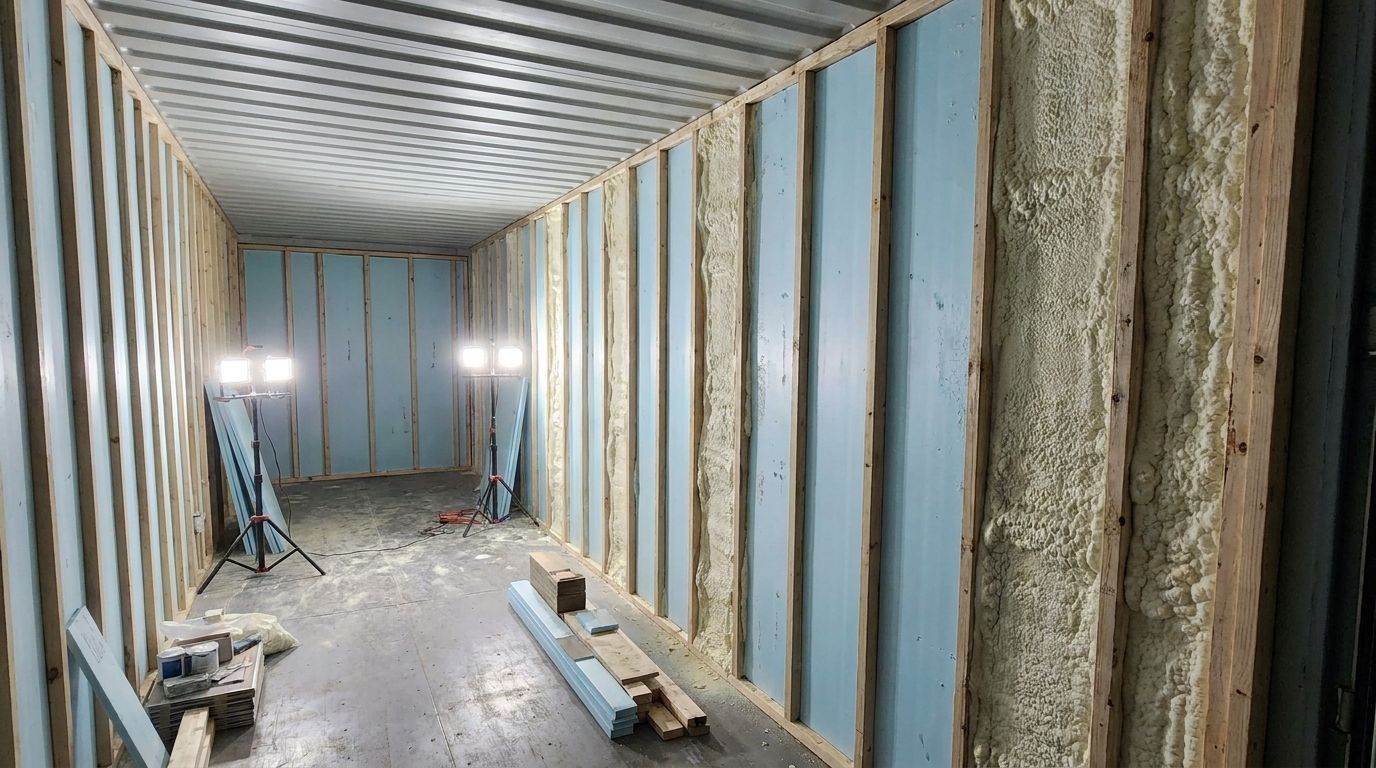
If you plan to heat or cool the container, work in it daily, or store goods that cannot tolerate any humidity swing, airflow stops being the whole answer. Insulation attacks the problem from the other side: it keeps the interior steel surface warmer, so the air touching it never reaches its dew point. The two work as partners — insulate the shell so the steel never goes cold, then ventilate for fresh air. Choosing that layer is its own subject, covered in our guide to insulating a shipping container.
Frequently asked questions
Do shipping containers come with vents?
Only small factory pressure vents near the top rails, sized to equalize pressure during ocean transit rather than to dry stored goods. For storage in most climates, add louvered vents at a minimum, placed for cross-flow.
How many vents does a shipping container need?
Think in pairs, not totals: a low intake on one wall and a high exhaust on the opposite end. A 20ft unit in a moderate climate often does fine with 1 pair; longer boxes, humid regions, and damp cargo justify more pairs or a whirlybird. The diagonal, low-to-high placement matters more than the count.
Will ventilation stop container rain completely?
It cuts condensation sharply, but no vent can dry out wet cargo, a soaked pallet, or goods sealed in damp. Load dry, keep the load off the floor and away from the walls, and add desiccants in humid climates. If you condition the space, pair ventilation with insulation.
Get a free quote
Tell us what you plan to store and where the container will sit, and we will help you spec the moisture setup: louvered vents, a whirlybird, a solar fan, or a combination, since units can be modified with vents, fans, insulation, and electrical. Every unit is inspected and graded before delivery, we reply within 1 business day, and the quote is free and itemized with no hidden fees — what we quote is what you pay.