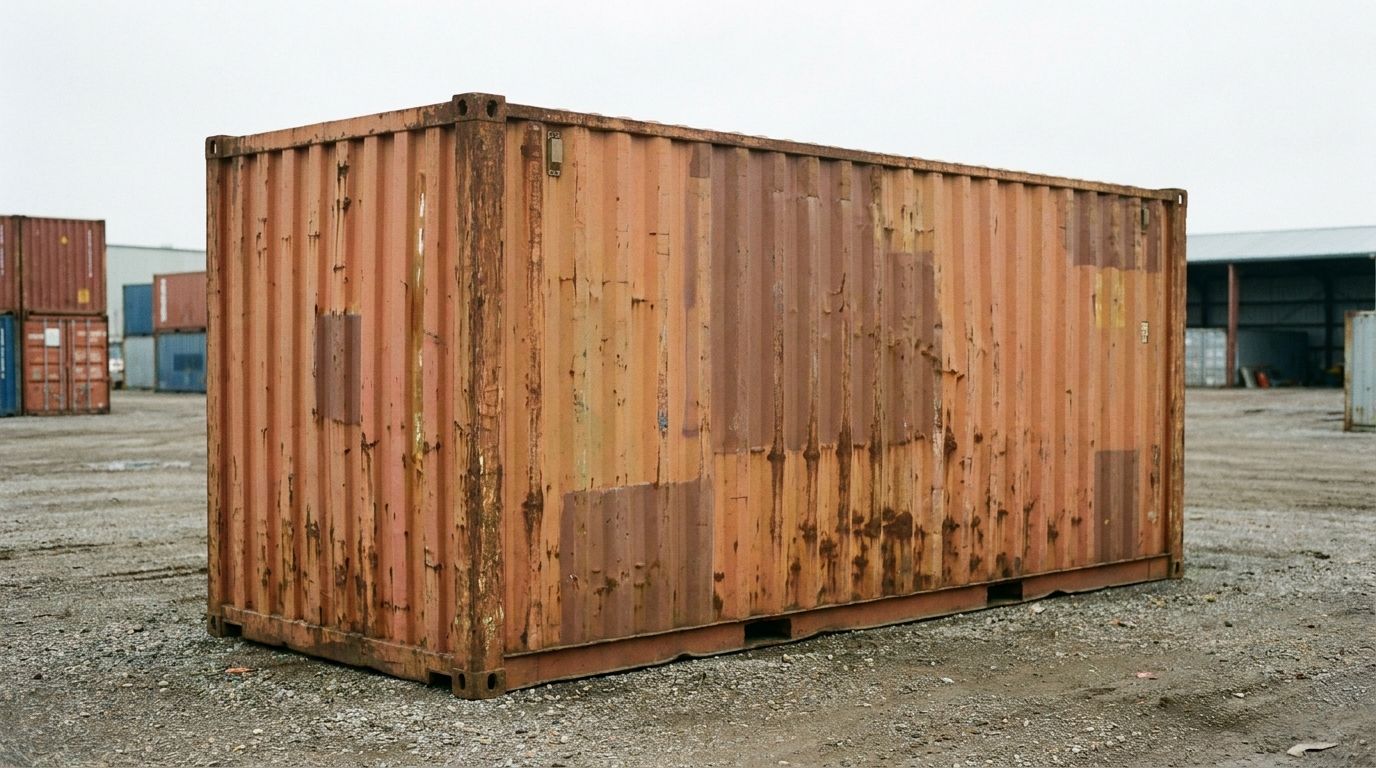
How to Insulate a Shipping Container
To insulate a shipping container you have to beat condensation first: warm, moist air hits cold steel and drips. Here is how each option compares.
 Editorial TeamEditorial Team7 min read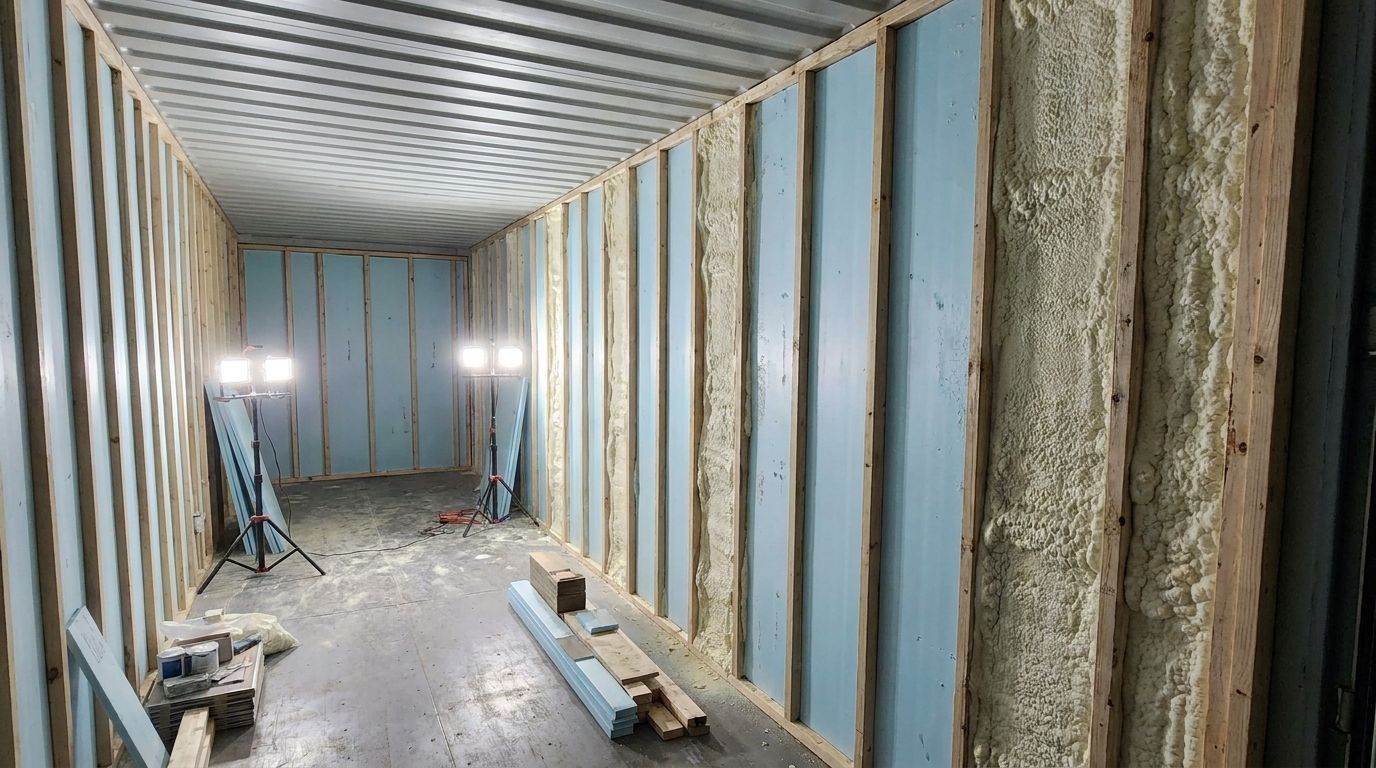
On this page
How to insulate a shipping container
A shipping container is an airtight steel box, and that is exactly what makes insulating one different from insulating a stick-built wall. Get it wrong and you trap moisture against the steel and grow rust and mold behind your finish. Get it right and a former cargo box holds a comfortable temperature in summer heat and winter cold. This guide walks through why insulation matters, the main options and what each one costs you, and how to choose based on what you are actually building.
Quick answer: the single most important job is controlling condensation, not just adding R-value. Closed-cell spray foam is the most effective because it insulates and seals the steel as a vapor barrier in one pass, but it costs the most and is hard to remove. Rigid foam board is a strong do-it-yourself middle ground if you seal the seams. Batt or mineral wool is the cheapest material but needs a framed cavity and a deliberate vapor strategy. Match the method to the use: a dry store, an office, or a living space each pull the decision in a different direction.
Why insulate: the condensation problem
The reason to insulate a container is not only comfort, it is moisture. Steel is a thermal bridge, meaning heat and cold pass straight through it. When warm, humid indoor air touches the cold inner face of the steel and reaches the dew point, the temperature at which air can no longer hold its moisture, that water condenses on the wall and runs down. People call it container sweat. Over time that constant film of water rusts the steel from the inside and feeds mold behind whatever you have lined the walls with.
Insulation fixes this in two ways. It slows the heat transfer so the inside face of your wall never gets cold enough to hit the dew point, and the right system adds a vapor barrier that stops moist air from reaching the steel at all. Comfort and energy bills are the obvious payoff, a bare container swings from an oven to a freezer with the weather, but condensation control is the part that protects the box itself.
Insulation options compared
There is no single correct material. Each option trades cost, R-value (resistance to heat flow, higher is better), ease of installation, and how much interior space it eats.
Closed-cell spray foam. This is the highest R-value per inch of any common option, roughly R-6 to R-7, and it sprays directly onto the corrugated steel, sealing every gap and acting as its own vapor barrier. One application insulates and waterproofs the wall, which is why it is the default for serious conversions. The tradeoffs are real: it is the most expensive route, it usually means hiring a contractor, and once it is on it is very hard to remove or alter.
Rigid foam board (XPS or polyiso). Board gives you a good R-value, around R-5 per inch for polyiso, at a lower cost, and a patient do-it-yourselfer can install it. The catch is the seams. Board only performs if you glue or fit it tight to the steel and tape and seal every joint and edge, because any gap lets humid air slip behind it to the cold steel and condense where you cannot see it. It is more labor than foam but far more forgiving of a tight budget.
Batt or mineral wool with a stud frame. Fiberglass batt or mineral wool is the cheapest material by far, but it cannot touch the corrugated steel and it cannot stop vapor on its own. You have to build a stud frame against the walls to create a cavity, fill the cavity, and add a separate vapor barrier on the warm side. That framing eats several inches off every interior dimension, which matters a lot inside a box only about 7.5 feet wide. Skip the vapor barrier and batt becomes a sponge held against cold steel, which is the worst outcome of any method here.
Insulated panels. Prefabricated insulated panels go up fast and clean and give you a finished inner surface in one step, which suits an office or a quick fit-out. The tradeoff is flexibility: panels come in set sizes, so they are less custom around odd openings and modifications than foam or board cut to fit.
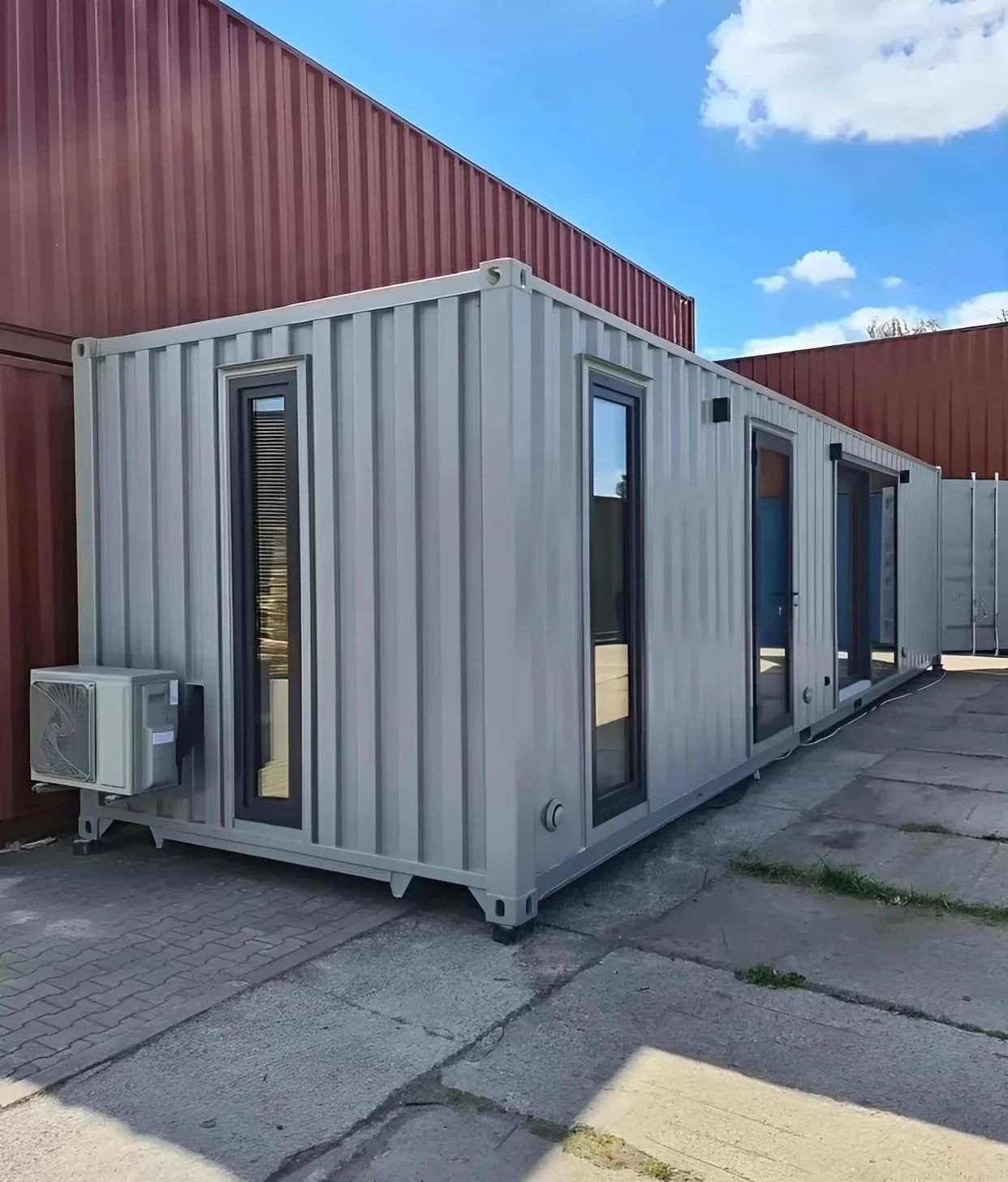
Many buyers skip the install entirely and start with a unit that is already insulated and lined, like this insulated container greenhouse built for temperature control from the factory.
Do not forget the floor and roof
Walls get all the attention, but the roof and floor leak just as much. The roof takes direct sun and radiates heat down into the box, so it benefits from spray foam underneath or a board layer in a dropped ceiling. The original plywood floor sits on steel cross-members that bridge cold straight up through it, so a living space usually wants rigid board or a foam layer under a new subfloor. Insulating the walls alone and ignoring the top and bottom leaves two large surfaces still swinging with the weather and still sweating.
Ventilation and vapor control
Insulation and airflow work together. Even a well-sealed container needs ventilation, because cooking, breathing, and damp gear all add moisture to the inside air that has to go somewhere. Passive vents, a powered fan, or an HVAC system with a fresh-air path all keep humidity from building up against your walls. The rule that ties it together: insulate to keep the steel warm enough to never reach the dew point, seal so moist air cannot reach the steel, and ventilate so the moisture you do generate leaves the box instead of collecting in it.
Which to choose by use
The right method depends on what the container becomes.
A dry store or workshop often needs only enough to stop sweat and take the edge off temperature swings. A spray-foam skin or a single layer of sealed board on the walls and roof usually does it.
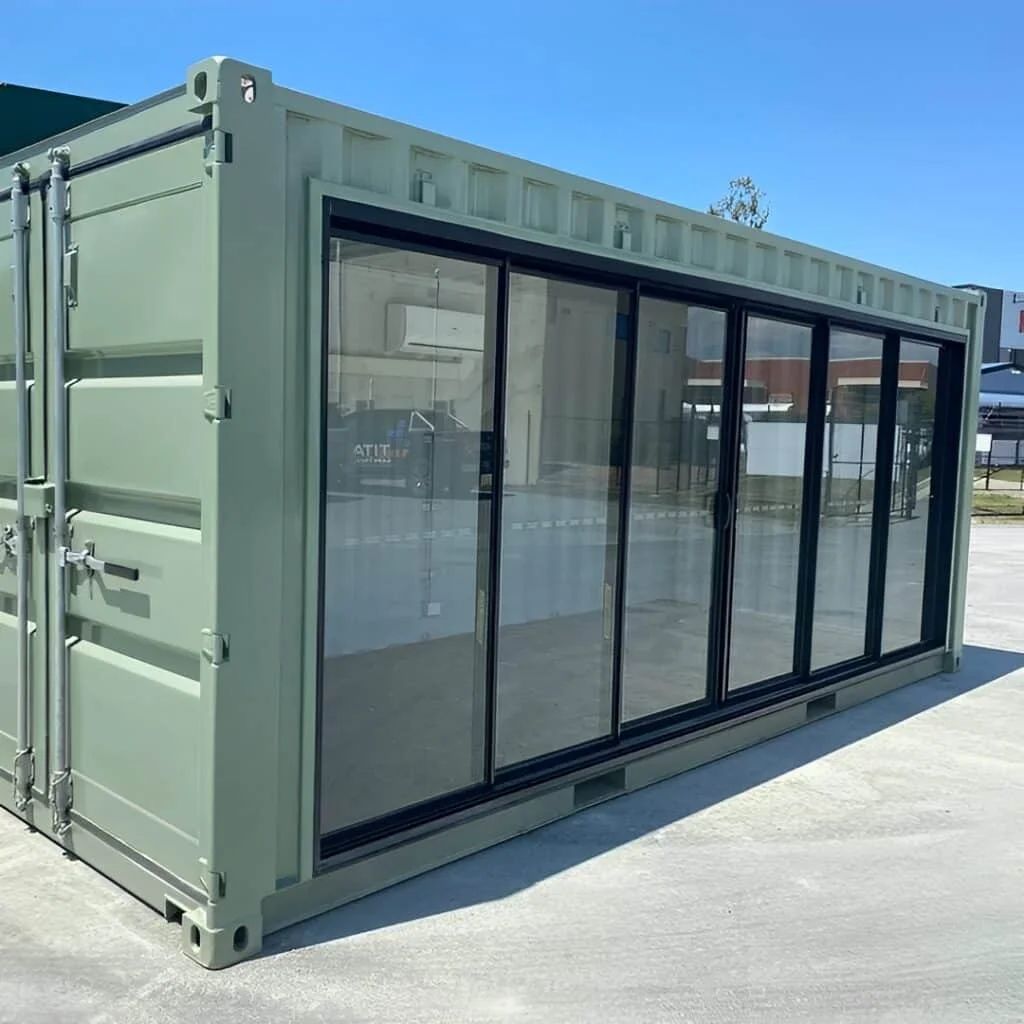
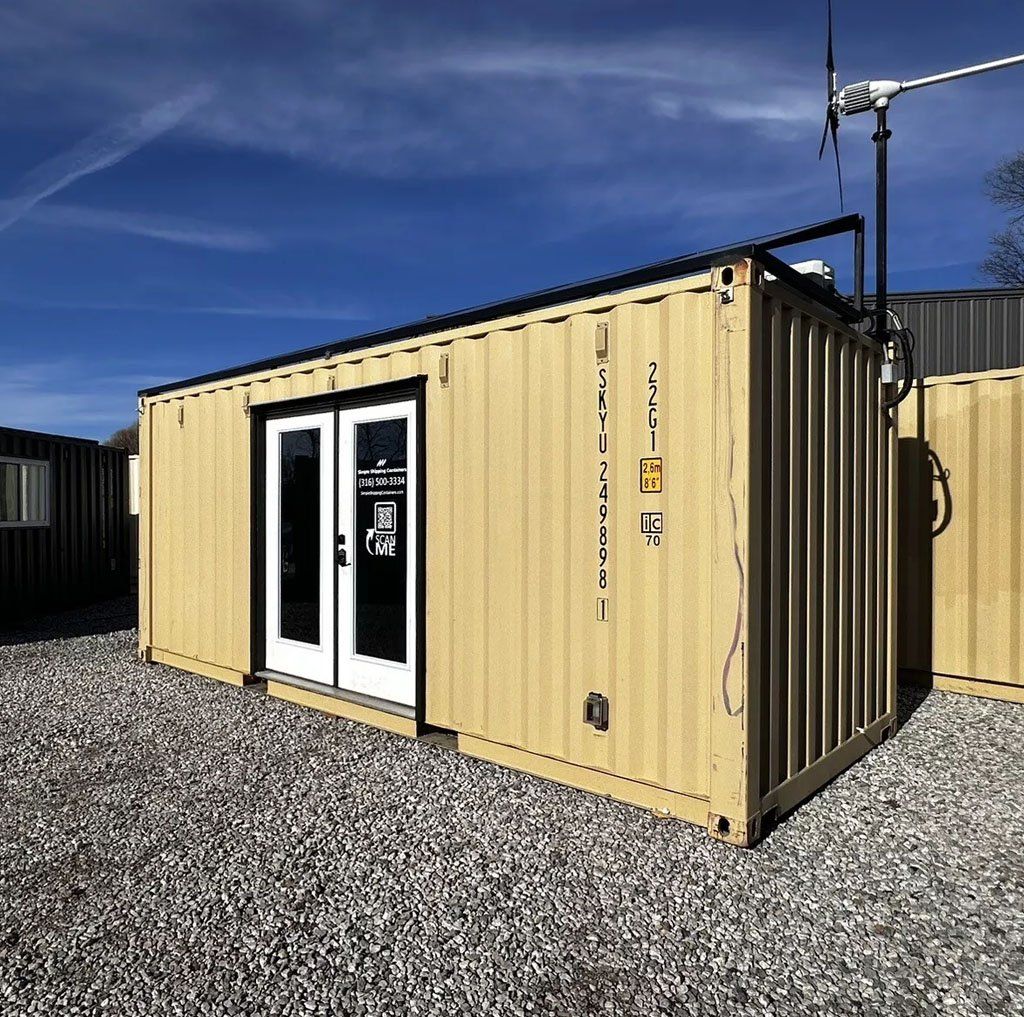
An office wants comfort and a clean finish for people working all day. Insulated panels or board behind a lined wall pair well with a heating and cooling unit, the approach used in a finished 20ft container office.
A living space needs the full system: high R-value on walls, roof, and floor, a continuous vapor barrier, and real ventilation. This is where closed-cell spray foam earns its cost, as in a built-out 40ft container house.
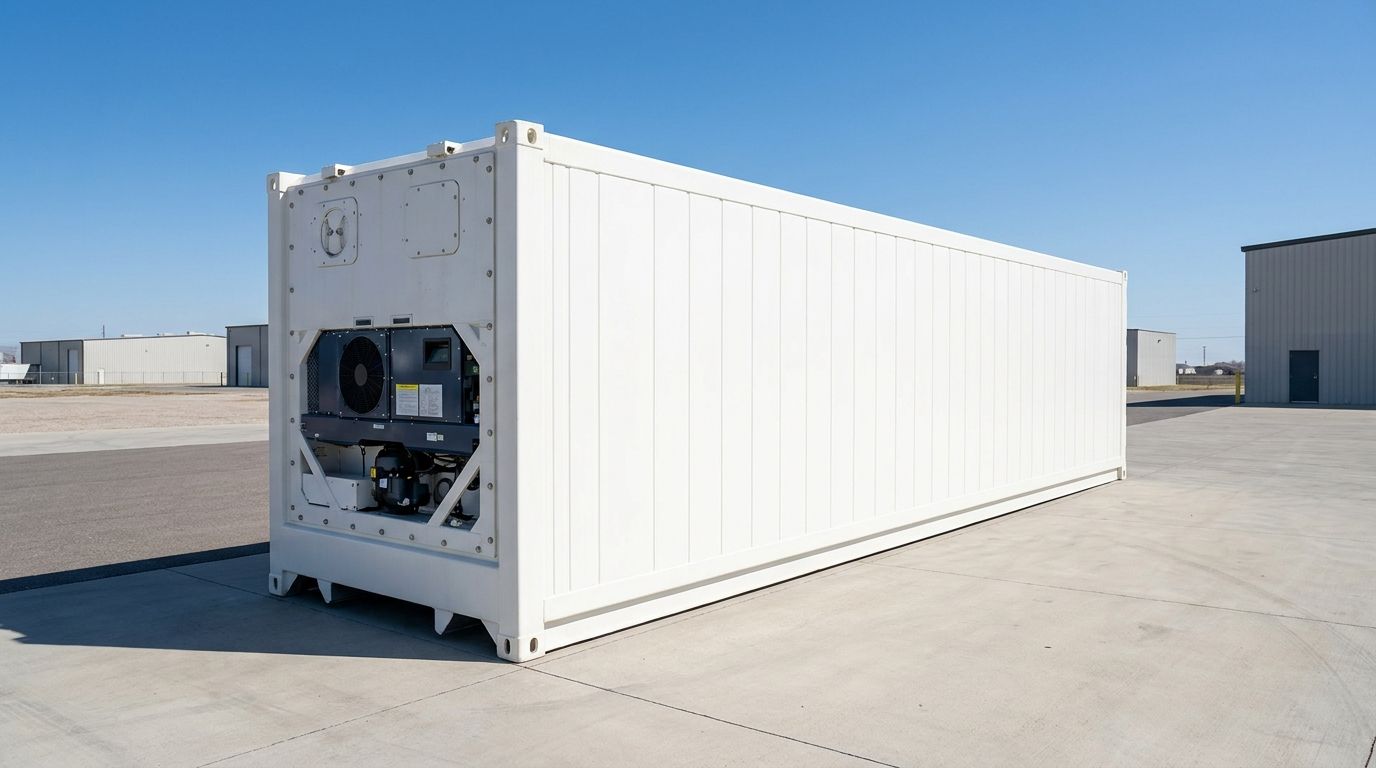
Keeping a reefer's cold in. A reefer (refrigerated container) is already insulated with thick factory foam panels and is built to hold cold, not to be a comfortable room. If you need refrigeration, start with a purpose-built reefer rather than trying to insulate a dry box to that standard.
Common mistakes
Three errors cause most failed container insulation jobs. First, skipping vapor control: adding R-value with no barrier just moves the cold surface inward and lets condensation form somewhere you cannot see it. Second, trapping moisture: pressing fiberglass or unsealed board against bare steel holds water against the metal and rusts it from behind. Third, ignoring thermal bridging at the steel ribs: the corrugations and any new metal framing conduct cold straight through your insulation, so a continuous layer, like sprayed or taped board, outperforms one with steel paths punched through it. Building-code and permit rules for occupied spaces vary by city and HOA, so treat insulation specs for a dwelling as a place to confirm local requirements. This is general guidance, not legal advice.
Frequently asked questions
Do I really need to insulate a shipping container?
If you are using it as occupied or climate-sensitive space, yes. Bare steel sweats and swings hard with the weather, so any office, home, or storage of moisture-sensitive goods needs insulation and vapor control. A purely dry, ventilated tool store in a mild climate can sometimes get by with ventilation alone, but most uses do not.
What R-value do I need for a container?
It depends on your climate and use. A dry store needs far less than a year-round living space in a cold region. The practical move is to insulate the walls, roof, and floor as a system and confirm any code minimums for an occupied space with your local building department, since those numbers vary by area.
Can I insulate a shipping container myself?
Rigid foam board is the most do-it-yourself-friendly method if you are willing to cut, fit, and seal every seam carefully. Batt with a framed cavity is also doable but adds framing and a vapor barrier. Closed-cell spray foam gives the best result but usually means hiring a contractor with the right equipment.
Get a free quote
Tell us how you plan to use the container and the climate it will sit in, and we will help you spec an insulation and modification package and send a free, itemized quote with no hidden fees, so what we quote is what you pay. Every unit is inspected and graded before delivery, and we reply within 1 business day. See our container homes and ADUs solution for living-space builds, or our container offices solution for a comfortable on-site workspace, then send us your details to get started.