Container Homes: Costs, Permits, and Whether One Fits
Container homes weigh speed and a steel shell against insulation, permits, and financing.
 Editorial TeamEditorial Team7 min read
On this page
- 01Container homes, in plain terms
- 02What a container home or backyard ADU actually is
- 03Shell vs turnkey: two ways to buy
- 04What it costs to get livable
- 05Permits, zoning, and code
- 06Sizes: 20ft, 40ft, and combining units
- 07Tradeoffs and limits worth knowing
- 08Frequently asked questions
- 09Get an itemized quote
Container homes, in plain terms
Container homes turn a steel shipping box into a place you can actually live. The appeal is real: the structure arrives already built, the steel is tough, and a small unit can land on your lot in weeks rather than the months a stick-built room addition takes. The catch is that a sealed steel box is not a finished home. Getting one livable means insulation, wiring, plumbing, a level base, utility hookups, and a permit, and the cost of that work is easy to underestimate. This guide walks through what a container home or backyard ADU is, what shell-versus-turnkey means, what you pay to get from box to bedroom, and where the tradeoffs bite.
What a container home or backyard ADU actually is
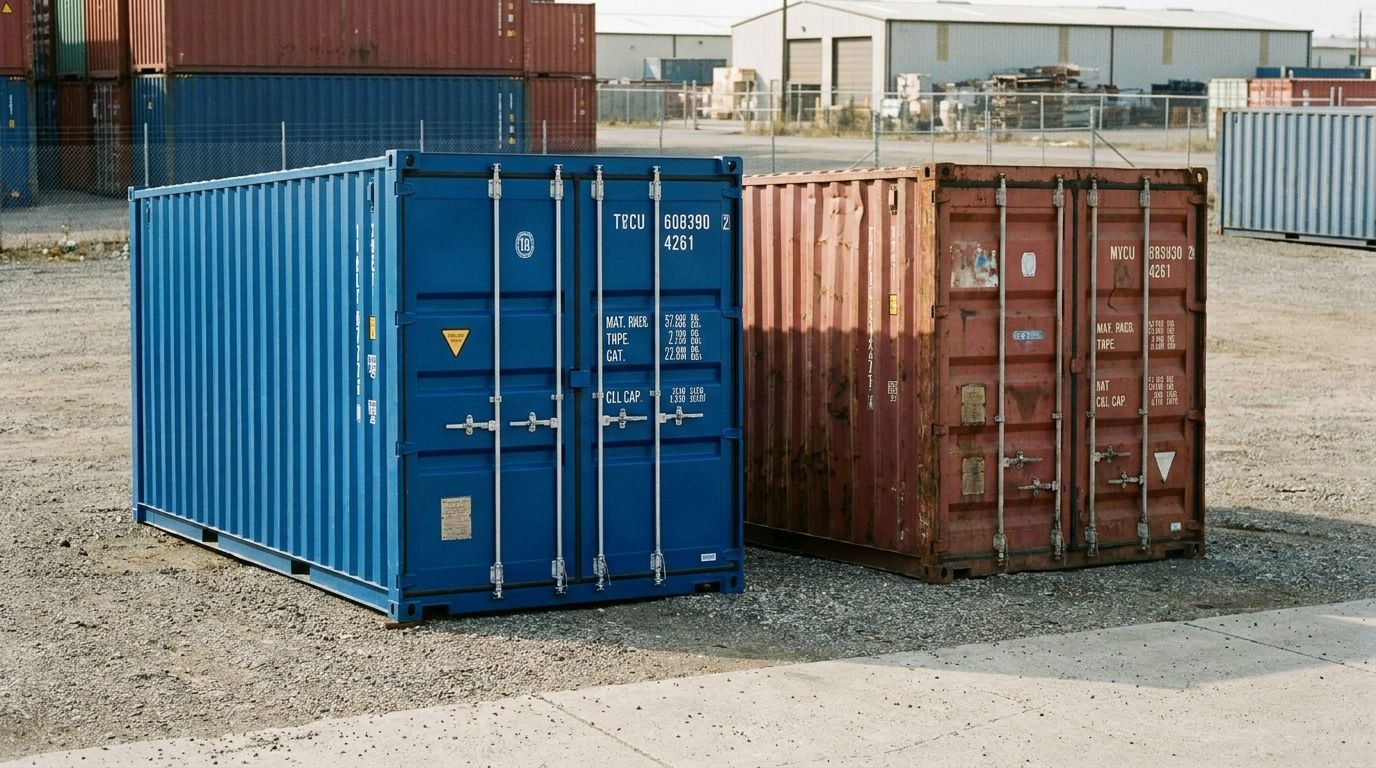
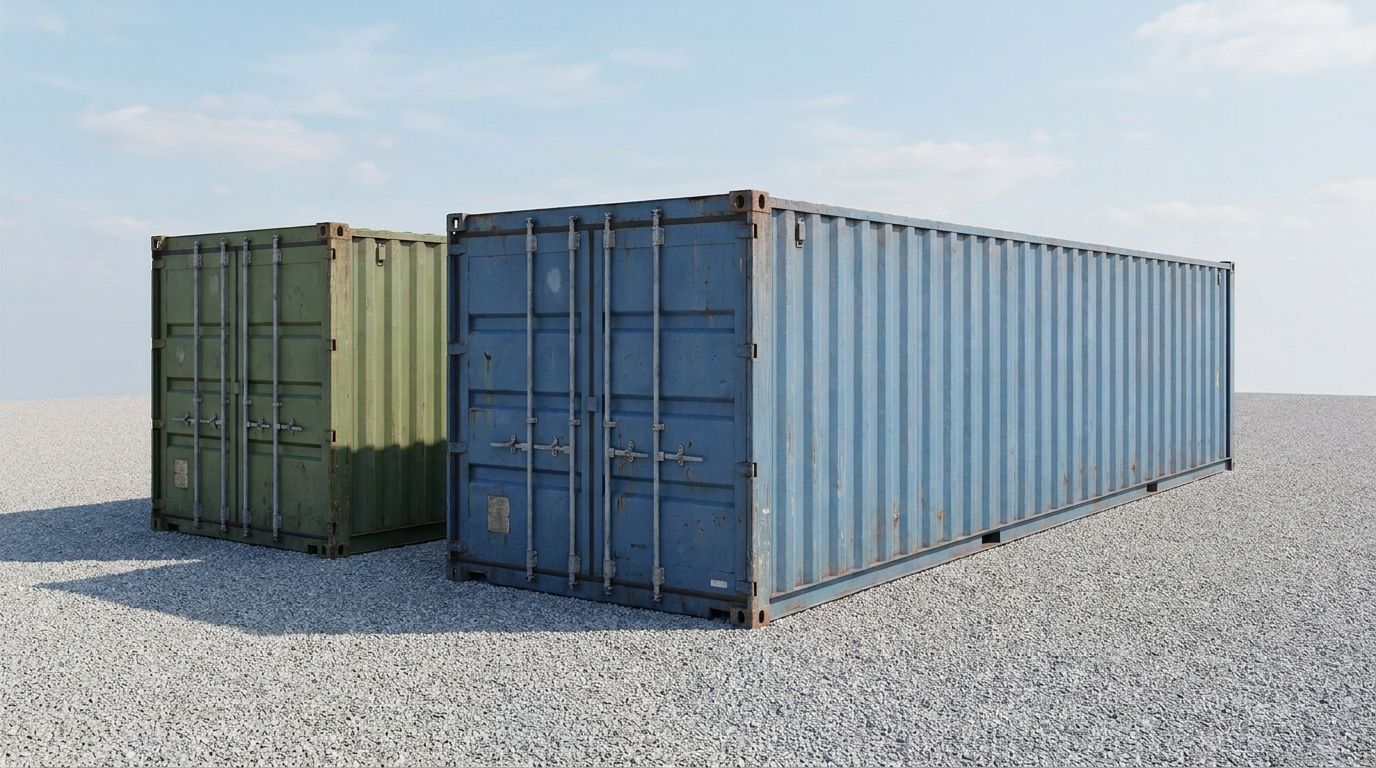
A container home is a shipping container, the steel box built to cross oceans, converted into a dwelling: insulated, wired, plumbed, with windows and doors cut in. A backyard ADU is the same idea at smaller scale. An ADU, or accessory dwelling unit, is a second, smaller home on the same lot as a main house, used as a guest suite, a rental, or extra living space. A container makes a workable ADU shell because the structure is already there and the footprint is predictable. The two main sizes start from standard containers: a 20ft unit is about 20ft long by 8ft wide, and a high cube, meaning a container a foot taller than standard for extra headroom, gives you ceiling height worth having once a floor and ceiling go in.
It helps to be clear about what you are buying. The container supplies the structure and weather shell. Everything that makes it feel like a room, the insulation behind the walls, the outlets, the bathroom, the climate control, is added work. That is true whether you start from a bare box or a finished unit; the only question is who does it and when.
Shell vs turnkey: two ways to buy
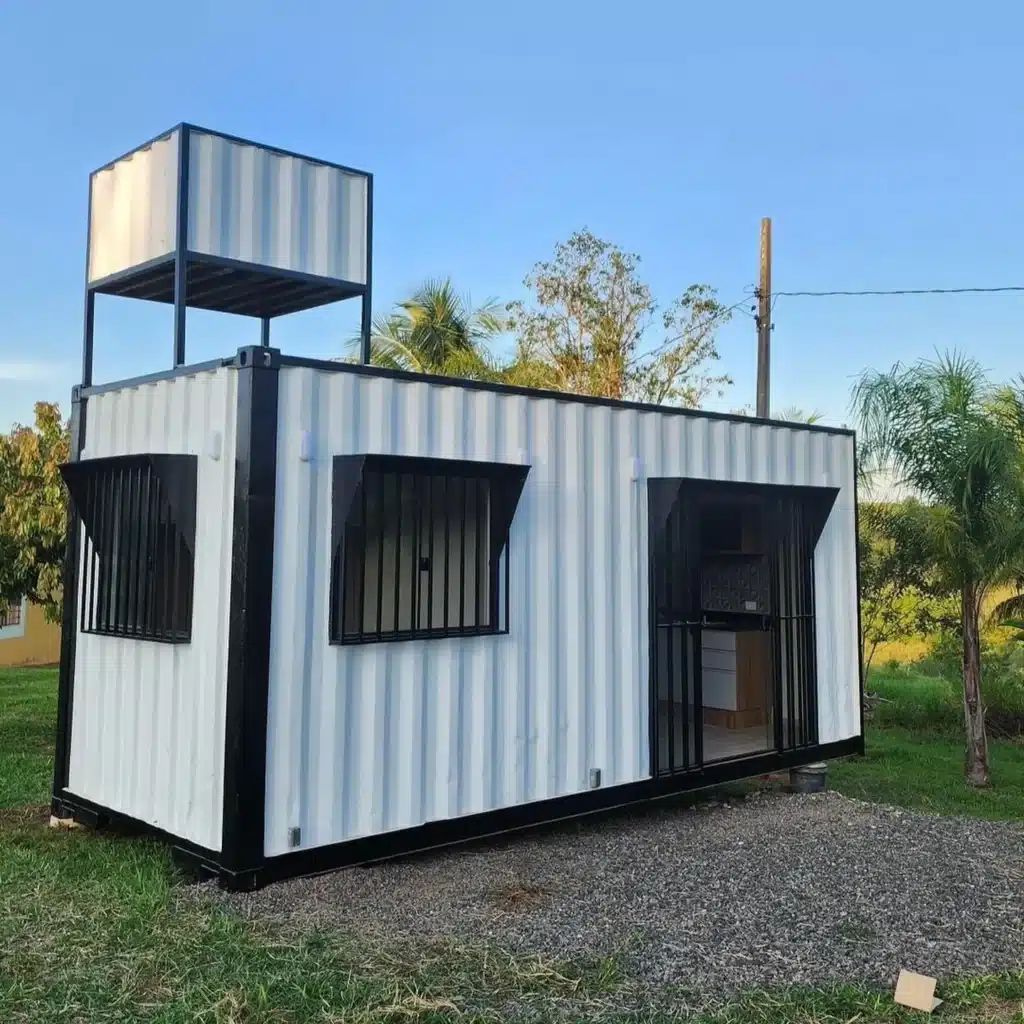
A turnkey unit shows up close to move-in ready, with the interior, fixtures, and finishes already done at the factory. A 20ft container home with water tank is an example of the turnkey end: the unit comes finished and even integrates a water tank, so on-site work is mostly connecting it. The tradeoff is control. You take the layout and finishes as built, and you still need site utilities run to the unit before anyone moves in.
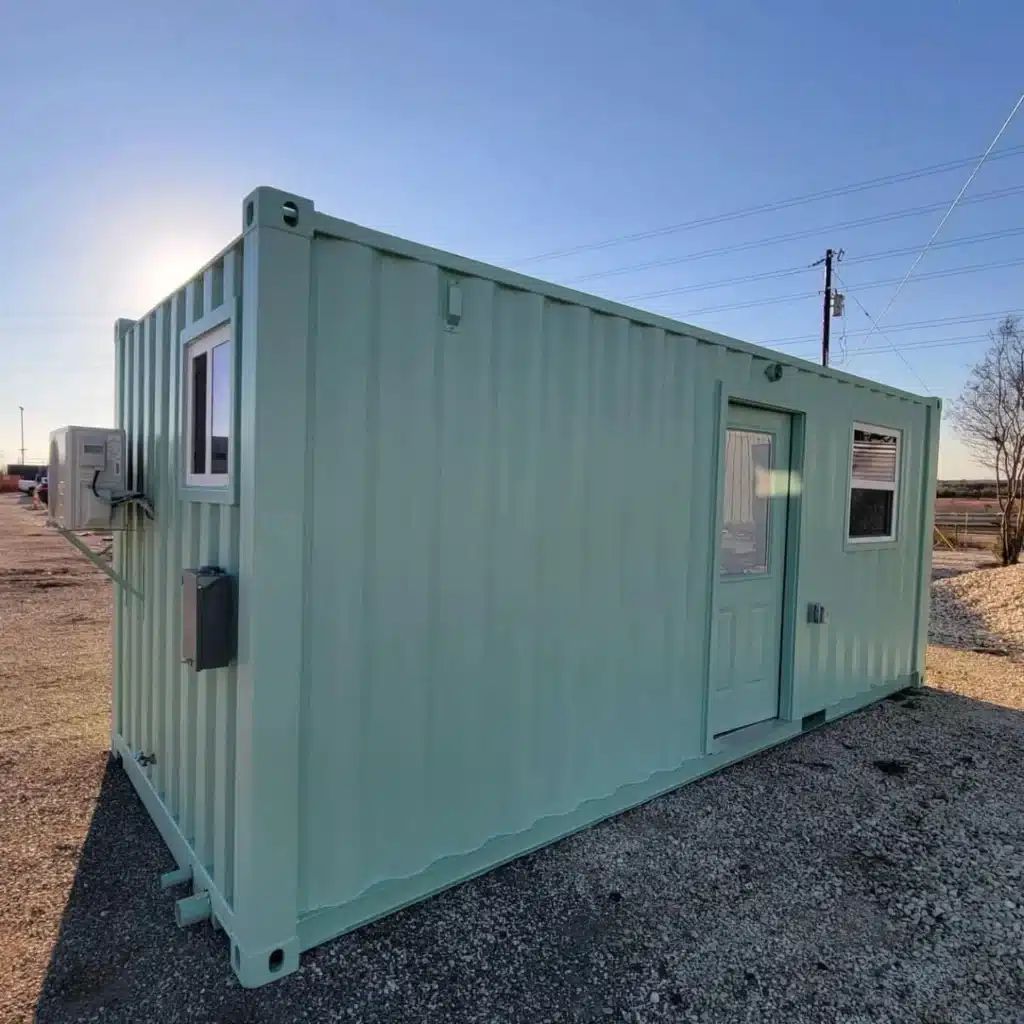
A shell is a modified box, often with windows, doors, and openings cut, that you fit out yourself or with a local contractor. You decide the layout, the insulation system, and the finishes, which is the appeal for anyone who wants a specific result. The tradeoff is time, coordination, and risk: you are managing trades, inspections, and a budget that can drift. Containers can be modified, windows, doors, insulation, and electrical, but custom interior work is its own project, not a box you unwrap. Turnkey costs more up front and finishes faster; a shell costs less up front and asks more of you.
What it costs to get livable
The unit price is the headline, but it is rarely the largest line once you add up what makes a box habitable. Budget for each of these separately so nothing surprises you on install day:
- The unit itself. A shell costs less than a turnkey home; size and condition move the number.
- Insulation and condensation control. Steel sweats. Without insulation and a vapor strategy, warm interior air hits cold steel and drips, so this is not optional in most climates.
- Electrical. Wiring, a panel, outlets, lighting, and an inspection. A licensed electrician and a permit usually apply.
- Plumbing and utility hookups. Water, sewer or septic, and power have to reach the unit. Distance from the existing house drives this cost more than the fixtures do.
- Foundation or footings. Most container homes sit on footings or piers rather than a full slab, but a sloped or soft lot needs leveling and proper bearing points.
- Delivery and permits. Transport to your address, plus the permit and inspection fees your city charges.
We will not quote a price here, because the honest answer depends on your unit, your site, and how far utilities have to run. What helps is getting the unit and delivery priced as one itemized quote, then pricing the site work, hookups, and permits separately with local trades, so you see the whole picture before you commit. For broader context on what the box alone runs, our cost guide breaks down the unit-only side.
Permits, zoning, and code
This is the part that decides whether the project happens at all, so handle it first. A container dwelling is held to the same building code as any home: structural, electrical, plumbing, and energy rules, verified by inspections. ADU rules in particular vary widely by city. Some areas have streamlined backyard ADUs and welcome them; others restrict size, setbacks, or whether you can rent the unit. You will deal with setbacks, the required distance from property lines, utility connection requirements, and a sequence of inspections as the work progresses. Before you buy anything, confirm with your local planning department that a container ADU is allowed on your lot and what it has to meet. This is general guidance, not legal advice, and your city and any HOA covenant are the final word.
Sizes: 20ft, 40ft, and combining units
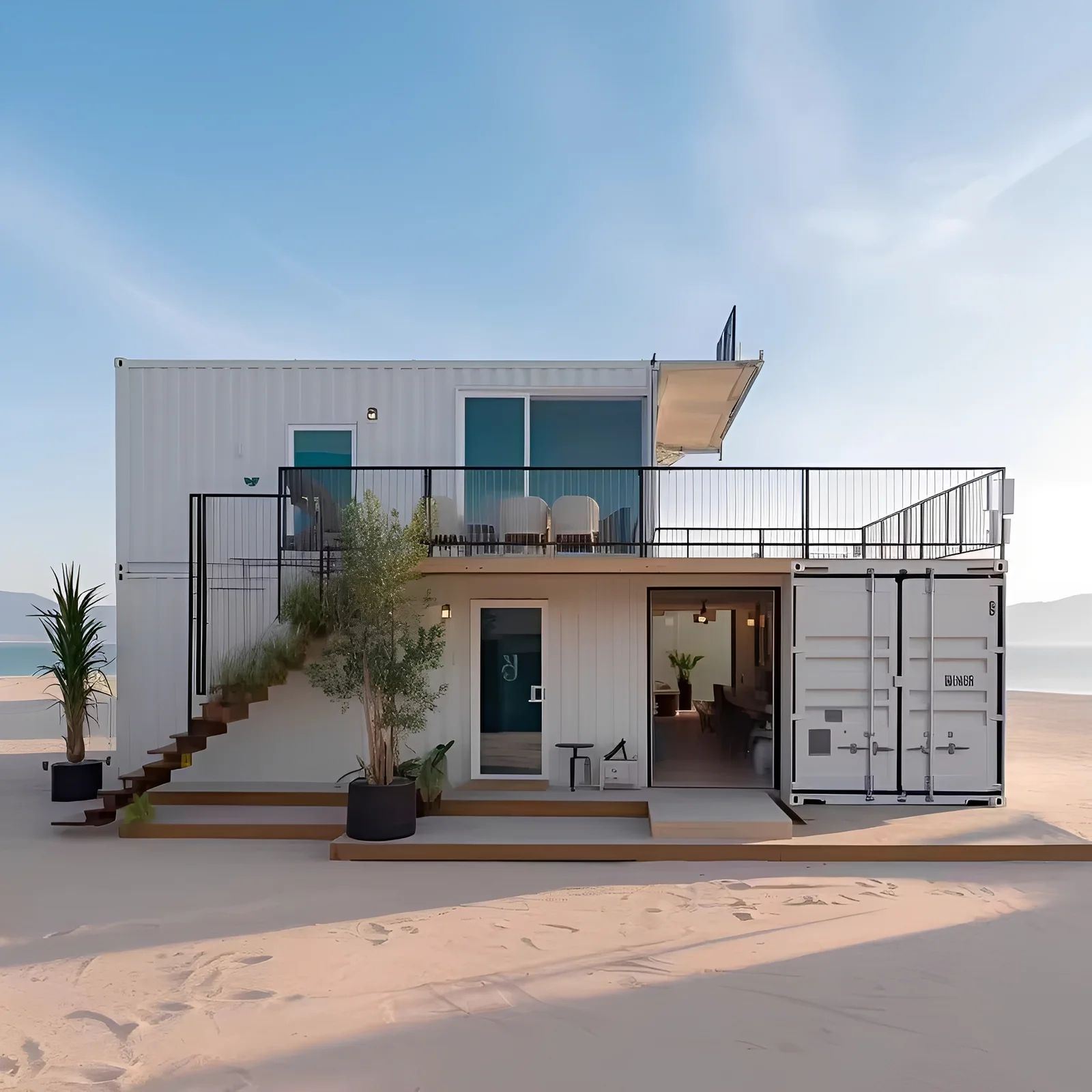
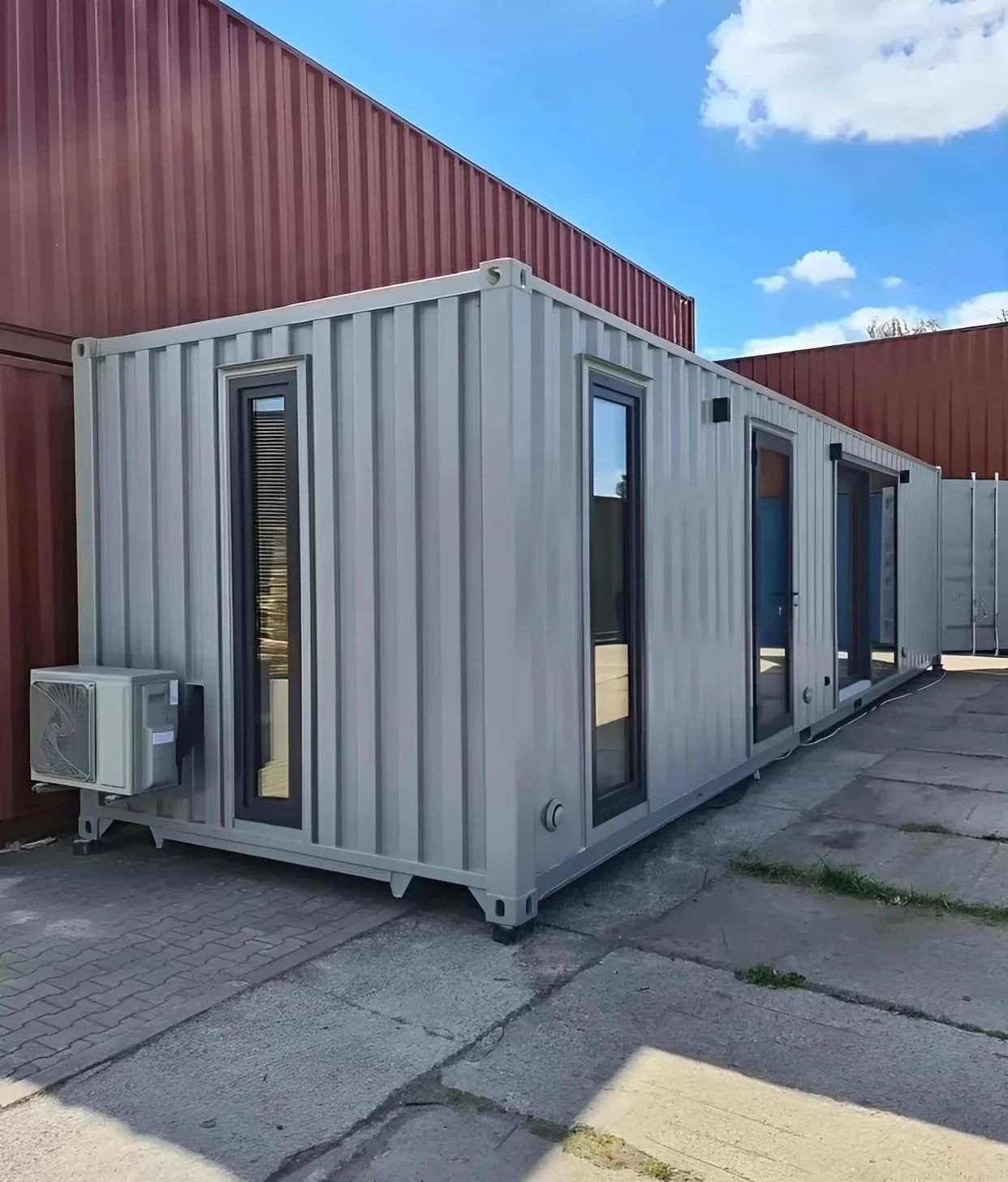
A 20ft unit gives you roughly 160 square feet of floor: enough for a studio, a home office with a bed, or a compact guest room with a small bath. A 40ft unit roughly doubles that and comfortably holds a 1-bedroom layout with a separate living area, kitchen, and washroom, like this 40ft container house with kitchen and washroom. When one box is not enough, units combine: two 40ft containers set side by side with the inner walls opened up create a wider, more house-like footprint, and a modular approach like a 40ft prefab modular container home is built around that idea. Combining adds cost and on-site structural work, so weigh it against simply buying the larger single unit.
If you are leaning toward a workspace instead of a place to sleep, the dwelling rules change and the fit-out is simpler. See container offices for the office-specific tradeoffs.
Tradeoffs and limits worth knowing
The speed and steel durability are genuine advantages, but they come with conditions. Steel is strong and resists rot and pests, yet it conducts heat and cold, so the insulation and condensation work that adds cost is also what makes the unit comfortable; skip it and you get a hot, sweating box. Financing and appraisal are the quieter risk: not every lender treats a container dwelling like a conventional home, and appraisers may have few local comparables, which can complicate a loan or a future sale. Width is a hard limit: the interior is about 8ft wide before insulation, which is narrow once you frame walls, so layouts run long and linear rather than open. Resale depends heavily on local acceptance and on how well the unit is finished. None of these rule a container home out; they are the questions to settle before you buy, not after.
Frequently asked questions
Are container homes cheaper than a regular house?
The unit itself is usually cheaper than building the same square footage conventionally, and a small ADU can come in well under a ground-up room addition. The savings shrink once you add insulation, utilities, a level base, and permits, so price the whole project, not just the box, before assuming it is the cheaper route.
Do I need a permit for a container home or ADU?
In almost every US jurisdiction, yes. A dwelling triggers building, electrical, and plumbing permits and inspections, and ADU rules vary by city. Confirm with your local planning department before you buy. This is general guidance, not legal advice.
How long does a container home take?
A turnkey unit is fast to set once the site is ready, often weeks rather than months, because the build happens off-site. The schedule that actually governs the project is permitting and site prep: utilities, a level base, and inspections take as long as your city and trades need.
Can you live in a 20ft container?
Yes, as a studio, office-bedroom, or compact guest unit. The 8ft interior width keeps it tight, so storage and layout matter. For a separate bedroom and living area, a 40ft unit or combined units is the more comfortable choice.
Get an itemized quote
If a container home or backyard ADU still fits after weighing the costs and the code, the next step is a real number. Tell us the size you are after and your address, and we will send a free, itemized quote for the unit plus delivery, with no hidden fees, so you can price site work and permits against it. Every unit is inspected and graded before delivery, and we reply within 1 business day. See our container homes and backyard ADUs page to compare turnkey and shell options and matched units.