How Much Does a Shipping Container Cost?
What drives shipping container prices in 2026 — size, condition, modifications, and delivery — plus tips to get the best value on your purchase.
 Editorial TeamEditorial Team4 min read
On this page
Shipping container prices move with size, condition, modifications, and how far the unit has to travel — and the honest answer to the price question is a quote, not a chart. Here's what actually drives the number on that quote in 2026, so you can read any seller's pricing like an operator.
Size: the biggest lever
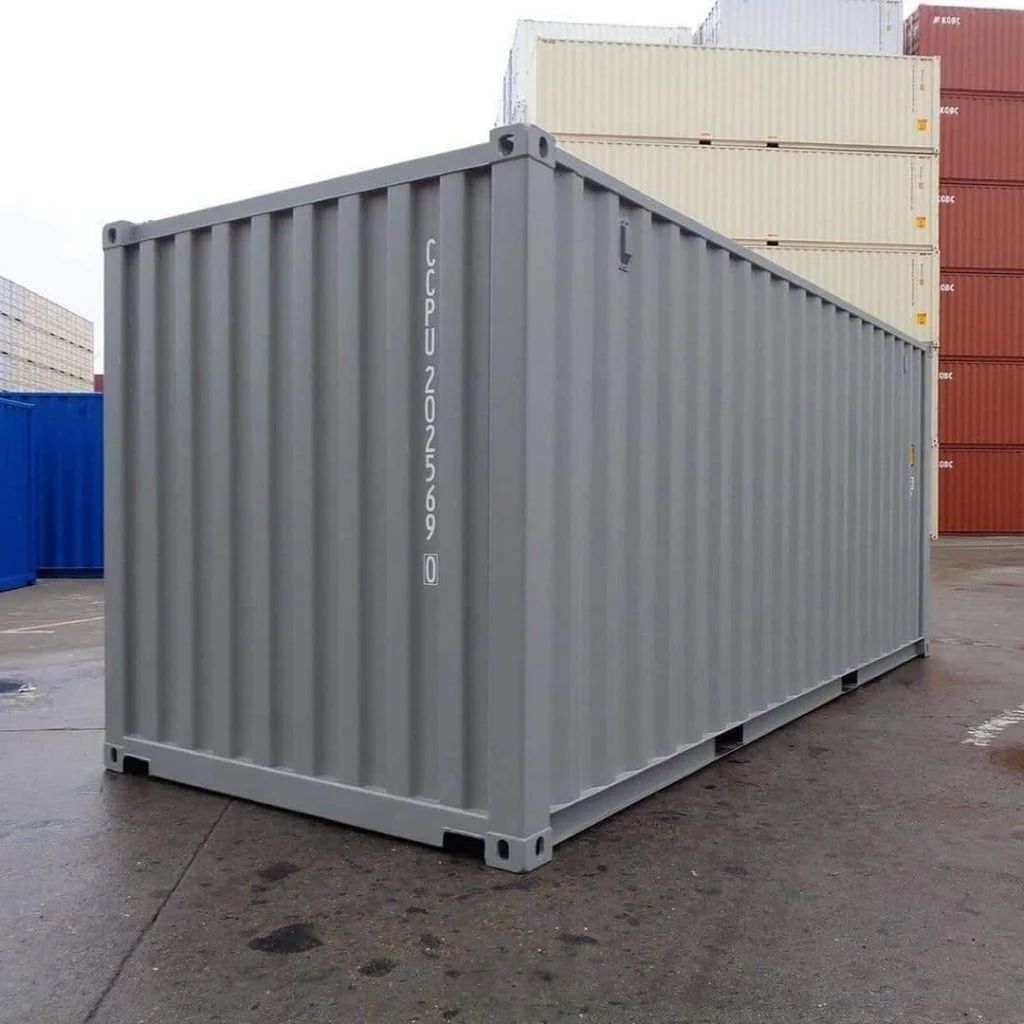
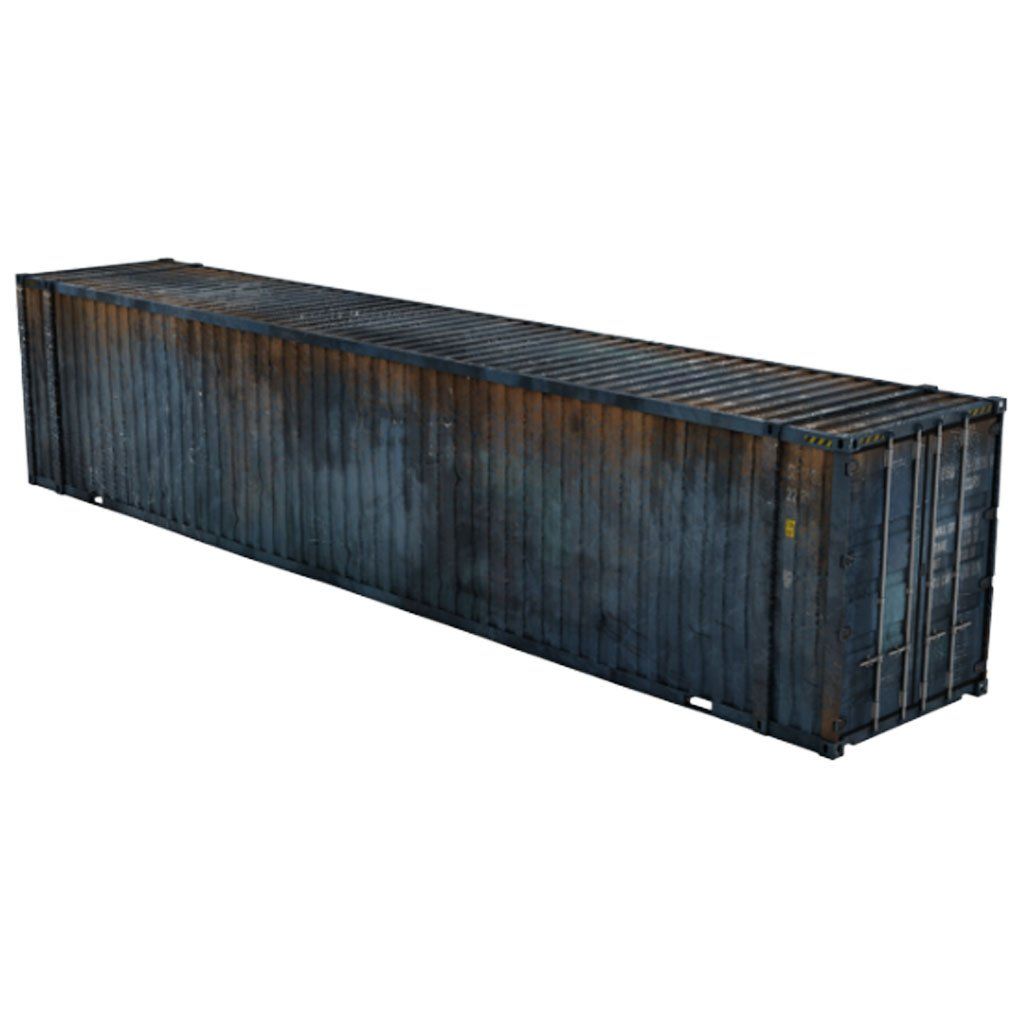
A used 20ft is the most affordable entry point; a new 40ft high cube sits at the top of the standard range. Doubling the length roughly doubles the steel but not the delivery, which is why 40ft units win on cost per square foot. A new 20ft one-trip standard dry container costs more than a used equivalent but lasts longer and looks the part.
High cube adds a foot of height — 9ft 6in against 8ft 6in — for a modest step up in price, which is why it's the default for conversions: headroom is cheap at purchase and expensive to retrofit. If the unit will ever be an office, a shop, or a workshop, price the high cube first.
Condition grade: where the spread lives
Condition moves price more than any option you can tick. One-trip units — shipped once from the factory overseas, the closest grade to new — carry the premium, because you're buying nearly the whole service life. Cargo-worthy (CW) units, inspected fit to carry cargo, sit in the middle. Wind and watertight (WWT) units cost less again, and as-is units — sold without repairs or guarantee — are the cheapest because the risk moves to you. Decide what the container has to look like and how long it has to last; that decision is most of your price.
Modifications are quoted to scope
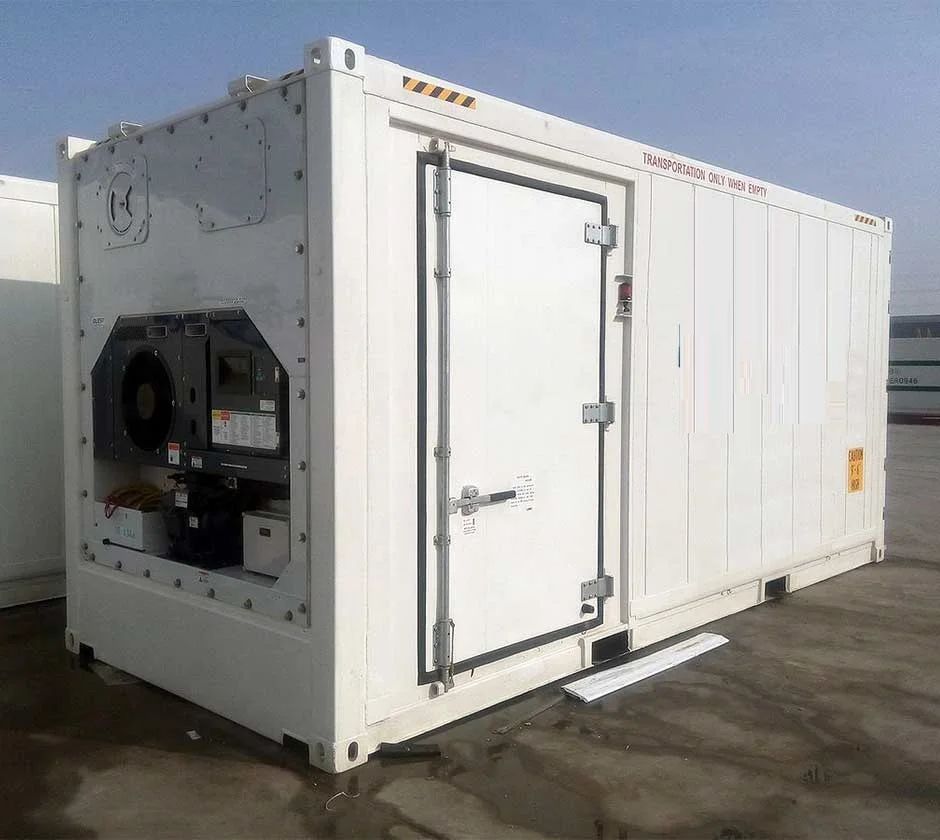
Every opening is fabrication: personnel doors, windows, roll-up fronts, vents. Insulation, lining, electrical, and HVAC each add labor and materials on top. None of it is exotic, but it compounds — which is why modification work is quoted to scope rather than from a menu. Specialized units like refrigerated containers carry a premium for their cooling systems before any custom work starts.
Delivery: distance and access
Delivery is priced by distance and by what the truck has to do when it gets there. A clear site with a straight run costs less to serve than a tight urban lot that needs careful positioning or a second attempt. Failed deliveries are the silent budget-killer — a redelivery fee is the cost of a truck that arrived before the site was ready. Bundle delivery into the container quote so the number you compare is the number you pay.
What doesn't change the price much
A few things buyers expect to matter usually don't. Color: nobody repaints a storage box for resale, and a previous line's livery is cosmetic. Minor dents: priced in with the grade, not itemized. Door count and direction: standard double cargo doors are the baseline everywhere. What does matter is anything that touches structure or fabrication — floors, openings, electrical — and anything that touches logistics. When a quote surprises you, the explanation is almost always in one of those two buckets.
Budgeting beyond the box
The container is the headline number, but a clean budget includes the lines around it. Site prep: a load of gravel for a soft pad costs little and prevents the redelivery fee that costs more. Security: a padlock is the minimum; a lockbox — the welded shroud that protects the padlock from bolt cutters — is the standard upgrade. Fit-out: shelving and lighting turn a box into a working store room, and they're cheaper planned than retrofitted. And if the container might move sites later, keep the placement accessible and the paperwork handy. None of these change the quote; all of them change the project.
Why prices move over time
Container pricing isn't fixed the way retail is. New-unit supply tracks factory output and import flows; used supply tracks how many boxes shipping lines retire. Steel prices set the floor under everything. That's why a quote carries a date — and why timing a purchase by a few months can matter more than haggling. If your timeline is flexible, say so in the quote request; flexibility on the delivery window is sometimes worth real money.
How to compare quotes like an operator
Three checks before you compare numbers. First: is the quote all-in — unit, delivery, and taxes — or unit-only with delivery to follow? Second: is the condition grade stated in writing? A cheap quote for an ungraded box isn't cheap. Third: what happens if the site isn't ready — does the quote name the redelivery terms? And keep the comparison honest on grade: a CW quote against a WWT quote isn't a price difference, it's a product difference.
Our listed prices are live on every product page, and the quote behind them is free and itemized — we'll break down every cost line by line. Request a free quote with your ZIP code and what the container needs to do.