New vs Used Shipping Containers: Which Should You Buy?
One-trip vs used shipping containers: compare condition, price, and lifespan to decide which is the smarter buy for your budget and use case.
 Editorial TeamEditorial Team4 min read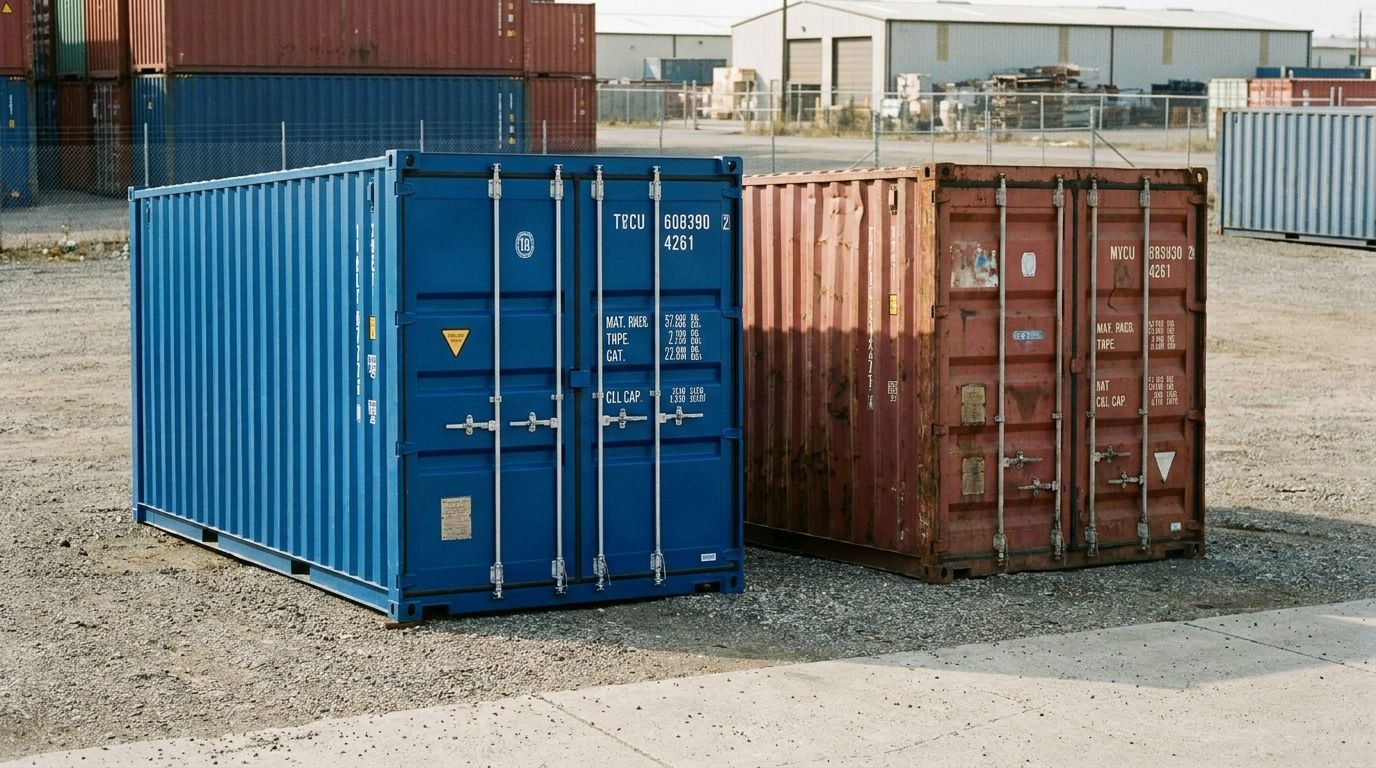
On this page
Both a new container and a used one can hold up for decades — steel doesn't care much about age. What changes is the condition you start from, the price you pay for it, and how the unit looks sitting on your site. Here's the difference between the grades, where the price gap actually comes from, and a straightforward way to decide which side of the line your project sits on.
What one-trip actually means
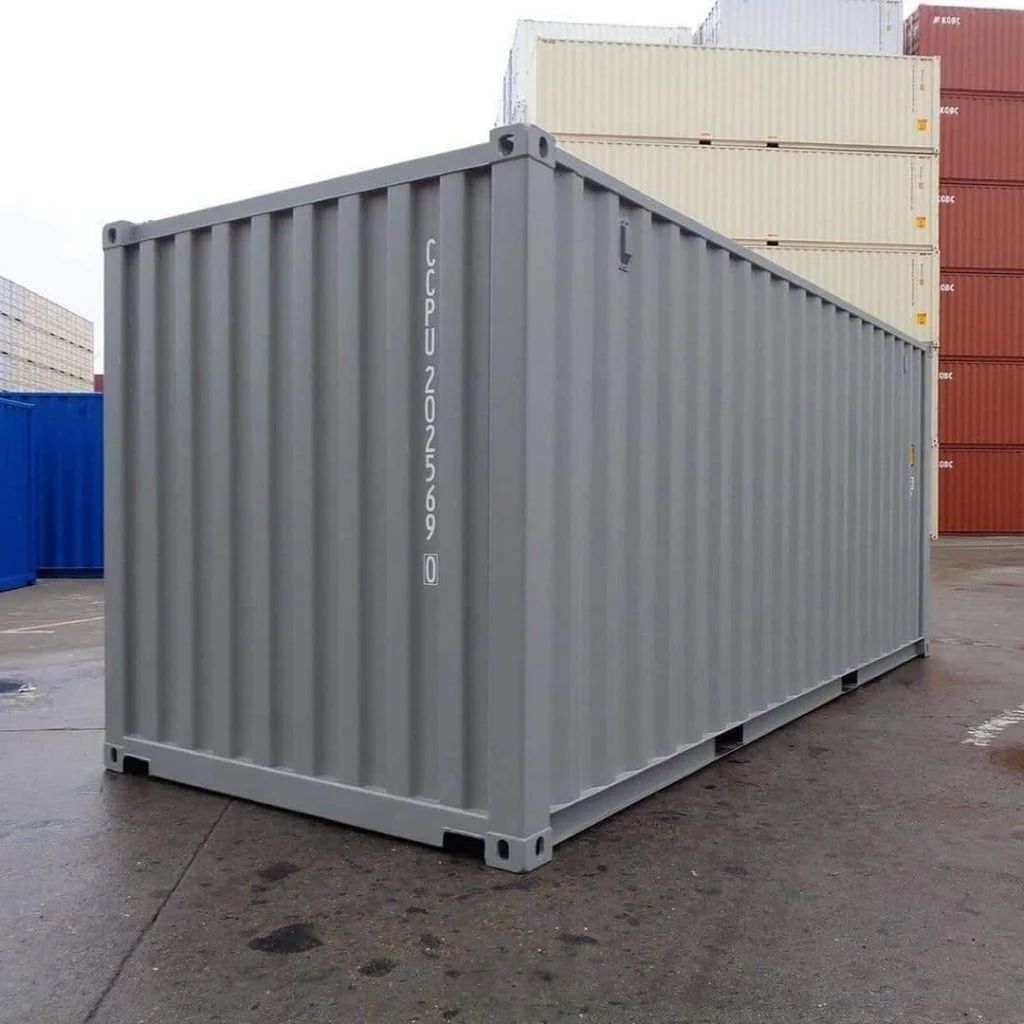
There's no such thing as a factory-direct shipping container in the US — every unit crosses the ocean as paid freight at least once. A one-trip container is shipped once from the factory overseas, then sold: the closest thing to new you can buy. Expect tight door seals, a clean interior, straight panels, and at most minor handling marks from that single voyage.
One-trip is the grade to buy when the container will be seen and judged. Our 20ft one-trip standard dry container is the go-to when appearance matters — retail conversions, customer-facing storage, offices, or any unit parked where clients walk past it.
The used grades: CW, WWT, and as-is
Used containers are sold by grade, and the grade names mean specific things. Cargo-worthy (CW) is the standard grade for good used units: inspected fit to carry cargo, with structurally sound doors, floor, and seals. A CW unit has years of service behind it and honest cosmetic wear to show for it — surface rust, dings, and faded paint, with the structure and weather seal intact.
Wind and watertight (WWT) sits a step below: the unit keeps rain and weather out and is sound for storage, but it isn't certified for ocean transport. For a container that will sit on a site holding tools or inventory, WWT is often all the grade you need. As-is means exactly that — sold without repairs or guarantee, priced accordingly. It can be a bargain for a paint-and-patch project, but walk in expecting work.
Where the price difference comes from
A one-trip unit carries a premium for one reason: you're buying nearly all of the container's service life, plus the cosmetics. A used unit has already done its years at sea, so you pay for what's left — which, for storage purposes, is still measured in decades. Between the used grades, price tracks the inspection standard: CW costs more than WWT, and as-is costs the least because the risk transfers to you. Modifications, delivery distance, and market timing move the number too, but condition sets the baseline.
Whatever the grade, the listing should say it plainly. Every container we list states its condition grade and dimensions up front, and units are inspected and graded before delivery — so the box that arrives matches the box you priced. If a seller anywhere can't name the grade, treat that as information too.
Lifespan and maintenance, honestly
A container's enemies are rust and standing water, not years. A one-trip unit starts with intact factory paint, so it goes longest before needing attention; expect to touch up scratches and watch the roof where water can pool. A used unit arrives with wear already showing — plan to wire-brush and seal any active rust patches, and keep the door gaskets clean so the seal stays tight. Floors last when they stay dry: sweep out spills, and park the unit on level, compacted ground so water drains away rather than under it. None of this is exotic — it's the same maintenance schedule as a steel gate.
How to decide
Start with where the container will live. If it's customer-facing — a shop, an office, a branded site — buy one-trip and skip repainting a used shell. If it's job-site or back-lot storage, a CW or WWT unit does the same work for less, and the first scratch won't hurt.
Then think in years. Either grade outlasts most projects, but a one-trip unit gives you the longest runway before maintenance and holds its value better if you expect to sell it on. On a tight budget with a short timeline, used wins on plain economics.
And match the grade to the modification plan. If you're cutting openings, insulating, and lining the interior, a CW shell often makes more sense than a one-trip — the fabrication covers the cosmetics anyway. Keep one-trip for builds where the steel itself stays on show.
Common mistakes when choosing
Three mistakes show up over and over. The first is paying the one-trip premium for a unit that's about to be cut, insulated, and lined — the fabrication hides the cosmetics you paid for. The second is the reverse: parking a faded, dinged used box at a customer-facing entrance to save money, then repainting it at retail rates and erasing the saving. The third is comparing a CW price against a WWT price as if they were the same product — they aren't, and the cheaper number wins arguments it shouldn't. Decide the job first and the grade second, and the price conversation gets short.
The fastest way to settle it is with real numbers: we'll quote both so you can compare, side by side. Request a free quote and tell us what the container needs to do.