Shipping Container Sizes Guide: 20ft vs 40ft vs High Cube
Compare 20ft, 40ft, and high cube shipping container dimensions, capacity, and best uses so you can choose the right size for your project.
 Editorial TeamEditorial Team4 min read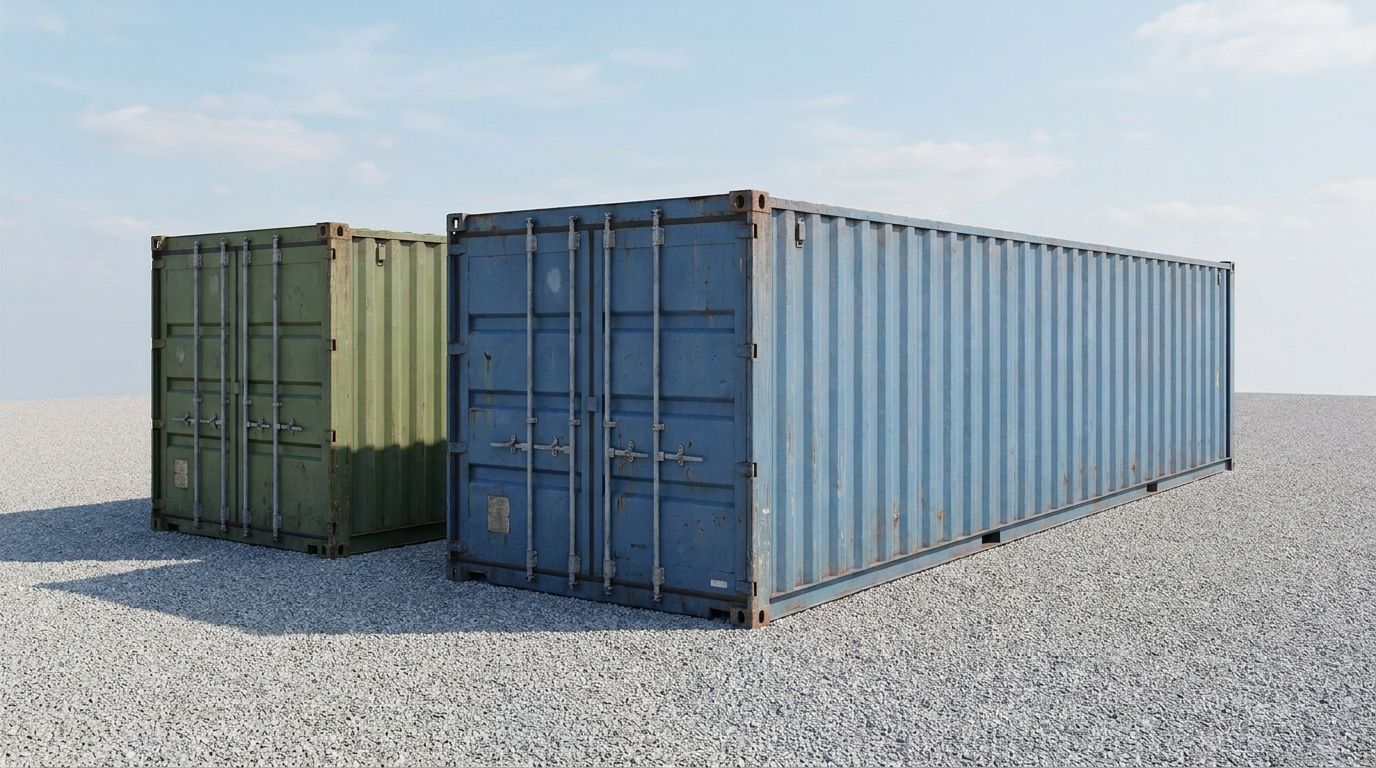
On this page
Choosing the right shipping container starts with size. The three most common options — the 20ft standard, the 40ft standard, and the high cube — each suit different projects, budgets, and sites. Here's how the dimensions compare, what you actually get inside, and how to choose when the tape measure disagrees with the wish list.
The standard sizes at a glance
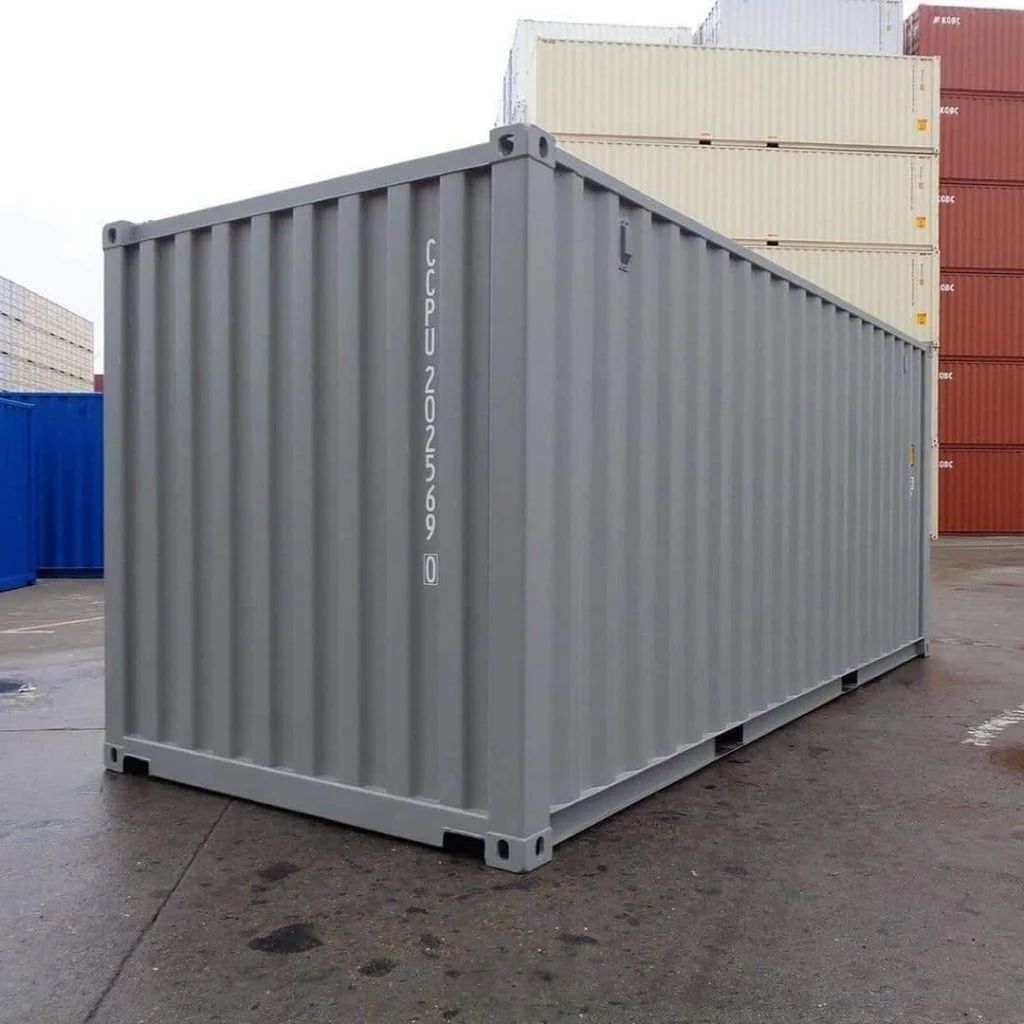
Containers are built to the ISO standard, so the numbers are the same everywhere. A 20ft unit runs 20ft long by 8ft wide by 8ft 6in tall — about 160 sq ft of floor. The 40ft keeps the width and height and doubles the length: roughly 320 sq ft in a single drop. Our 20ft one-trip standard dry container is a popular new option in the smaller footprint.
Interior space: what you actually get
Corrugated walls and the door frame cost you a few inches in every direction. Inside a standard 20ft, expect roughly 19ft 4in of length, 7ft 8in of width, and 7ft 10in of headroom. That headroom number is the one that surprises people — a standard container clears most shelving and a tall person, but racking, ductwork, or a finished ceiling eat it fast. Weight is rarely the constraint for storage: a 20ft carries far more payload than most projects will ever load into it. Exact figures for a specific unit are on its listing.
High cube: the extra foot
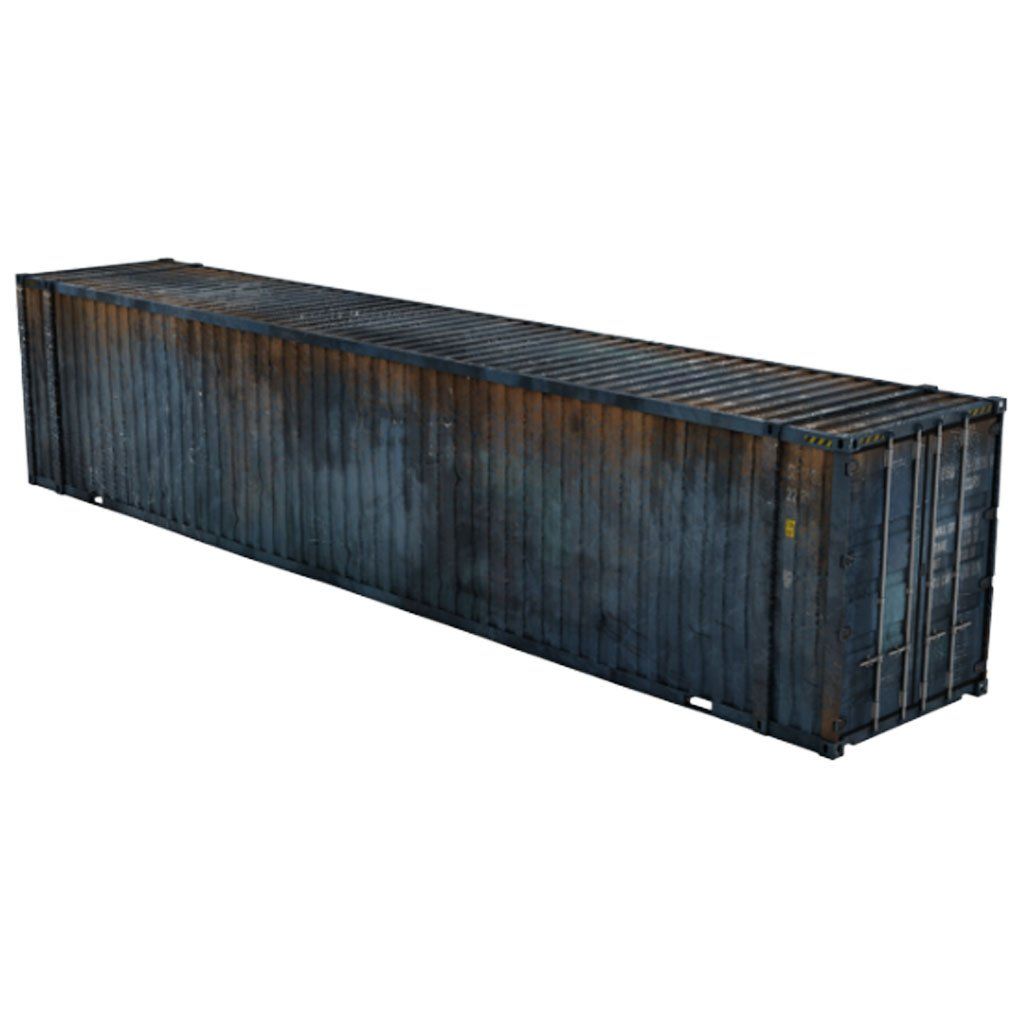
A high cube is one foot taller than a standard container — 9ft 6in against 8ft 6in — and identical in footprint. The extra foot clears racking, mezzanine framing, HVAC ducting, and the insulated ceiling that makes a conversion feel like a room. Because the footprint doesn't change, a high cube sits on the same pad and arrives on the same truck; you're buying headroom, not real estate. High cubes are most common in 40ft lengths.
Footprint math for real sites
A 20ft container occupies roughly the footprint of a single parking bay; a 40ft takes two end to end. That makes parking-lot math the quickest sanity check: count the bays you could give up, and you know what the site can host. Remember the doors need swing room and you need walking room — leave clear space at the door end beyond the box itself, and don't park the container so tight to a fence that the far door becomes decorative. Vertical storage changes the math too: shelving up a high cube's walls can return more usable space than adding floor area.
Sizing for conversions vs storage
Storage forgives; conversions don't. For plain storage, buy the size that holds the inventory and fits the pad — done. For an office, shop, or workshop, work backwards from the finished interior: insulation and lining cost inches, partitions cost feet, and the high cube's extra foot is the difference between a ceiling you notice and one you don't. It's also why converted units are nearly always high cubes — the headroom is bought once at purchase and impossible to add later.
Doors and the shape of daily use
Length changes how you use the box, not just how much fits. Standard double cargo doors sit at one end, so a 40ft unit is deep storage: what goes in last comes out first, and the far end is a long walk. If you'll need everything weekly, a 20ft — or a 40ft with a modified side door — keeps contents reachable. Plan the loading order the way you'd pack a moving truck: seasonal and rare items to the blind end, working stock by the doors.
Other sizes you'll see
The industry also builds 10ft and 45ft units, and you'll meet both in listings elsewhere. The 10ft is a cut-down niche box that often costs nearly as much as a 20ft to make and move; the 45ft adds length that few sites can host. We list the common sizes because that's where supply and value live — if your project genuinely needs an outlier, ask and we'll tell you what it takes.
Choosing by site, not just by need
The site votes before you do. A longer unit needs a longer straight run for the delivery truck to off-load, and a tight lot that hosts a 20ft easily can make a 40ft drop genuinely hard. Measure the pad, then the approach. If the placement is tight, two 20ft units sometimes beat one 40ft — they're easier to site, they can face different directions, and you can move one later without emptying both. Door orientation is part of the same decision: pick which way the doors face before the truck is booked.
Which size should you choose?
If you're tight on space or budget, start with a 20ft — it fits a parking-bay-sized pad and handles most storage jobs. If you need room to grow or plan to modify the unit, a 40ft high cube delivers the best value per square foot and the headroom finished interiors need. Request a free quote and we'll match the size to the project and the site.