Reefer Containers Explained: How Refrigerated Shipping Containers Work
How a reefer keeps cargo cold: the cooling unit, insulation, temperature ranges, power and genset needs, common uses, and new vs refurbished tradeoffs.
 Editorial TeamEditorial Team8 min read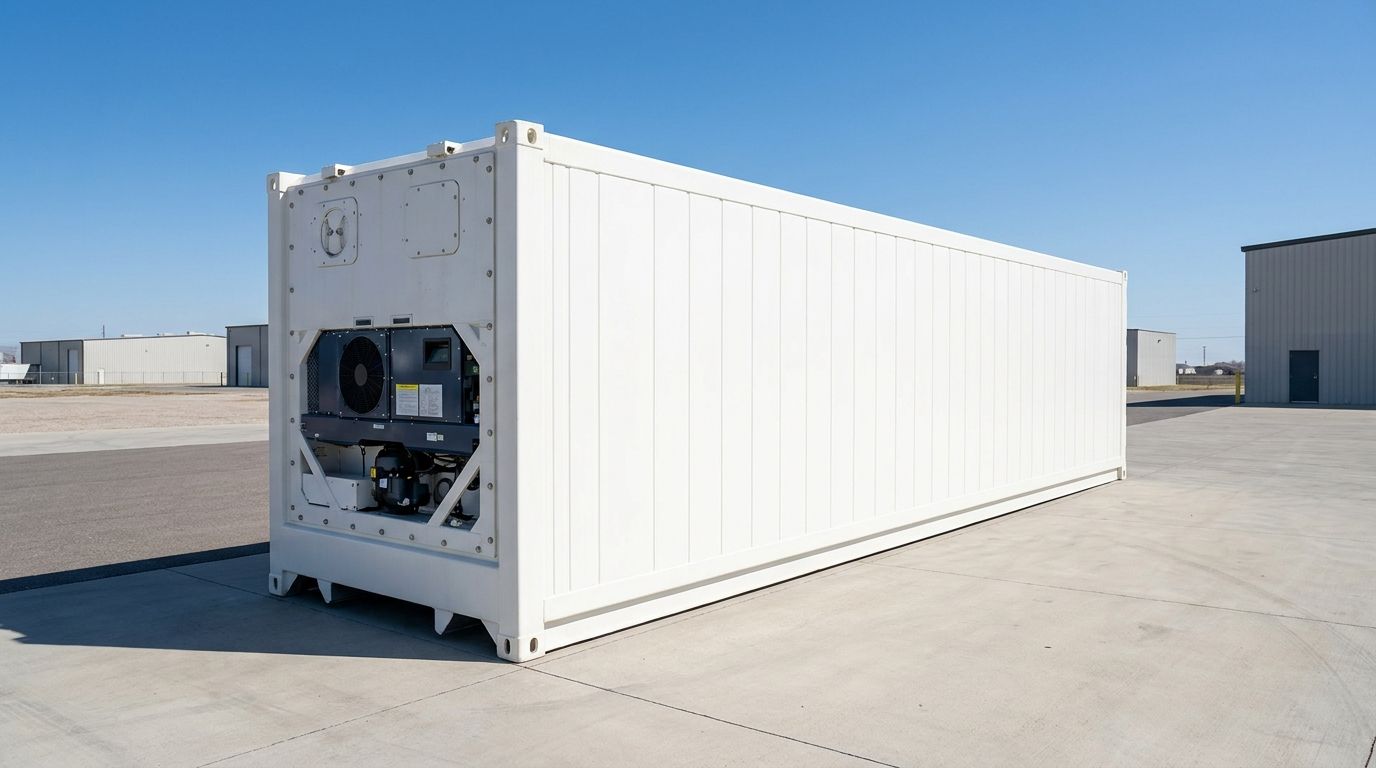
On this page
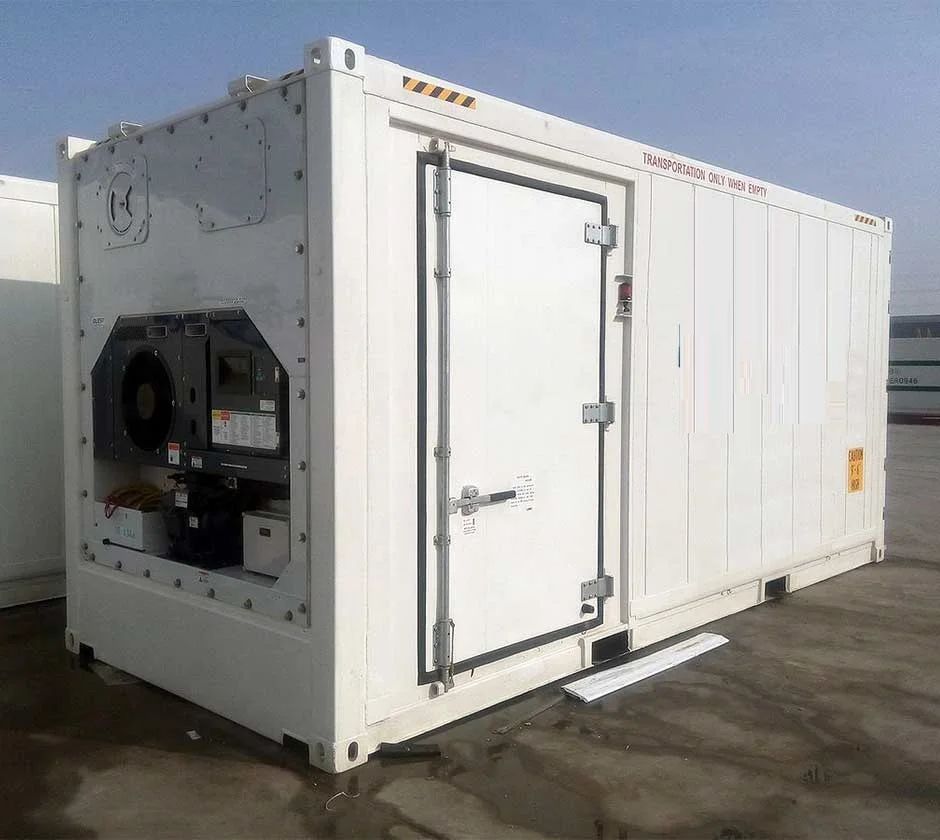
A refrigerated shipping container — a reefer, the industry's short name for a refrigerated container — is a standard steel shipping box with an integrated cooling unit and insulated walls. It is built to hold a set temperature anywhere from deep-frozen to slightly above ambient, whether it is moving across an ocean or parked on your site as cold storage. If you are weighing one for a farm, a restaurant, a lab, or a distribution yard, it helps to understand what is actually doing the work behind that steel door.
This guide walks through how the cooling unit and insulation keep cargo cold, the temperature ranges a reefer can hold, the power and genset needs, the most common cold and frozen storage uses, the difference between new and refurbished units, and the factors that drive running cost. The numbers here are general industry guidance, not a quote — your unit, climate, and contents decide the specifics.
Quick answer
A reefer works like a precision walk-in freezer built into a shipping container. An integrated refrigeration unit on the front wall pulls heat out of the box and pushes chilled air through the cargo, while insulated walls, floor, and doors slow heat from leaking back in. A thermostat holds the set point — commonly anywhere from roughly -20degF to 70degF depending on the model — and the unit runs on 3-phase electrical power, either from a grid hookup or a diesel generator (genset) when no hookup is available.
How the cooling unit and insulation work
The refrigeration machinery sits in the front wall of the container as a single integrated unit. It runs a standard refrigeration cycle: a compressor pressurizes refrigerant, a condenser sheds the heat outside the box, and an evaporator absorbs heat from the air inside. The result is a stream of chilled air the unit drives through the container.
That air does not blow loosely over the cargo. The floor of a reefer is a T-shaped aluminum grating, called a T-floor, that lets cold air travel the length of the container underneath the load, rise up through and around it, and return to the unit. This bottom-air-delivery design keeps the temperature even from the doors to the front wall — which is why cargo inside a reefer is loaded to allow airflow, not packed solid to the ceiling.
The insulation is what makes the cooling practical. Reefer walls, roof, floor, and doors are filled with foam insulation, and the door seals (gaskets) are heavier than on a dry container. A standard reefer carries roughly 4 to 5 inches of wall insulation, so the interior is slightly narrower and shorter than a same-size standard dry container — the general-purpose steel container for dry cargo. That lost space is the tradeoff for holding temperature: the better the box is sealed and insulated, the less the cooling unit has to run.
Why airflow matters more than raw cooling power
A reefer maintains an air temperature, not a product temperature. It is built to hold cargo that arrives already at the right temperature, not to chill a warm load quickly. If you load warm product, or block the floor channels, or open the doors often in summer heat, the unit works harder and the temperature drifts. Plan loading and door discipline around that, and a reefer holds its set point reliably.
What temperature ranges can a reefer hold?
Most reefer units hold a set point across a wide band — commonly from roughly -20degF on the frozen end up to around 70degF for produce or controlled ambient storage. That covers the great majority of cold and frozen use cases, from ice cream to fresh greens.
Specialized units reach further. Deep-freeze and "super-freezer" reefers used for products like seafood and pharmaceuticals can run well below -20degF, and units with controlled-atmosphere or humidity controls add features for sensitive produce. Treat any specific low-temperature need as a spec question — the exact floor depends on the make and model, so confirm it for your contents rather than assuming every reefer reaches the same minimum.
What power and generator (genset) does a reefer need?
A reefer's cooling unit runs on 3-phase electrical power. On a fixed site, that usually means a dedicated 3-phase hookup installed by a licensed electrician — single-phase household power is generally not enough to run the unit as designed. This is the single biggest site-prep difference between a reefer and a standard dry container, which needs no power at all.
Where no suitable hookup exists — a remote farm, an event, a job site, or a unit in transit — the reefer runs off a generator, called a genset, sized to the unit's draw. Gensets can be clip-on units that attach to the container or standalone trailer-mounted generators. Running on a genset means budgeting for fuel and routine generator maintenance on top of the container itself.
Because the unit must run continuously to hold temperature, plan for power as an operating requirement, not a one-time setup. A backup plan for outages matters when the cargo is perishable.
Common uses: cold and frozen storage
Reefers earn their keep wherever temperature-controlled space is needed without building a permanent cold room. Common uses include:
- Frozen storage — overflow freezer capacity for food distributors, seafood, meat, and ice cream, held at deep-freeze set points.
- Chilled storage — produce, dairy, beverages, and floral stock held just above freezing.
- Restaurant and grocery overflow — extra cold and frozen capacity during peak season or a remodel.
- Farm and agriculture — on-site cooling for harvested produce before it ships.
- Pharmaceutical and lab storage — temperature-sensitive materials in units with tight, monitored control.
- Events and disaster response — portable refrigeration where there is no fixed cold room, typically on a genset.
The same feature that makes a reefer useful — it holds temperature anywhere you can power it — is why it is often chosen over a built cold room: it is mobile, it is self-contained, and it can be relocated or returned when the need ends.
New (one-trip) vs refurbished reefers
Reefers come in two practical grades for buyers. A one-trip reefer — shipped once from the factory overseas, then sold, the closest thing to new — has the freshest cooling unit and the longest service life ahead of it, at the highest price. A refurbished reefer — professionally repaired, repainted, and serviced to working condition with a serviced cooling unit, tested and working — costs less and suits most stationary cold and frozen storage, where the unit runs in one spot rather than crossing oceans.
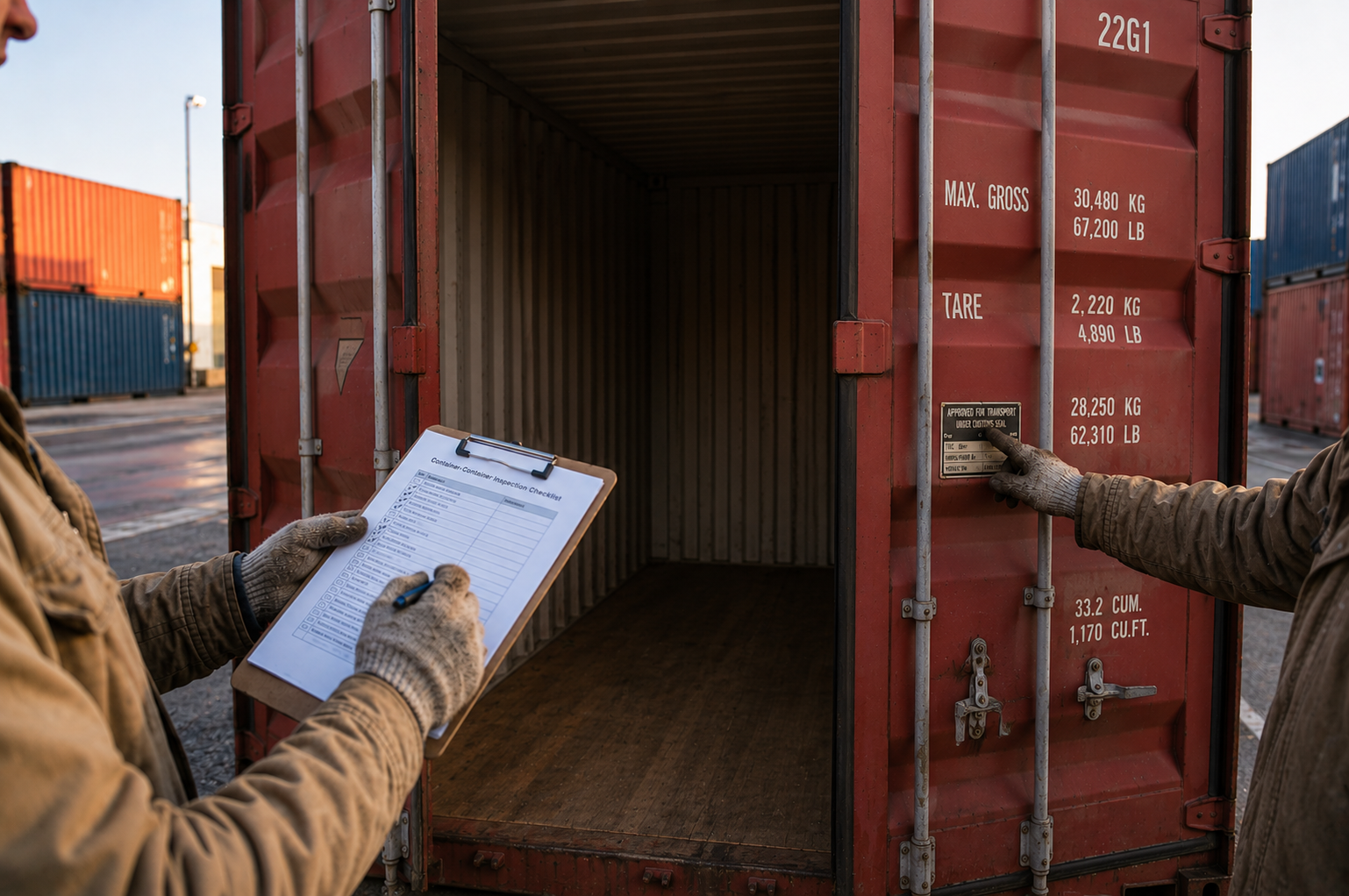
The deciding question is not age alone but the state of the cooling unit. On any used reefer, the machinery matters more than the paint: a sound, recently serviced unit on an older box is a better buy than a tired unit on a clean-looking one. Whatever the grade, every container we sell is inspected and graded before delivery, and on a reefer that inspection includes confirming the cooling unit runs and holds temperature.
If you are comparing reefer sizes against standard dry or high cube options for the same footprint, our shipping container sizes guide lays out the interior dimensions side by side so you can see what the insulation costs you in usable space.
What drives a reefer's running cost?
A reefer's price to buy is only part of the picture; the operating factors below decide what it costs to run.
- Power draw — the unit runs continuously, so electricity (or genset fuel) is the largest ongoing cost. A grid hookup is usually cheaper to run than a diesel genset over time.
- Set point — holding a deep-freeze temperature takes more energy than chilling just above freezing, so frozen storage costs more to run than chilled.
- Climate and exposure — a unit in direct sun in a hot climate cycles harder than one in shade or a mild region. Shade and good airflow around the box help.
- Insulation condition — worn door gaskets or damaged insulation let heat in and force the unit to run more, which is part of why the inspection step matters.
- Maintenance — the cooling unit (and any genset) needs routine servicing to run efficiently and avoid failures that put cargo at risk.
We don't publish a running-cost figure here because it depends entirely on your set point, climate, contents, and power source — the honest answer is that those inputs decide it, and a site review is how you pin it down.
Frequently asked questions
Can a reefer keep things frozen, or only cold?
Both. Most units hold a set point across a wide band, commonly from roughly -20degF up to about 70degF, so the same container can run as a freezer or a chiller depending on the temperature you set. Deep-freeze models go lower; confirm the floor for your contents.
Do I need special power for a refrigerated container?
Usually yes. The cooling unit runs on 3-phase electrical power, which on a fixed site means a dedicated hookup installed by a licensed electrician. Where no hookup exists, the unit runs on a generator (genset) sized to its draw.
How long can a reefer hold temperature if the power goes out?
The insulation buys time, but a reefer maintains temperature by running continuously, not by storing cold. For perishable cargo, plan for a backup power source rather than relying on the box to coast through an outage.
Is a refurbished reefer reliable for storage?
For stationary cold and frozen storage, yes — provided the cooling unit has been serviced and tested. On a used reefer the state of the machinery matters more than the paint, which is why the unit is inspected and confirmed to hold temperature before delivery.
If a reefer fits your project, the 20ft refrigerated container is a refurbished unit with a serviced cooling unit, tested and working, and it is quoted to your site and contents — reefers are typically delivered in 7–10 business days. Browse the full refrigerated containers range to compare options, and tell us your set point, location, and power situation when you reach out. We reply within 1 business day.