How Long Do Shipping Containers Last? Lifespan, Rust and Maintenance
A realistic look at how long shipping containers last, what drives rust and corrosion, and the maintenance that adds years of service life.
 Editorial TeamEditorial Team7 min read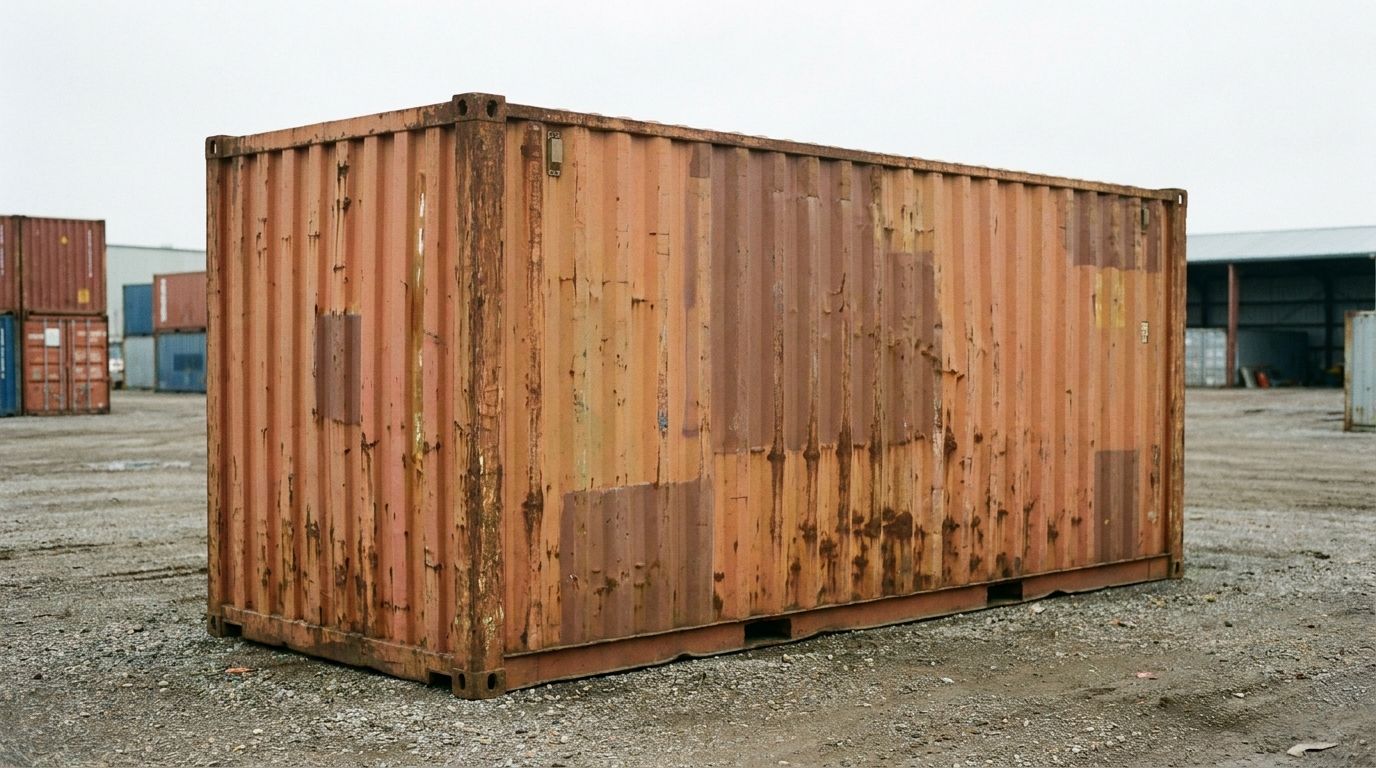
On this page
A shipping container is a sealed steel box engineered to survive years at sea, stacked nine high and sprayed with salt water the whole way. That same engineering is why a container parked in your yard can outlast most timber sheds and prefab outbuildings. The honest question is not whether it lasts, but how long, under what conditions, and what you have to do to get there.
The answer depends on three things: the grade you start with, the climate it sits in, and whether anyone touches up the steel before rust takes hold. A new unit left untouched in a dry climate behaves very differently from a 12-year-old box parked on bare wet ground. Below are realistic ranges, the corrosion mechanics behind them, and the short maintenance routine that does most of the work.
Quick answer
A shipping container used for storage on land typically lasts 15 to 30 years, and often longer with basic upkeep. A new (one-trip) container — shipped once from the factory overseas, then sold — starts that clock fresh and commonly stays sound for 25 years or more. A used cargo-worthy unit already has road and sea years behind it, so plan on the lower-to-middle part of the range. Rust is the limiting factor, and almost all of it is preventable with airflow, drainage, and occasional touch-up paint.
How long do new versus used containers last?
The starting grade sets your baseline, because corrosion is cumulative — every year already spent in salt air is a year you inherit.
New (one-trip) containers
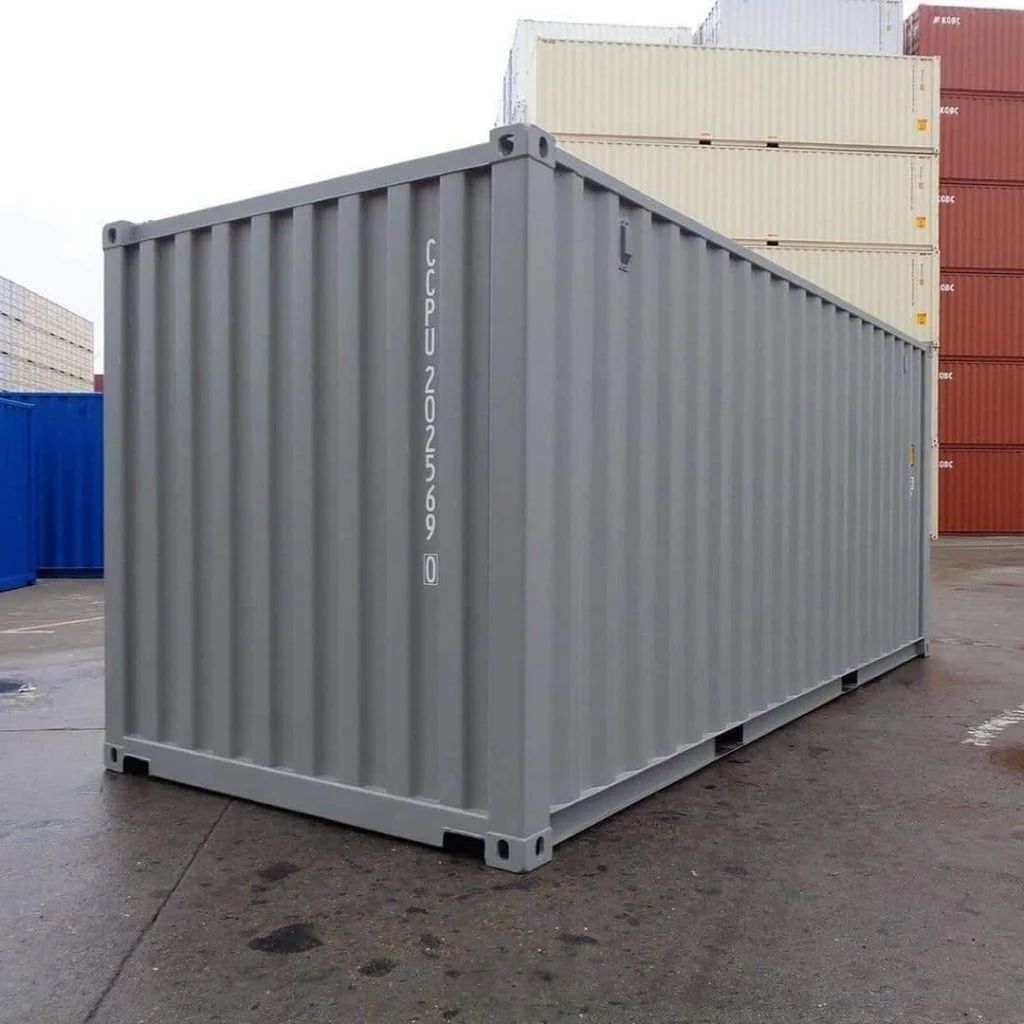
A one-trip container has made a single loaded voyage from the factory before resale, so the steel, paint, and seals are close to factory condition. On land, away from constant ocean salt, these units commonly serve 25 years or more before structural steel work is needed. They carry the thickest remaining paint and the least existing corrosion, which is why a one-trip unit is the longest-lived option if you intend to keep the container for decades. Our 20ft standard dry one-trip container is the general-purpose steel container for dry cargo and storage, sold in that near-new grade.
Used containers (cargo-worthy and WWT)
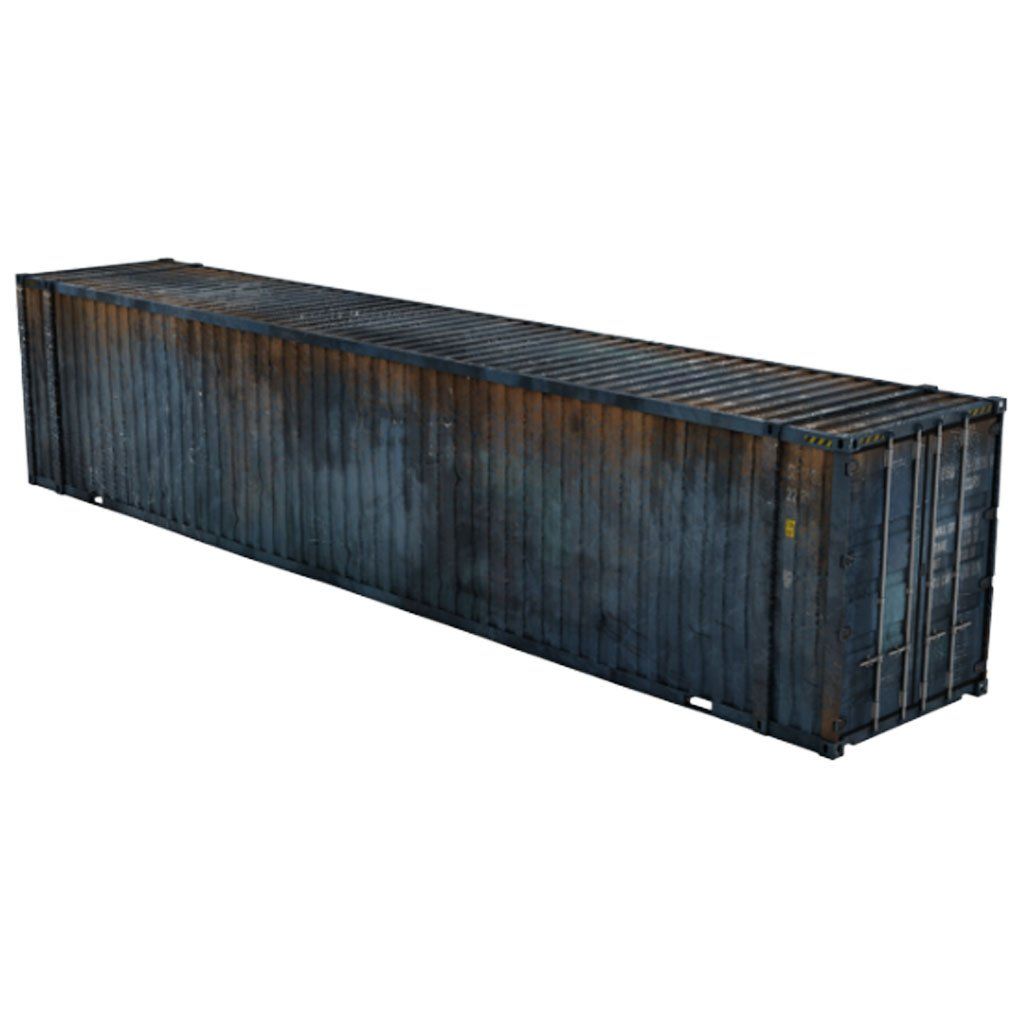
Used units split into grades. A cargo-worthy (CW) unit — inspected fit to carry cargo, with structurally sound doors, floor, and seals — is the standard grade for good used stock and still has many service years left for storage. A wind and watertight (WWT) unit keeps rain and weather out and is sound for storage, though not certified for ocean transport. Both will already show cosmetic wear and some surface rust; that is normal and not the same as structural failure. A used high cube — one foot taller than a standard container (9ft 6in), adding usable vertical space — like a 40ft high cube used container gives you more interior volume at a used-grade price, with the understanding that it has prior years on the steel.
If you are weighing the tradeoff between starting grades, our guide to new versus used shipping containers walks through the cost and condition math in detail.
What causes rust and corrosion?
Containers are built from Corten (weathering steel), which forms a stable surface patina that slows further corrosion. That protection is real but not unlimited. Rust accelerates wherever water sits and air cannot dry the steel.
The usual culprits, in rough order of how much damage they do:
- Standing water and poor drainage. A container set directly on wet, uneven ground traps moisture against the underside. The floor cross-members corrode from below, where you never see it until it is advanced.
- Trapped interior humidity ("container rain"). Warm humid air condenses on the cold steel ceiling overnight, then drips onto contents and pools in corners. Without airflow, the interior rusts faster than the exterior.
- Coastal salt air. Salt is hygroscopic — it holds moisture against the steel and speeds the reaction. Units near the ocean need more frequent inspection than inland ones.
- Scratches and chips that break the paint. Bare steel at a gouge or a drilled hole rusts first. Cut edges from modifications are a common starting point.
- Dissimilar-metal contact. Steel touching aluminum or copper fittings without isolation sets up galvanic corrosion at the joint.
None of these are unusual or alarming. They are simply the places to look first, because catching corrosion as surface rust is routine, while catching it as a hole in the floor is a repair.
A simple container maintenance routine
Most of a container's lifespan is won with a short, repeatable routine rather than any major work. The goal is to keep water moving away from the steel and to renew the paint before bare metal appears.
Set it up to drain and breathe
Place the unit on a level, load-bearing base — railroad ties, concrete piers, or a gravel pad — so air circulates underneath and water drains away rather than pooling against the floor. A slight slope sheds rain off the roof. If you are preparing a site for delivery, our guide to preparing your property for container delivery covers the ground and access work in full.
Add airflow inside
Passive vents or louvers near the top and bottom of opposite walls let humid air escape and cut down on interior condensation. For sensitive contents, desiccant helps, but airflow does more for the steel.
Inspect and touch up on a schedule
Twice a year, and after any major storm, walk the unit. Check the roof for ponding, the floor cross-members from underneath, the door gaskets (the rubber seals that keep it watertight), and any seams or scratches. Where paint is chipped or surface rust has started, wire-brush the spot back to sound metal, prime it, and repaint with a steel-rated topcoat. This single habit — renewing paint before rust spreads — is what separates a 15-year box from a 30-year one.
Keep doors and seals working
Lubricate the door hinges and locking bars so they keep sealing tightly. A door that no longer closes square lets water and weather in along the gasket, which is one of the more common slow leaks.
Special case: maintaining a refrigerated container
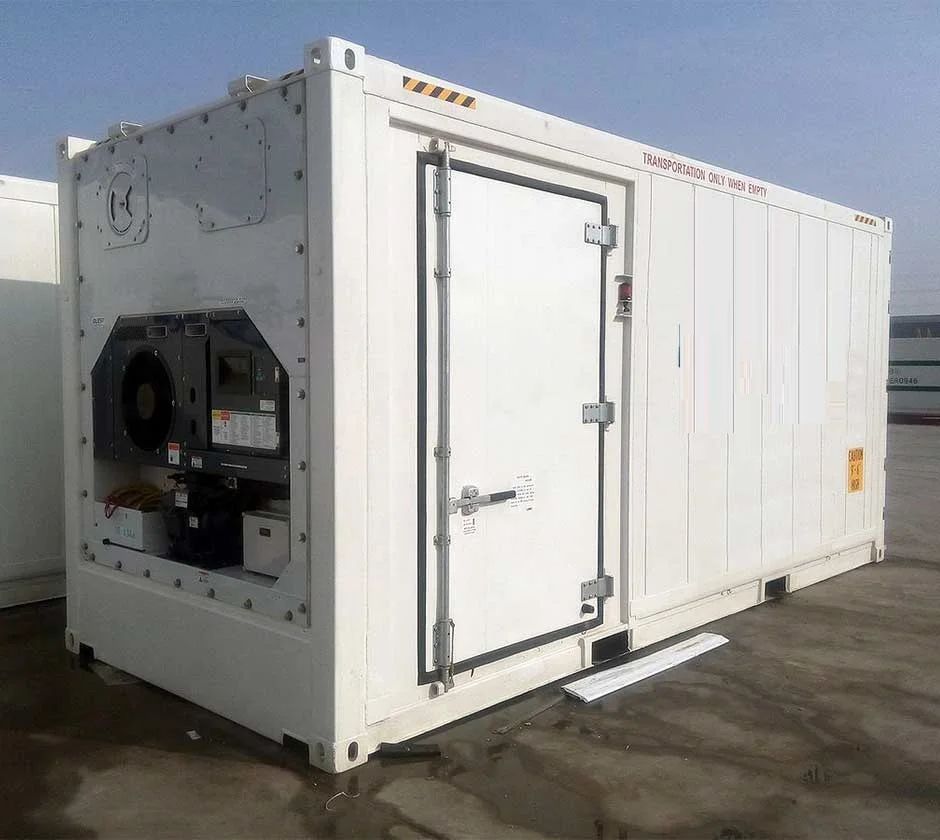
A refrigerated container (reefer) adds an insulated box and a powered cooling unit on top of the steel shell, so it has a second system to maintain. The insulation and interior lining protect against interior condensation, but the cooling unit needs the upkeep any compressor-driven machine does: clean coils, checked refrigerant and seals, and run-time under load to keep the system exercised. Our 20ft refrigerated container is offered refurbished — professionally repaired, repainted, and serviced to working condition — with the cooling unit serviced, tested, and working. Treat the cooling unit as the part that determines reefer lifespan; the steel box around it follows the same rust rules as any other container.
How to choose: one-trip versus cargo-worthy
The right starting grade depends on how long you plan to keep the unit and how much cosmetic wear you can live with.
- Choose one-trip (new) when the container is a long-term fixture — an office conversion, a building you will paint and finish, or a unit you expect to keep 20-plus years. You pay more up front for the most remaining service life and the cleanest steel to start from.
- Choose cargo-worthy (used) when you need sound, watertight storage at a lower price and can accept existing cosmetic wear. For many yard-storage and jobsite uses, a CW unit is the value choice and still lasts well beyond most needs.
Either way, buy on the grade, not the photo. Every unit we sell is inspected and graded before delivery, so the condition you are quoted matches what arrives.
Signs a container is near end of life
A container rarely fails all at once. Watch for these signals, roughly from cosmetic to serious:
- Widespread flaking rust that returns quickly after touch-up — the patina is no longer protecting the steel.
- Soft or springy floor sections, or daylight visible through the floor or seams — the cross-members underneath have corroded through.
- Rust holes ("perforations") in the walls or roof that admit water and light.
- Doors that no longer seal square, with gaskets that have hardened, torn, or pulled away.
- Bowed or buckled walls and twisted corner castings (the reinforced corner fittings used for lifting and stacking) — a sign the structure has been overloaded or badly corroded.
A unit with a few perforations can often be patched and serve more years for non-critical storage. A unit with floor rot and failed structure is at the end of its useful life and is better retired than repaired.
Frequently asked questions
Do shipping containers rust through quickly?
No. The weathering steel forms a protective patina, and surface rust is normal and slow. Rust only becomes structural when water is trapped against the steel for long periods without drainage or touch-up.
Does a container last longer for storage than for shipping?
Generally yes. On land, away from constant ocean salt and the stresses of stacking and handling, a container ages more slowly than it does in active marine service.
How often should I repaint a container?
There is no fixed interval. Inspect twice a year and touch up any chips or surface rust as you find them; full repaints depend on climate and how exposed the unit is.
If you are buying used and want to judge condition before you commit, our guide to buying a used shipping container covers what to inspect and what to ask for.
Ready to put a long-lived unit on your site? Get a free quote and we will match the grade to how long you plan to keep it — or browse containers to compare sizes and conditions. No hidden fees — what we quote is what you pay, and we reply within 1 business day.