

Container gyms for backyards, studios, and jobsites
A high cube steel shell you insulate, ventilate, and floor for training — delivered to your site, locked at night.
Built for the job
Headroom that survives the buildout
A high cube starts near 8ft 10in inside and keeps about 8ft 6in after ceiling insulation and rubber floor. A standard-height unit ends near 7ft 6in — too low for overhead lifts.
A floor rated for freight
The 1-1/8in wood floor over steel crossmembers carries loaded racks. Dropped bars are point loads, though — plan on 3/4in rubber tile and reinforcement under rack uprights.
Open-air bays on side-opening units
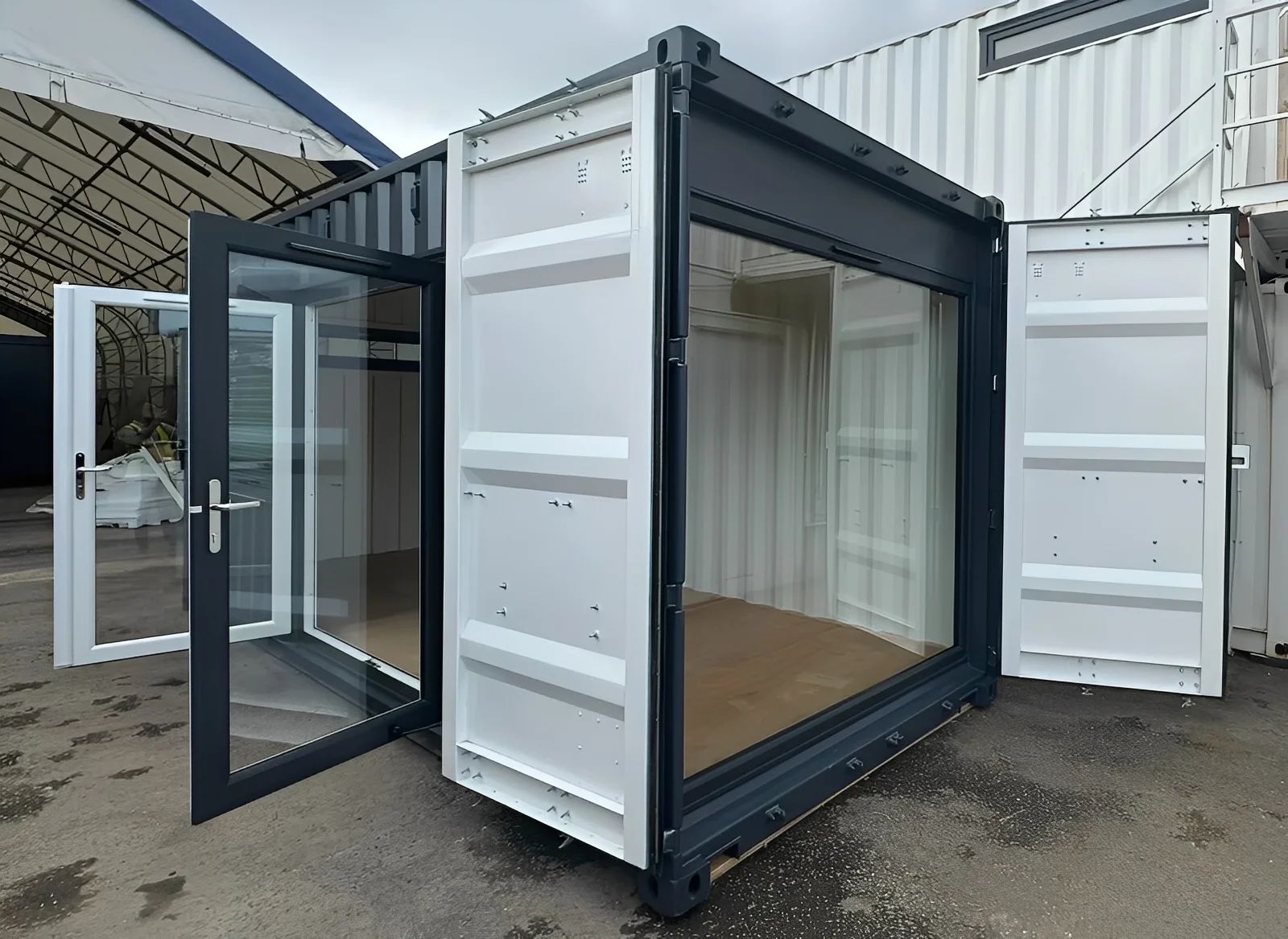
A full side access container opens one long wall for outdoor group training, then locks shut at night. It costs more than a standard-door unit, and the extra gaskets need upkeep.
Security for expensive equipment
Steel walls with a lockbox and a quality padlock protect racks, bars, and plates. Add windows for light and the picture changes — plan security shutters with any glazing.
Sized to how you train
A 20ft suits 1 or 2 people; a 40ft fits stations or a small class. Interior width is about 7ft 8in either way, so group formats run in lines, not circles.
Delivered and set at ground level
A tilt-bed truck slides the container off at ground level, no crane or forklift, and we check site access before delivery. You still need level, compacted ground and a straight run in.
A container gym is a lockable steel shell you insulate, ventilate, and floor for training — in a backyard, behind a boutique studio, or on a jobsite. The box is the easy part; the specs that decide whether it works are headroom, airflow, and the floor.
Where training runs out of room
Home gyms lose the garage back to cars and storage. Studio owners face a lease and a buildout before the first class books. Jobsites and campuses want a wellness room without a construction project. A container answers all 3 with a structure you own, delivered to your site, but it rewards planning before it rewards training.
Do the headroom math first
Every buildout choice subtracts height. A high cube container (a foot taller than standard) is 9ft 6in outside and about 8ft 10in inside. Spray-foam insulation and a ceiling finish take 2 to 3in; 3/4in rubber tile takes another inch. That leaves roughly 8ft 6in — enough for a 6ft lifter to lock out a standing press with the plates topping out near 8ft 3in, and enough for a pull-up bar at 7ft 6in with clearance for strict reps. Kipping stays tight. A standard-height unit, about 7ft 10in inside, finishes near 7ft 6in, and overhead lifts are off the table.
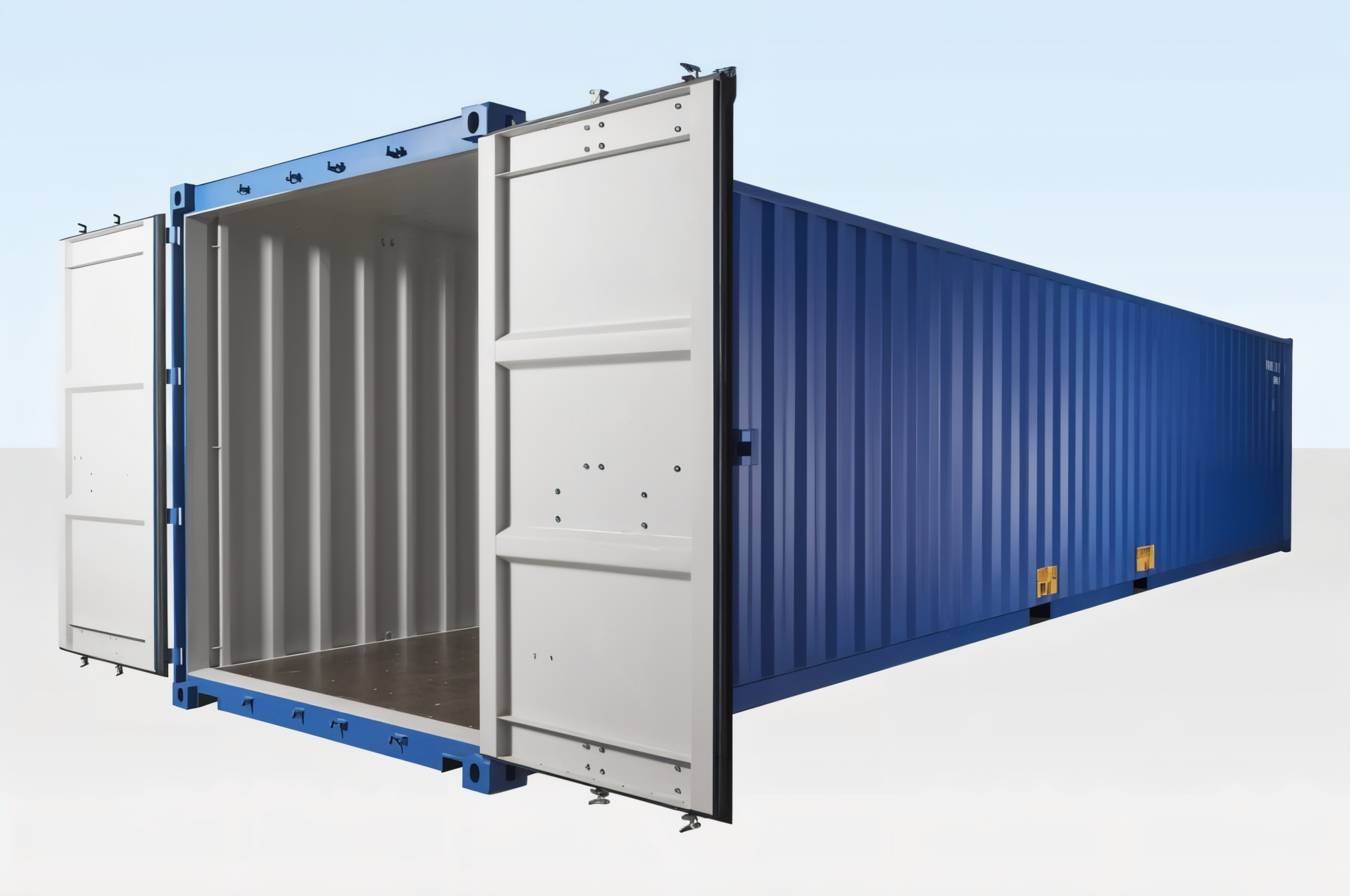
The 40ft one-trip high cube container is the shell to start from — one-trip means shipped once from the factory, the closest thing to new.
The floor: racks and dropped bars
A container floor is 1-1/8in marine-grade plywood over steel crossmembers, rated for freight, so a loaded squat rack is fine. Dropped weights are the real load: a bar from overhead hits one small spot. Cover the wood with 3/4in rubber tile, reinforce under rack uprights, and anchor any bolted rig into the crossmembers.
Ventilation is the make-or-break spec
A training session pumps heat and moisture into a sealed steel box; damp air on cold steel means condensation, mold, and rusty bars. Passive vents that suit storage are not enough. Plan a powered exhaust fan with an intake at the opposite end, and treat a minisplit (a small ductless heat pump) as the year-round answer — it cools, heats, and pulls humidity out. Insulation keeps the steel above the dew point. Our shipping container ventilation guide covers fan sizing and placement, and our post on how to insulate a shipping container compares spray foam and panel options.
Open one wall for outdoor training
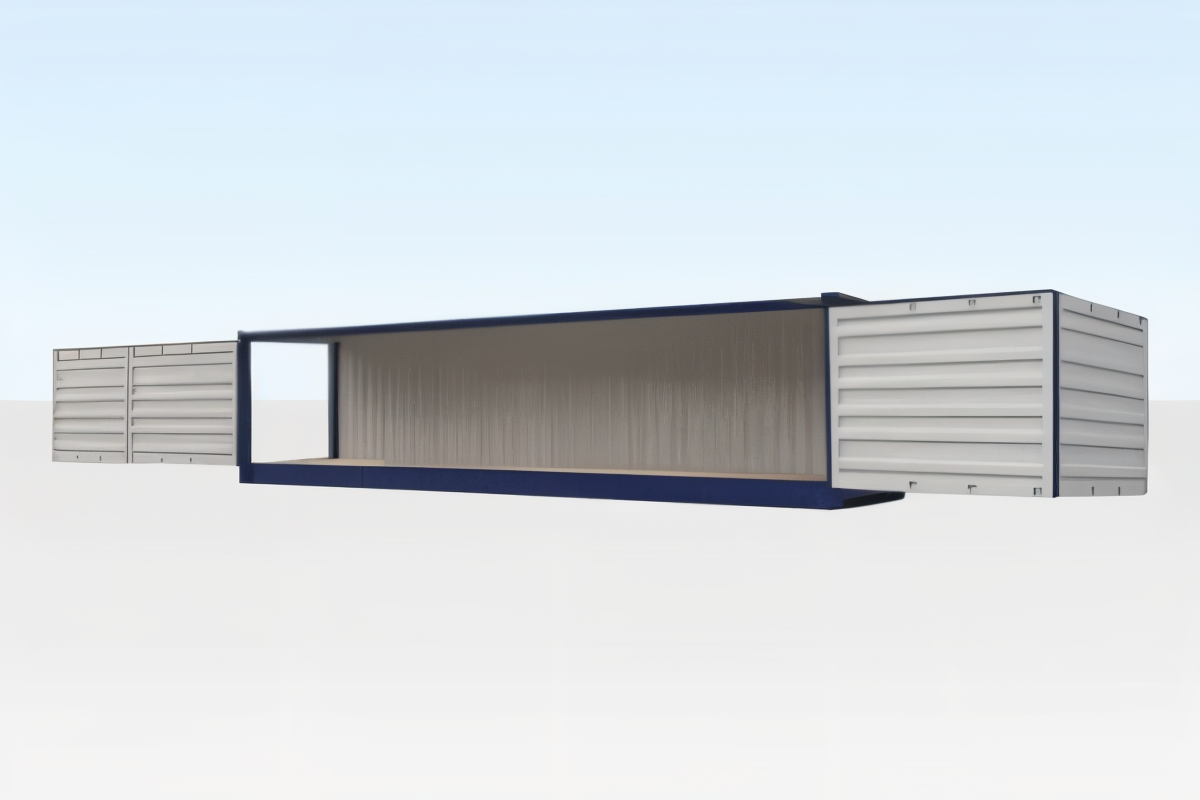
A 40ft full side access high cube opens its entire long side, turning the box into a covered, open-air training bay: roll the wall open for a bootcamp or hybrid class, padlock it shut at night. The tradeoffs are price and upkeep — side-opening units cost more, and the extra hinges and gaskets need attention to stay watertight.
Securing the equipment inside
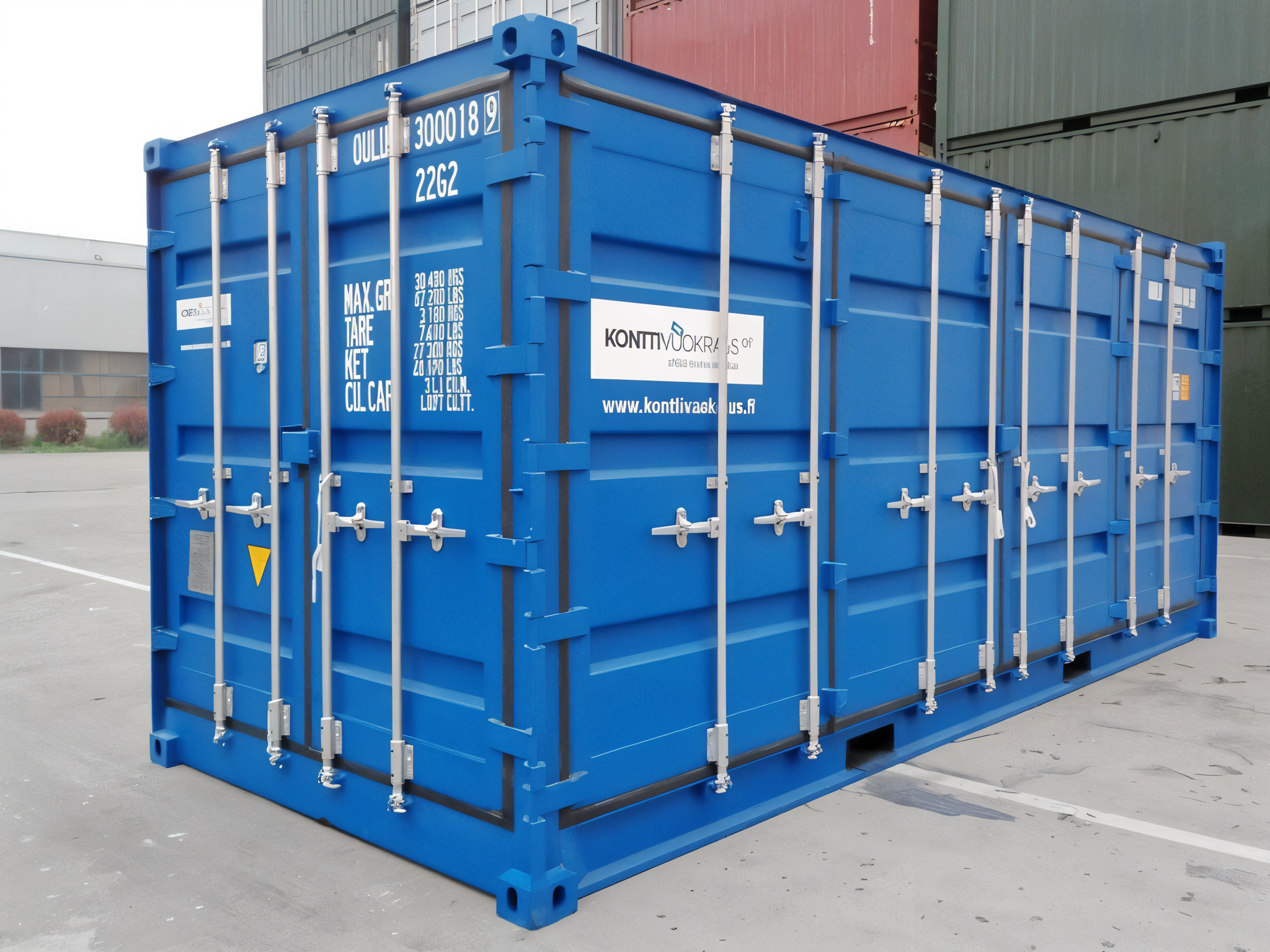
A steel box is only as secure as its door hardware. Fit a lockbox (a welded shroud over the padlock) and a quality padlock; if you add windows for light, plan shutters too. Our guide on how to secure a shipping container walks through the upgrades.
Matching the box to how you train
A 20ft one-trip high cube container suits 1 or 2 people: a rack on one wall, a bench, and a lane of floor. Interior width is about 7ft 8in in any container, so classes run in lines, not circles — the format's honest limit. A 40ft fits stations for small-group work; for a jobsite or campus wellness room, a 20ft custom container conversion can be specified with windows, doors, insulation, and electrical through our custom modifications service.
FAQ
Is a container tall enough for overhead lifts?
Only a high cube. After insulation and rubber flooring you keep about 8ft 6in, which clears a standing press for most lifters. A standard-height container ends near 7ft 6in — skip it for a gym.
Will the floor handle dropped weights?
The freight-rated wood floor carries a loaded rack without trouble. For dropped bars, add 3/4in rubber tile to spread the impact, reinforce under rack uprights, and use bumper plates when you train overhead.
Do I need a permit for a backyard gym container?
It depends on your city and HOA. Some treat containers as accessory structures; others require a placement permit or limit how long one can sit. Check local code and any HOA covenant first — general guidance, not legal advice.
How is a gym container delivered?
On a tilt-bed truck, also called a roll-off: the bed tilts and the container slides off at ground level, no crane or forklift needed. We check site access and clearance before delivery; you supply level, compacted ground and a straight, obstacle-free run.
Get a free quote
Tell us where the container is going, how you train, and which modifications you want: windows, doors, insulation, electrical, or a full gym fit-out through our custom modifications service. You get a free, itemized quote with delivery to your site priced in — no hidden fees, what we quote is what you pay. Every unit is inspected and graded before delivery, and we reply within 1 business day.
Containers suited for fitness
Related services
- 01Custom ModificationsDoors, windows, HVAC, and full fit-outs
- 02Container DeliveryTilt-bed delivery, coordinated door to door
- 03Container SalesNew one-trip and graded used containers
Put containers to work in fitness
Tell us about your project and we will send a free, no-obligation quote.