Shipping Container Flooring: Inspect, Repair, and Cover
Shipping container flooring is usually marine plywood on steel crossmembers. How to inspect it, repair soft spots, and pick the right covering.
 Editorial TeamEditorial Team7 min read
On this page
Most container floors last as long as the steel around them, yet buyers check the floor less than any other part. Shipping container flooring is usually marine-grade plywood about 1-1/8 inches (28 mm) thick, screwed down to steel crossmembers that run across the width of the box. It is built to carry forklifts and loaded pallets. It was never meant to look good or to sit under a bedroom. This guide covers what the floor is made of, how to check it before and after you buy, how to repair damaged sections, and what to lay over it for storage, a workshop, or living space.
What a container floor is made of
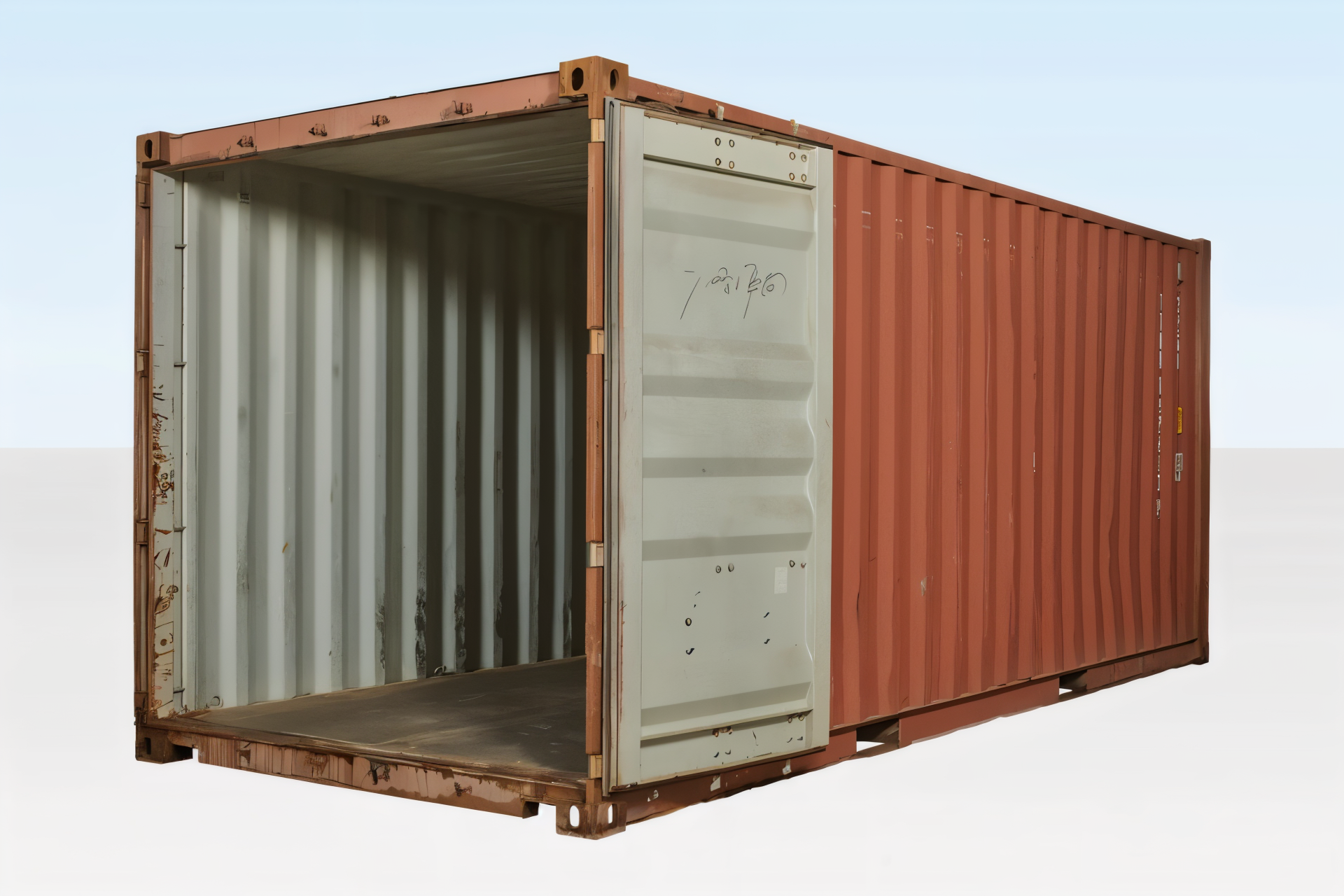
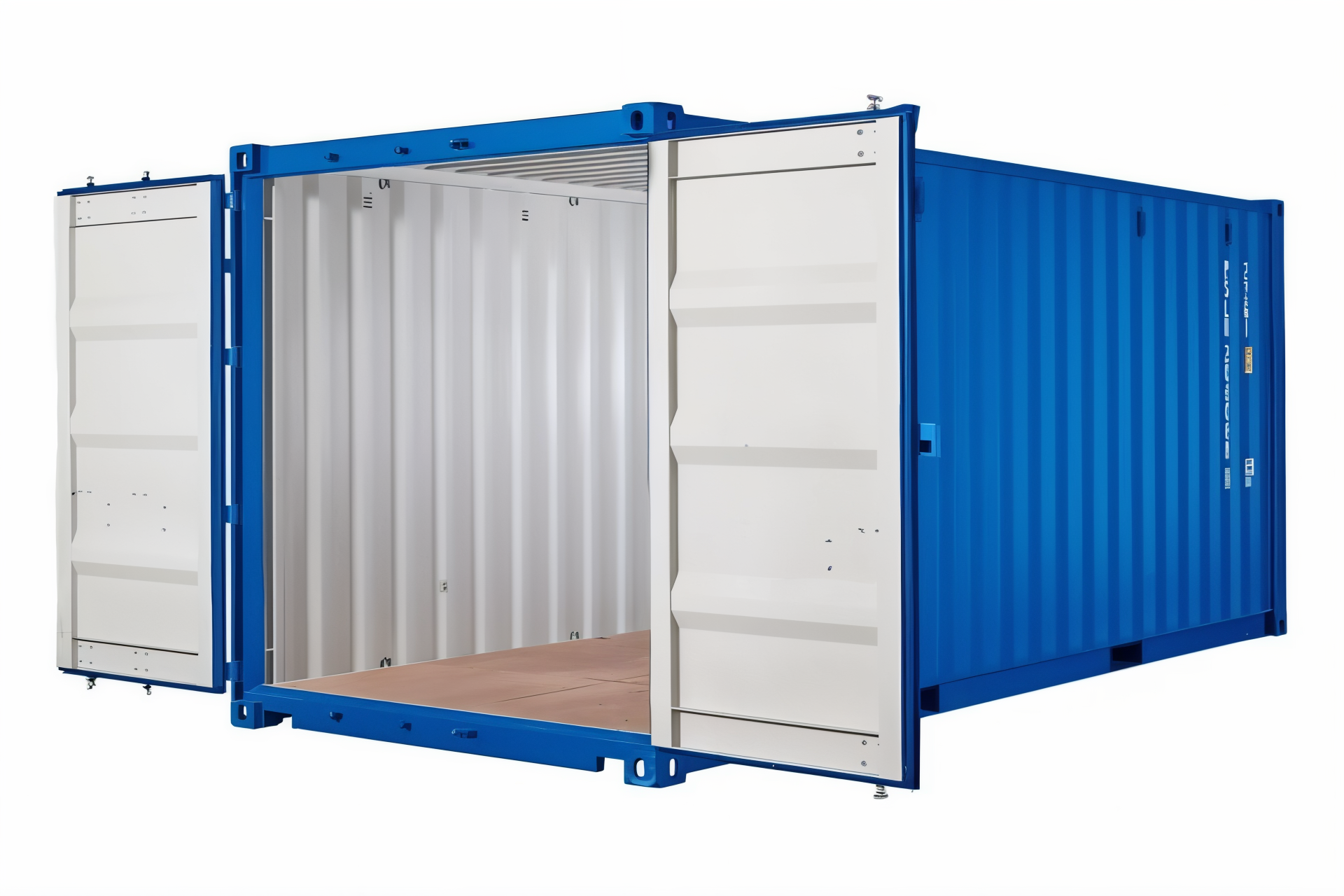
On a standard dry container, the floor is a set of plywood panels laid across steel crossmembers spaced along the length of the container. The plywood is usually a tropical hardwood such as keruing or apitong. Builders use it because it is dense, holds screws well, and handles moisture better than construction-grade plywood. Below the crossmembers are the bottom side rails and the steel underside, which keep the wood off the ground.
Some newer units use bamboo composite panels instead. Bamboo is renewable and wears well, and you can see it on our 20ft self-storage container with a bamboo floor. The tradeoff is choice: bamboo floors are less common on the used market, so you will have fewer used units to pick from if you want one.
Most original floors were treated with pesticides at the factory so the timber could pass quarantine rules in the countries the container shipped to. That is fine for storage. For a space people will occupy every day, it changes your plan, which we cover further down.
How to inspect a container floor
Walk the full length with the doors open and a flashlight in hand. Then work through these checks:
- Press down with your heel every few feet. A sound floor does not flex. A soft spot gives or feels spongy.
- Look for layers separating at panel edges (delamination) and dark stains that show where water sat.
- Check the screw heads. Missing or raised screws let panels shift under load.
- Look underneath if the container is raised. Heavy rust scale on the crossmembers matters more than stains on the wood.
- Smell the interior. A strong chemical or mildew smell tells you about past cargo or trapped moisture.
A floor can look stained and still be solid, while a clean panel can hide rot underneath, so trust pressure over appearance. Our shipping container delivery inspection checklist covers the rest of the box. Every unit we sell is inspected and graded before delivery, and our guide to container condition grades explains what each grade means for the floor.
One-trip vs. used floors
A one-trip container has made a single loaded voyage from the factory, so its floor is usually close to new. A used container sold as wind and watertight (WWT, meaning no holes that let in daylight or rain) may carry years of forklift wear, stains, and patched panels. A cargo worthy (CW) unit has passed a survey for ocean shipping, which says more about the frame than about how the floor looks.
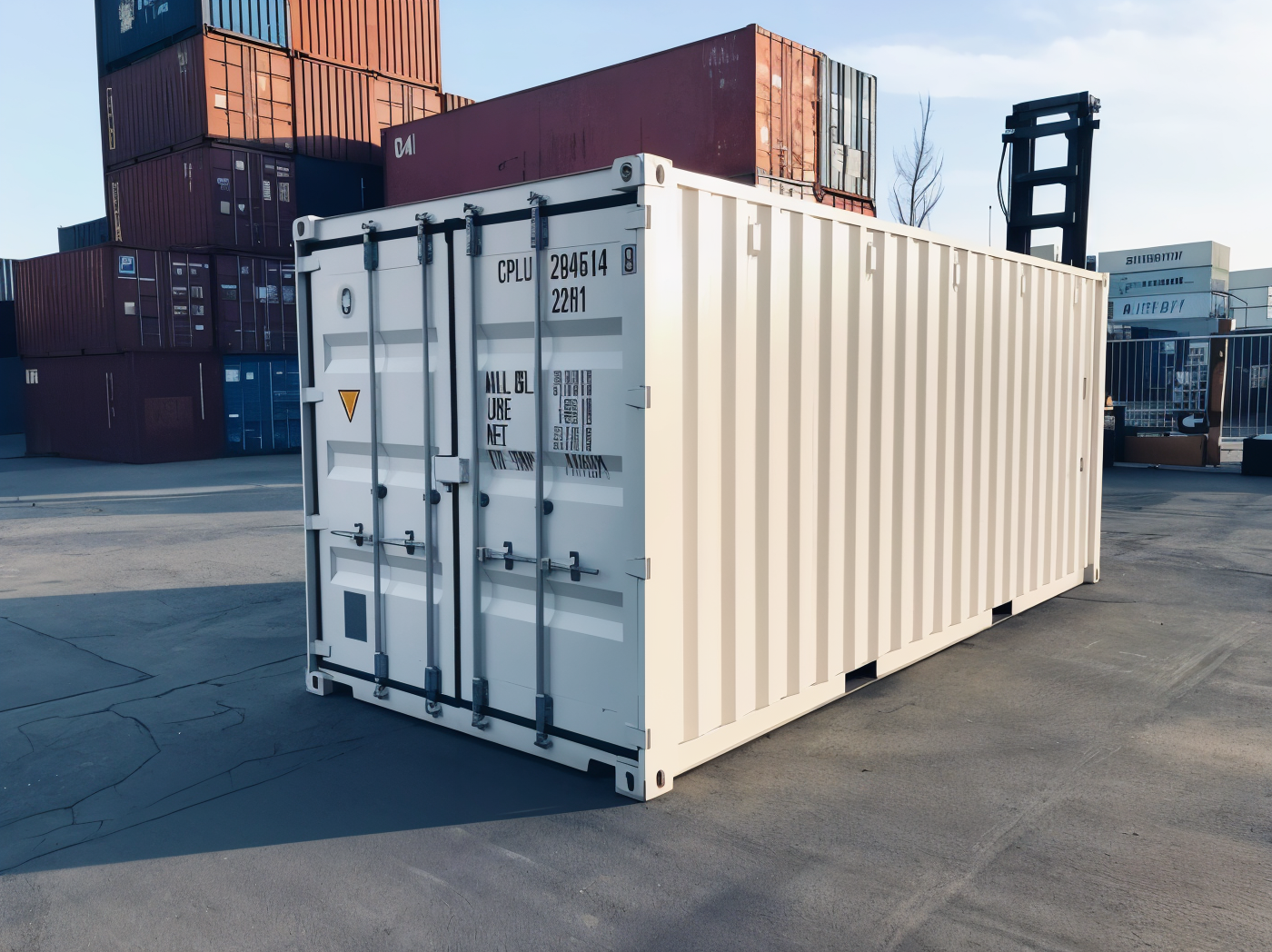
If the floor surface matters to your project, a 20ft one-trip shipping container costs more up front but saves repair time. If you plan to cover the floor anyway, a 20ft used wind and watertight container is often the better value. The catch is that an older floor may need a section replaced before you finish it. You can compare sizes and grades in our standard dry containers range.
Repairing soft spots and damaged panels
Surface damage, like gouges or splinters, can be sanded and filled. Soft or rotted wood should be cut out and replaced. The usual approach looks like this:
- Find the crossmembers on each side of the damage and mark cut lines down the center of each, so the new piece has steel to rest on.
- Remove the floor screws in that area and cut out the panel with a circular saw set to the plywood depth.
- Check the exposed crossmembers. Wire-brush surface rust and prime it. A cracked or badly rusted crossmember needs welding.
- Cut a replacement from plywood of the same thickness so the floor stays level. Marine plywood is the closest match.
- Fasten it with self-tapping floor screws into the crossmembers and seal the cut edges.
Patching is cheap and quick, but every patch adds a seam where water can get in. If more than a few panels are soft, replacing the floor in larger sections is often less work overall. If a crossmember needs welding, our custom modifications service can quote the repair.
Covering the floor for your use
What you put over the plywood depends on how you will use the container:
- Storage: leave the original floor as it is, or add rubber mats where you drag heavy items.
- Workshop or garage: a two-part epoxy coating gives a surface that sweeps clean and resists oil. Our guide to container workshops and garages covers layouts and power.
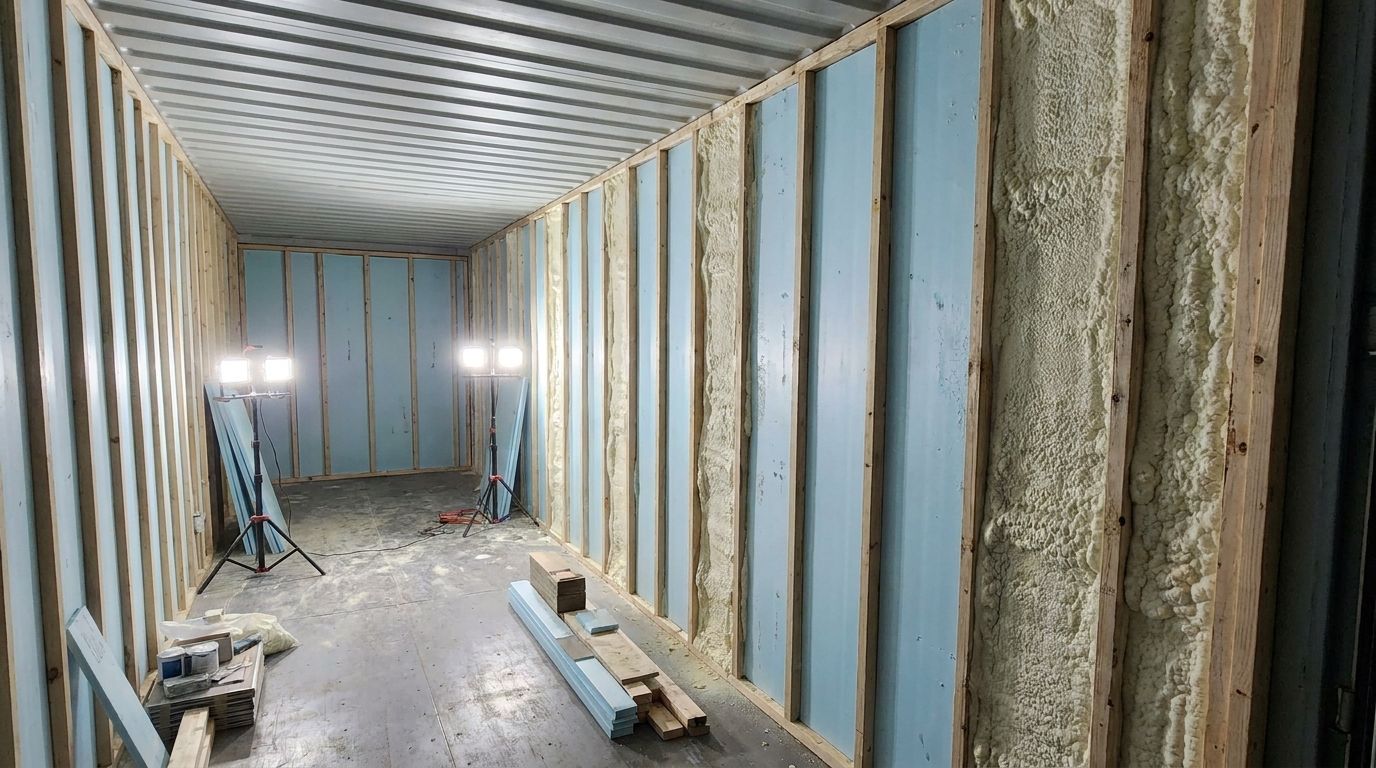
- Office or living space: seal or remove the original floor, then add insulation, a vapor barrier, and a new subfloor. Our shipping container insulation guide explains how floor insulation fits with the walls and ceiling.
- Vinyl plank or sheet flooring: works well over a flat new subfloor. Laid straight onto the original plywood, it shows every seam and screw head.
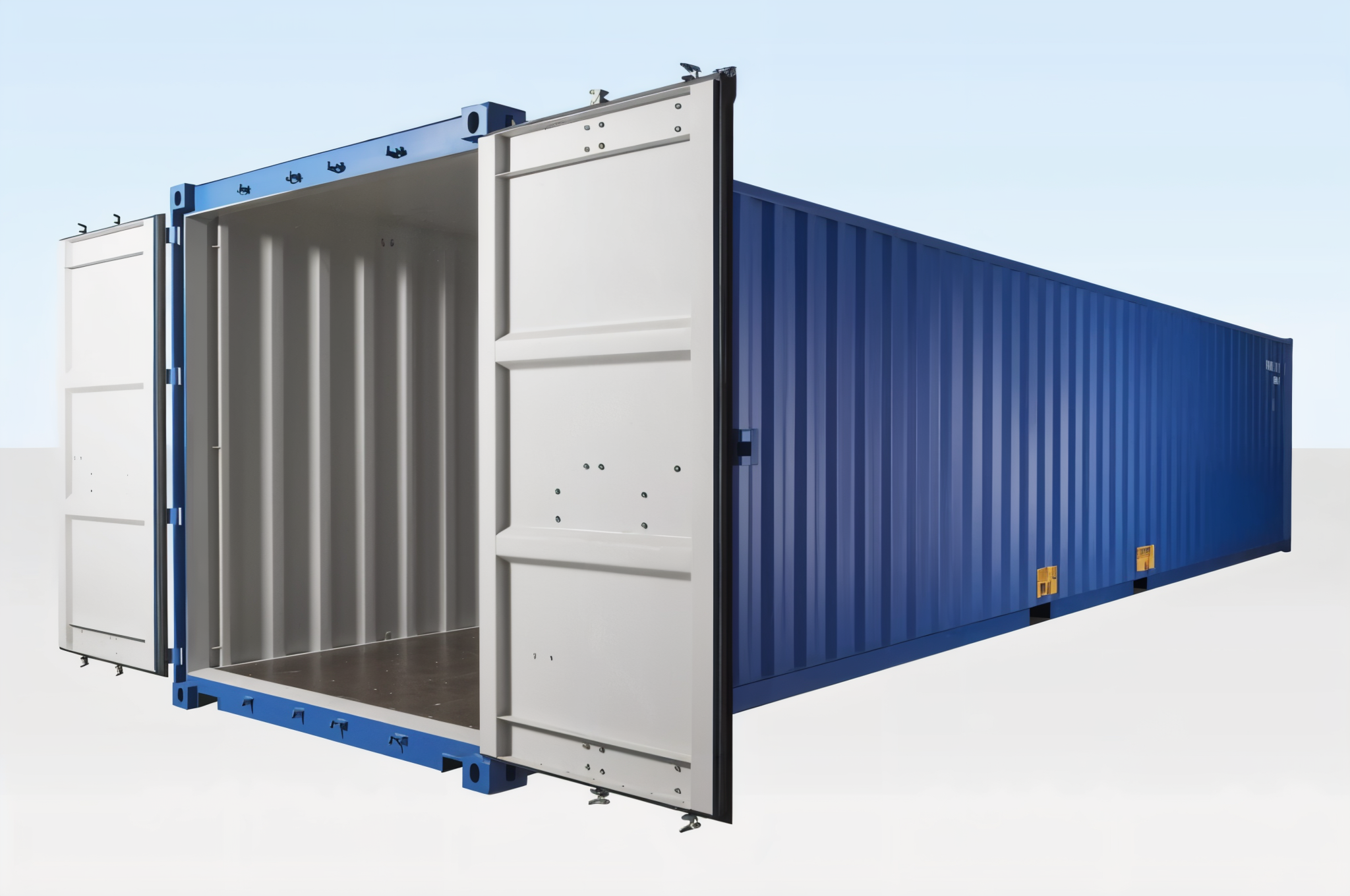
Every layer you add takes height out of the room. On a standard-height container, insulation plus a subfloor can cost you several inches of headroom. A high cube (a container about a foot taller than standard, at 9 feet 6 inches outside) leaves more room to work with, which is why many builders choose a 40ft high cube one-trip container for living space.
What to do about the original treated floor
For storage, the treated floor needs no special handling. For a home, office, or any space where people spend long hours, you have three common options: seal it with a coating made for encapsulation, cover it fully with a vapor barrier and new subfloor, or remove it and install fresh plywood. Removal is the most thorough and the most work. Ask the seller whether the paperwork lists the floor treatment. Our container homes guide covers the other planning steps for living space. This is general guidance, not legal or health advice, so check with your local building department before you build a habitable space.
Frequently asked questions
How much weight can a container floor hold?
Container floors are designed for forklifts and loaded pallets, so ordinary storage and workshop use sits well within their limits. Concentrated point loads, like a machine on small feet, are the exception: spread the weight with a steel plate or heavy timber. Our guide to how much weight a shipping container can hold explains payload and floor ratings.
Can I replace a container floor with concrete or steel?
Some builders pour a thin concrete layer over the plywood or replace it with steel plate. Both add weight and change how the floor handles moisture, so plan drainage and get a quote before you commit.
Is bamboo flooring better than plywood?
Bamboo wears well and is renewable. Hardwood plywood is easier to patch with materials you can buy locally. Either works for storage, so choose based on what you plan to put over it.
Should I paint a container floor?
Floor paint wears through quickly under foot traffic. Epoxy lasts longer on wood. For the walls and roof, see our guide on how to paint a shipping container.
Tell us how you plan to use the container and we will match you with a unit whose floor suits the job. Request a free itemized quote. What we quote is what you pay, and we reply within 1 business day.
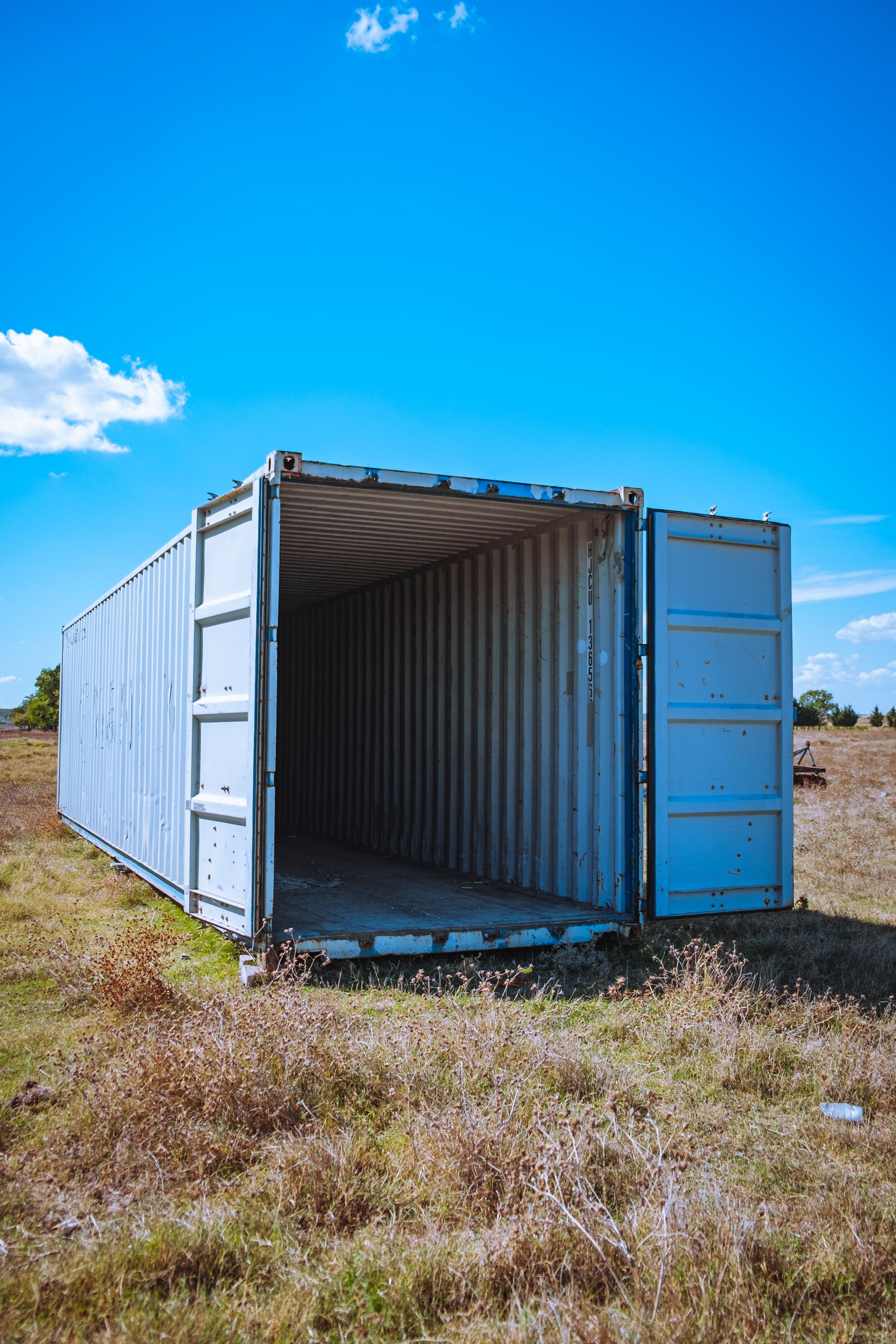
Illustrative photo: seyfi durmaz · Pexels License.