Container Condition Grades Explained: One-Trip to As-Is
Shipping container condition grades decide price and lifespan: one-trip, cargo-worthy, wind & watertight, and as-is. Here is what each grade means.
 Editorial TeamEditorial Team6 min read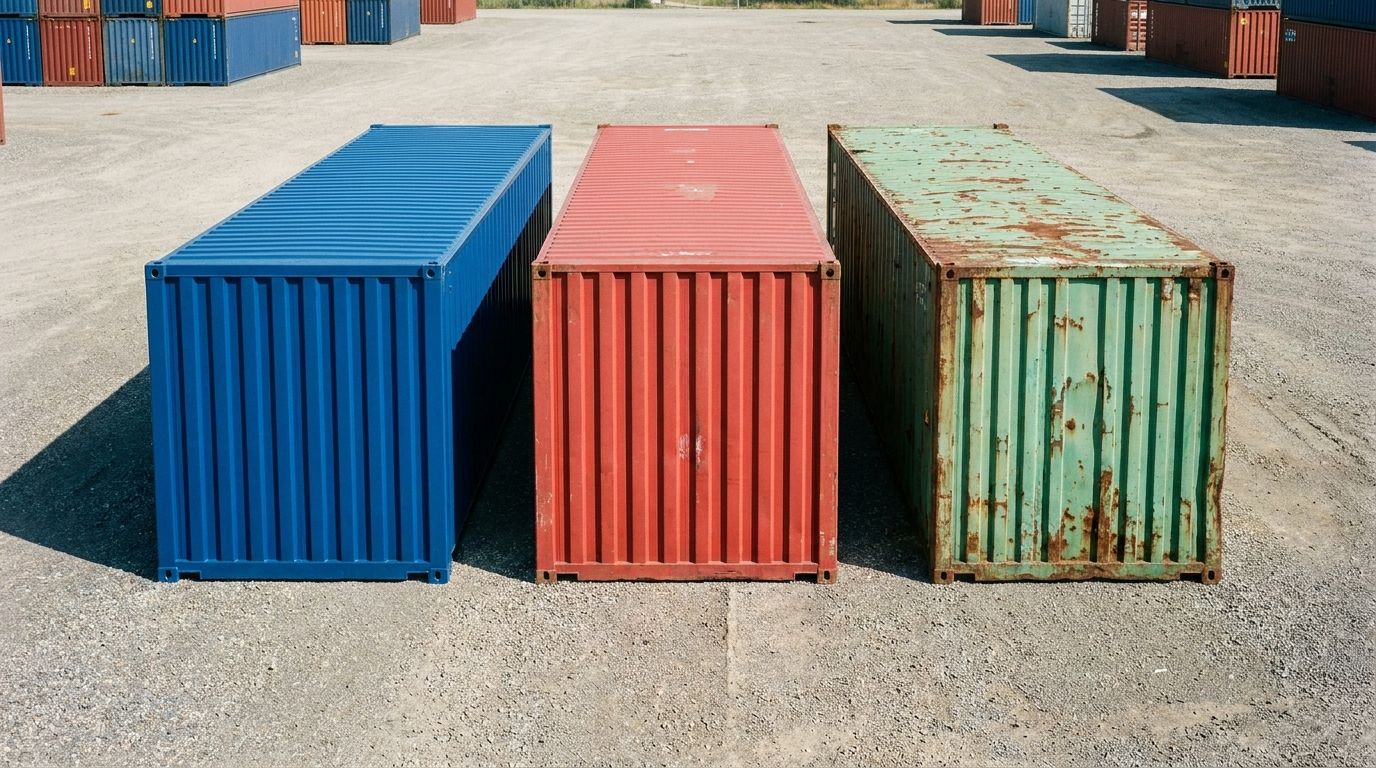
On this page
Container condition grades explained
When you shop for a shipping container, the first number you see is the price, but the thing that actually sets that price is the grade. A container's condition grade describes how worn the steel is, whether it is still certified to ship cargo, and how much life it has left. It drives the price and the lifespan more than any single option you can add, so picking the right grade for your use is the most important decision you make. This guide walks the ladder from newest to roughest, how each grade is checked, and how to confirm a grade before you pay.
Why grade matters more than options
You can add a man door, a coat of paint, or a vent to any container, but you cannot un-rust steel or restore a certification that has lapsed. The grade is the floor your whole purchase sits on. A clean grade costs more up front and lasts longer with less maintenance; a rough grade costs less and may need work sooner. Two containers of the same size can differ by a wide margin in price purely on condition, so understanding the ladder is what keeps you from overpaying for storage or underbuying for an office.
The grade ladder, newest to roughest
The industry uses a handful of grade names. They are not stamped by a single authority, so the exact wording varies between sellers, but the tiers themselves are consistent.
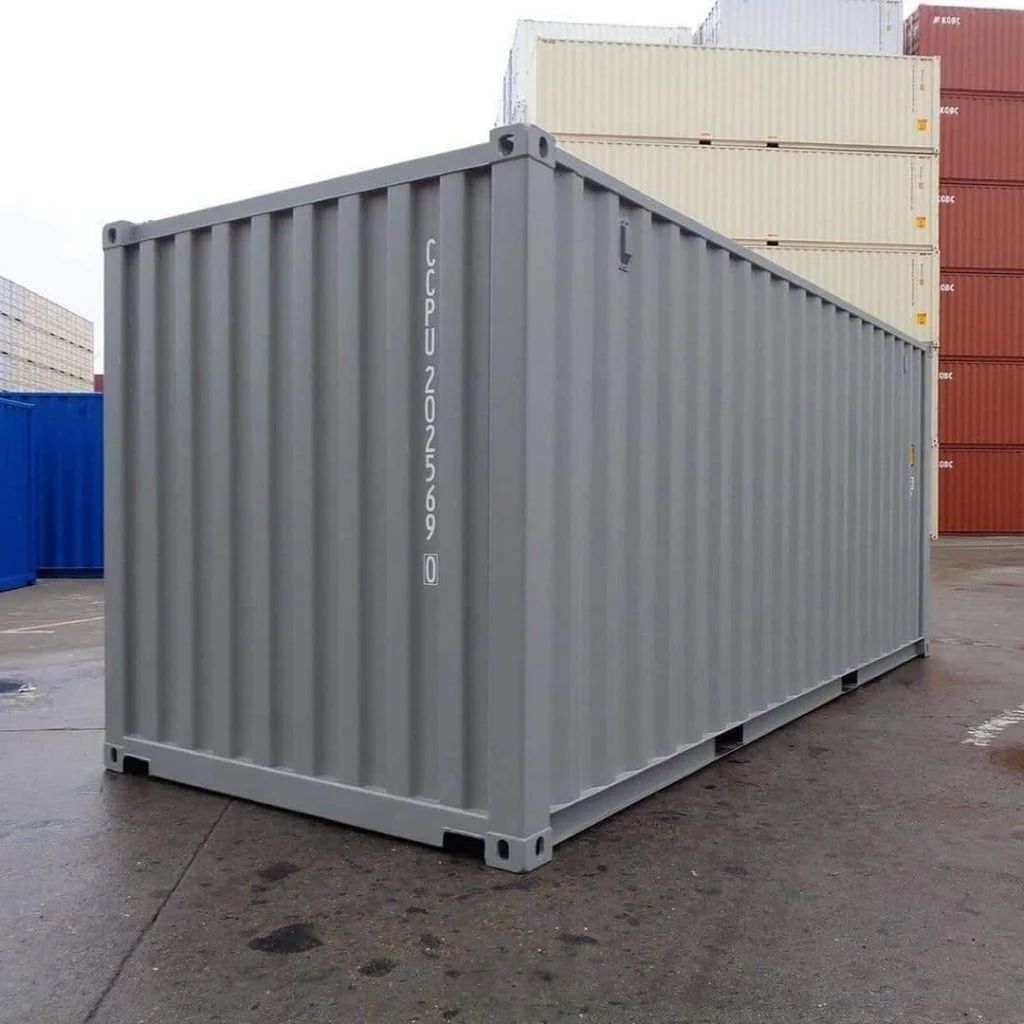
One-trip (also called new). A one-trip container was built overseas, loaded with a single cargo load to ship to North America, and then sold. It has made exactly one trip, so it is the closest thing to new you can buy: clean steel, tight doors, minimal dents, and usually a current paint job. This is the grade to start from when looks matter, like an office or a build that will be seen by customers.
Cargo-worthy (CW). A cargo-worthy container is certified as structurally fit to ship cargo by sea. It carries a valid CSC plate, the safety-approval plate that says the box meets international shipping standards. It will show honest wear (surface rust, dents, repaired patches) but it is sound and watertight and rated for export. CW is the practical middle of the ladder: solid steel without paying the one-trip premium.
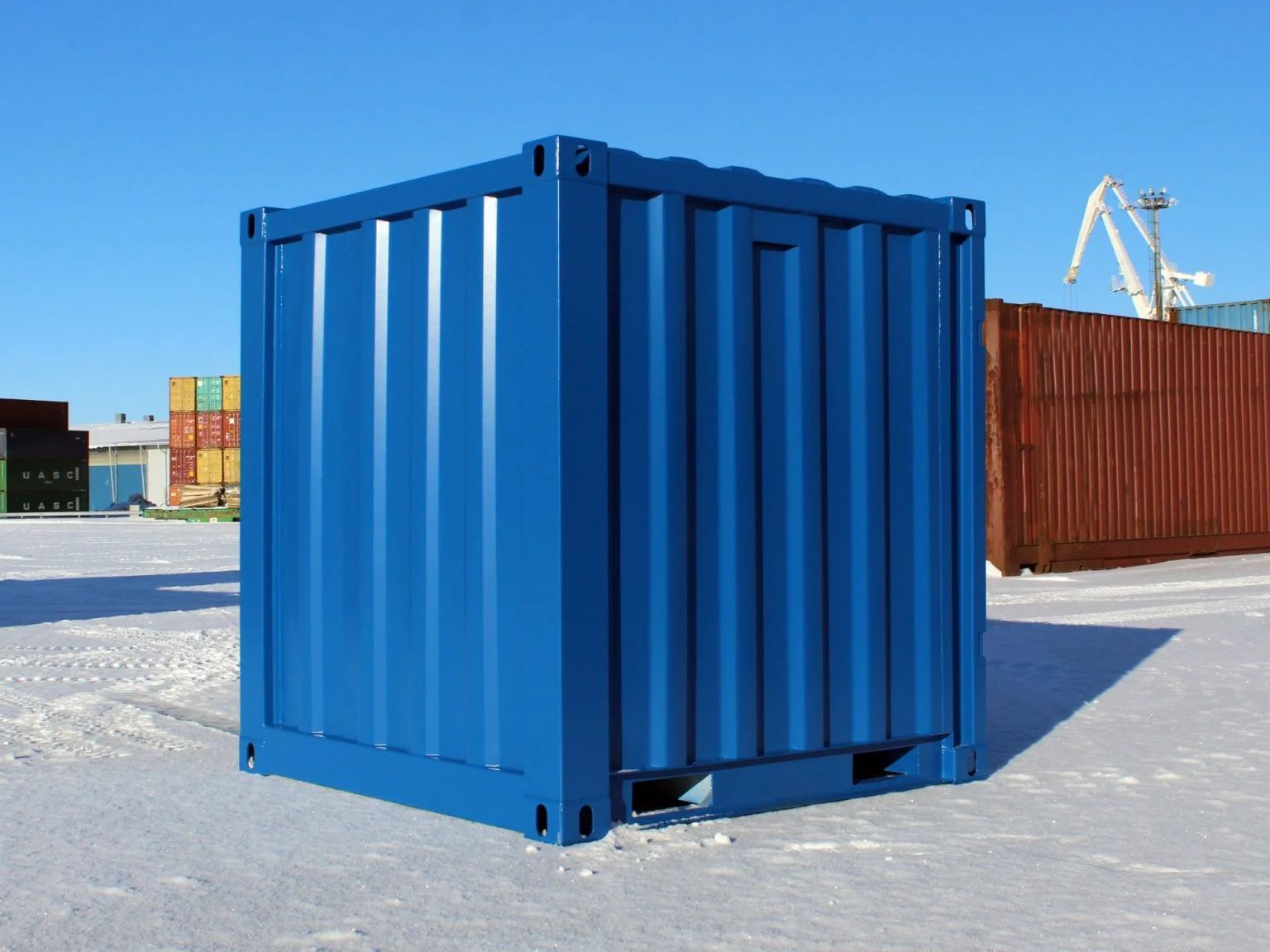
Wind and watertight (WWT). A wind and watertight container keeps weather out (no light through the walls or roof, doors that seal) but it is not certified to ship. It may have more cosmetic wear or a repair that disqualifies it for export while still being perfectly dry inside. WWT is the workhorse grade for ground storage, where you need a dry box but never plan to ship it. A unit like this 10ft used container (wind and watertight) is sold to that standard.
As-is. An as-is container is sold in whatever condition it sits, without repairs, and the risk shifts to you. It may leak, have a stuck door, or carry rust that needs attention. As-is can be a genuine bargain if you can inspect it and you are prepared to fix it, but it can also be a box of problems if you buy it sight unseen. Treat as-is as a project, not a finished product.
How each grade is inspected
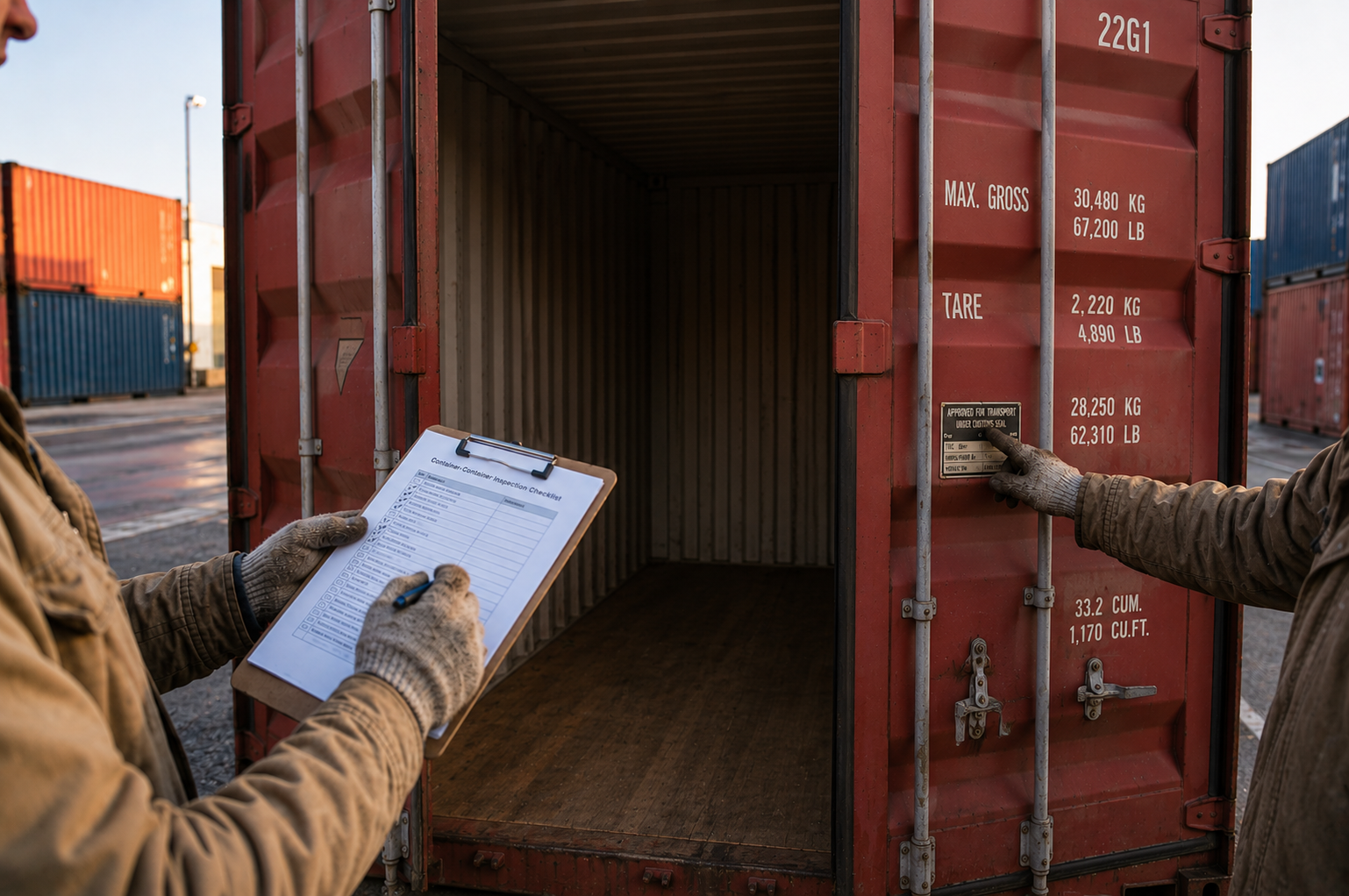
Grades come from inspection, not wishful labeling. A cargo-worthy assessment is the most formal: a qualified inspector checks the structure, doors, floor, and seals against the CSC standard and confirms the plate is valid. Wind and watertight is checked more simply, often by standing inside with the doors closed and looking for daylight or water stains, then testing that the doors shut and seal. One-trip units are graded mostly on appearance and the fact that they have only shipped once. As-is gets the least inspection by definition, which is the whole point of the grade, and that is exactly why you should do your own.
Which grade for which use
Match the grade to the job and you neither overpay nor underbuy:
- A clean office, shop, or anything customer-facing. Start one-trip. You are buying straight steel and good looks that a conversion can build on, and you avoid grinding rust before you begin.
- A modification project or long-term asset. One-trip or cargo-worthy. You want sound steel that will take cutting, welding, and years of service.
- General ground storage. Wind and watertight is usually the sweet spot: a dry, secure box at a lower price than certified grades, which a 30ft used container often fills well.
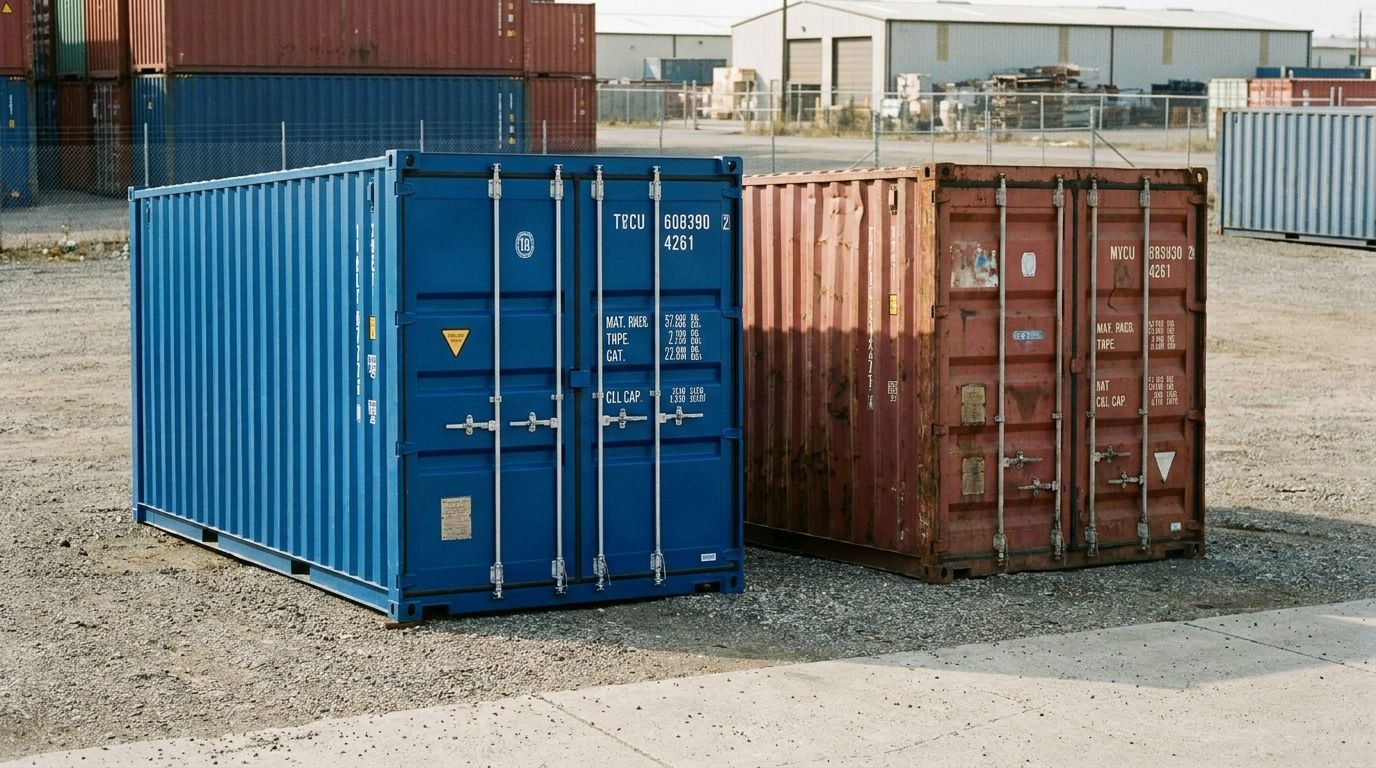
- Cheap, high-volume, or temporary storage. Cargo-worthy or wind and watertight for bulk needs, where a high cube (9 feet 6 inches tall, a foot taller than standard) like this 20ft high cube for IBC storage gives extra room. As-is can work here if you can inspect first.
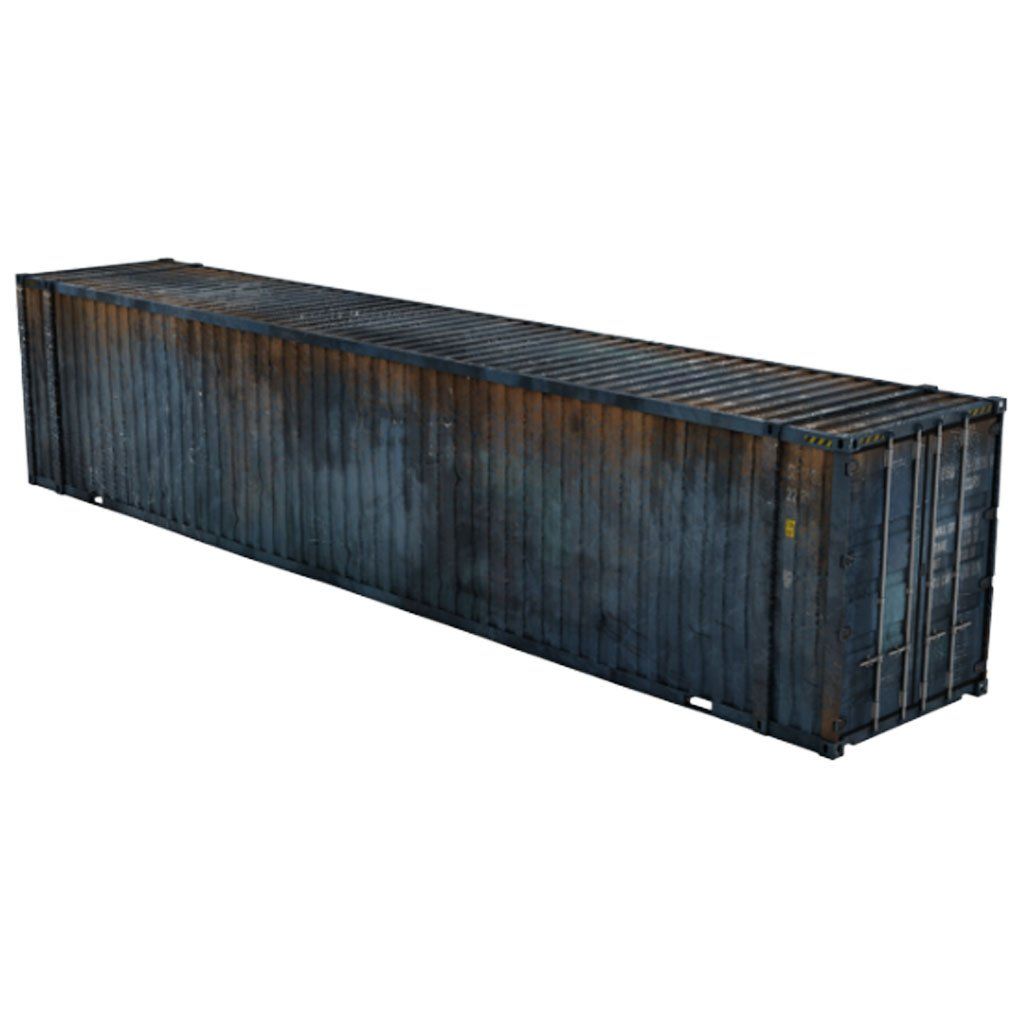
- Export or repeated shipping. Cargo-worthy is the floor, because only a CW unit with a valid CSC plate is rated to ship. A larger box like this 45ft high cube container is graded with that in mind.
Grade is distinct from the simpler new-versus-used split, which is really just a binary on whether the box has carried freight, and from a buying-used checklist, which inspects an individual unit. Grade is the standardized tier the unit is sold against.
How to verify a grade before you buy
A grade is only as good as the unit it describes, so confirm it before money changes hands:
- Ask for photos of the actual container, not a stock image: the real doors, floor, roof, and any rust or repairs on the specific unit you are buying.
- For cargo-worthy, confirm the CSC plate is present and valid, since that is what the grade certifies.
- For wind and watertight, ask how it was checked (daylight test, water stains, door seals) and request interior photos with the doors closed.
- For as-is, inspect in person or send someone, because the grade explicitly shifts repair risk to you.
- Know who graded it. A unit inspected and graded by the seller before delivery is a different proposition from one sold sight unseen with a label attached.
Frequently asked questions
What is the difference between cargo-worthy and wind and watertight?
Cargo-worthy is certified fit to ship cargo by sea and carries a valid CSC plate; wind and watertight only guarantees the box keeps weather out and is not rated for shipping. CW is the higher, certified grade and costs more. Choose CW if you will ever ship the container, and WWT if it will sit on the ground as storage.
Is a one-trip container the same as new?
Practically, yes. A one-trip container was built overseas and used for a single cargo load to reach North America, so it is the closest thing to new on the market (clean steel and tight doors) without being a never-shipped box. Sellers often use "one-trip" and "new" interchangeably.
Is an as-is container worth buying?
It can be, if you can inspect it and you are ready to make repairs. As-is shifts all the risk to you, so the savings only pay off when you have seen the unit and know what you are fixing. Buying as-is sight unseen is where people get burned.
Get a free quote
Tell us how you plan to use the container and where it will sit, and we will recommend the grade that fits and send a free, itemized quote with no hidden fees, so what we quote is what you pay. Every unit is inspected and graded before delivery, and we reply within 1 business day. Send us your use case and the size you have in mind, and we will match you to the right grade rather than the cheapest label.