
Shipping container delivery inspection checklist
A delivery-day checklist for matching the unit to your order, recording condition, checking access, and documenting unresolved issues.
 Editorial TeamEditorial Team5 min read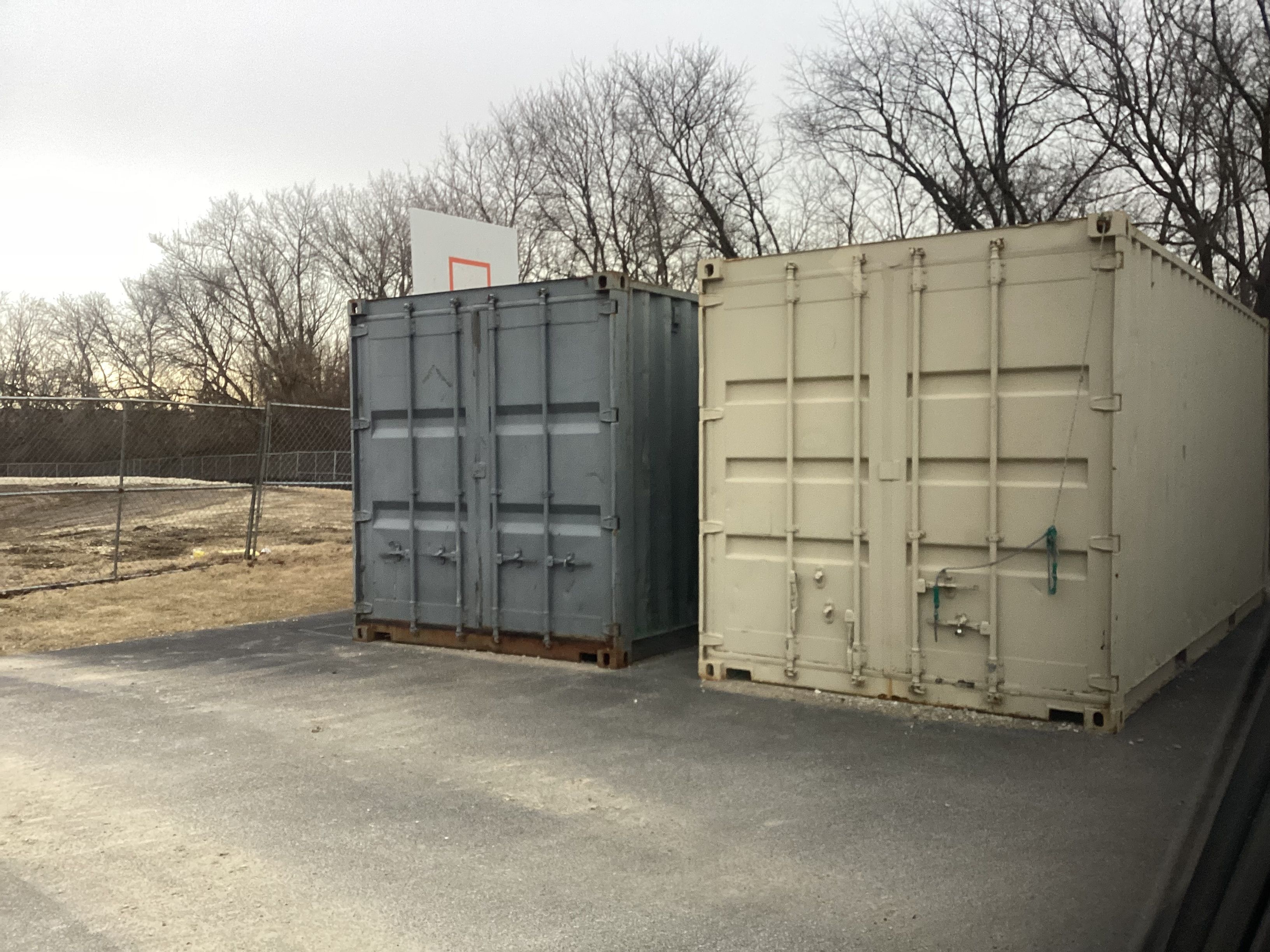
On this page
The truck has arrived, the container is in front of you, and the order confirmation is somewhere in your inbox. This is the moment to work from a short receiving checklist. Match what arrived to what you ordered, record what you can see, and leave a clear record of anything that needs follow-up.
This guide covers an empty storage container arriving at your property. Use the separate guide to preparing your property for container delivery for access and site planning before delivery day.
Quick answer
For a shipping container delivery inspection, compare the unit with the order, photograph its identification and visible condition, and check door access after placement when the operator says it is safe. Record discrepancies in plain language and ask the seller how to handle them before completing the handover. Keep the photographs, delivery paperwork, and follow-up messages together.
Prepare a receiving folder
Save the order confirmation, description, agreed condition, and any unit-specific photographs where you can open them at the site. If you chose a particular door configuration or requested work, include that written specification. Keep the seller's contact details and the delivery contact in the same folder.
Choose who will receive the container. If someone is attending for you, give them the documents and explain which decisions they can make. Ask them to call you about an unexpected substitution or unresolved defect instead of guessing what you would accept.
Before arrival, ask the seller what the handover involves: when checks happen, how discrepancies are recorded, and whom to contact during delivery. Keep the reply. A checklist should work alongside those instructions; it should not invent payment, replacement, or return terms.
Match the delivered unit to the order
Start with identity and configuration. Compare the ordered size, door layout, and condition description with the delivered unit. Check any specifically agreed accessory or alteration against the written order rather than a general website photograph.
Photograph the container identification markings. The Bureau International des Containers explains that the identification number combines an owner prefix, equipment identifier, serial number, and check digit. Use the complete marking when asking the seller to identify the unit. BIC container identification guidance.
If the order named a particular container number, compare it directly. If it did not, ask the seller to associate the delivered number with your order. Avoid assuming that a similar paint color identifies the same container shown in an earlier photograph.
Keep grade discussions specific. Our container condition grades guide explains the terminology; for this delivery, work from the actual condition description in your order.
Record condition from safe viewing positions
Let the operator direct unloading and tell you when you can approach. Keep your inspection separate from the moving equipment. Do not climb onto the roof or crawl beneath the unit to complete a checklist.
Take a broad photograph of each accessible side, then closer photographs of anything you want reviewed. Include a wider view with each close-up so the seller can locate the issue. Record the date, the side of the container, and a simple observation such as “opening visible in left wall near door end.”
TT Club's container-condition guidance identifies exterior distortion, cracks, interior damage, signs of water entry, residues, and pest contamination as inspection concerns. Use those categories to organize observations, without treating a visual check as a professional structural survey. TT Club container-condition checklist.
Separate the observation from your explanation. “Wet patch near the threshold” is useful. “The roof definitely leaks” goes beyond what that observation proves. Ask for assessment where the cause is uncertain.
Check doors and usable access after placement
Once the operator says it is safe, ask for a demonstration of the door opening and closing sequence. Watch the handles, locking bars, hinges, and rubber door seals. Record anything that prevents ordinary operation rather than trying to overcome resistance with extra leverage.
Check the doors in their final position. Photograph the direction they face and the space in front of them. Compare the placement with the agreed plan, including the route you intend to use when bringing stored items through the opening.
A position can match a sketch yet reveal a practical problem: a nearby fence may obstruct the intended approach, or the door swing may conflict with another access route. Raise that while discussing the handover. Ask the operator about the next step instead of attempting to move or adjust the container yourself.
Inspect the interior without loading it
When safe access is available, photograph the empty interior before adding your belongings. Include the floor, walls, door-end area, and ceiling as visible from accessible positions. Use a flashlight to make the record clearer, and keep the exit open.
Note damaged flooring, visible openings, wet areas, debris, or an unexplained odor. If you see a suspicious residue or another condition that makes entry questionable, stop outside and ask for assessment. Do not clean or paint over an issue merely to finish the delivery checklist.
Keep any area you could not inspect on the record as “not checked,” with the reason. That is more useful than marking the entire unit satisfactory after a limited view. For questions about evaluating a unit before choosing it, use our used shipping container inspection guide.
Make the handover record usable
Write observations so someone who was not present can understand them. Include the order reference, container marking, location of the concern, photograph filenames, and the question you need answered. Ask how those observations should be included on the delivery record and request a copy.
Use a simple note for each unresolved item:
- Observed: what you saw or could not operate.
- Evidence: the photograph or video showing it.
- Requested next step: assessment, clarification, or confirmation of the agreed specification.
- Follow-up contact: the person or team handling the question.
Keep factual notes even when the issue appears minor. Avoid recording a repair as agreed until the responsible party has actually confirmed it. Ask for the next step in writing, including any timing they commit to, without filling in a deadline yourself.
Frequently asked questions
Should I compare delivery photographs with the listing?
Compare them with photographs identified as the actual ordered unit. If the listing used representative photographs, rely on the written specification and ask the seller to clarify differences.
What if a door is difficult to operate?
Ask the operator to demonstrate it and record the symptom. Do not force it or make an improvised adjustment during the inspection.
What if nobody can attend delivery?
Agree on an alternative receiving arrangement with the seller beforehand. Name who will check the unit and how they will send you the record.
Still choosing a unit? Start with standard dry containers, the general-purpose steel containers for dry cargo and storage, and keep the relevant specification with your receiving checklist.
Illustrative photo: 1250metersdeep · CC0 1.0.