Do You Need a Permit for a Shipping Container?
Do you need a permit for a shipping container? Often not for short-term storage, but time on site, zoning, and utilities can change that. Here is how to check.
 Editorial TeamEditorial Team6 min read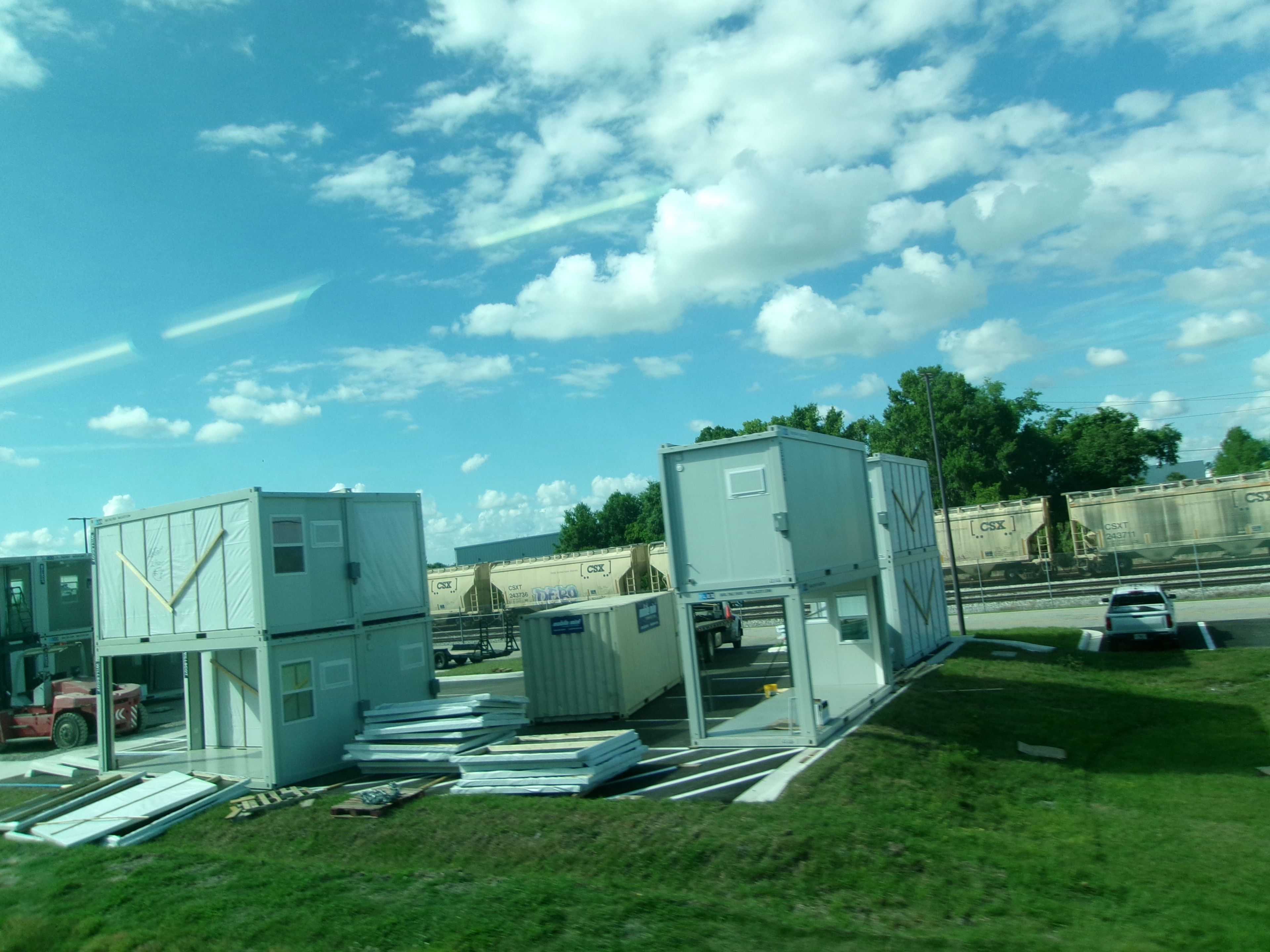
On this page
- 01Do you need a permit for a shipping container?
- 02Quick answer
- 03How zoning treats a container
- 04Temporary vs permanent placement
- 05HOA and deed restrictions
- 06Setbacks and lot coverage
- 07What usually triggers a building permit
- 08Agricultural exemptions
- 09What happens if you skip the permit
- 10Questions to ask your building department
- 11Frequently asked questions
- 12Get a free quote
Do you need a permit for a shipping container?
The container is picked out and the delivery priced, and then someone asks the question nobody budgets time for: does the city need to sign off first? The answer is sometimes, and the details that decide it are consistent from place to place.
This guide covers containers used for storage or temporary space on residential and commercial land: how zoning classifies the box, what turns it into a regulated structure, and what to ask your building department. If you plan to live in one, permitting is a different process with higher stakes; our container homes guide covers dwellings and ADUs.
One caveat up front: rules vary by city, county, and HOA, and this article is general guidance, not legal advice. Treat what follows as the questions to ask, not the final answer for your address.
Quick answer
In many places, an unmodified container used for short-term storage needs no building permit, though it may need a simple placement or temporary-use permit. The longer it stays, the more the code treats it like a shed: setback, lot-coverage, and sometimes appearance rules apply, and a building permit usually enters once you add a foundation, utilities, or people working inside. Your building department has the final word.
How zoning treats a container
Zoning codes rarely contain a chapter titled shipping containers. Most jurisdictions slot the box into an existing category, and the category decides the rules:
- Temporary structure. Placed for a limited window, often during a move, a renovation, or a construction project. Many cities allow this without a permit or with a simple over-the-counter one, but a time limit comes attached.
- Accessory structure. A container that stays becomes, in the code's eyes, the same thing as a detached shed or garage. Setbacks, lot-coverage limits, and sometimes appearance standards now apply, and a permit is more likely.
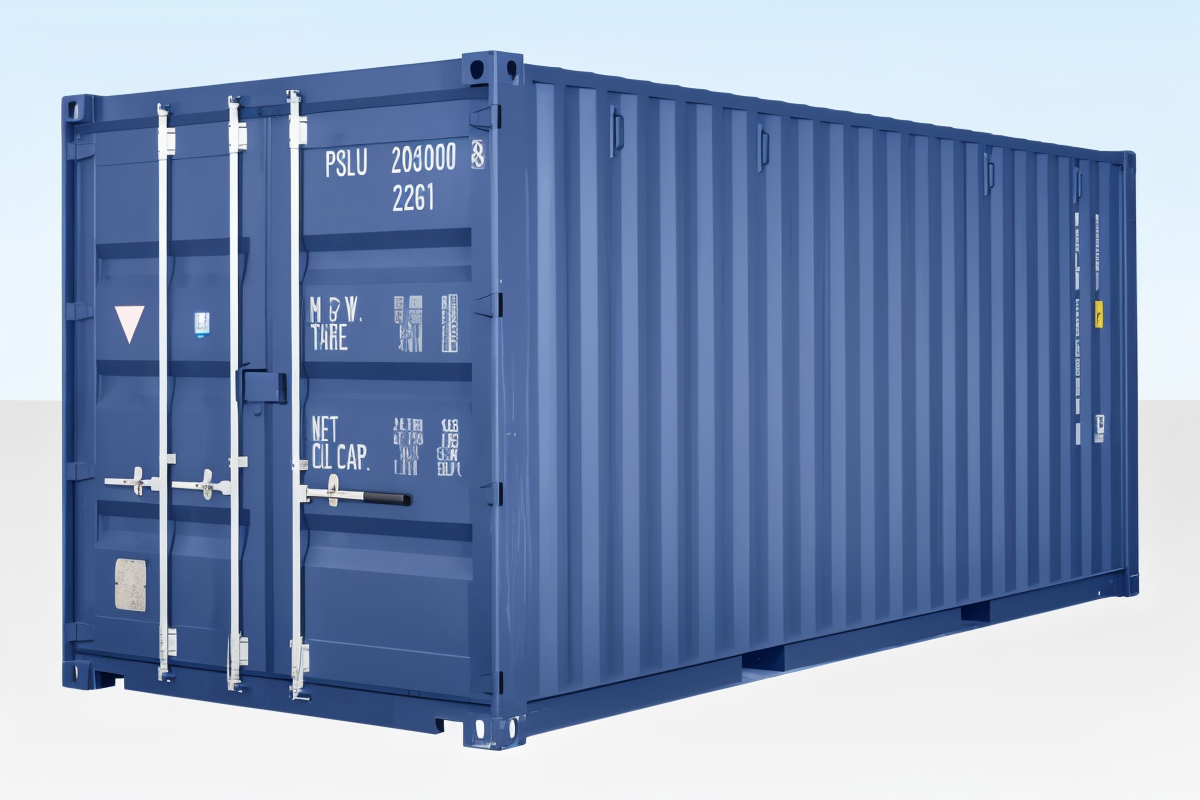
The unit itself matters less than buyers expect. A 20ft one-trip container (one-trip meaning it carried a single cargo load from the factory, so it arrives near-new) is treated the same as a 20-year-old box by most codes; what matters is where it sits, how long, and what happens inside.
Temporary vs permanent placement
Time is usually the first fork. Many jurisdictions allow a container on residential land for a defined temporary window, commonly somewhere between 30 and 180 days, sometimes under a renewable temporary-use permit. Past that window, the container graduates to accessory-structure status with everything that entails.
The clock generally starts at placement, not first use, and planning to move it eventually does not reset it. If the container will stay for years, permitting it as an accessory structure up front is usually cheaper than converting a temporary placement after a violation notice.
HOA and deed restrictions
City approval and HOA approval are separate gates, and you may need both. A homeowners association can prohibit containers outright, restrict them to a screened side yard, or cap how many days one may sit in a driveway. Deed restrictions on the land can do the same without an HOA. Read your covenants before you order, because a county permit does not override them.
Setbacks and lot coverage
Once a container counts as an accessory structure, 2 zoning numbers matter most:
- Setbacks the minimum distance a structure must keep from property lines, easements, and sometimes other buildings. A container that fits your yard can still fail your setbacks.
- Lot coverage a cap on how much of the parcel structures may occupy. If the lot already carries a house, a garage, and a deck, a 40ft box can push you over the limit.
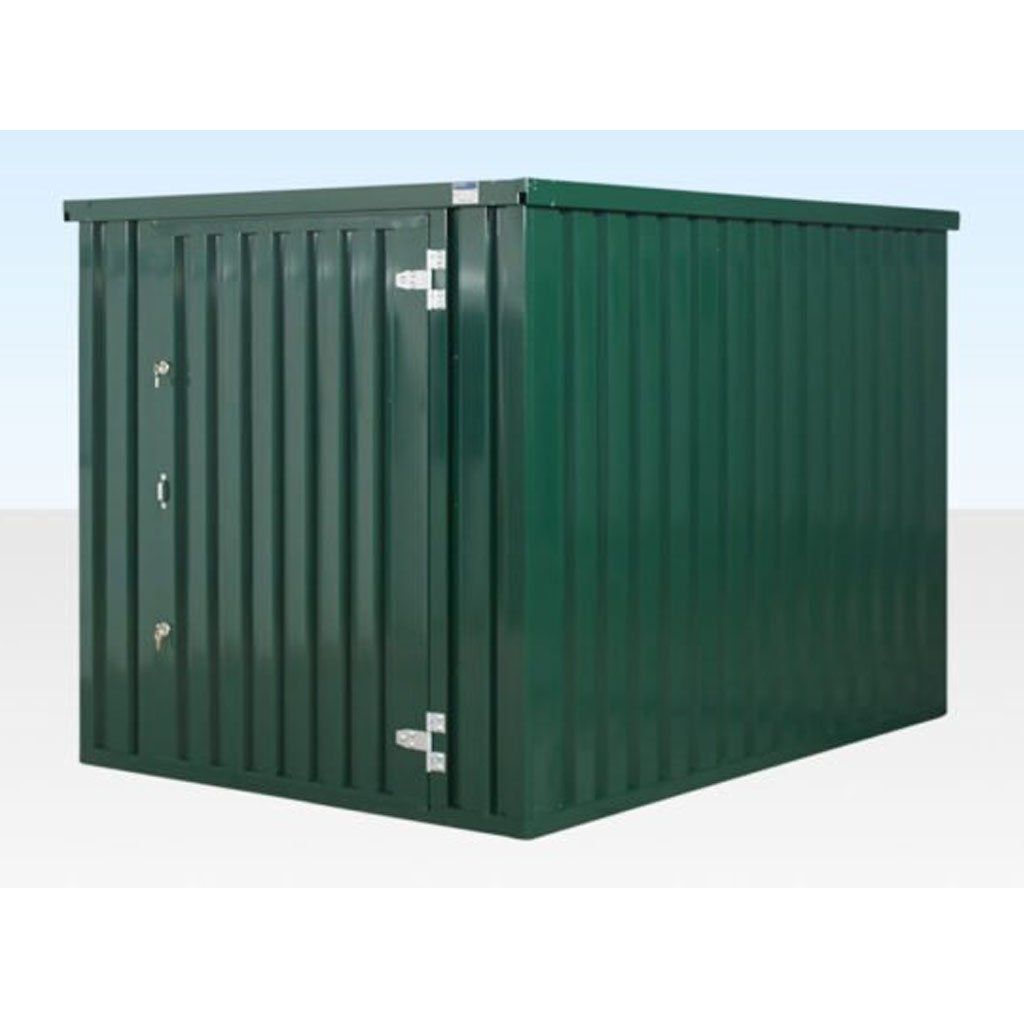
Size can work in your favor. Many codes exempt small accessory structures under a square-footage threshold from building permits, and a compact unit such as a 3m x 2.1m flat-pack storage container (flat-pack meaning it ships as panels and bolts together on site) may sit under the shed threshold some codes set. That is a may: thresholds differ, and setback rules usually still apply even where the permit is waived.
What usually triggers a building permit
Across jurisdictions, 3 changes reliably move a container from placed object to regulated construction:
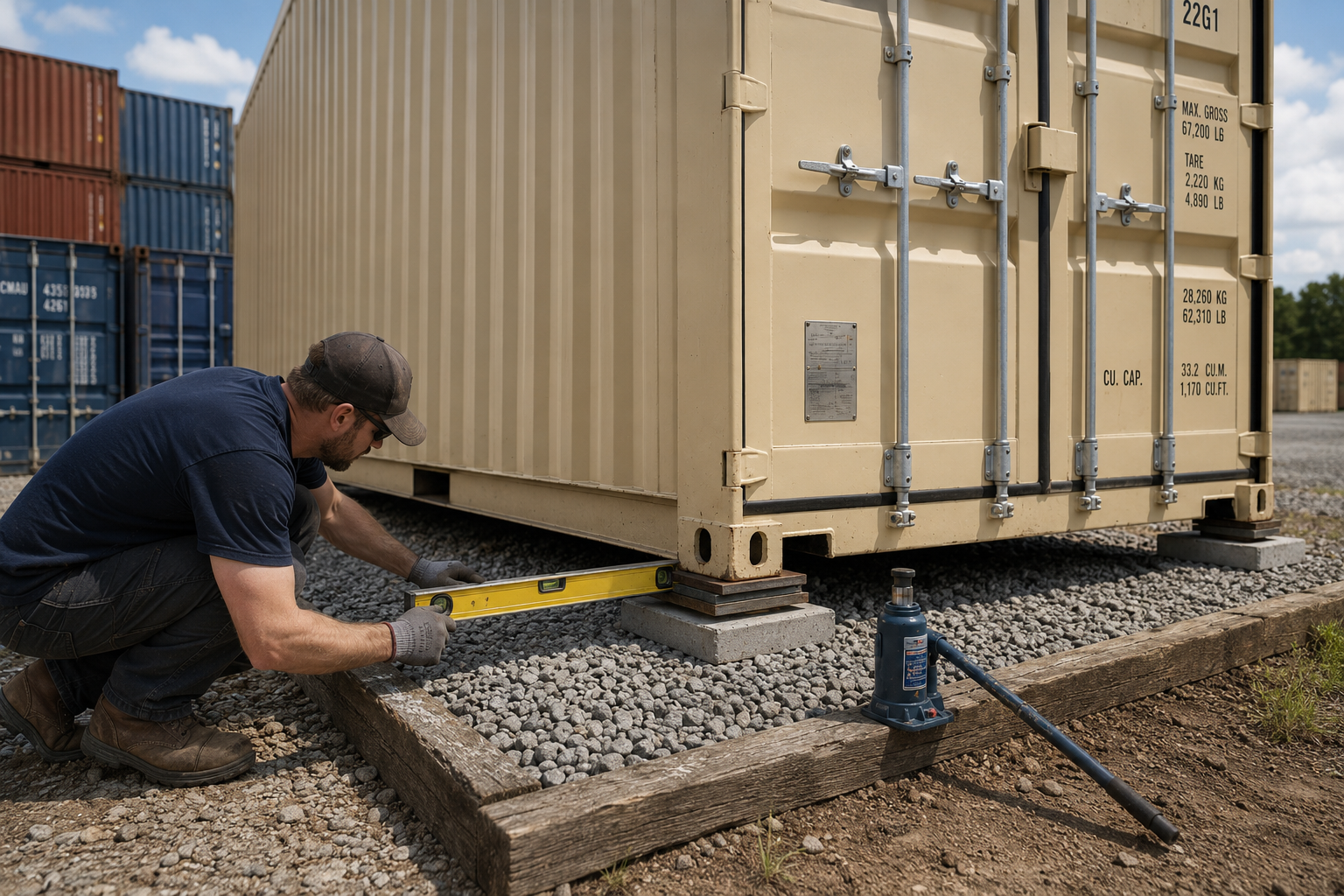
- A foundation. Anchoring the unit to piers, a slab, or footings reads as permanent construction in most codes. Our guide to shipping container foundations covers which base fits which use; decide before you call, because on-grade and anchored placements can be permitted differently.
- Utilities. Permanent electrical service, plumbing, or HVAC connections almost always require trade permits and inspections, whatever the container is used for.
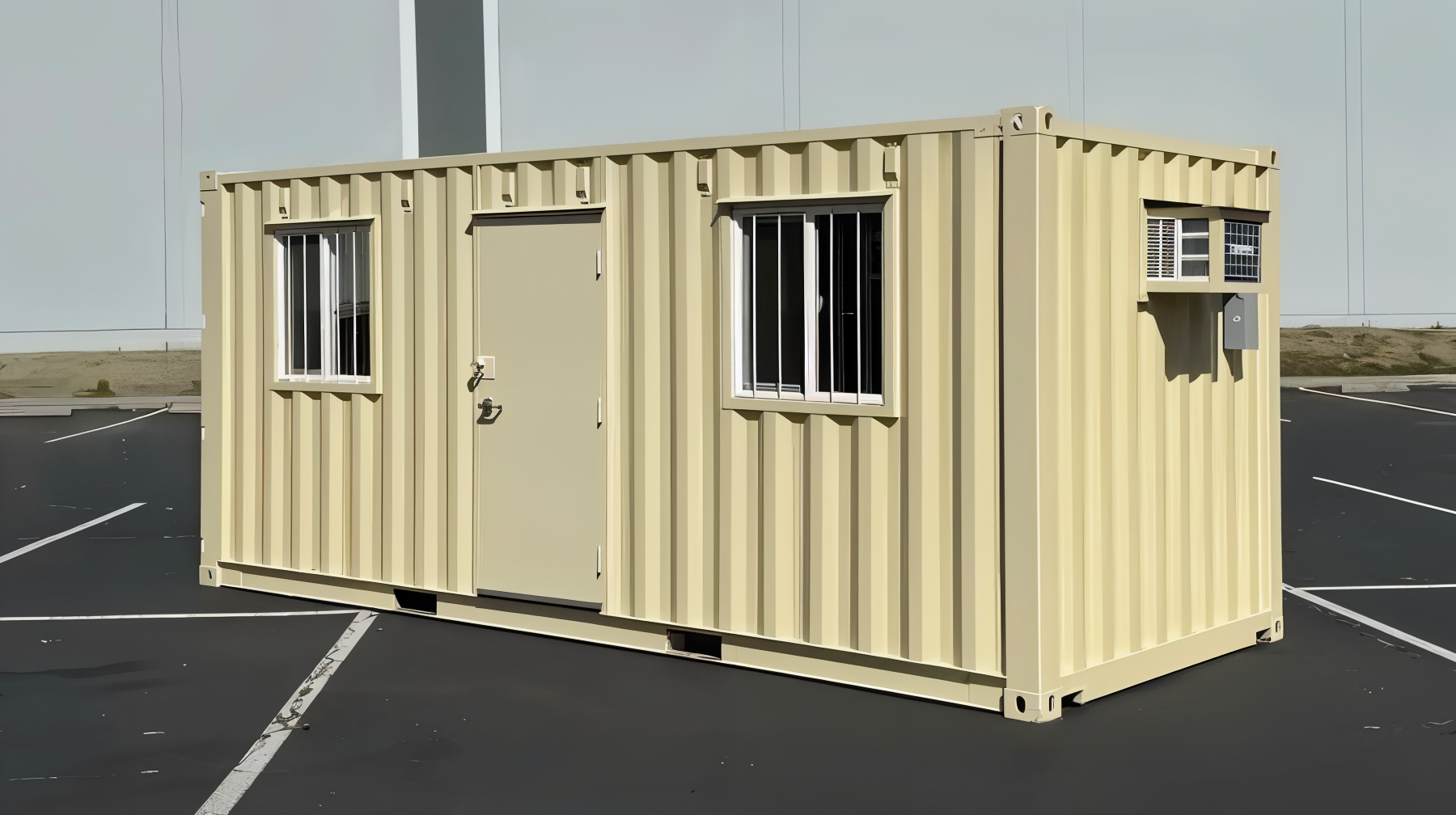
- Occupancy. People regularly working inside changes the classification. A jobsite unit such as a 20ft ground level office container often runs under a construction or temporary-use permit for the life of the project, while a permanent office goes through commercial plan review. Schools placing classroom units sit at the far end of the same scale, with full commercial permitting plus fire and accessibility review.
Agricultural exemptions
Farm and ranch land is often the lightest-touch case. Many counties exempt agricultural buildings on qualifying land from building permits, and a container storing feed, tools, or equipment frequently rides under that exemption. The limits matter: it typically covers agricultural use on agriculturally zoned or assessed land, not any container that happens to be rural, and floodplain or setback rules can still apply. If your parcel has an ag classification, ask the county specifically whether container storage qualifies.
What happens if you skip the permit
Skipping the question does not make it go away; it changes who raises it. Unpermitted containers usually surface through a neighbor complaint, an aerial imagery review, or an inspection when the property sells or refinances. The common sequence is a notice of violation with a window to comply, daily fines in some cities, and, in stubborn cases, an order to remove the container at your expense. Retroactive permits are often possible but cost more than doing it in order, and a box that cannot comply, for example one parked inside a setback, has to move.
Questions to ask your building department
Call or visit the planning counter with your parcel number and ask:
- Is a shipping container allowed under my property's zoning, and is it classed as temporary or as an accessory structure?
- Is there a time limit for temporary placement, and is a temporary-use permit available?
- What setback and lot-coverage limits apply to accessory structures on my lot?
- Does an unmodified storage container under a certain size need a building permit at all?
- What changes if I anchor it, connect power, or work inside it?
- Are there screening, color, or appearance requirements?
- If my parcel is agricultural, does container storage qualify for an exemption?
Bring a site sketch with distances to the property lines; staff answer a marked-up drawing faster than a hypothetical. And check your HOA covenants separately, because the county will not.
Frequently asked questions
How long can a temporary container stay without a permit?
It varies, but 30 to 180 days is a common range, sometimes under a temporary-use permit tied to a move, a renovation, or a construction project. Confirm the window locally; the clock usually starts the day the container lands.
Does the delivery itself need a permit?
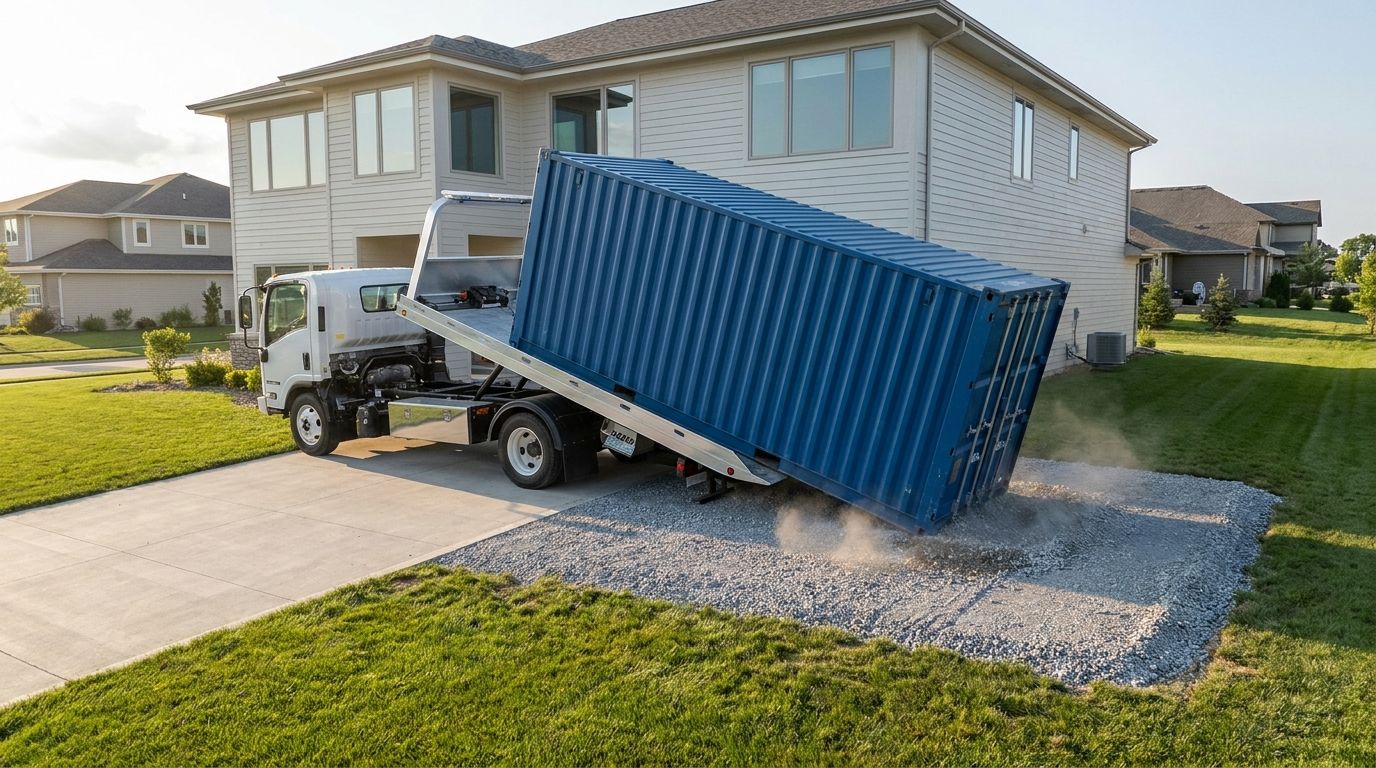
Usually not, though some cities require a right-of-way or encroachment permit if the truck or the container occupies a street or sidewalk during placement. A tilt-bed (roll-off) truck slides the container off at ground level, with no crane or forklift, and we check site access and clearance before delivery, so flag any street placement when you book.
Get a free quote
Once your building department confirms the placement works, the rest is simple. Tell us what the container will hold, where it will sit, and what the county said, and we will match a unit to it, check site access and clearance before delivery, and send a free, itemized quote with no hidden fees, so what we quote is what you pay. Every unit is inspected and graded before delivery, and we reply within 1 business day.