Shipping Container Foundations: Do You Need One and Which Base to Choose
Do shipping containers need a foundation? It depends on use, duration, and ground. A guide to blocks, gravel, piers, and slabs, plus the tradeoffs.
 Editorial TeamEditorial Team7 min read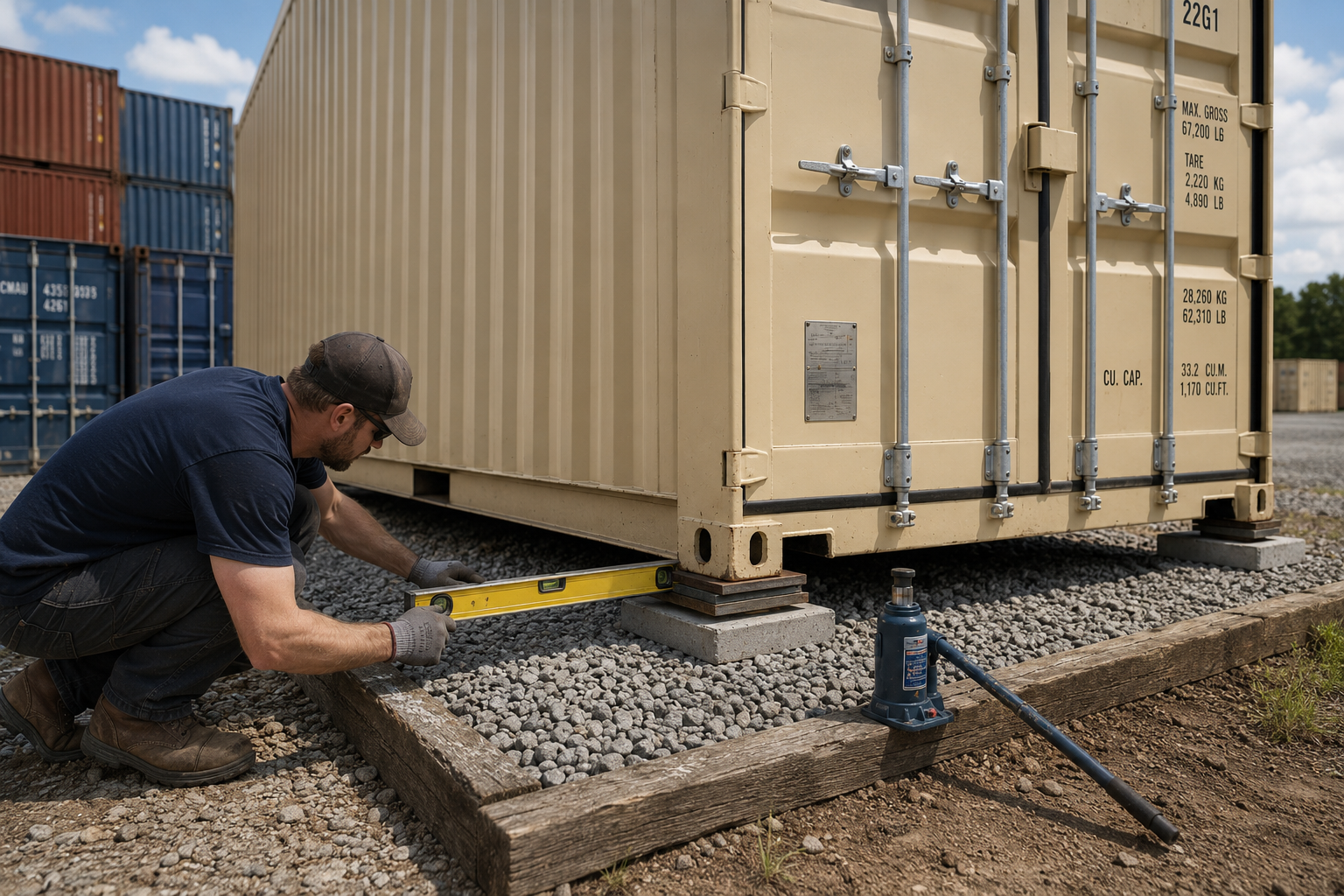
On this page
- 01Quick answer: when you need a foundation
- 02How a container carries its weight — the corner-casting load path
- 03Foundation options, from simplest to most permanent
- 04Match the base to the container and the use
- 05Soil, drainage, and climate
- 06Leveling — shim the corners so the doors stay square
- 07Permits and the delivery reality
- 08Frequently asked questions
Before you put down a deposit, one question quietly decides everything else: can your site actually take the container? Where the unit will sit, how level the ground is, and how long it will stay there shape both the base you build and whether the delivery truck can even set it down. The foundation decision gates the purchase, so it is worth settling before you choose a size or condition.
This guide walks through whether you need a foundation at all, the 4 common base options from simplest to most permanent, and how to match the base to your container and your use. It sticks to general engineering guidance, not a one-size answer, because the right base depends on your ground, your climate, and what you plan to do with the unit.
Quick answer: when you need a foundation
It depends on three things: use, duration, and ground. A storage container dropped on firm, level ground for a season or two can often sit on something simple — railroad ties, concrete blocks, or a compacted gravel pad. The container is a self-supporting steel box, so it does not need a continuous footing just to hold cargo.
The calculus changes once the unit becomes permanent, modified, or lived-in. A container office, a unit with cut openings, anything that needs to stay square for doors and windows, or a structure a building department will inspect typically calls for real footings — piers or a slab. The longer it stays and the more you cut into it, the more the base matters.
How a container carries its weight — the corner-casting load path
Here is the detail that explains every base choice below. A shipping container is engineered to be lifted, stacked, and carried by its 4 corner castings — the heavy steel blocks at each corner, and its bottom side rails. The floor is not the structural member; it rides on cross-members between the rails. So you support the corners, not the middle of the floor.
For a 20ft container, supporting the 4 corners is usually enough. For a 40ft unit, the longer span means most installers add support at the mid-points as well, so the rails do not sag over time. This is why a base is really a set of bearing points under the corners and rails — not a pad the whole floor presses on.
Foundation options, from simplest to most permanent
Bare ground on blocks or ties
The simplest base sets the corners on concrete blocks, railroad ties, or pressure-treated timbers laid on firm, level ground. It wins for short-term storage on stable soil where you want the unit off the dirt for airflow and drainage. The tradeoff: blocks can settle or shift on soft or sloping ground, and there is no protection against a site that holds water.
Gravel pad
A compacted crushed-stone pad, commonly 4 to 6 inches of gravel over a leveled, tamped base (deeper on softer soils), is the most popular all-purpose foundation. It wins because it spreads the load, drains well, and keeps the underside dry. Build it a bit larger than the container footprint so water sheds away from the edges rather than pooling under the unit. The tradeoff is the up-front grading and compaction work.
Concrete piers or footings
Poured concrete piers placed under each corner casting (and mid-points on a 40ft unit) give you fixed, load-bearing points that will not settle the way blocks can. They win on uneven ground, on slopes, and for permanent installs where you want the unit dead level for years. In cold climates they let you carry the footing below the frost line. The tradeoff: more excavation, forms, and cure time than a gravel pad.
Full concrete slab
A reinforced slab is the most permanent option. It gives a clean, sealed surface, the best support for heavy or multi-container layouts, and a finished floor for offices or living space. It wins for container homes, workshops, and anything inspected as a permanent structure. The tradeoff is cost and commitment: it is the most expensive base and the hardest to undo. For real numbers, see our breakdown of how much a shipping container costs before you budget the site work.
Match the base to the container and the use
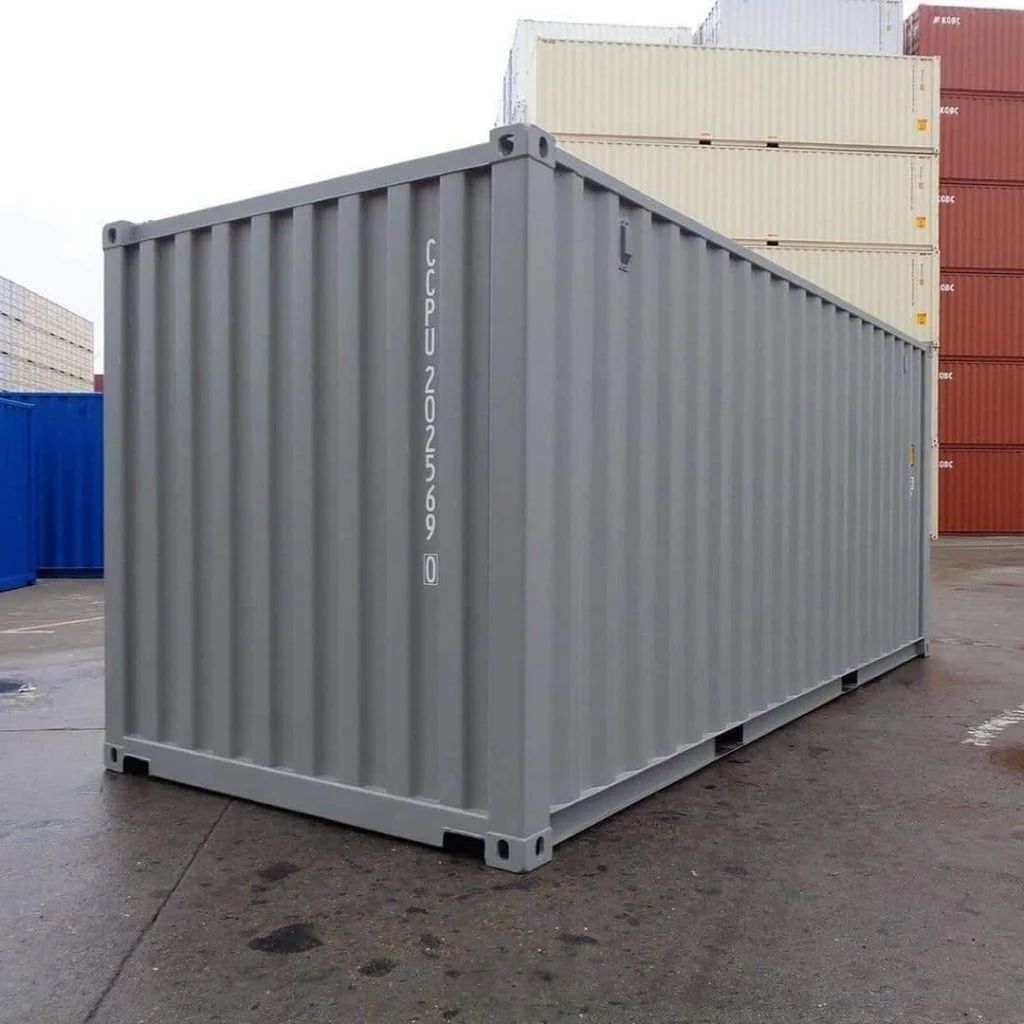
The base scales with three things: weight, permanence, and whether you cut the steel. A 20ft storage unit, say a 20ft standard dry container in one-trip condition (used for a single cargo voyage, so close to new), left intact for storage is the lightest case, and a gravel pad or blocks usually does the job.
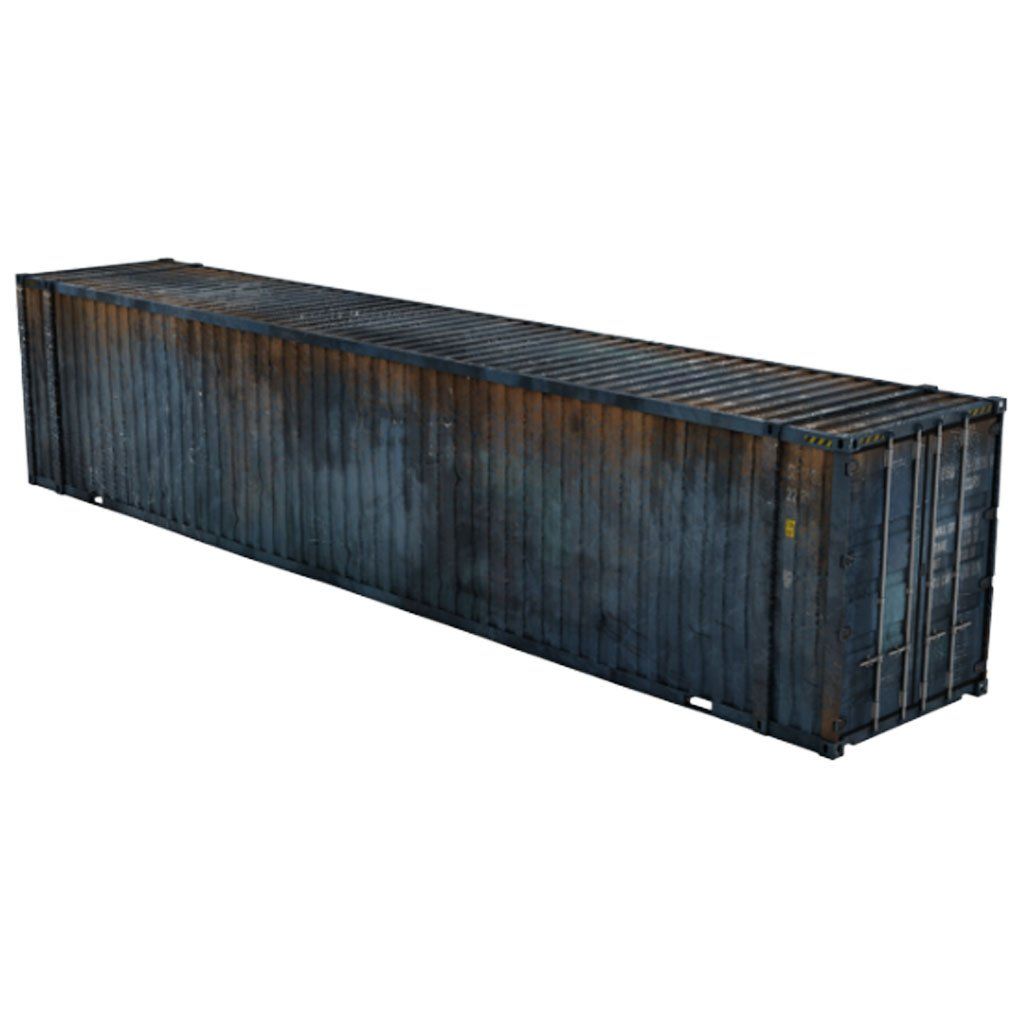
Step up to a 40ft modified office and the picture shifts. A 40ft high cube container (high cube meaning a foot taller than a standard container) spans farther and needs mid-point support. And once you cut doors and windows for container offices and on-site workspaces, you remove some of the box's built-in rigidity, so a stiffer, more level base — piers or a slab — keeps the frame from racking and the doors swinging true.
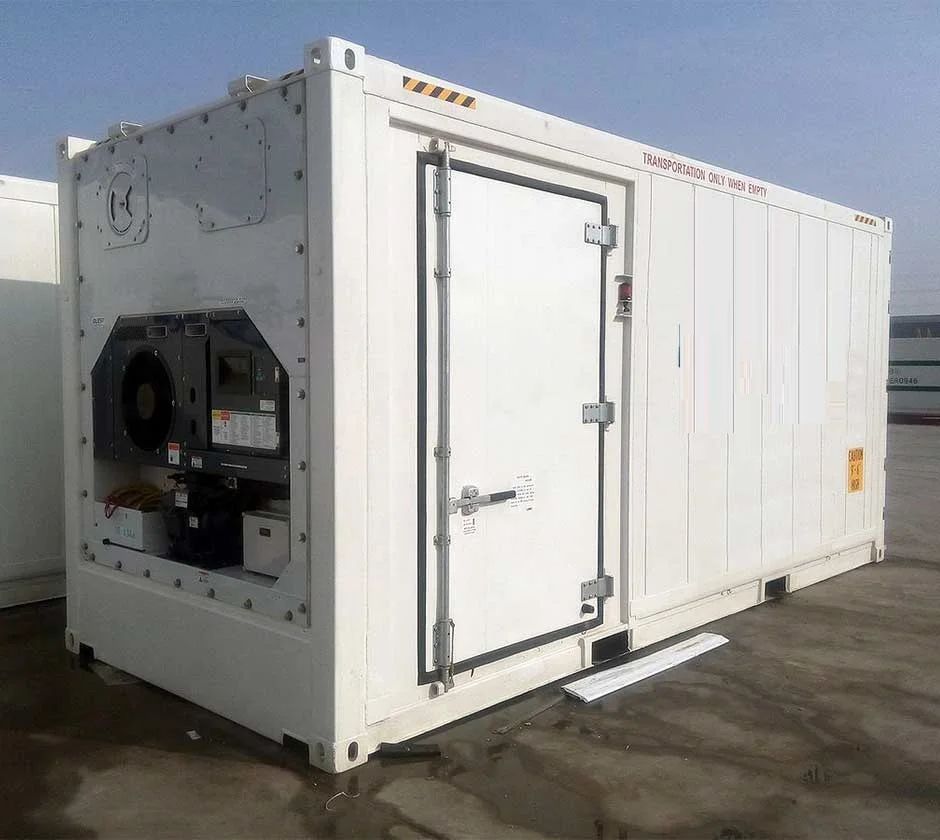
A container home or a refrigerated unit sits at the demanding end. A reefer like a 20ft refrigerated container carries extra weight and runs equipment, and a home will be inspected and lived in — both lean toward piers or a slab. As a rule: the heavier the unit, the more permanent the install, and the more you cut into the steel, the stiffer the base needs to be.
Soil, drainage, and climate
Ground conditions can override the general rules above, so read your site before you pick a base. Expansive clay swells and shrinks with moisture and can lift or drop a poorly supported corner; on that soil, fixed footings carried below the active zone are safer than blocks. In cold metros, water in the soil freezes and pushes upward (frost heave), which is why piers in those regions are set below the local frost line so the footing sits in stable ground.
Whatever the soil, keep water from collecting under the unit. Grade the site so it sheds away from the container, crown a gravel pad slightly, and avoid setting the unit in a low spot. On a slope, do not just chock the downhill end — step the footings or build up the low side so all bearing points are solid. Standing water is the enemy of both the floor and the base. Treat this as general guidance and confirm specifics for your soil and region.
Leveling — shim the corners so the doors stay square
A container set out of level twists the frame, and a twisted frame is what makes doors bind, drag, or refuse to latch. Level across both diagonals and shim under the corner castings — steel plates or solid pads, not loose wood that crushes — until the unit sits flat and the doors swing and seal cleanly. A level set is not cosmetic; it is what keeps the doors square and the box weathertight over time. It is far easier to get this right at delivery than to re-level a loaded container later.
Permits and the delivery reality
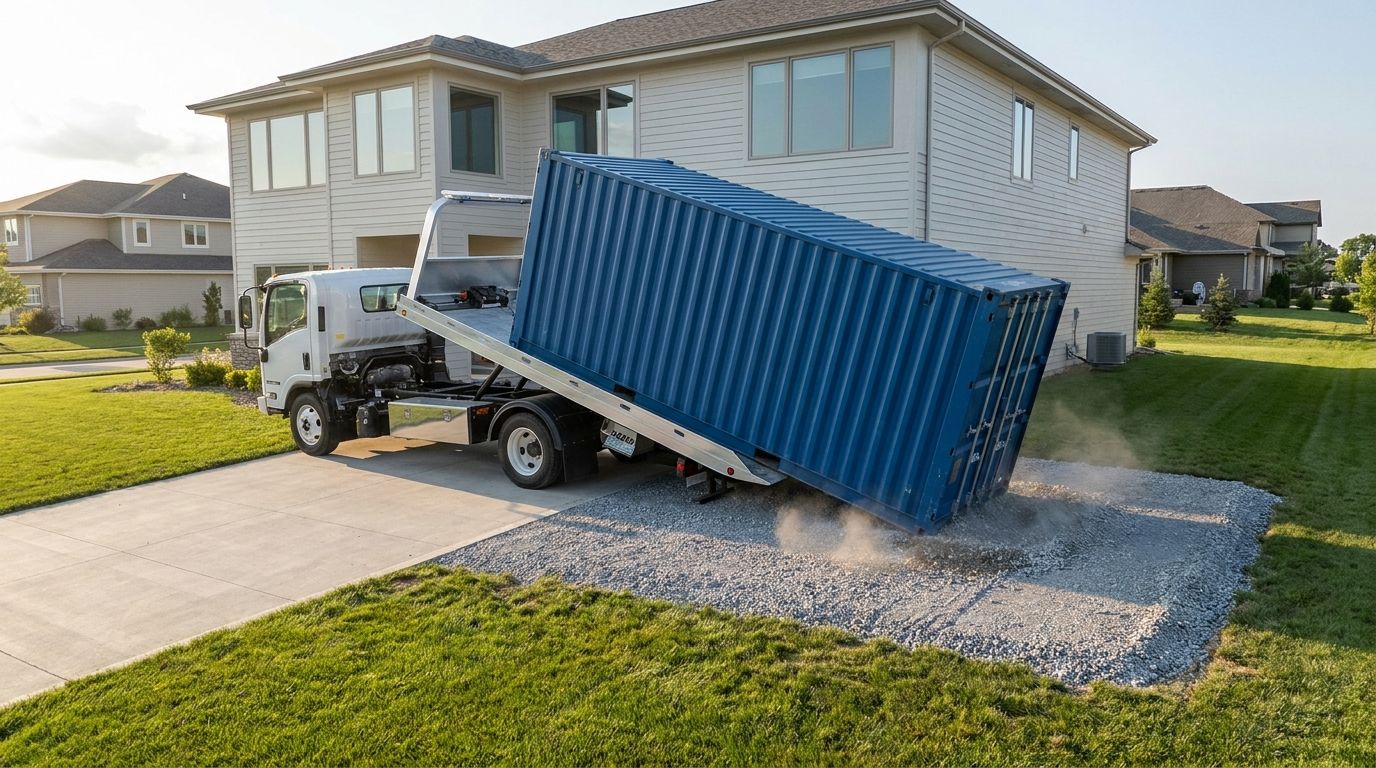
Foundation and delivery are one conversation, not two. Most containers arrive on a tilt-bed truck (the bed tilts and the unit slides off as the truck rolls forward), which needs firm, level ground with clear approach and overhead room the day it arrives. Soft or sloped ground that bogs the truck or prevents a clean set will stop the delivery cold, so your base has to be ready before the unit shows up. Our guide to preparing your property for delivery covers the approach, clearance, and surface checks in detail.
Permits are the other half. Whether you need one — and what foundation a code official requires — varies by use and locality. Temporary storage is often treated differently from a permanent or occupied structure, and a slab or footing may trigger a building permit. Check your local code and zoning before you build the base. This is general information, not legal advice.
Frequently asked questions
Do shipping containers need a foundation?
Not always. For short-term storage on firm, level ground, blocks or a gravel pad under the corners is often enough. Permanent installs, modified units with cut openings, and anything inspected as a structure generally need real footings — piers or a slab.
Gravel pad or concrete — which is better?
A gravel pad drains well, spreads the load, and costs less, which makes it the go-to for most storage and many semi-permanent uses. Concrete piers or a slab cost more but give fixed, dead-level support for permanent, heavy, or inspected installs. Choose by permanence and ground conditions, not price alone.
Can a shipping container sit on dirt?
It can, but it is not ideal. Set directly on dirt, the unit traps moisture against the underside, can settle unevenly, and is prone to shifting. Lifting it onto blocks or a gravel pad keeps the steel off wet ground and gives a more stable, longer-lasting set.
How level does a container need to be?
Level enough that the doors swing freely and seal, with the corners shimmed so the frame is not twisted across its diagonals. Even a modest twist can bind the doors, so it is worth getting right at delivery. See new vs used containers for how condition affects how true a unit sits, and our standard dry containers range for intact storage options.
Ready to size up your site?
Tell us your use and ground and we will help you choose the right unit and base.