Shipping Container Modifications: What's Possible
Shipping container modifications turn a steel box into an office, shop, or home — doors, windows, insulation, power. Here is what is possible and what it costs.
 Editorial TeamEditorial Team6 min read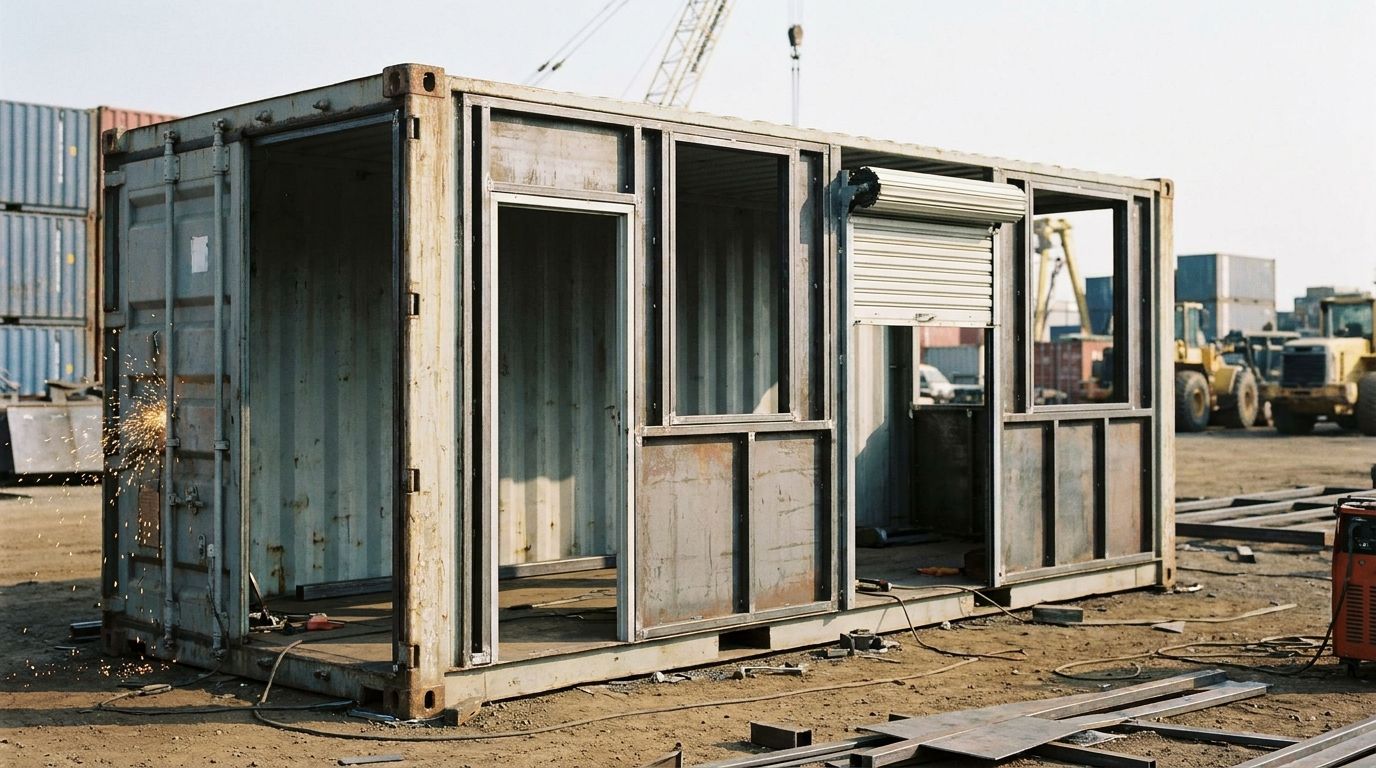
On this page
- 01Shipping container modifications: what's possible
- 02What counts as a modification
- 03Common modifications
- 04The structural reality of cutting steel
- 05Finish levels
- 06The tradeoff: every change adds cost and lead time
- 07DIY versus done-for-you
- 08Permits and code
- 09Frequently asked questions
- 10Get a free quote
Shipping container modifications: what's possible
A standard shipping container starts as a sealed steel box with one set of cargo doors. Modifications are the cuts, additions, and fit-out work that turn that box into something you can actually use: an office, a workshop, a shop, a guard booth, or a home. The short version is that a container can have almost any opening or system you would put in a small building, as long as the steel is cut and reinforced correctly. What follows is what is commonly added, the structural reality behind it, and how each change moves the price and the lead time.
What counts as a modification
A modification is any change to the container beyond its as-delivered cargo state. That covers cutting new openings, adding systems, and finishing the interior. None of it is exotic, but each item is a separate piece of work with its own labor and material cost, so the scope of a build is really a list of these line items rather than a single price.
Common modifications
Most projects pull from the same menu. You can pick a few of these or most of them depending on what the unit needs to do.
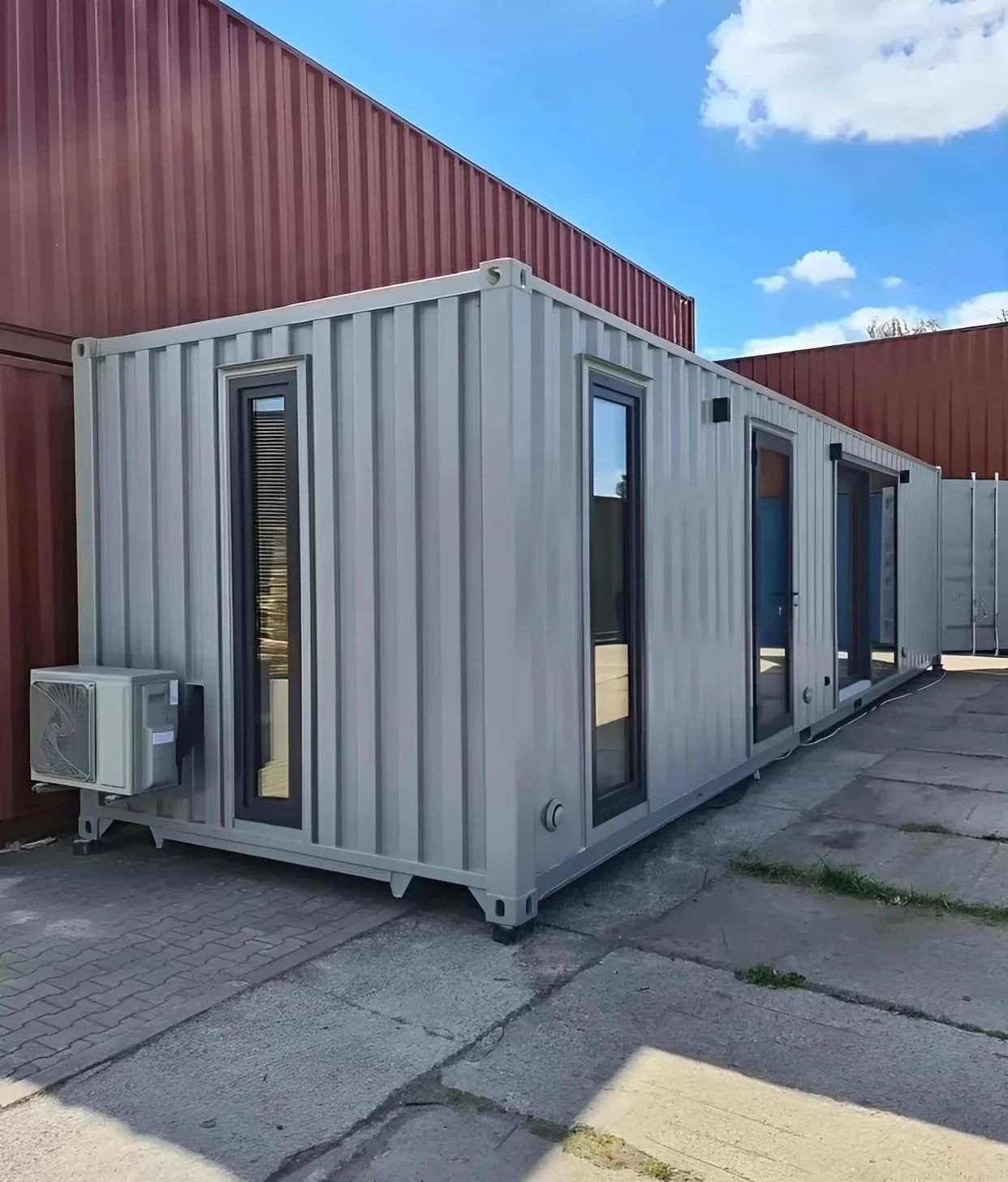
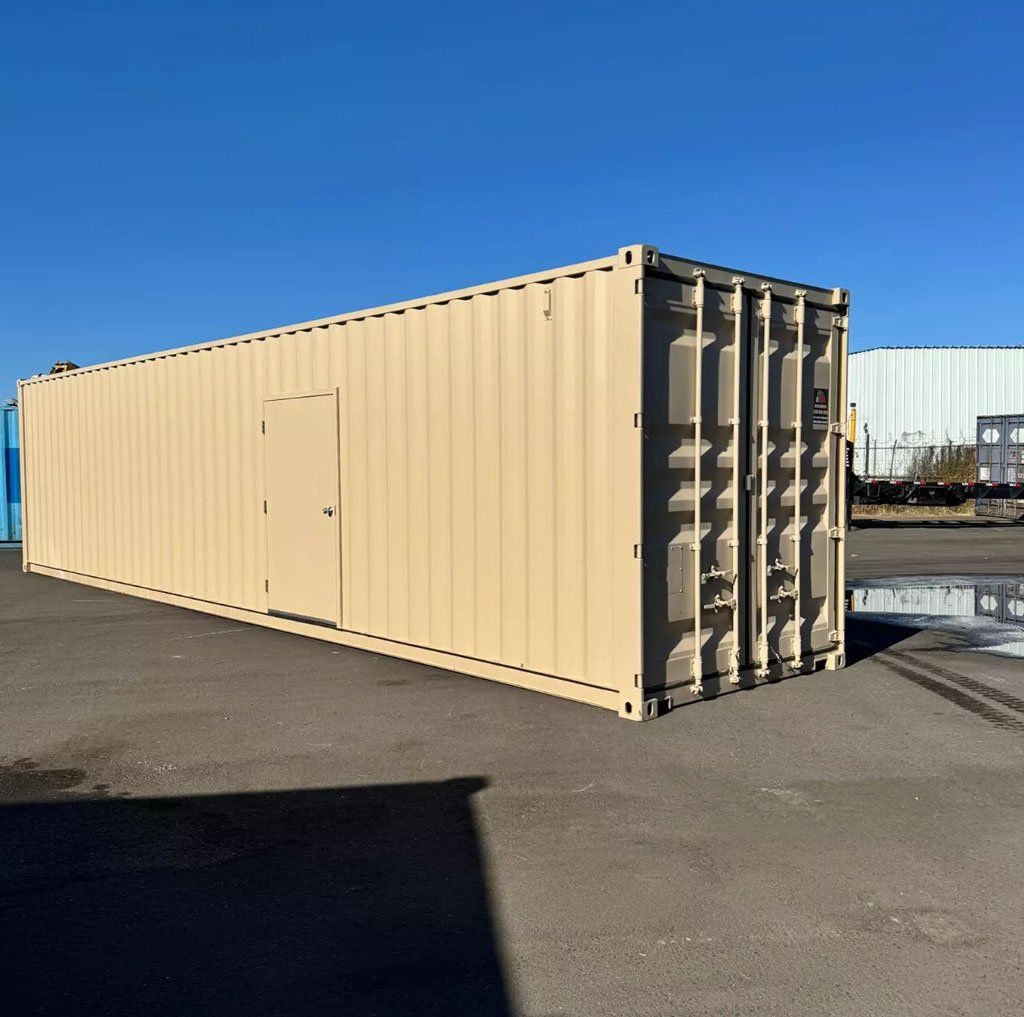
- Personnel (man) doors. A standard hinged entry door so people can come and go without opening the full cargo doors. This is the most common single modification, and a unit can come with one already fitted, like this 40ft container with man door.
- Roll-up doors. A garage-style overhead door for drive-in access, loading, or a roadside service window.
- Windows. Fixed, sliding, or awning windows for light and views, usually with security bars or shutters if the unit sits unattended.
- Vents. Passive louvers or powered fans to move air and cut the condensation that builds inside a sealed steel box.
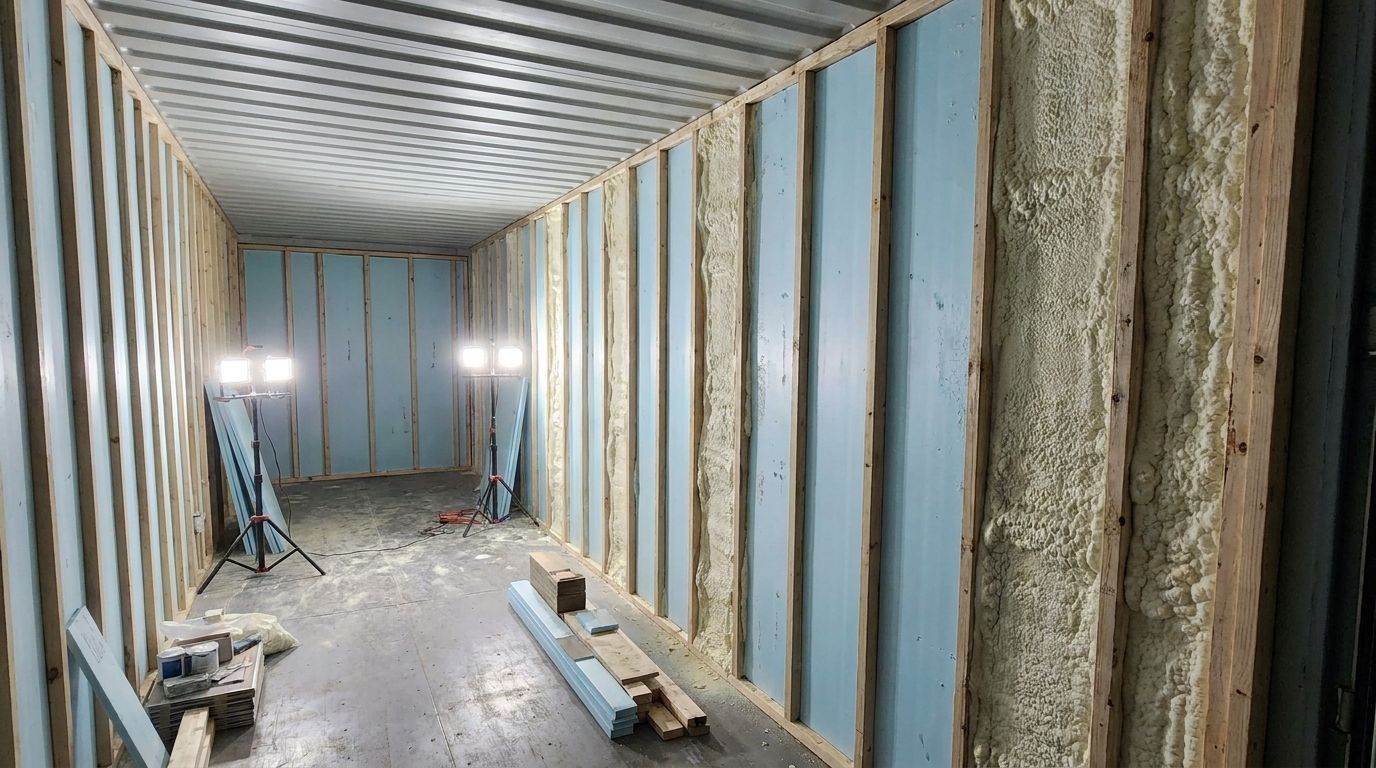
- Insulation. Spray foam, rigid board, or a framed batt cavity to control temperature and stop the steel from sweating. The choice of system drives both comfort and cost, which our guide on how to insulate a shipping container breaks down.
- Electrical and HVAC. Lights, outlets, a breaker panel, and a heating or cooling unit so the space is usable year-round.
- Wall and ceiling lining. Plywood, FRP panels, or drywall over a frame to give a finished interior instead of bare corrugated steel.
- Partitions. Internal stud walls to split one container into separate rooms, such as an office plus a storage bay.
- Plumbing. A sink, toilet, or full washroom where the use calls for it, which adds water supply, drainage, and usually a hookup plan for the site.
The structural reality of cutting steel
A shipping container is not framed like a house. Its strength comes from the corrugated walls and the four corner castings and rails, which carry the stacking load and let the box keep its shape. Every time you cut an opening into a wall, you remove some of that load path, so the opening has to be framed back in with steel tube or angle welded around it. Skip the reinforcement and you risk the door or window racking out of square, the frame flexing, or the whole side weakening over time. This is why a window or door is more than a hole and a trim ring: it is a structural repair done in reverse. The corner castings themselves are left intact because they carry the real load, especially if the unit will ever be stacked or lifted again.
Finish levels
It helps to think in tiers, because the same container can stop at very different points:
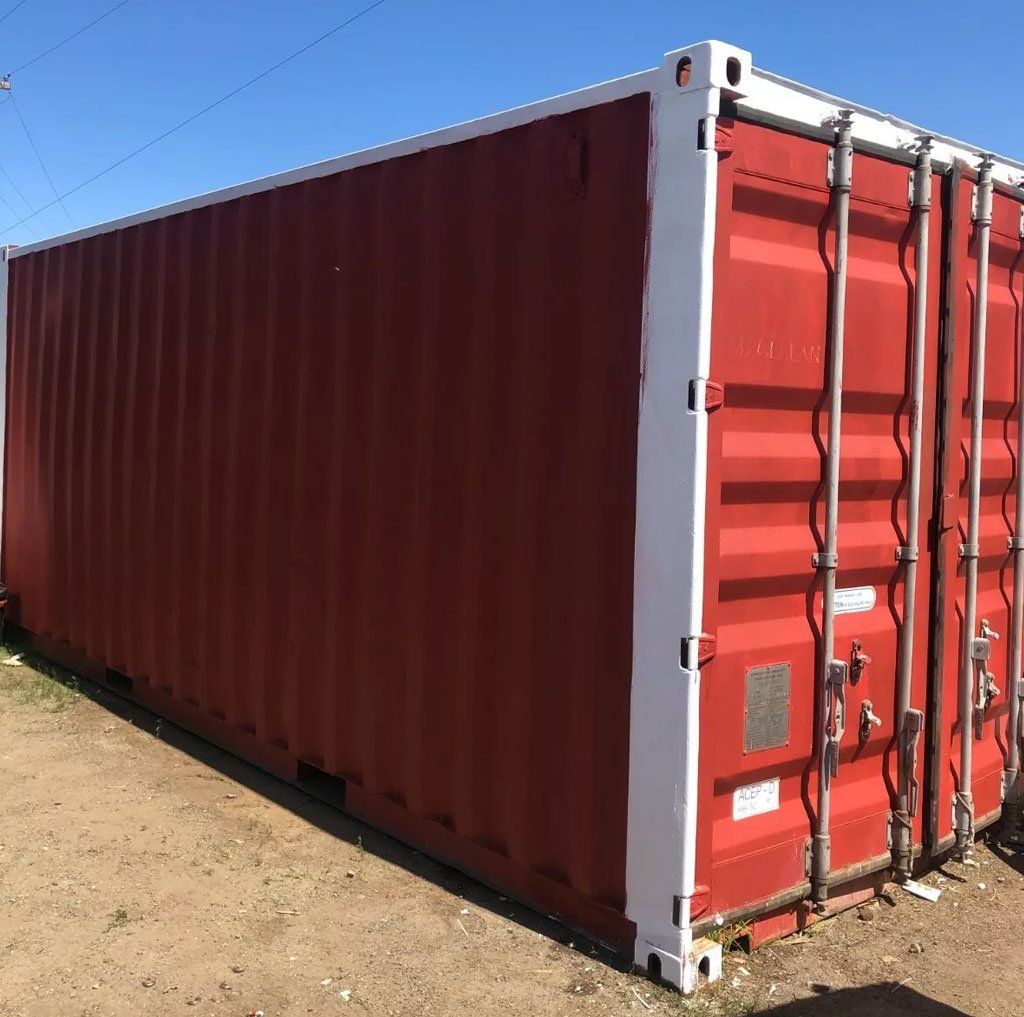
- Storage grade. Minimal or no modification, maybe a vent and a man door. The goal is a dry, secure box, not comfort.
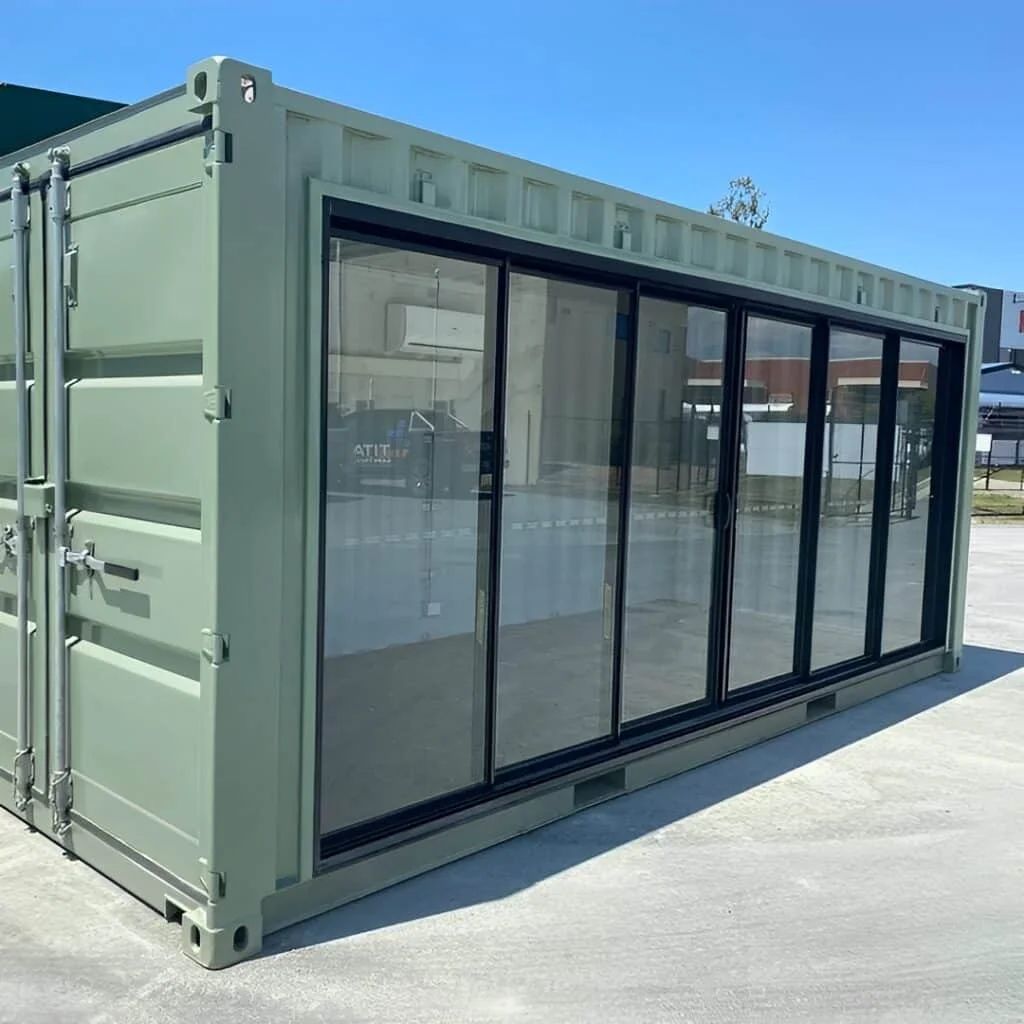
- Office grade. Insulation, lining, electrical, lighting, windows, and a heating and cooling unit, so people can work in it all day. A finished example is this 20ft container office with glass door and AC.
- Habitable grade. The full build: high insulation, plumbing, a kitchen and washroom, finished surfaces, and a layout meant for living, as in a 40ft container house. This tier carries the most cost and the most code scrutiny.
Some units are purpose-built around a single function from the start, like a 20ft insulated container greenhouse that is lined and climate-ready out of the gate rather than converted later.
The tradeoff: every change adds cost and lead time
There is no free modification. Each opening means cutting, reinforcing, fitting, and weatherproofing. Each system, whether electrical, HVAC, or plumbing, adds materials, labor, and often a longer build queue. A bare container is the cheapest and fastest thing to deliver; a fully fitted office or home is the most expensive and takes the longest. That is not a downside so much as the basic math of the work, and it is why a custom unit is quoted to its exact scope rather than from a flat rate. The more boxes you tick on the list above, the more the price and the timeline move.
DIY versus done-for-you
Some modifications are realistic for a capable owner: bolting on a vent, lining a wall, or fitting a window kit into a pre-framed opening. Cutting and reinforcing structural steel, wiring to code, and plumbing are where most people bring in a professional, because a bad cut weakens the box and bad wiring is a safety and inspection problem. The reasonable middle ground for many buyers is to have the structural and system work done to spec and handle the lighter cosmetic finishing themselves.
Permits and code
Whether a modified container needs a permit depends on what it is and where it sits. A storage box on a job site is treated very differently from an occupied office or a dwelling, and rules vary by city, county, and HOA. Occupied and habitable units in particular tend to trigger building, electrical, and sometimes zoning review. Confirm the requirements with your local building department before you commit to a build, and treat this as general guidance, not legal advice.
Frequently asked questions
Can any shipping container be modified?
Most standard steel dry containers can be modified, and high cube units (9 feet 6 inches tall, a foot taller than a standard box) are popular for conversions because the extra height leaves room for insulation, a ceiling, and flooring without feeling cramped. The unit's condition matters too, since a sound, watertight box is a better starting point than a rusted one.
Do modifications weaken the container?
They can if done poorly. Cutting an opening removes part of the load path, so the opening must be reinforced with welded steel framing to keep the wall sound. Done correctly, a modified container stays strong; the corner castings that carry stacking and lifting loads are left intact.
How long do container modifications take?
It depends on the scope. A single man door is quick; a fully fitted office or home with insulation, electrical, HVAC, and plumbing takes considerably longer because each system is its own stage of work. The lead time is part of the quote.
Get a free quote
Tell us what you want the container to do, whether a secure store, a working office, or a place to live, and we will help you spec the modifications and send a free, itemized quote with no hidden fees, so what we quote is what you pay. Every unit is inspected and graded before delivery, and we reply within 1 business day. See our container offices solution for a workspace build, or our container homes and ADUs solution for a living-space conversion, then send us your details and the scope you have in mind to get started.