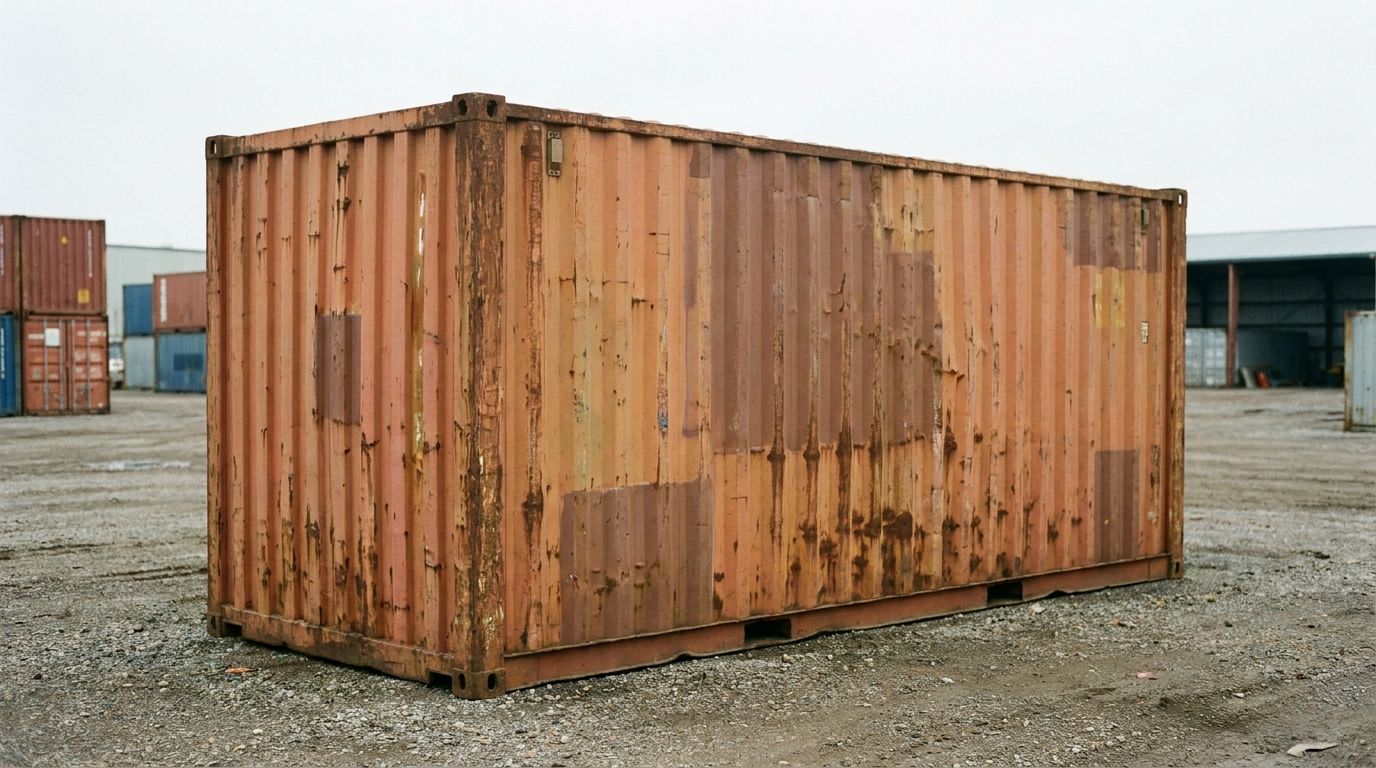
Shipping Container Roof Leak: How to Find and Fix It
A shipping container roof leak usually starts at rust, a dent that pools water, or a worn door seal. How to find the source and fix it for good.
 Editorial TeamEditorial Team6 min read
On this page
A container roof can shed water for decades, but its flat top collects rain, leaves, and snow, and any weak spot will drip sooner or later. A shipping container roof leak usually comes from one of four places: rust through worn paint, a dent that holds standing water, a failing door seal, or condensation that looks like a leak but is not one. This guide shows you how to find the source, fix small holes yourself, and recognize when the job needs a welder.
First, confirm it is a leak
Water on the floor does not always come from the roof. A container is a steel box, and warm, moist air inside condenses on the cold ceiling and drips back down. If the water shows up on cold mornings with no rain, or the whole ceiling is damp instead of one spot, condensation is the likely cause. Our shipping container ventilation guide covers vents and moisture control. Vents solve condensation, but each one is a new opening in the steel, so fit them with hoods and seal them well.
How to find the leak
Two simple tests find most roof leaks. Do the light test first, since it needs no water and no helper.
The light test
Go inside on a sunny day, close the doors, and give your eyes a minute to adjust. Pinholes and cracks show up as points of daylight. Mark each one from inside with chalk or tape. The limit of this test is that it only finds holes that go all the way through. A seam that leaks only under standing water may stay dark.
The hose test
Have one person inside with a flashlight while another runs a hose across the roof one section at a time, starting at the lowest point and working up. Starting low keeps runoff from hiding the real source. Run water along the top of the doors and the gaskets too, because door seals cause many leaks that get blamed on the roof. Our guide to container doors that are hard to open covers gasket wear and door alignment.
Common causes of a container roof leak
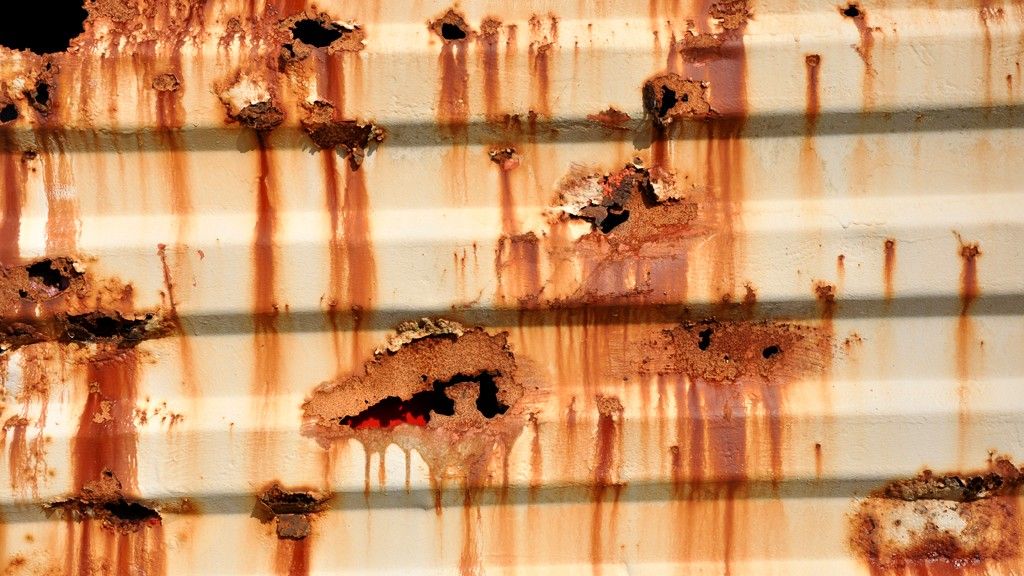
- Rust through worn paint, especially around dents and along the roof edges where water sits.
- Dents in the corrugated roof panels that collect water. Standing water speeds up corrosion.
- Door gaskets that are cracked, flattened, or torn at the top corners.
- Cracked welds or failed earlier patches.
- Holes left behind by vents, brackets, or fittings that someone added and later removed.
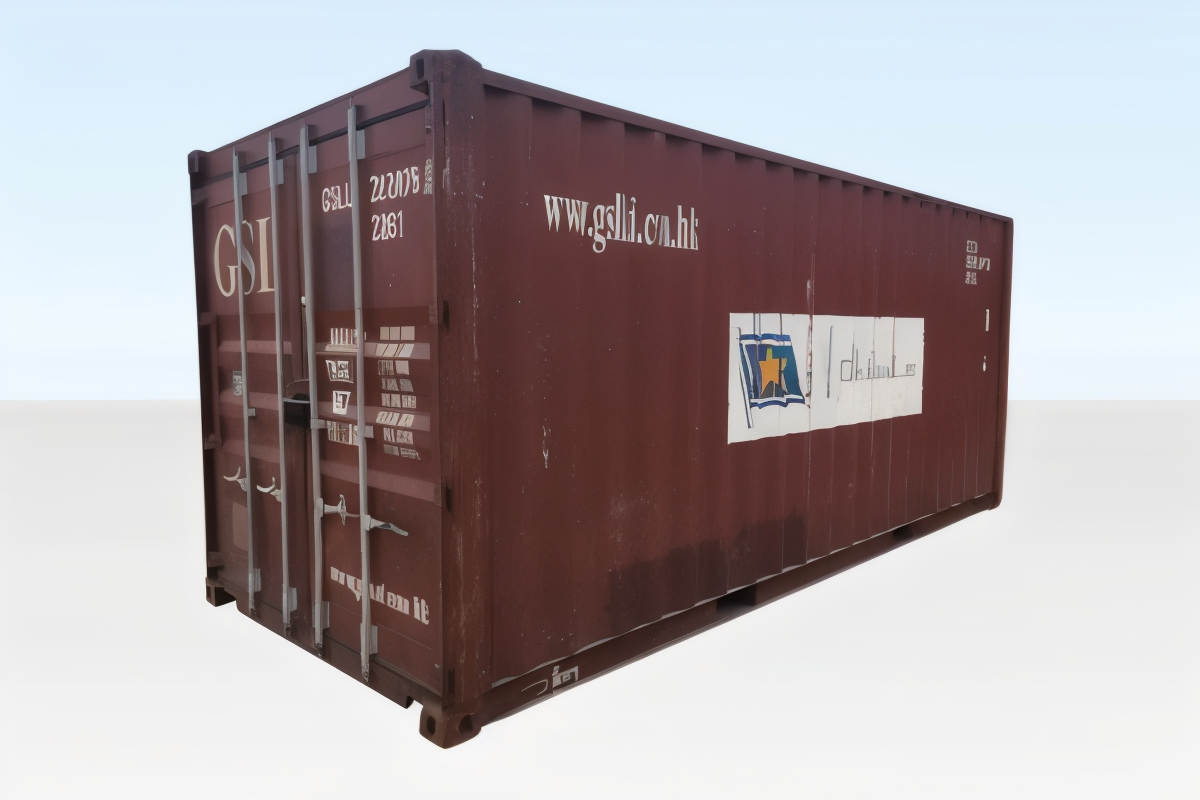
An older container that has been stacked and handled for years will show more of these than a newer unit, which is worth weighing when you compare prices.
How to fix a container roof leak
Container roofs are not built for heavy concentrated loads. Work from a ladder at the edges where you can, spread your weight on a board when you need to reach the middle, and never go up when the roof is wet or icy.
Small rust spots and pinholes
- Sweep debris and standing water off the roof.
- Wire-brush or grind the area around each hole down to bright metal.
- Apply a rust-converting or zinc-rich primer.
- Cover small holes with butyl patch tape, or with fiberglass mesh pressed into roof sealant for slightly larger ones.
- Finish with an elastomeric or liquid-rubber roof coating that runs a few inches past the repair on all sides.
Coatings and patches are quick and inexpensive, but you should check them every year. A welded patch lasts longer and costs more.
Dents that hold water
Push dents out from inside with a bottle jack and a wood block that spreads the force across the dent, raising it slowly until the roof sheds water again. Then treat any rust you find. Steel that has been dented and pushed back can crack along the fold, so repeat the light test afterward.
Large holes and rusted-through panels
A hole bigger than a coin, or a panel that flexes when you press it, needs a steel patch welded in place. That is a job for a fabricator rather than a coating. Our custom modifications service can quote roof repairs.
Worn door seals
Clean the gaskets with mild soap and check the top corners closely. Torn sections can be replaced, since door gasket is sold by the length. A gasket fix is cheaper than any roof repair, which is why it pays to rule it out first.
How to prevent leaks
- Keep the roof clear of leaves, branches, and heavy snow.
- Set the container with a very slight fall toward the back so water runs away from the doors. Too much tilt can make the doors swing or bind.
- Inspect the roof once a year and after major storms, and touch up scratches before they rust. Our guide on how to paint a shipping container covers prep and coatings.
- In cold climates, winterize your shipping container to deal with snow load and ice.
A sound roof is one of the biggest factors in how long a shipping container lasts, so small repairs now protect the whole box.
Buying a container with a sound roof
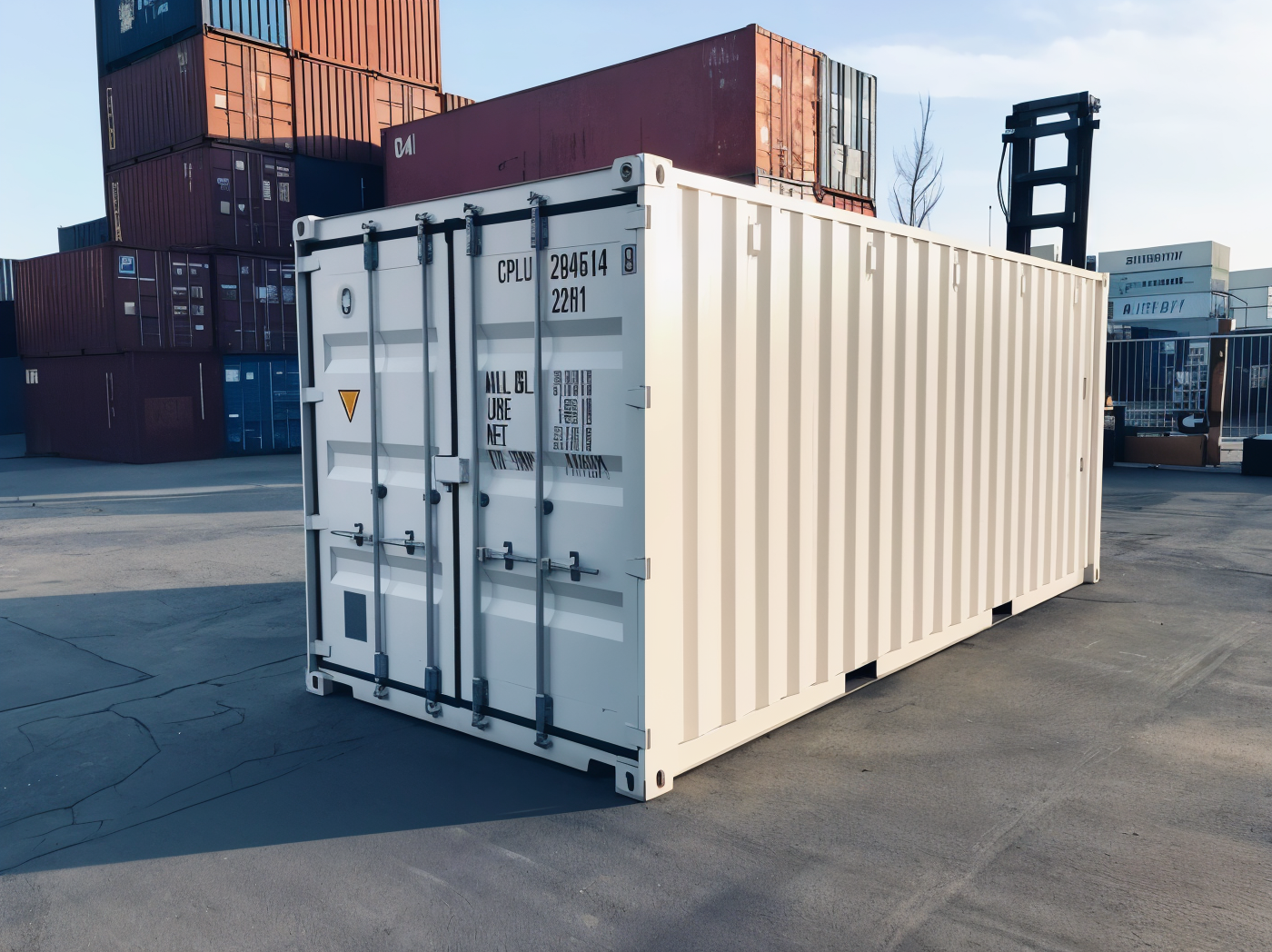
The easiest leak to fix is the one you never buy. A 20ft one-trip shipping container has made one loaded voyage, so its roof is close to new. A used unit sold as wind and watertight (WWT, meaning no holes that let in daylight or rain) has passed a check for holes but may have surface rust and dents worth treating early. A 20ft cargo worthy dry van has passed a survey for ocean shipping (cargo worthy, or CW), which sets a firmer bar for the structure. Every unit we sell is inspected and graded before delivery. You can compare options in our standard dry containers range.
Frequently asked questions
Can I use roofing tar on a container roof?
Tar works as a stopgap, but it cracks as the steel expands and contracts with heat and cold. A flexible elastomeric coating or butyl tape moves with the metal and lasts longer.
Does a container need a second roof over it?
Not for storage. A shade roof or overhang cuts heat and keeps rain off, which helps for offices and homes, but it adds cost and has to be anchored for wind.
How often should I recoat the roof?
Inspect it every year and recoat when you see bare metal or rust. How long a coating lasts depends on sun exposure and climate.
Can I walk on a container roof?
The corner posts and top rails carry the load. The roof panels between them are thinner and dent easily. Use a board to spread your weight and avoid standing mid-panel.
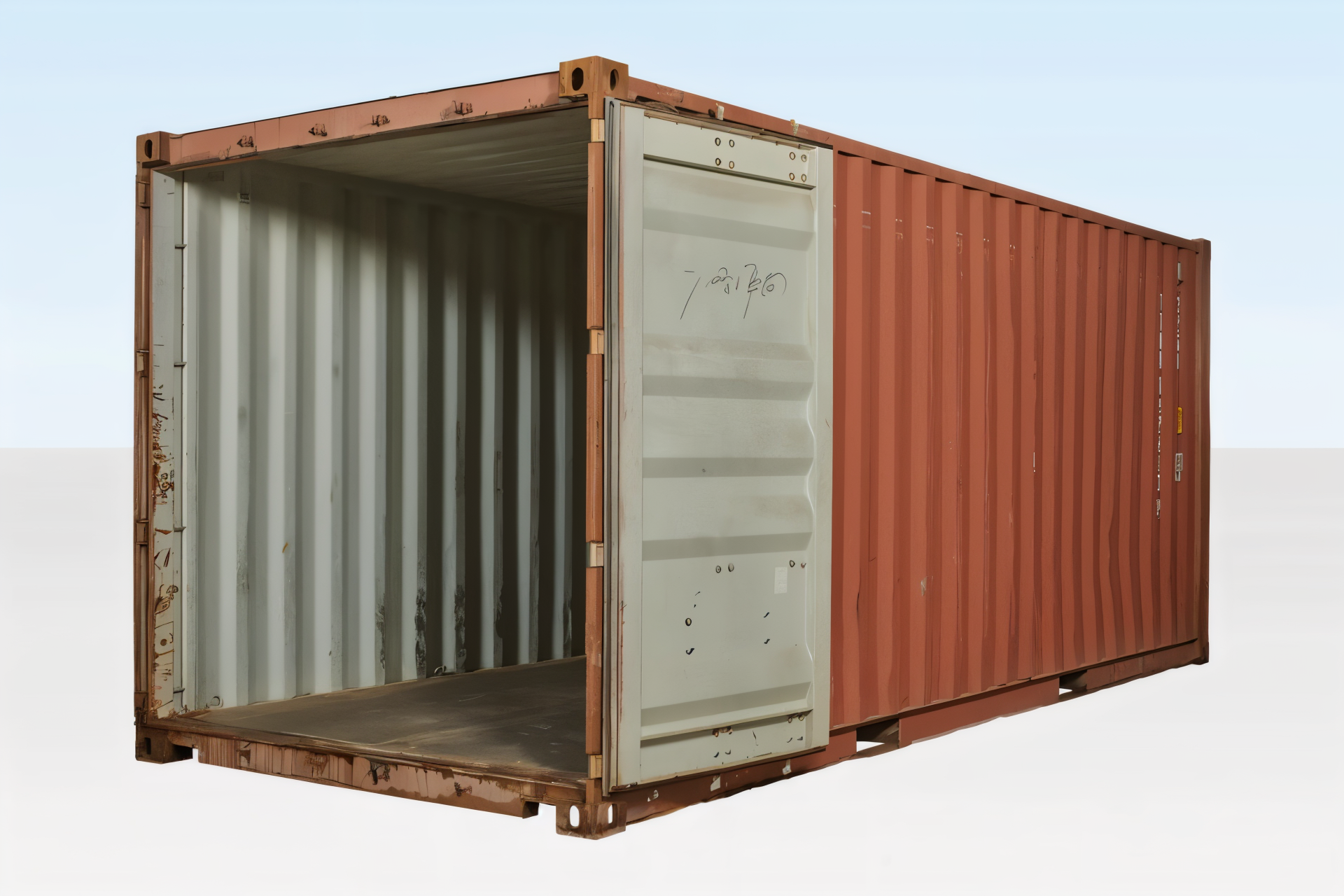
If you would rather start with a roof you do not have to repair, tell us your size and use and we will match you with an inspected unit. Request a free itemized quote. What we quote is what you pay, and we reply within 1 business day.
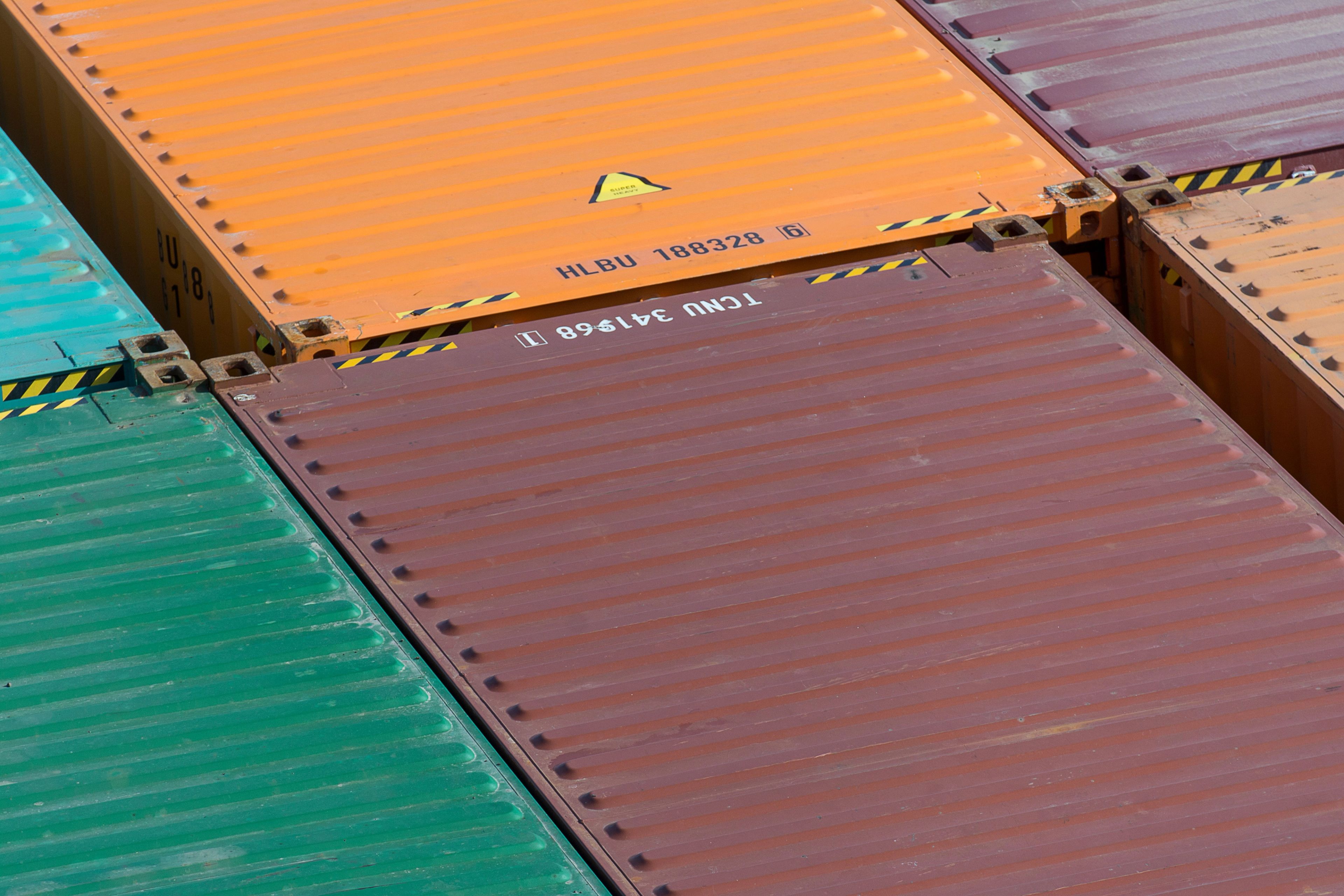
Illustrative photo: Jan van der Wolf · Pexels License.