

Shipping container doors hard to open: what to check
Identify where a container door sticks, document what changed, and prepare a clear inspection request without forcing the hardware.
 Lauren B. HayesAdmin4 min read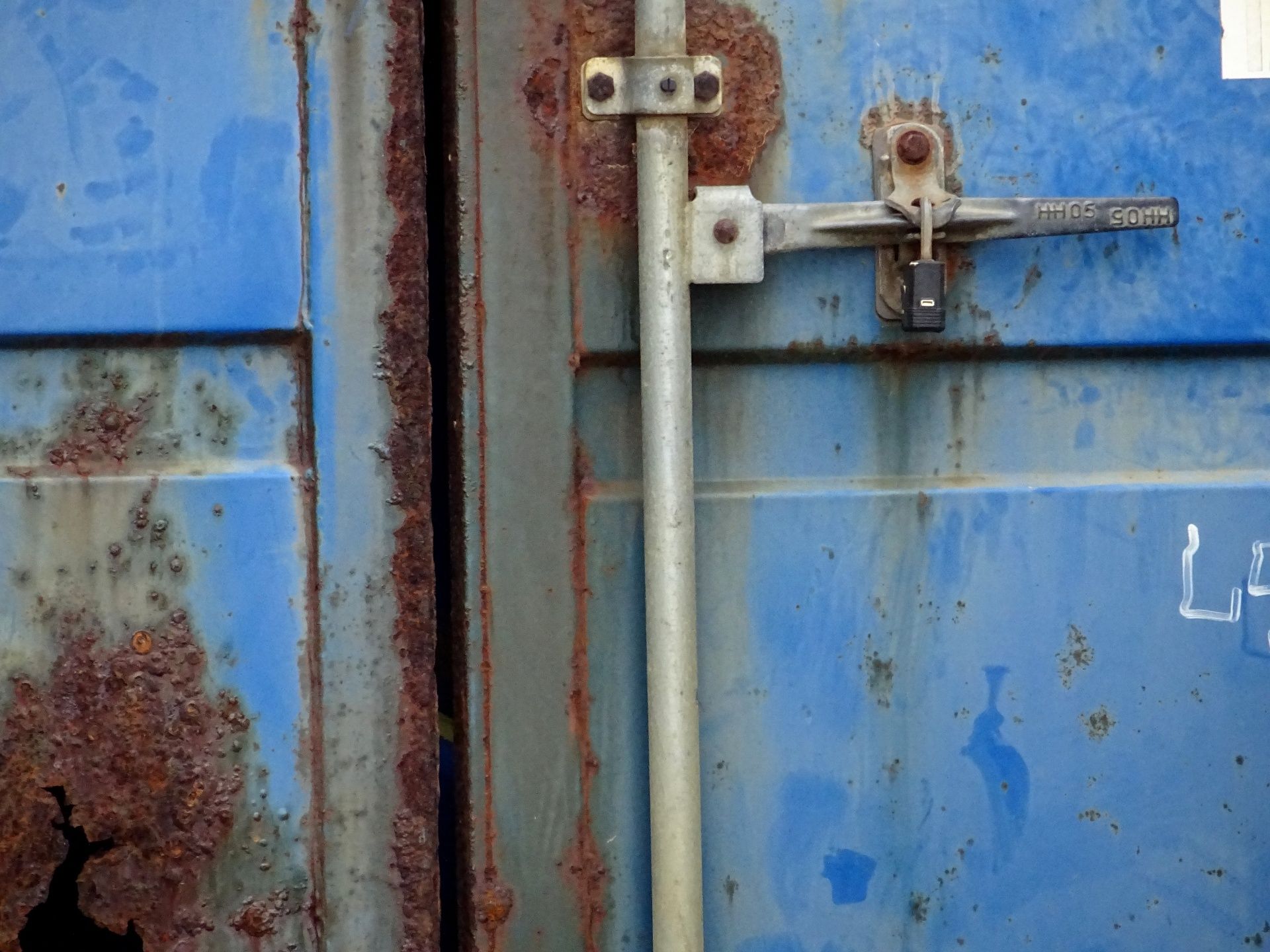
On this page
You reach the container, remove the padlock, and the door still won't cooperate. Before trying again, separate what you actually observed: did a handle refuse to move, did the door stop partway through its swing, or did it open but fail to close?
Use those observations to prepare an inspection request. This guide covers ordinary storage-container cargo doors. Follow the instructions for your particular unit, and leave a loaded container with suspected cargo pressure to the people responsible for unpacking it.
Quick answer
If shipping container doors are hard to open, stop forcing them and record where the resistance occurs. Possible causes include corroded hardware, damaged components, a poorly seated rubber seal, or a frame distorted by uneven support. These are possibilities to investigate, not a diagnosis from stiffness alone. The CTU Code's door guidance identifies these causes.
Record the symptom and recent history
Start with the history. Write down the last time the doors worked normally and who used them. If nobody knows, say so. Include whether the container has moved, whether nearby ground work has occurred, and whether someone previously reported a sticking handle.
Then describe the symptom using the same viewpoint throughout: left and right as you face the closed doors from outside. Avoid switching between the operator's viewpoint and a view from inside.
Useful notes include:
- Which handle or door was affected.
- Whether resistance occurred before the door moved or during its swing.
- Whether opening, closing, or both were difficult.
- Any visible scrape, bend, crack, or loose component.
- Whether this was the first occurrence or a recurring complaint.
Record what has already happened; don't repeatedly operate a suspect door just to complete the list. “The right handle stopped moving before the door opened” gives an inspector something more specific to investigate than “the doors are broken.”
Identify the affected hardware or seal
Use a photo to identify the part you mean. Include the full door end as well as the area of concern, so the person reviewing it can locate the detail.
A handle or locking bar won't move normally
Describe the handle and the vertical bar connected to it. Photograph visible bends or displaced parts from a safe position. Do not label the bar “seized” unless that has been established by inspection; use “did not rotate during the last attempt.”
Ask the inspector to check the locking hardware and its alignment. Leave the choice of adjustment, repair, or replacement until the cause has been assessed. Don't try to bend the handle back or attach an extension to obtain more force.
The door starts moving, then catches
Note where it stopped and whether a scrape was already visible. If you noticed a crack or unusual hinge movement, stop using the door and report it promptly.
Hinge trouble deserves attention even when the door sometimes works. IMCA documented a door falling after its hinges failed; its investigation identified corrosion, intermittent jamming, and fatigue. The lesson for an owner is to report recurring jamming rather than normalize it. See IMCA's container-door hinge incident.
The rubber seal looks displaced
The gasket is the rubber door seal. Photograph a visible fold, loose section, or tear without pulling it away from the door. Include that observation in the inspection request; don't trim the rubber to make the door move.
Ask for the seal and the surrounding door edge to be assessed together. Your photograph should show the location of the defect, not attempt to prove what caused it.
Compare the timing with site changes
Compare the current placement with delivery photos if you have them. Record visible changes around the supports and ground, especially if the doors worked before the container was moved.
Uneven ground can distort the container frame and affect door alignment. The CTU Code's positioning guidance addresses this relationship. A new door problem after relocation therefore warrants a placement review alongside a hardware inspection.
Ask a qualified provider to assess the support arrangement. Leave lifting and repositioning to that provider; do not improvise a jacking procedure from the door symptom. For the separate siting topic, use the guide to leveling a shipping container.
Stop points and the inspection request
Stop if you see damaged hinges, displaced hardware, or a door that appears to be pushing outward. Cargo resting against a door can force it outward when the locking gear is released, as described in the CTU Code's opening precautions. Keep people clear and refer suspected cargo pressure to the responsible unpacking team.
For other door faults, send the owner or repair provider your observations and photos. State whether the container is empty or loaded and whether normal access is currently possible. Ask what they need to inspect before any repair is authorized.
For example: “The doors worked before the container was relocated. The right handle resisted movement today. We stopped and have attached exterior photos.” That report states the sequence without prematurely blaming the ground or the hardware.
After the fault is addressed, keep the inspection findings with your maintenance records. Broader upkeep belongs in the guide to shipping container lifespan and maintenance.
Frequently asked questions
Does a stiff door mean the container needs replacing?
Use the inspection findings to make that decision. Ask which component needs attention, whether the support arrangement needs correction, and what the proposed work covers before comparing repair with replacement.
Should I lubricate everything first?
Request the maintenance instructions for the actual hardware and seal material. Have visible damage assessed before choosing a treatment. Record anything already applied so the inspector has the full history.
What should I ask when comparing another container?
Ask to see the actual doors operating and discuss who will use them. If you're considering a general-purpose steel container for dry cargo and storage, start with standard dry containers, then confirm the specific unit's door arrangement and condition.
Illustrative photo: Alex Borland · CC0 1.0.