

Grow year-round in a container: glazed greenhouse or sealed farm
Start from a weatherproof steel shell and fit it out as a sunlit greenhouse or a sealed, climate-controlled grow room.
Built for the job
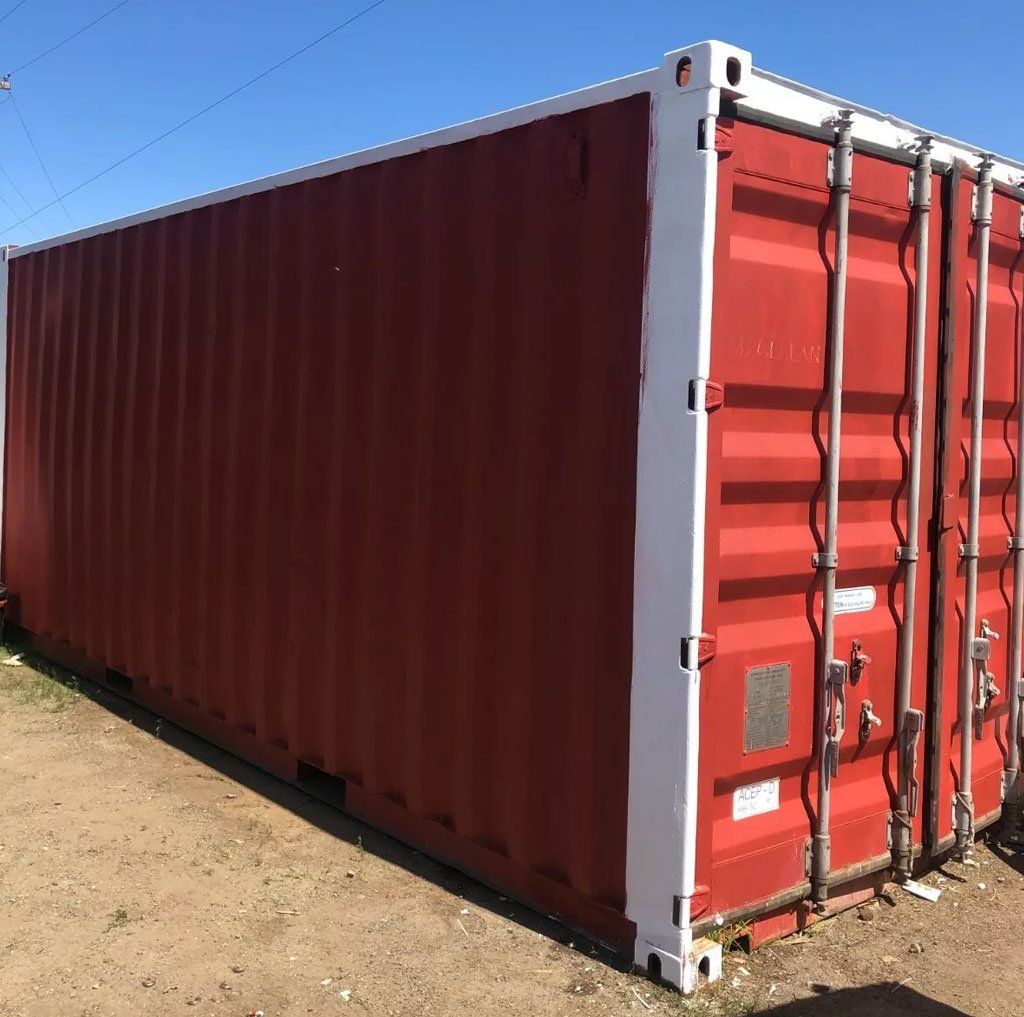
Starts as a weatherproof shell
The box already keeps rain, wind, and rodents out, so the budget goes to fit-out rather than framing. The catch is the steel itself: without insulation it condenses and drips on the crop inside.
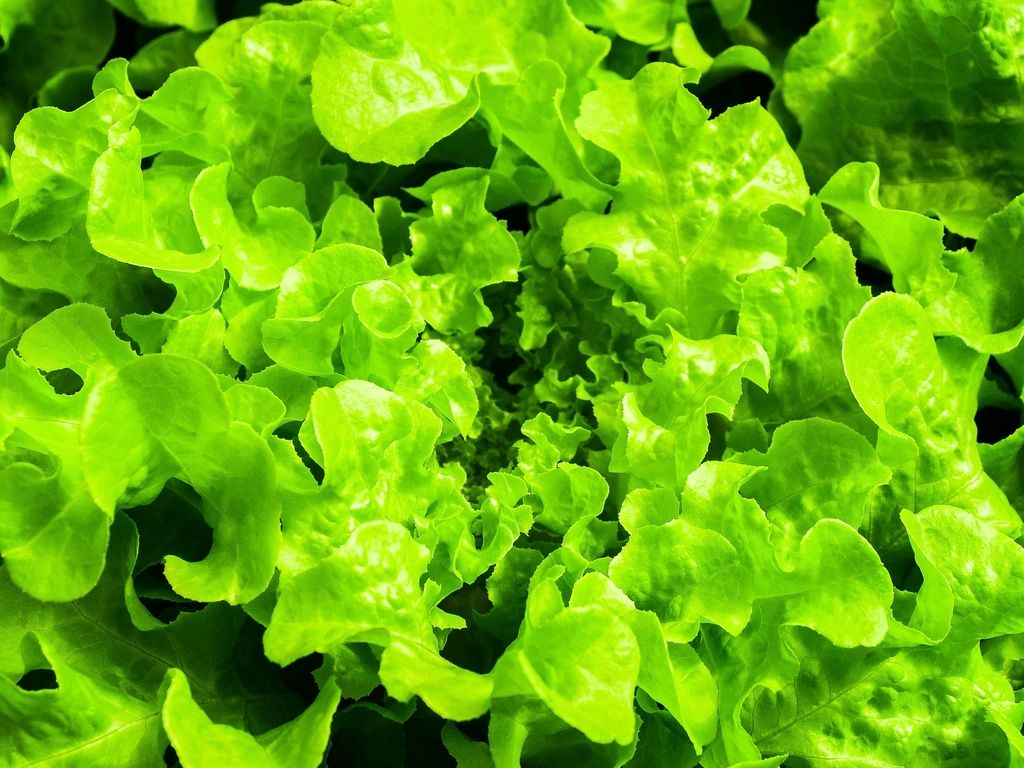
Grow year-round in a sealed room
LEDs and climate control hold the same conditions in January and July, so harvests run on a schedule rather than a season. The cost is an always-on electrical load the site has to supply reliably.
Sunlit growing for less power
A glazed conversion runs on fans and a seasonal heater because the sun does the lighting. Single-skin glazing sheds heat on winter nights, so it extends the season rather than abolishing it.
Sealable for biosecurity
A closed steel envelope keeps insects, spores, and airborne disease off the crop. In exchange you supply everything nature did: light, fresh air, and humidity control are now your equipment list.
Two rows wide, tiers high
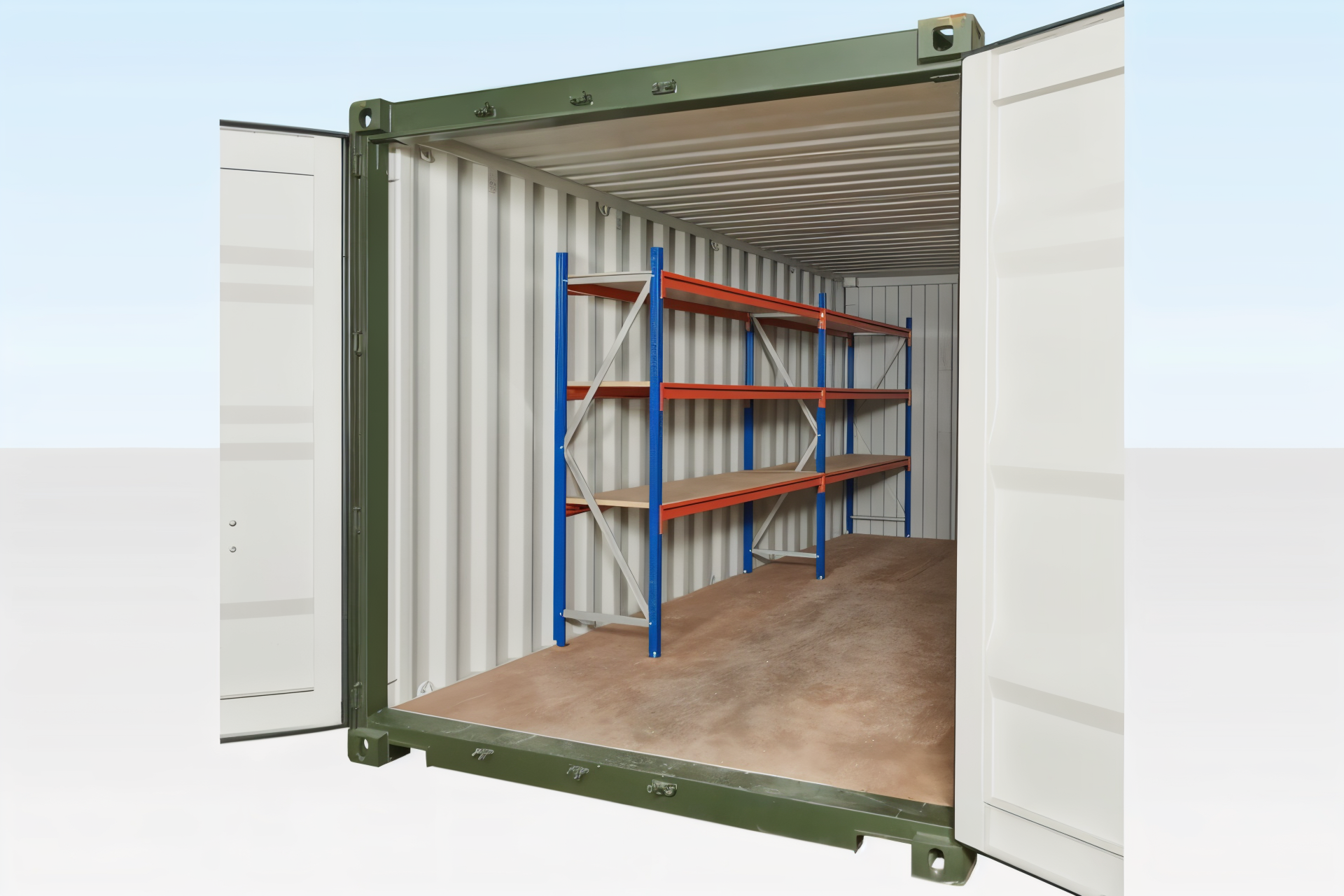
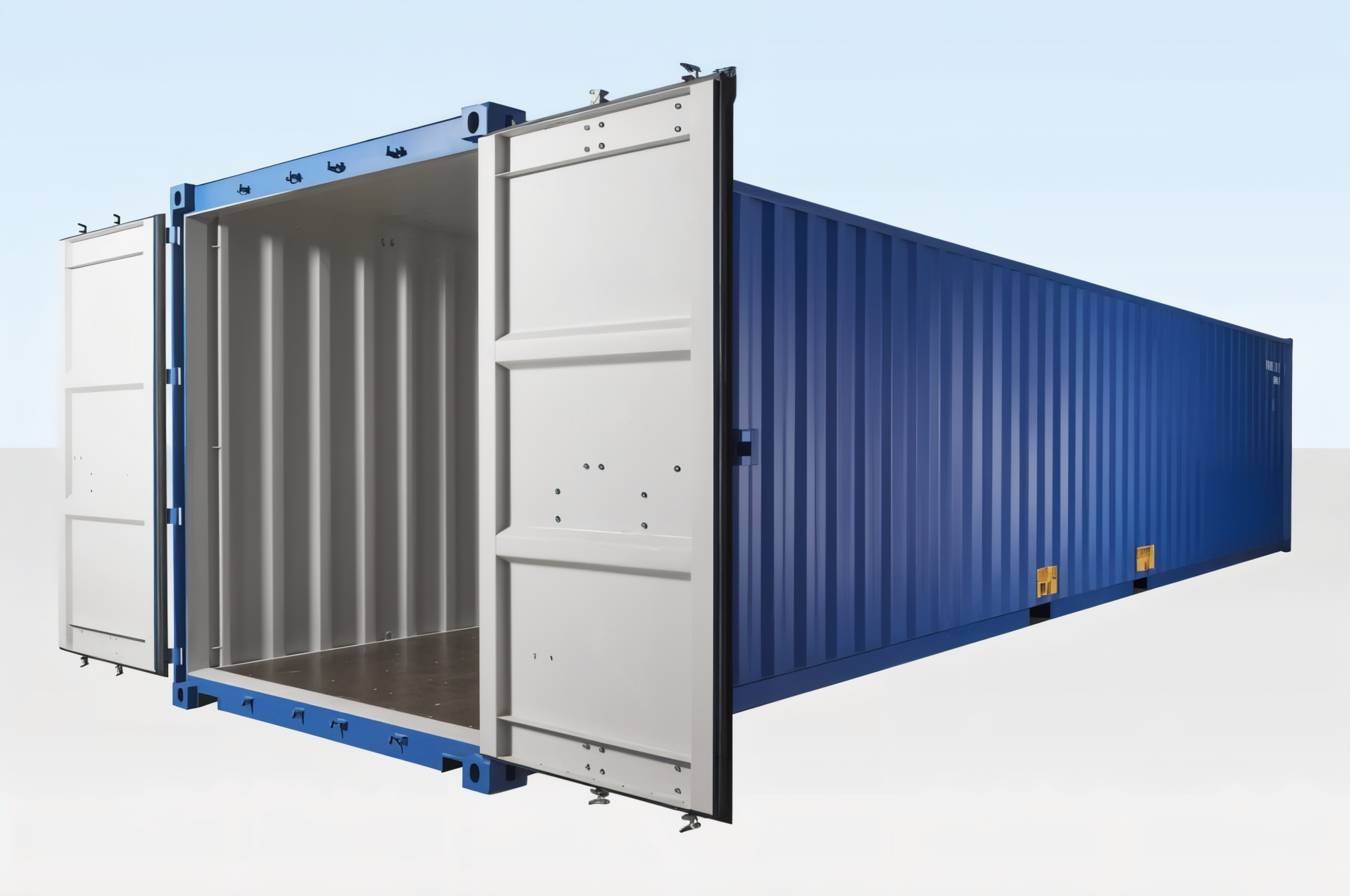
About 7ft 8in of interior width fits a racking row down each wall and a narrow aisle. Capacity comes from vertical tiers and headroom, so plan shelving and height, not floor area.
Relocatable and scalable by the box
Units move with a lease and scale by adding boxes that match the first. The limit: every added unit repeats the same power, water, and drainage hookups, so utilities grow with the fleet.
A growing operation in a steel shell
Market growers, nurseries and garden centers, restaurants growing their own, school programs, and research plots keep arriving at the same box for the same reasons: a container is relocatable, stackable, sealable, and starts life as a weatherproof steel shell, so the budget goes to fit-out rather than framing. This page covers growing in that shell; for storing feed, equipment, or harvest on a farm, see our containers for agriculture and farm storage solution instead.
Two build paths
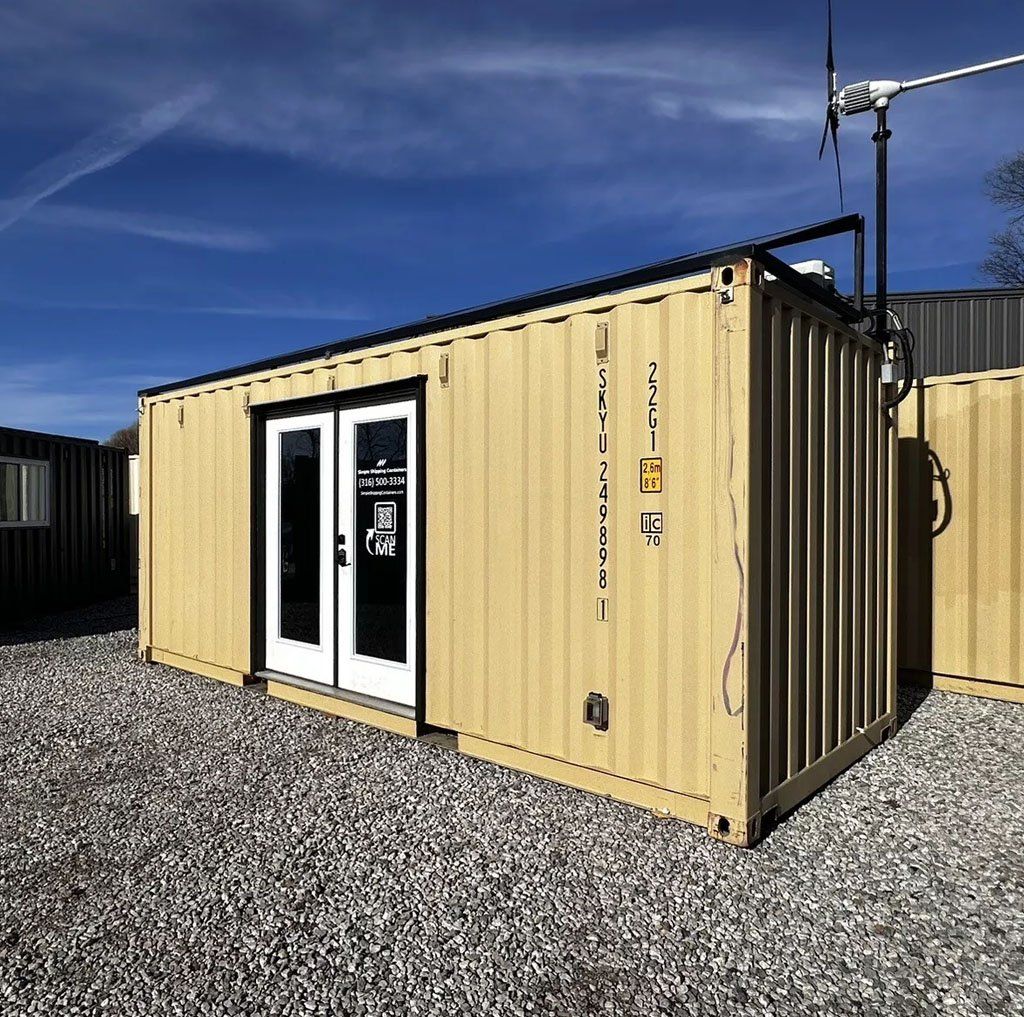
Every container growing space is one of two builds. A glazed greenhouse conversion cuts wall or roof openings and grows in natural light — the fit for nurseries, garden centers, school programs, and growers extending a season. A sealed grow room keeps the steel closed, insulates heavily, and grows under LEDs with full climate control: the container farm model, suited to year-round greens, herbs, and microgreens for restaurants, market growers, and researchers. A 20ft insulated container greenhouse is the built starting point; the full comparison lives in our guide to shipping container greenhouses and grow rooms.
The math of an 8ft-wide farm
Be honest about the floor plan. A container is 8ft wide outside and about 7ft 8in inside — two rows of racking roughly 2ft 6in deep leave a working aisle of about 2ft 8in, and that is the entire layout. Capacity comes from tiers, not floor area: adjustable three-tier container racking stacks the growing vertically, and a 40ft high cube container (high cube meaning about 1ft taller than a standard box) buys back the headroom insulation and light fixtures take.
Humidity first, power second
A sealed box of transpiring plants pushes moisture into the air all day, and moisture that reaches cool steel condenses and drips on the crop. Specify insulation and ventilation together — insulation keeps surfaces warm enough not to condense, and airflow or dehumidification carries the moisture out. Then confirm power: a sealed grow room is an always-on electrical load, while a glazed conversion runs on fans and a seasonal heater.
After the harvest: the cold chain
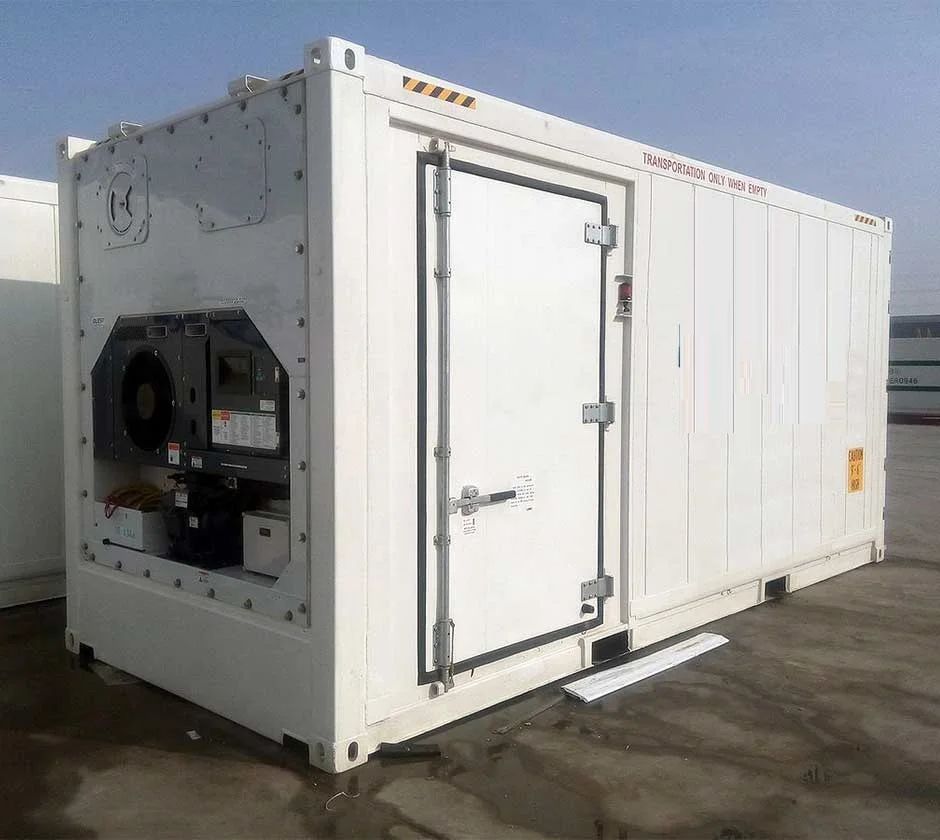
Produce picked warm loses quality fast, so commercial growers pair the grow space with cold storage on the same site. A 20ft dual-temperature refrigerated ISO container (a reefer: an insulated container with its own refrigeration unit) runs two temperature zones, so one box can chill just-picked produce while holding frozen or packed stock. Fulfilment on reefer units typically runs 7–10 business days. Our refrigerated containers for cold storage solution covers powering and siting one.
Fitting out the rest of the site
Two more pieces round out a site. A 20ft solar container office, off-grid or grid-tied, covers the desk, monitoring gear, and dry supplies an operation accumulates. The fit-out itself (glazed openings, spray-foam insulation, electrical and plumbing runs, vents, fans, and racking) routes through our custom modifications service — scoping it before delivery beats retrofitting a set box.
Honest tradeoffs
Three limits to weigh. Scaling means more boxes, not a wider one — each added unit repeats the same power, water, and drainage hookups. A sealed room's climate control runs every day you grow, and how affordable that is tracks the insulation quality. And a glazed conversion is structural work: a big cutout changes how the box carries load and needs welded reinforcement, which is fabrication rather than a weekend job.
Frequently asked questions
Do I need a greenhouse conversion or a sealed grow room?
Match the build to the crop. Seedlings, nursery stock, and season extension point to glazing and natural light; year-round greens, herbs, and microgreens on a fixed schedule point to a sealed, LED-lit room. Thin site power decides it too — sealed rooms need reliable service.
Can a container farm run year-round?
Yes — that is its point. LEDs and climate control hold the same conditions in January and July, and the sealed envelope keeps pests off the crop. The tradeoff is an always-on electrical load, so plan for reliable power and outages.
Do container greenhouses need permits?
Frequently, and rules vary: some jurisdictions treat them as temporary agricultural structures, others as permanent accessory buildings, and utility hookups often trigger their own review. Confirm with your city or county before ordering — this is general guidance, not legal advice.
What stops condensation inside?
Insulation and airflow specified together. Warm interior surfaces do not condense, and ventilation or dehumidification removes what the plants transpire — vents and fans in a glazed build, dehumidification sized into the climate system in a sealed one.
Get a free quote
Tell us what you grow and what power and water the site offers, and we will match the build path and units to it. Every unit is inspected and graded before delivery. Glazing, insulation, electrical, plumbing, vents, and racking route through our custom modifications service, and our container delivery service checks site access and clearance before the truck rolls — a tilt-bed (roll-off) truck sets the box at ground level. The quote is free and itemized with no hidden fees, and we reply within 1 business day.
Containers suited for agriculture
Related services
- 01Custom ModificationsDoors, windows, HVAC, and full fit-outs
- 02Container DeliveryTilt-bed delivery, coordinated door to door
- 03Storage Solutions ConsultingRight-size your on-site storage
Put containers to work in agriculture
Tell us about your project and we will send a free, no-obligation quote.