

Reefer containers for on-site cold storage
A refrigerated container set on your site and plugged in — chilled or frozen, without building a walk-in.
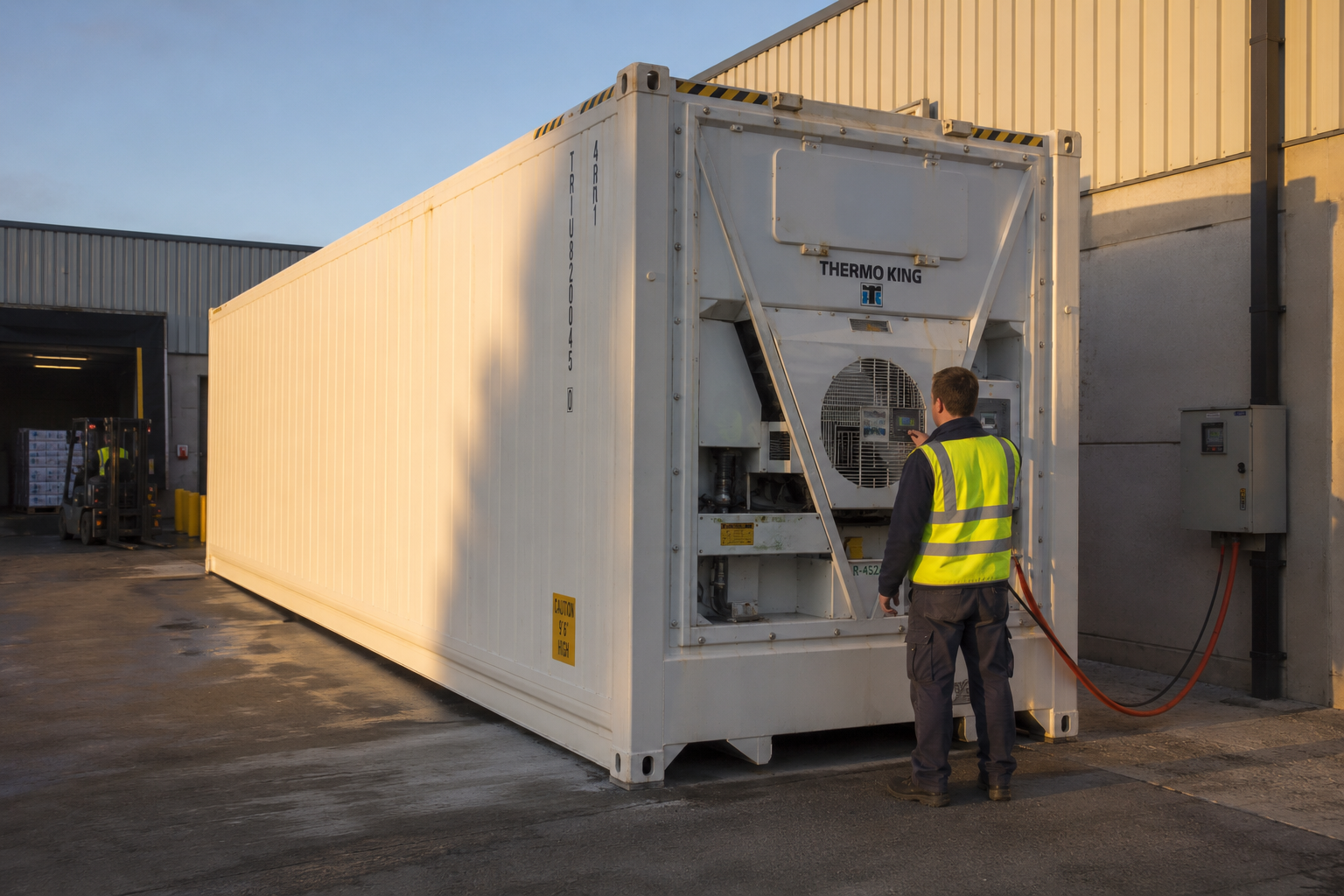
Built for the job
Cold storage without a build
A reefer is delivered and plugged in instead of building a walk-in cooler, so you skip construction. The tradeoff is power: it needs a suitable 3-phase supply or a generator on site.
Chilled or frozen
A wide set-point range covers produce, dairy, and frozen goods. The limit is that one unit holds one temperature at a time unless you choose a dual-temperature reefer.
20ft or 40ft high cube
Pick capacity to match your volume. A 20ft fits tight sites and draws less power; a 40ft high cube holds more but needs more footprint and a bigger electrical load.
New or used machinery
New units give maximum remaining machinery life; used units cost less. The tradeoff is the years already on the compressor, so a used reefer is worth inspecting before you buy.
Sited on a firm, level spot
A reefer sets at ground level on firm, level ground with airflow around the unit. Because it is heavy, placement may need a crane rather than a tilt-bed slide-off.
One itemized quote
We quote the unit plus delivery with no hidden fees. Note the limit: connecting power is a separate job, handled by your electrician or a generator, not included in the unit price.
A refrigerated container, or reefer, gives you cold or frozen storage on your own site without building a walk-in cooler. It arrives as a finished, insulated box with its own refrigeration unit; you set it on a firm spot, plug it in, and it holds a temperature. For a business that needs cold capacity quickly, that is the difference between waiting on a construction project and having storage running this month.
The problem: you need cold capacity fast
Cold and frozen storage tends to run short at the worst moment. A restaurant or grocer outgrows its coolers in peak season. A farm brings in a harvest that has to stay cold before it ships. An event needs catering held at temperature for a weekend. A florist needs blooms chilled, and a lab or pharmacy needs temperature-controlled space for general storage. Building a walk-in cooler answers all of these eventually, but it costs weeks or months and a permanent footprint you may not want.
The solution: a reefer delivered, sited, and powered
A reefer skips the build. We deliver the unit to your site, set it on a firm, level spot, and you connect it to power. A high cube is a container that stands a foot taller than a standard box for extra vertical room, and a reefer holds slightly less than a dry box of the same size because insulation lines the walls. The unit can run chilled for produce, dairy, and drinks, or frozen for meat and frozen goods, within its set-point range. The benefit is speed and flexibility; the tradeoff is that a reefer needs continuous power and ongoing electricity or fuel, which a passive shed does not.
Where on-site reefers fit
Restaurant and grocery overflow is the common case: extra chilled or frozen space beside the kitchen or stockroom for a busy stretch. On a farm, a reefer holds a harvest cold from field to truck. Event and catering teams use one to keep food at temperature for a multi-day event. Florists chill cut flowers to extend their life. Labs and pharmacies use a reefer for general temperature-controlled storage; we keep that use general and make no compliance or certification claims, so confirm your own requirements for regulated products.
Matched reefer units
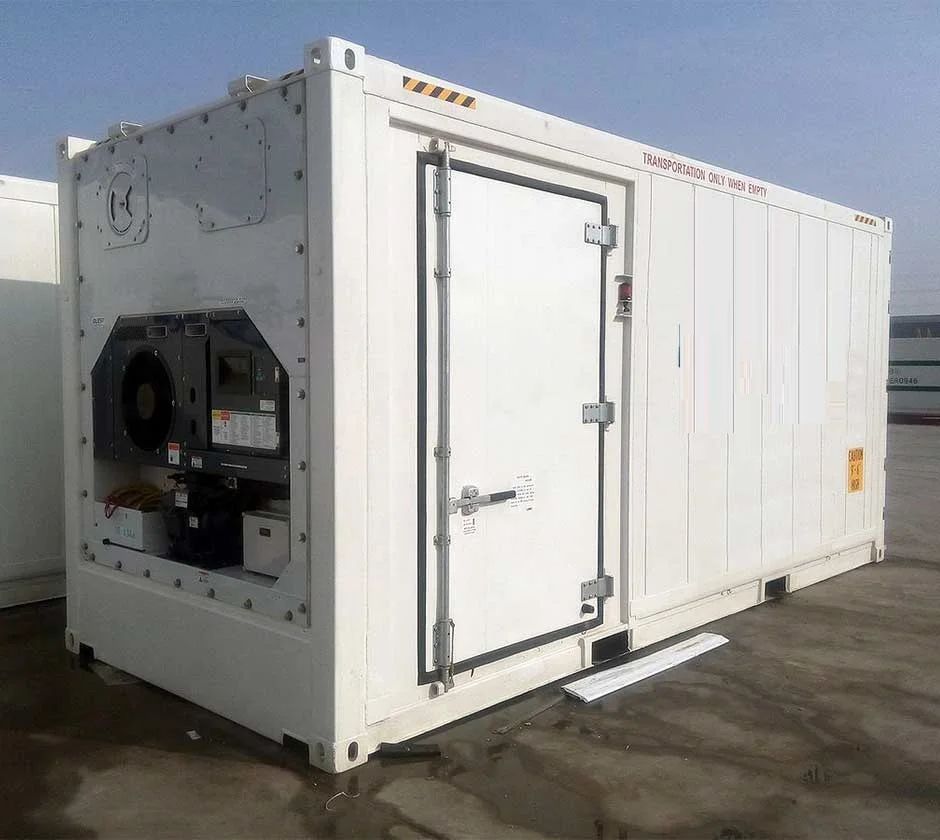
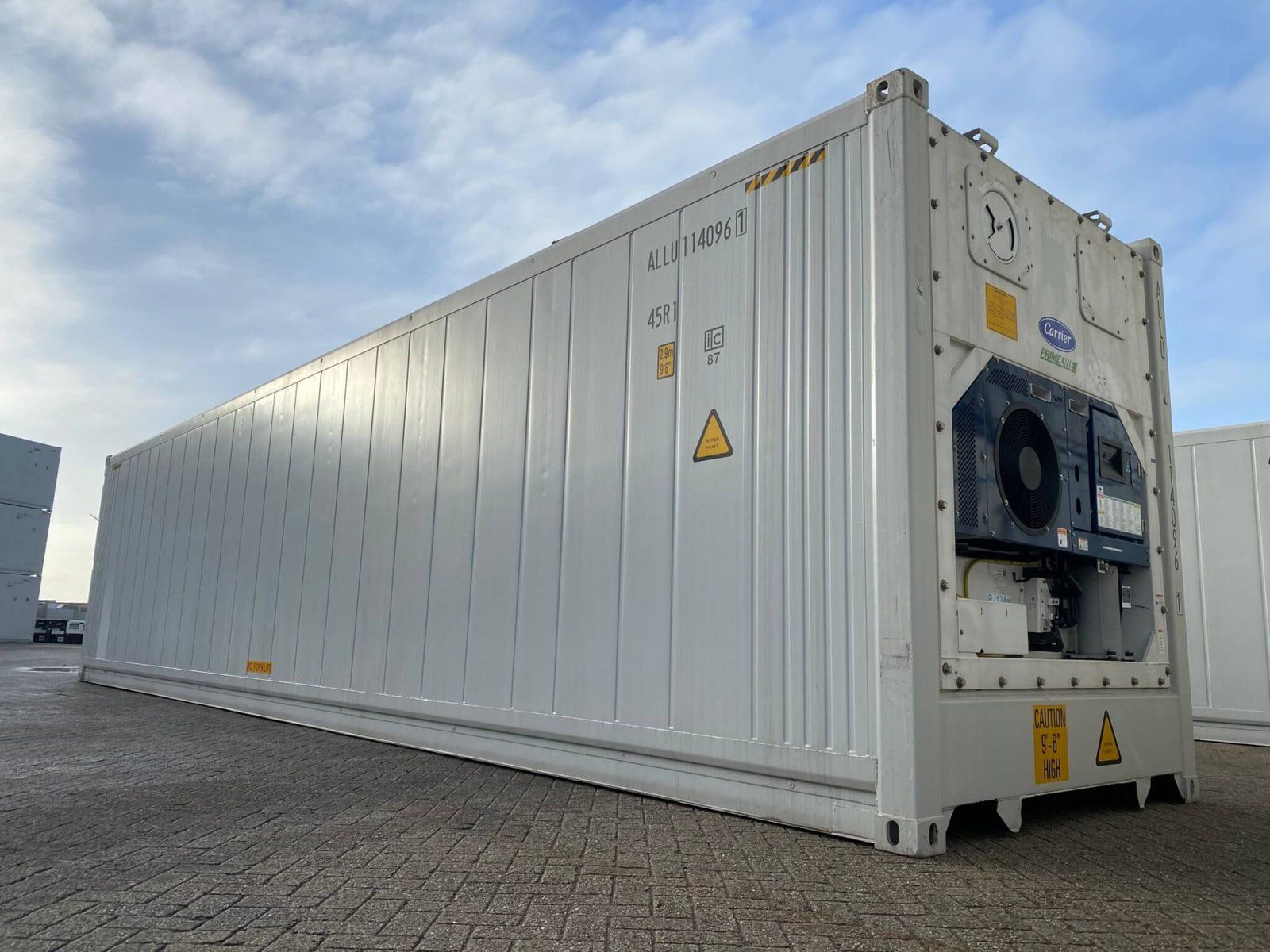
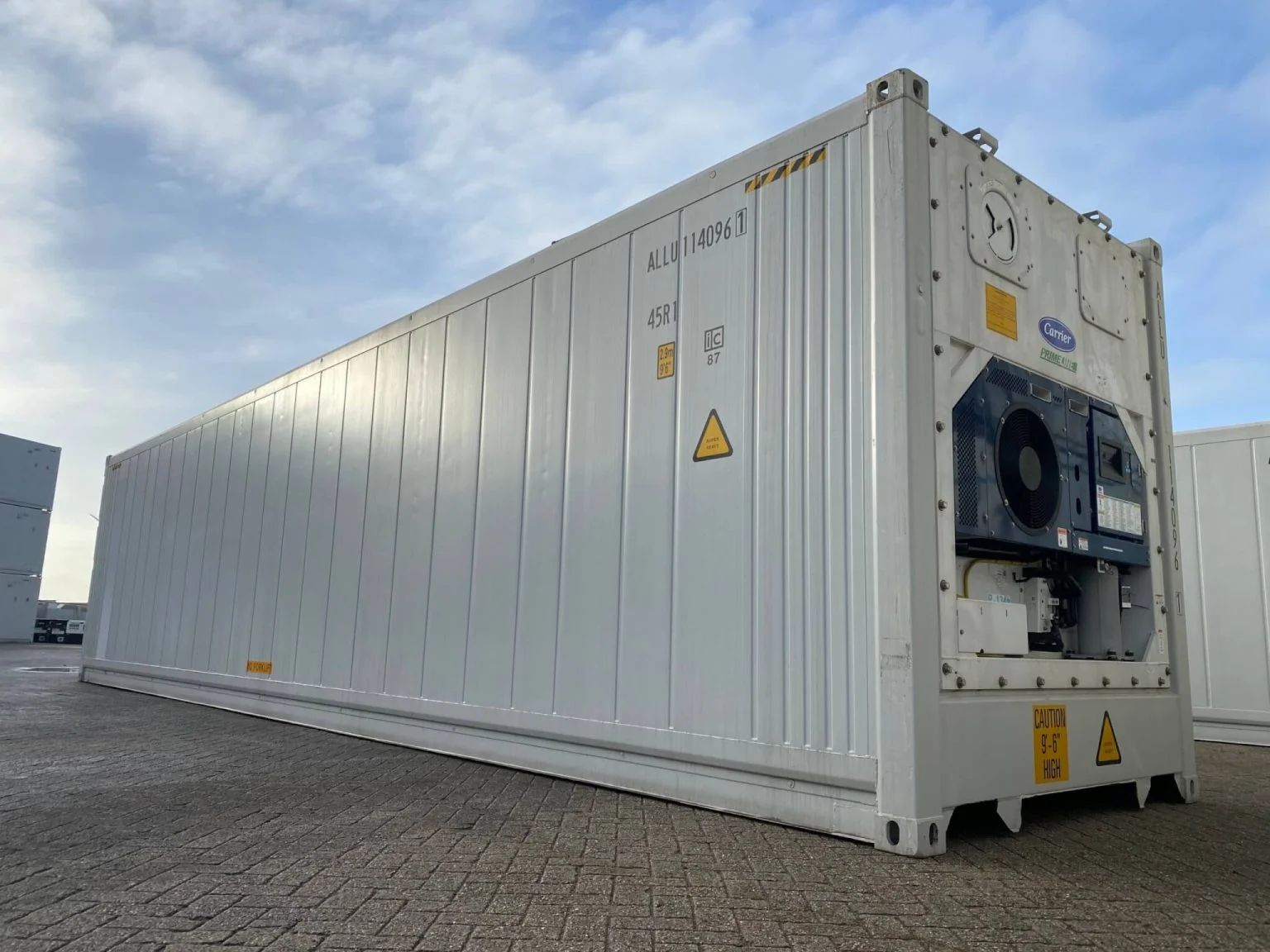
When you need two temperatures in one box, a 20ft dual-temperature reefer keeps chilled on one side and frozen on the other, at the cost of a smaller zone each. For maximum single-temperature volume, a new 40ft high cube reefer gives you the most space and a clean machine. If budget matters more than appearance, a used 40ft high cube reefer costs less when its inspection and running hours check out.
Frequently asked questions
What power does an on-site reefer need?
Most reefers run on 3-phase power, often 460V. If your site does not have that supply, a correctly sized generator (a genset) runs the unit instead. Connecting power is a separate job from delivery, so plan it early with your electrician.
How cold can it hold?
Within its set-point range, a reefer runs chilled for produce and dairy or frozen for meat and frozen goods. One unit holds one temperature at a time unless you choose a dual-temperature reefer, which keeps two zones at once.
How is it delivered, and how long does it take?
Reefers are heavy, so placement may need a crane rather than a tilt-bed slide-off, and we check your site access and clearance before delivery. Reefer orders typically take 7 to 10 business days to fulfill once your site is confirmed.
Get a free quote
Tell us the temperature you need to hold, your site, and the power you have, and we will price the unit plus delivery with no hidden fees, then reply within 1 business day. Every unit is inspected and graded before delivery. Our storage solutions consulting helps you size the right reefer and plan power, and our container delivery team handles getting it onto your site. If you are weighing new against used first, read our guide to buying a refrigerated container, then get a free quote to start.
Containers suited for food & cold chain
Related services
- 01Storage Solutions ConsultingRight-size your on-site storage
- 02Container DeliveryTilt-bed delivery, coordinated door to door
Put containers to work in food & cold chain
Tell us about your project and we will send a free, no-obligation quote.