

Shipping containers for farms and agricultural storage
Secure steel storage, cold storage, and grow space delivered to the farm or field.
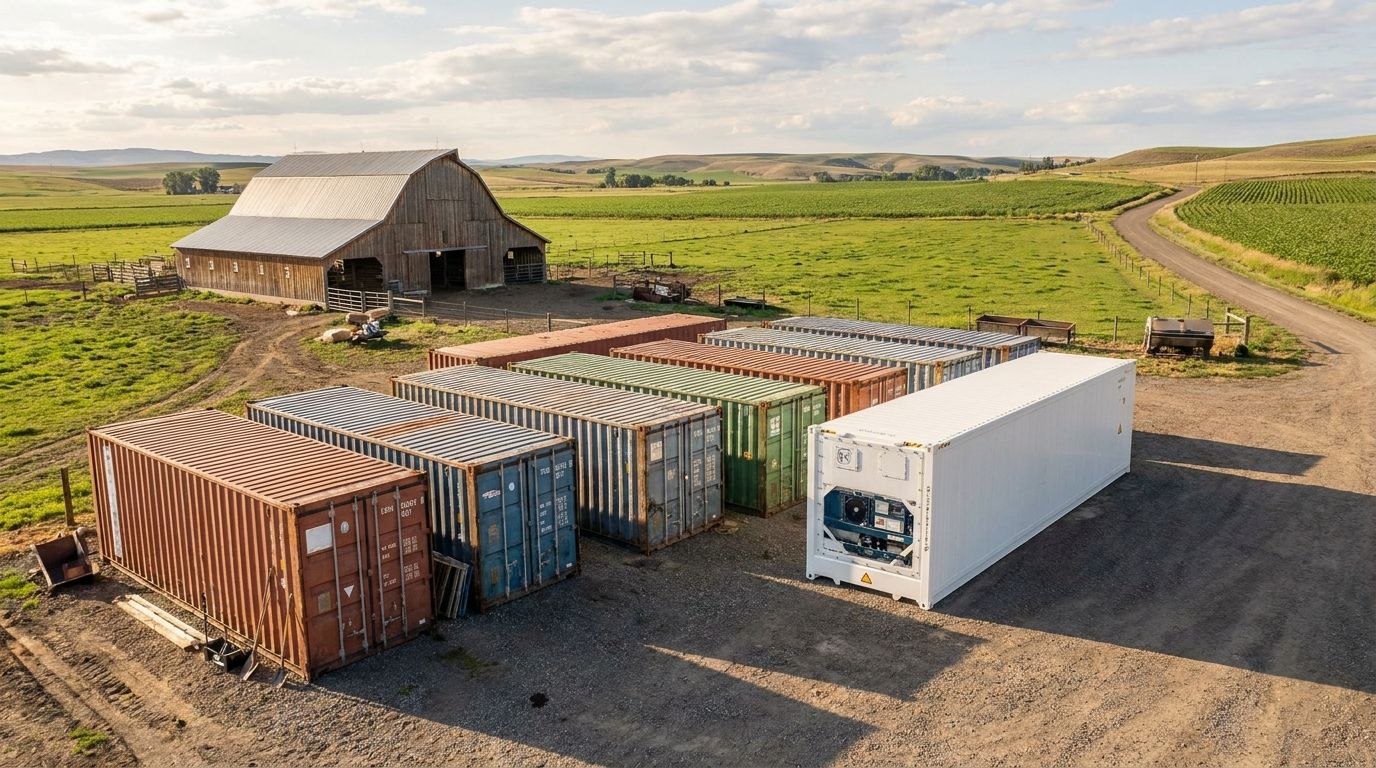
Built for the job
Lockable steel on-site
A welded steel container keeps equipment, feed, and chemicals locked on the plot, not in an open lean-to. The tradeoff: it needs level, firm ground to sit square.
Cold storage without a build
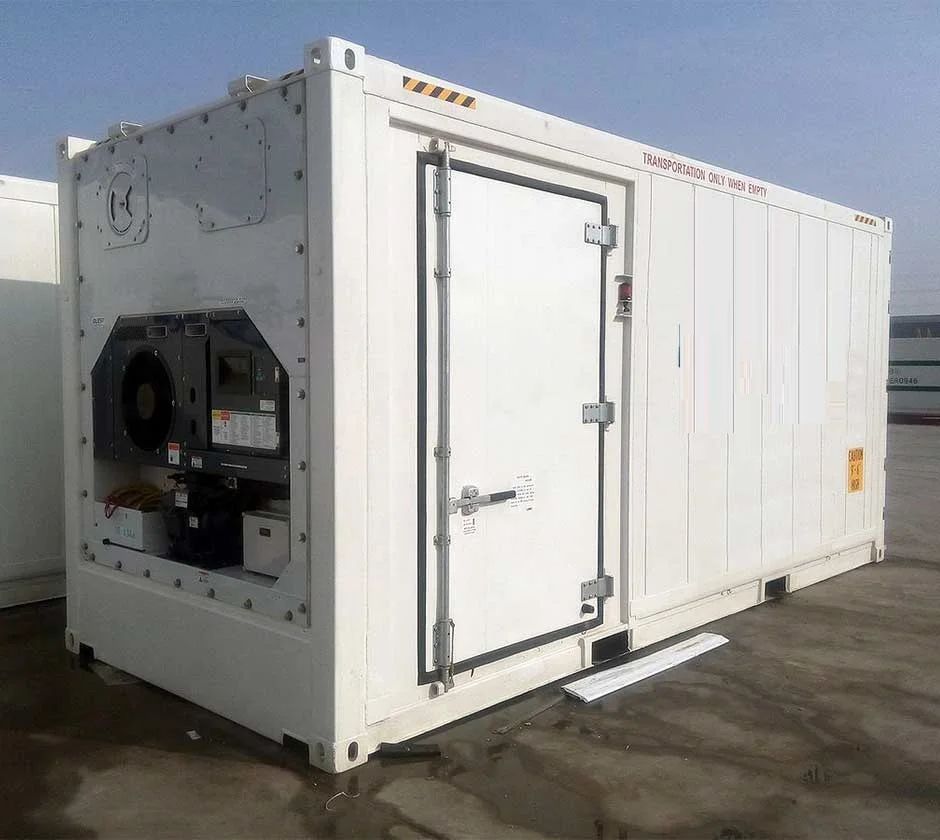
A refrigerated container plugs in and holds produce, dairy, or floral cold, with no cold room to construct. It needs 3-phase power or a generator to run.
Dry feed and seed storage
A wind and watertight box keeps feed and seed dry and off the weather. Some crops and grains still need added ventilation to avoid trapping moisture.
Insulated grow space
An insulated greenhouse unit gives a controlled space to start or grow in. Running climate control — heat, light, fans — adds to your operating cost.
Sited on the field
A tilt-bed truck sets the unit ground-level out on the plot. Soft or sloped ground needs pads, and heavy units like reefers may need a crane.
One itemized quote
We price the unit plus delivery in one free, itemized quote — what we quote is what you pay. Any power hookup or genset is arranged separately.
Farms run on gear, feed, and produce that all need somewhere dry, secure, and often cold to sit — and the spot that needs it is frequently a back plot or a field with no building and no power. Shipping containers give you lockable steel storage, refrigerated cold storage, and insulated grow space that we deliver and set right where the work happens.
The problem with storage on a farm
A working farm spreads out. Implements, hand tools, and pumps sit idle between seasons and walk off if they are not locked away. Feed, seed, and fertilizer need to stay dry and off the ground. Sprays and chemicals need a secure, separate store. Harvested produce, dairy, or cut flowers can spoil within hours without cold storage. And a lot of this happens out on remote plots where there is no shed, no slab, and no mains power to plug into. Building a barn or a cold room for each need is slow and expensive, and a tarp or an open lean-to does not lock, does not stay watertight, and does nothing for temperature.
How containers solve it
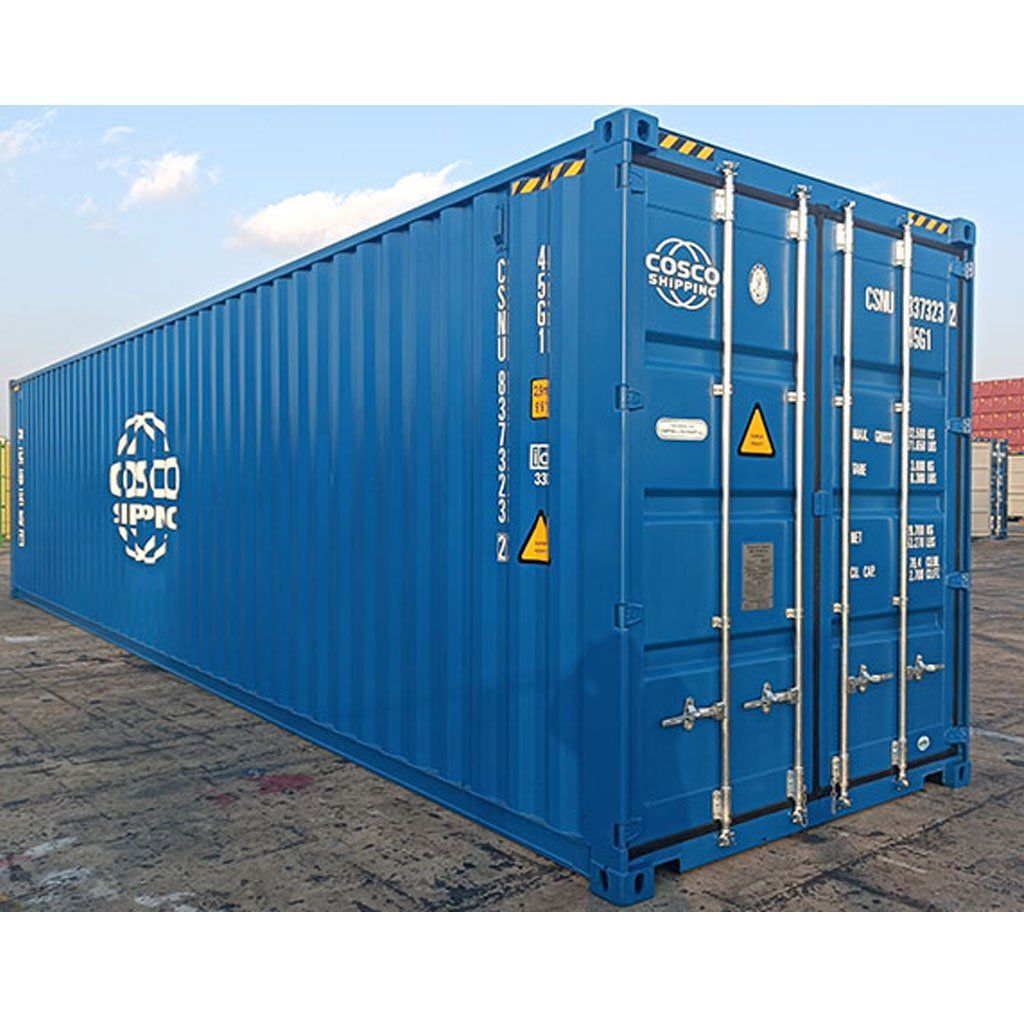
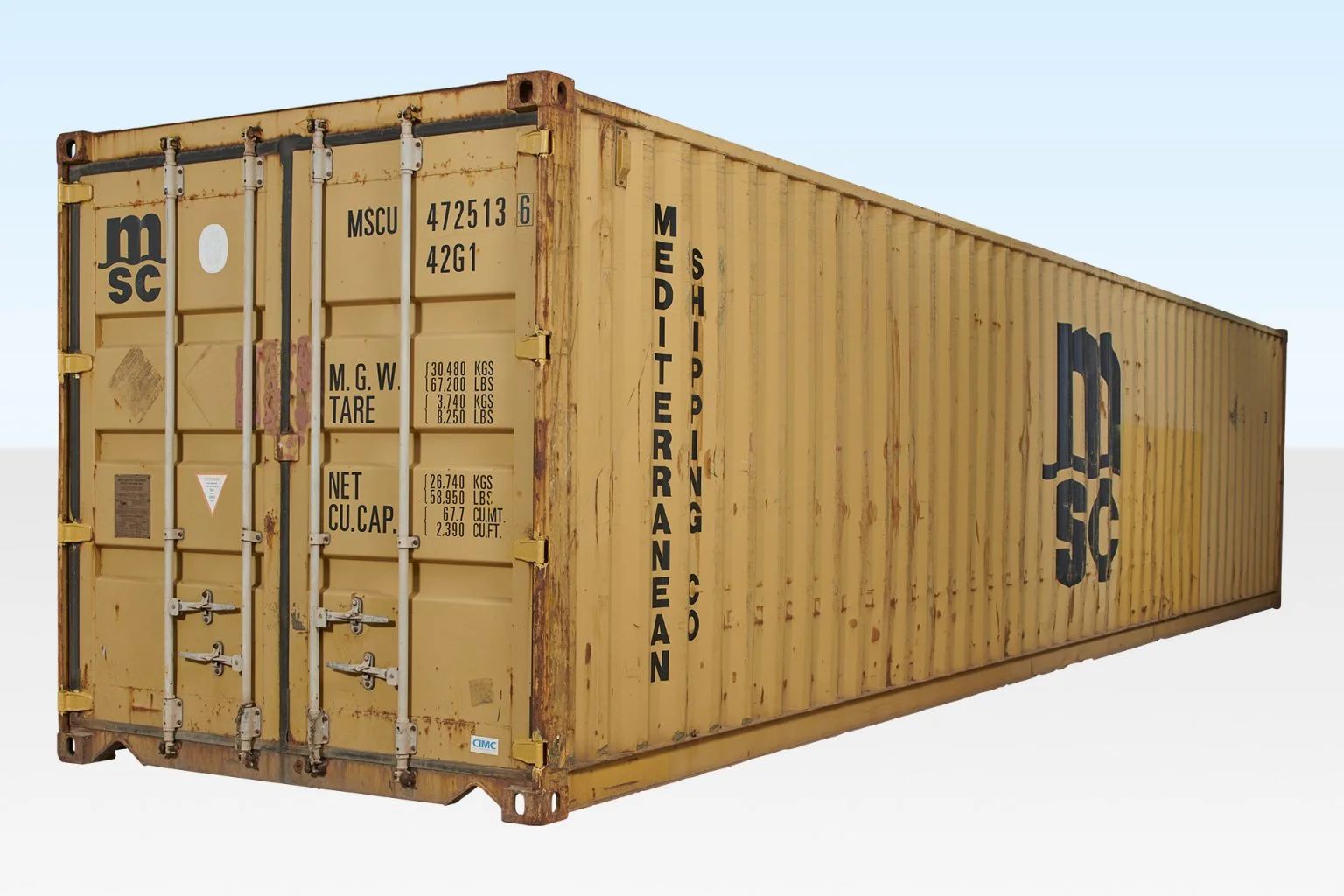
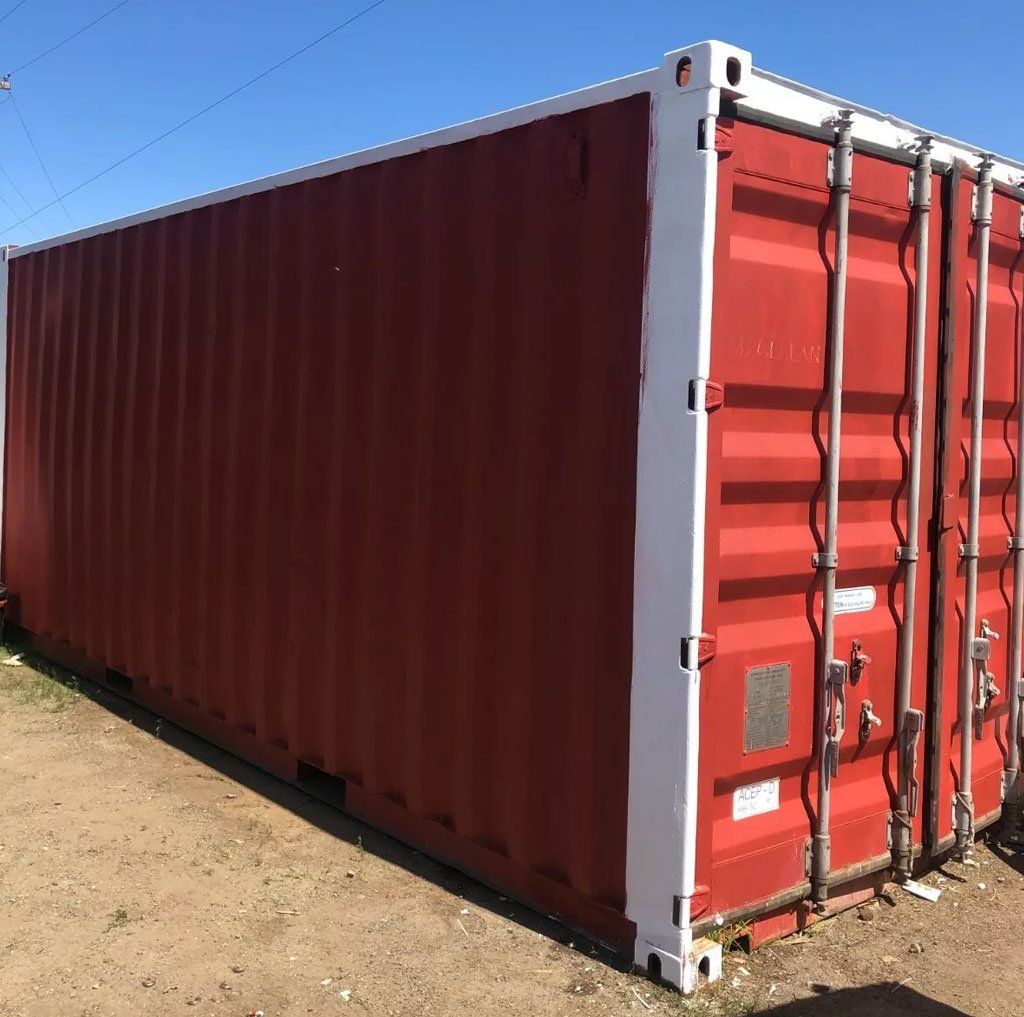
A shipping container is a precision-built steel box made to cross oceans, which is exactly why it holds up sitting in a field for years. Three variants cover most farm needs. A dry container — the standard steel box — gives you a wind and watertight (WWT) store, meaning it keeps rain and weather out, for equipment, feed, and seed. A refrigerated container (a reefer) is an insulated container with a built-in cooling unit that holds a set temperature once it has power. An insulated greenhouse unit is a container fitted out as a climate-controlled grow space. All three arrive built and get set on-site, so you skip the foundation, the framing, and the wait.
Where farms put them to work
The most common use is an implement and equipment store: a 30ft used container locks up implements, tools, and pumps between seasons. For dry feed and seed storage, the same kind of WWT box keeps stock off the ground and out of the weather, though grain and some feeds need added ventilation so moisture does not get trapped inside.
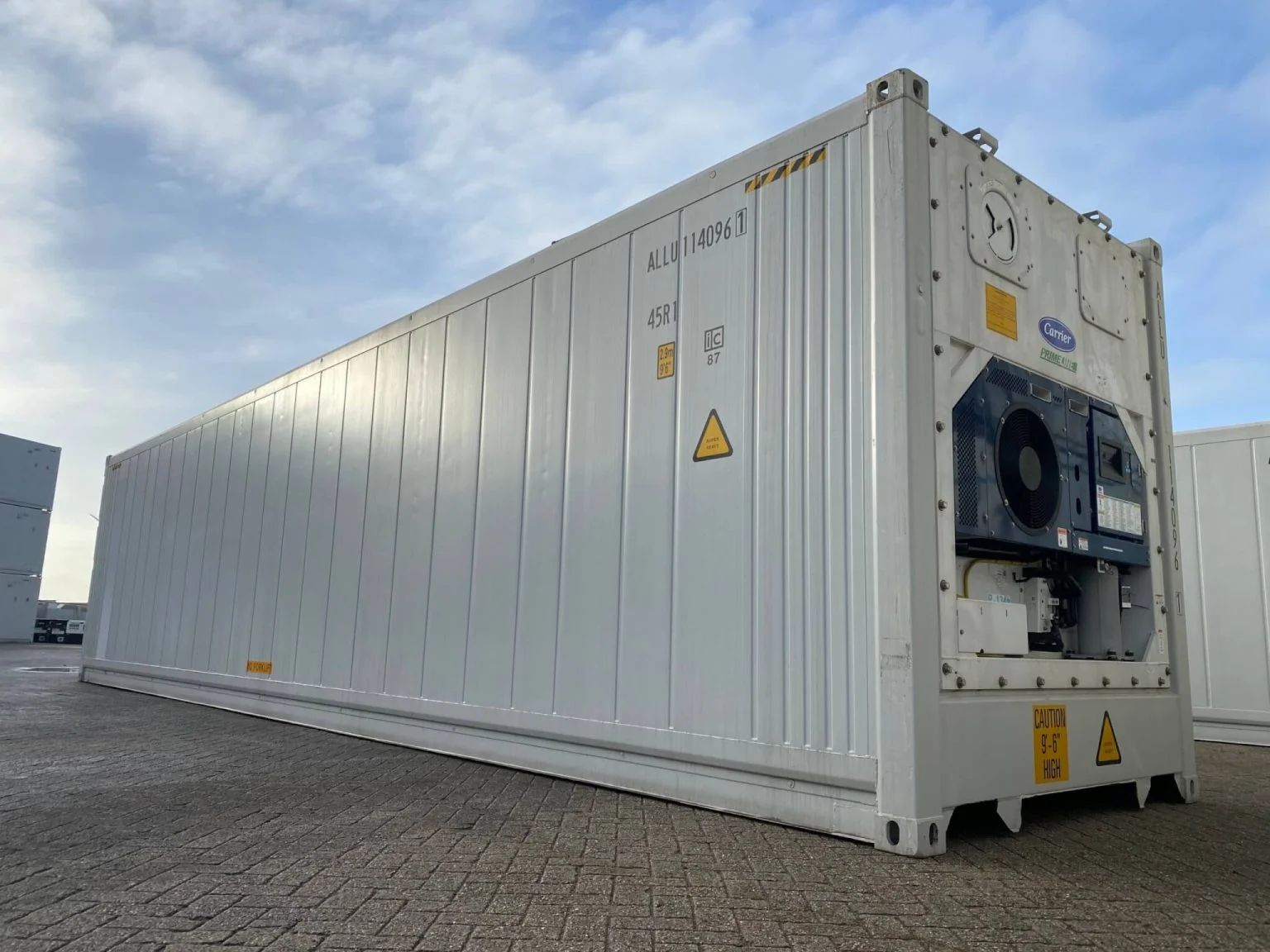
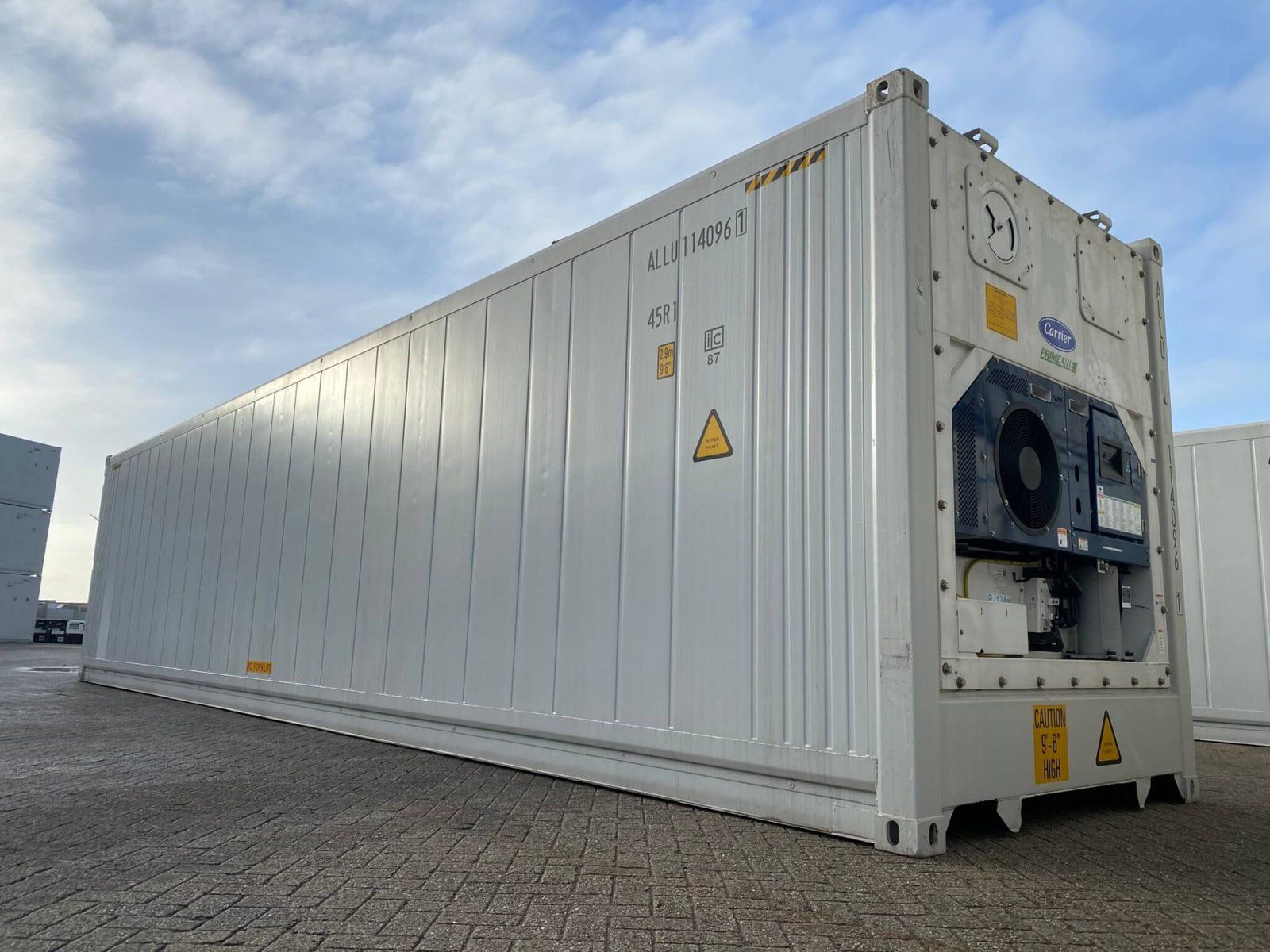
For harvest cold storage, a reefer turns into field-side cold storage: a 20ft dual-temperature reefer can hold two zones at once, and for larger volumes a used 40ft reefer gives more capacity once it is plugged into 3-phase power or a generator.
If you need controlled grow space, an insulated container greenhouse gives you an enclosed unit you can heat, light, and ventilate. And for a secure chemical or tool store kept apart from everything else, a 45ft high cube container — high cube meaning a foot taller than a standard container — gives the most room with an extra foot of height. Reefers are the backbone of any on-farm cold chain, which is covered in depth in our refrigerated containers for cold storage solution.
FAQ
How do I power a reefer out in a field?
A refrigerated container needs 3-phase power to run. If the plot has no mains supply, a diesel generator or genset sized to the unit will do it. We can advise on the draw of a given reefer so you can match a genset, but the power hookup itself is arranged separately from the container.
Can a container sit out on a field or unimproved plot?
Yes, with some ground prep. The unit sets on level, firm, compacted ground — no slab to pour first. Soft, wet, or sloped ground needs timber or concrete pads under the four corners to keep the unit level and the doors square. We check site access and clearance before delivery so the truck can reach the spot.
How is a container delivered to the farm?
On a tilt-bed (roll-off) truck: the bed tilts and the container slides off at ground level, with no crane or forklift for most units. The truck needs the straight, obstacle-free run it takes to position and unload. Heavier units, like a loaded reefer, may need a crane, so flag the unit and the access when you request a quote. This is general guidance — site conditions vary.
Get a free quote
Tell us what you need to store, whether it has to stay cold, and a note on the plot — ground, access, and whether power is on-site. We will put together a free, itemized quote covering the unit plus delivery, with no hidden fees, and every unit is inspected and graded before delivery. Our storage solutions consulting helps you match the right container and cold-storage setup to your operation, and our container delivery team handles the tilt-bed drop out to the field. Request a free quote to get started.
Containers suited for agriculture
Related services
- 01Storage Solutions ConsultingRight-size your on-site storage
- 02Container DeliveryTilt-bed delivery, coordinated door to door
Put containers to work in agriculture
Tell us about your project and we will send a free, no-obligation quote.