Site Welfare Units: What a Compliant Setup Needs
A site welfare unit gives a crew a toilet, handwashing, and a warm place to eat. Here is what a compliant setup needs and how to size it.
 Editorial TeamEditorial Team4 min read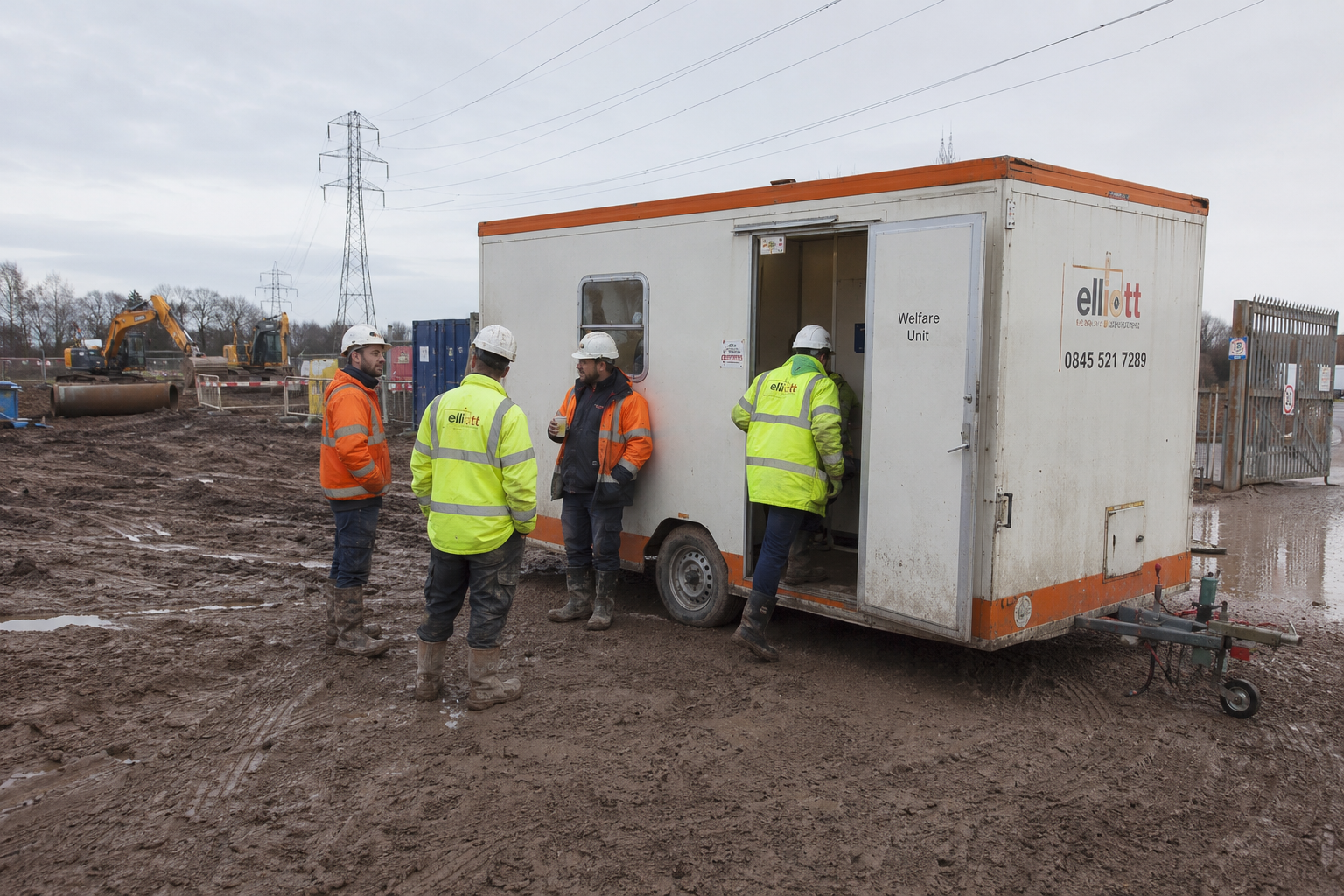
On this page
A site welfare unit is an on-site facility that gives a working crew the basics they need to get through a shift: a toilet, somewhere to wash their hands, and a warm place to sit down and eat. On a new groundworks site there is often no mains power or water yet, so the welfare setup has to bring its own. This guide walks through what a compliant setup actually needs, the unit types to choose from, and how to size and site them.
What a welfare unit is, and the types
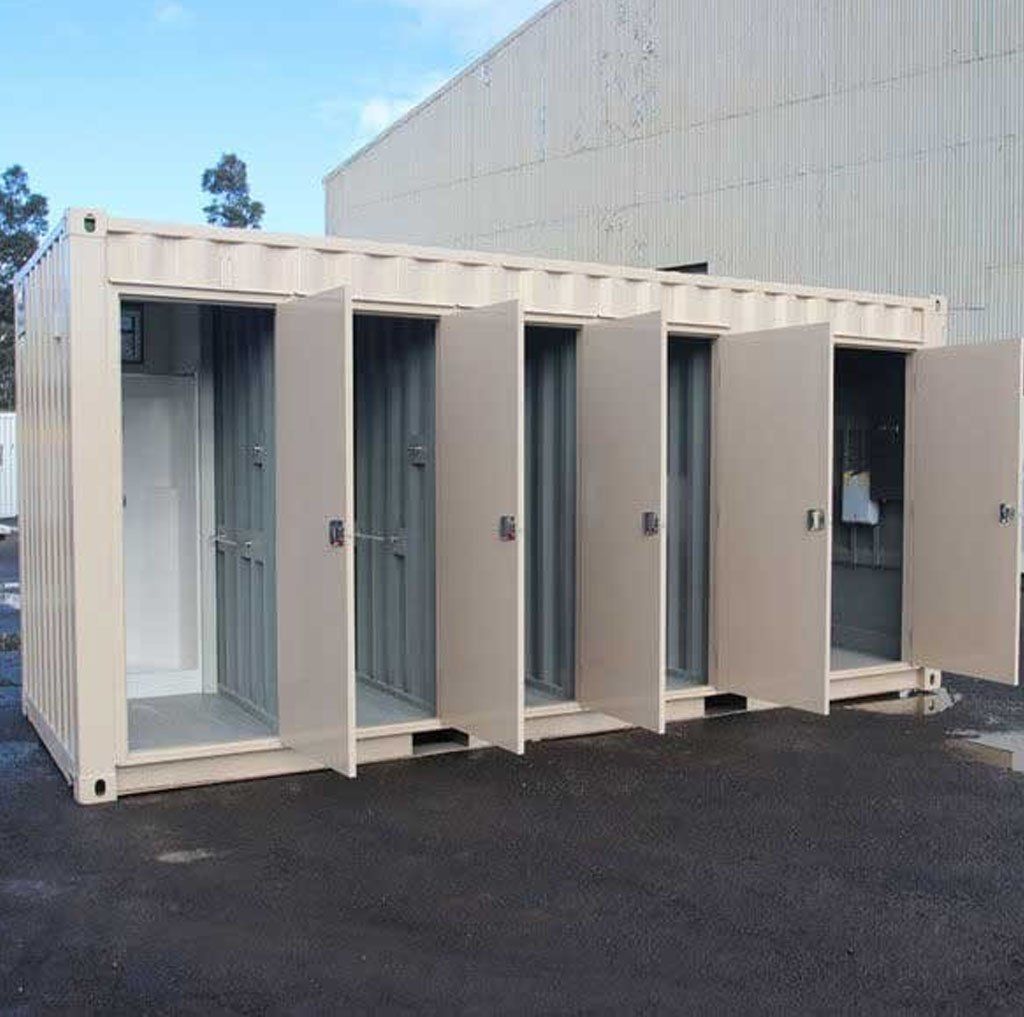
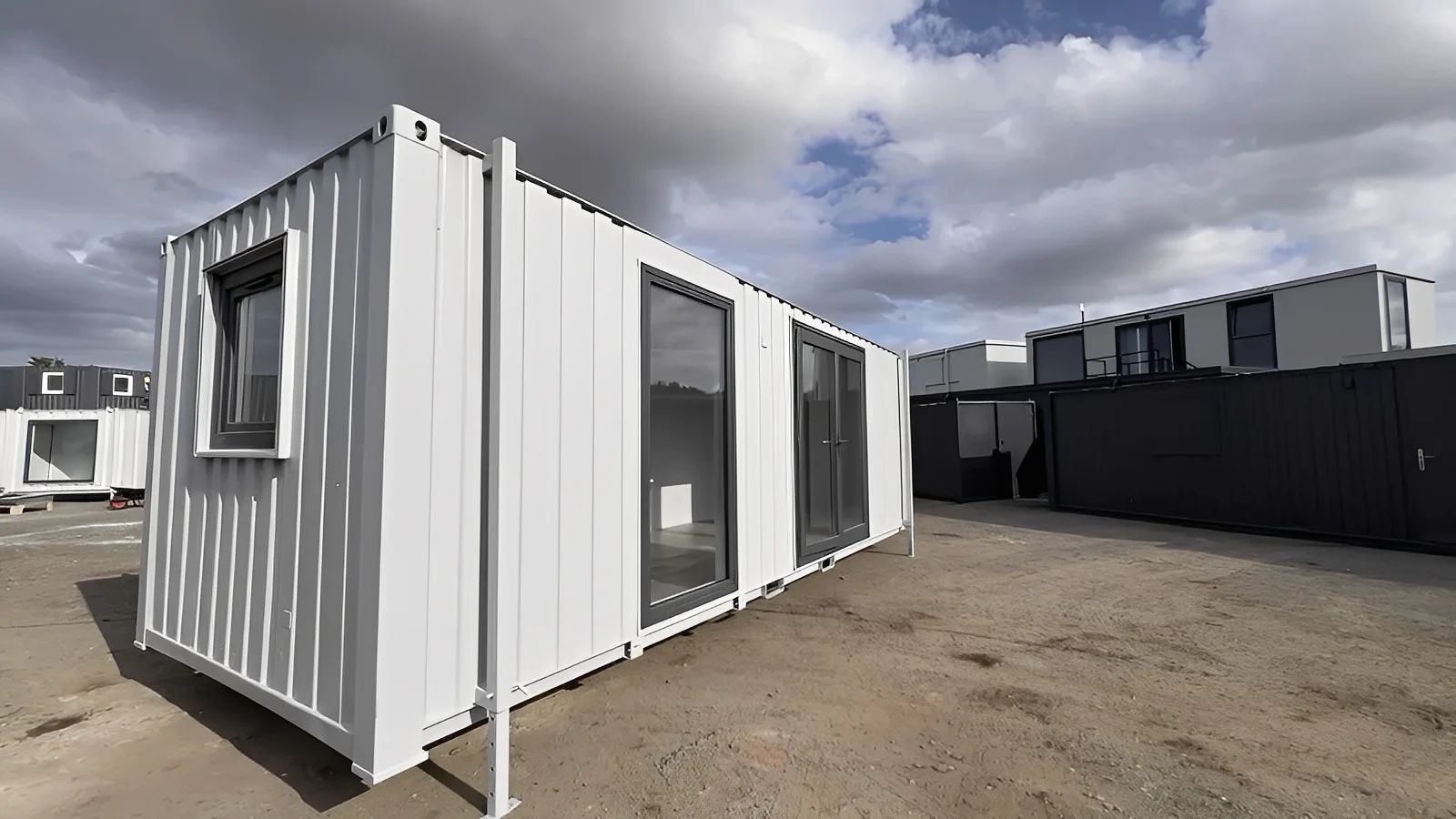
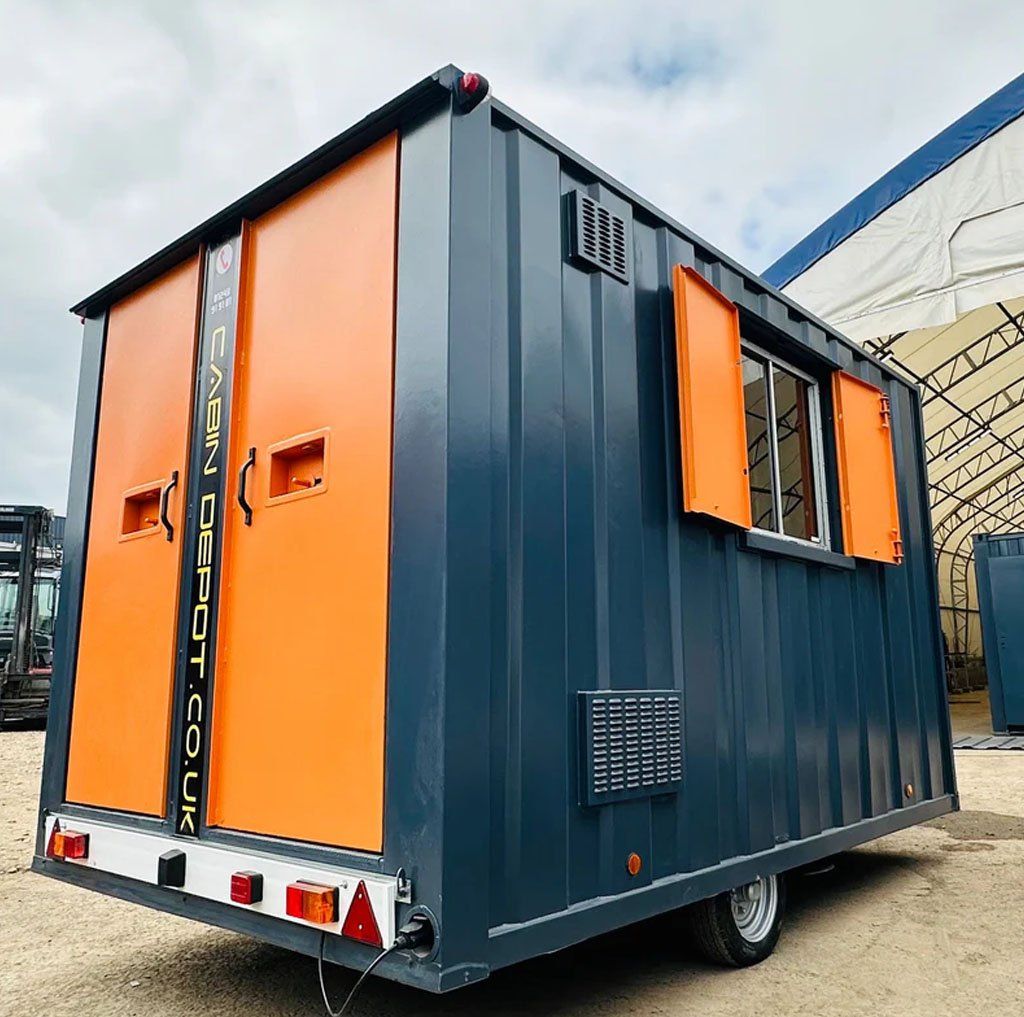
Welfare facilities tend to come in two shapes. The first is a towable mobile welfare unit (a trailer-style cabin you tow into place that carries its own water, waste, and power), which suits early or remote phases where nothing is connected yet. The second is a static cabin (a portable building delivered onto the ground and left in one spot) paired with a separate ablution block (a unit fitted out with toilets and showers; "ablution" just means washing). The towable gets you running on day one; the static setup gives a settled site more room and a proper canteen, but it stays put once it lands.
A unit like the Groundhog eco towable welfare unit packs a toilet, a wash station, a seating and eating area, and a drying space into one towable shell, which is why it is the usual choice for the first crew on the ground.
Power, water, and waste
This is where welfare units differ most. A self-contained towable carries an onboard fresh-water tank, a waste tank for the toilet and sinks, and its own power, usually a small generator. That makes it independent of the site, but the tanks need emptying and refilling on a schedule and the generator needs fuel and servicing. A static cabin and ablution block instead run off a mains or utility hookup once the site has one: a water line in, a waste connection out, and a power supply. Mains removes the tank-and-fuel routine, but you cannot use the block until those connections exist.
Eco and solar options sit between the two. A solar-assisted welfare unit cuts how often the generator runs, which means less fuel and less servicing over a long job. The tradeoff is a higher up-front cost and output that depends on the weather, so most eco units keep a backup generator for dull stretches. If a job runs for many months, the lower running cost can pay back the premium; for a short job it often will not.
Sizing by crew headcount and shift pattern
Size the setup around two numbers: how many people are on site at once, and how their shifts overlap. A single towable unit covers a small crew comfortably. As headcount climbs, the bottleneck is rarely the seating, it is the toilets and wash stations at break time, when everyone stops together. A crew that runs back-to-back shifts puts more wear on the same facilities than the same number of people spread across one day, so it needs more capacity or a second unit. When the canteen is the limit, a larger static cabin gives more covered seating than a towable can.
Delivery and siting
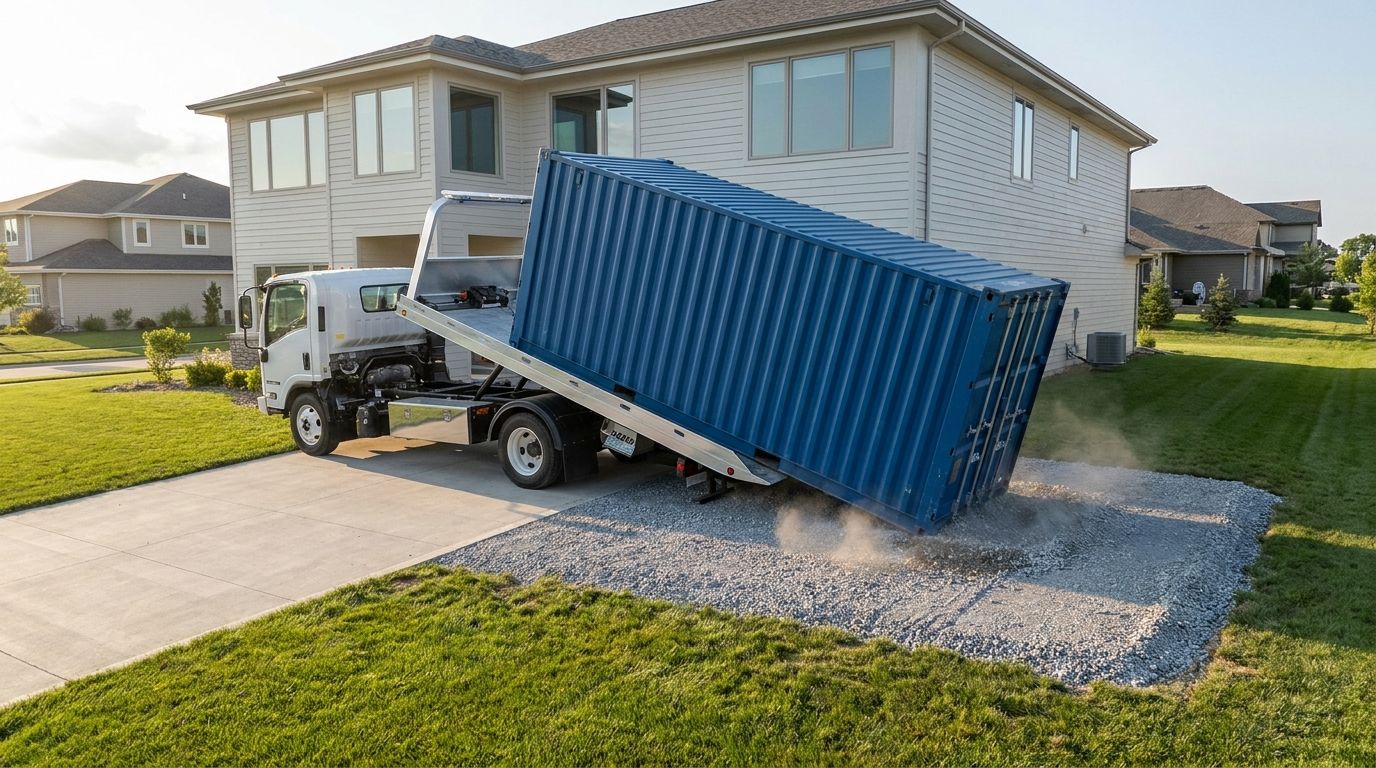
How a unit arrives depends on what it is. A towable unit tows into place behind a suitable vehicle and parks on level ground, so you can reposition it as the site changes. A static cabin, such as a container ablution block, arrives on a tilt-bed (also called a roll-off) that slides it off at ground level, or on a heavier unit may need a crane to lift it into a tight spot. We check site access and clearance before delivery, looking at the straight, obstacle-free run the truck needs to position and unload, plus gates, overhead lines, and soft ground.
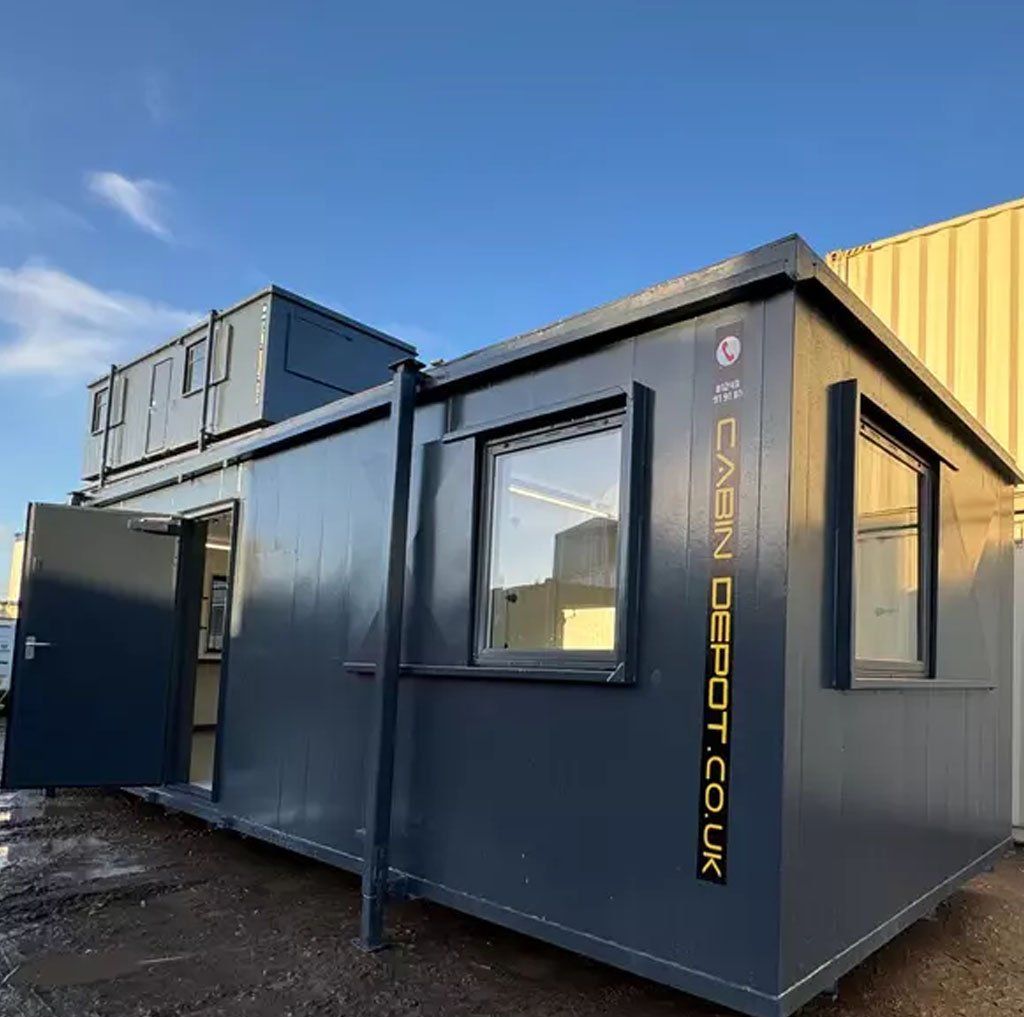
If you want office space and a toilet in one drop rather than a separate block, a unit like the 24ft site office with toilet combines both, which can simplify siting on a tight plot. For a deeper walkthrough of access and ground prep, see how to prepare your property for a container delivery.
Buying versus the alternatives
Renting a welfare unit suits a short job or an uncertain timeline: you pay weekly and hand it back, but the cost adds up over a long project and you do not own the asset. Buying suits a long job, a rolling program of sites, or a contractor who reuses the same unit, though you then own the servicing, tank emptying, and storage between jobs. Portable toilets on their own are the cheapest option, but they give a crew a toilet and nothing else, no handwashing with warm water, no canteen, and no drying area, so they rarely meet a full welfare standard by themselves.
A note on rules
Welfare and sanitation requirements vary by jurisdiction and by employer, and they change depending on crew size, how long the site runs, and the type of work. Use the items in this guide as a practical starting point, then confirm what your specific site needs against your local rules and your company's own policy. This is general guidance, not legal or OSHA advice.
Tell us your crew size, shift pattern, and whether utilities are connected yet, and we will put together a free, itemized quote for the right unit plus delivery, with no hidden fees. Every unit is inspected and graded before delivery, and we reply within 1 business day. To compare the full range, see our welfare units and site cabins solution.