

Welfare units and site cabins for working crews
Towable welfare, ablution blocks, and canteen cabins — restrooms, washing, and break space on site.
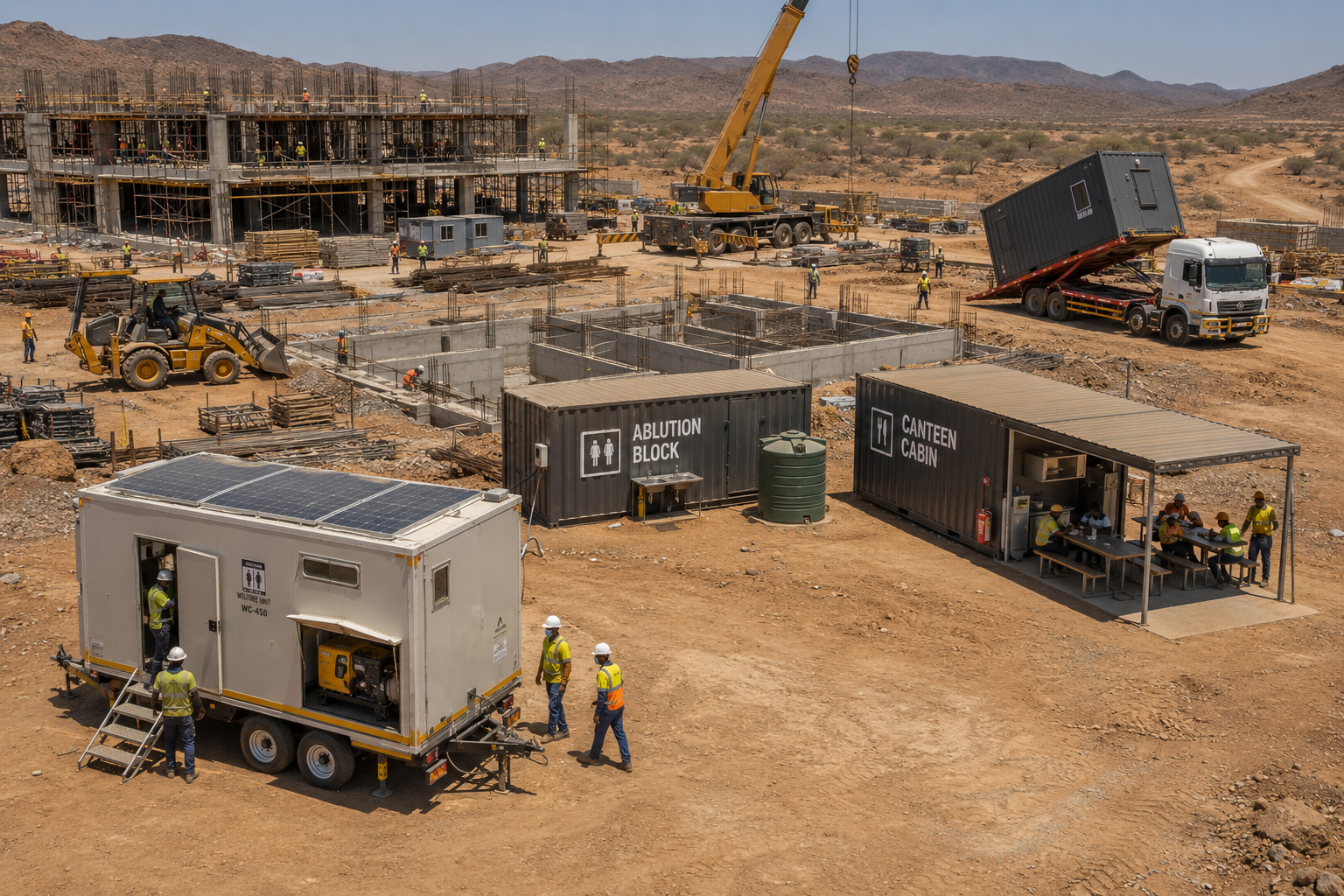
Built for the job
Facilities from day one
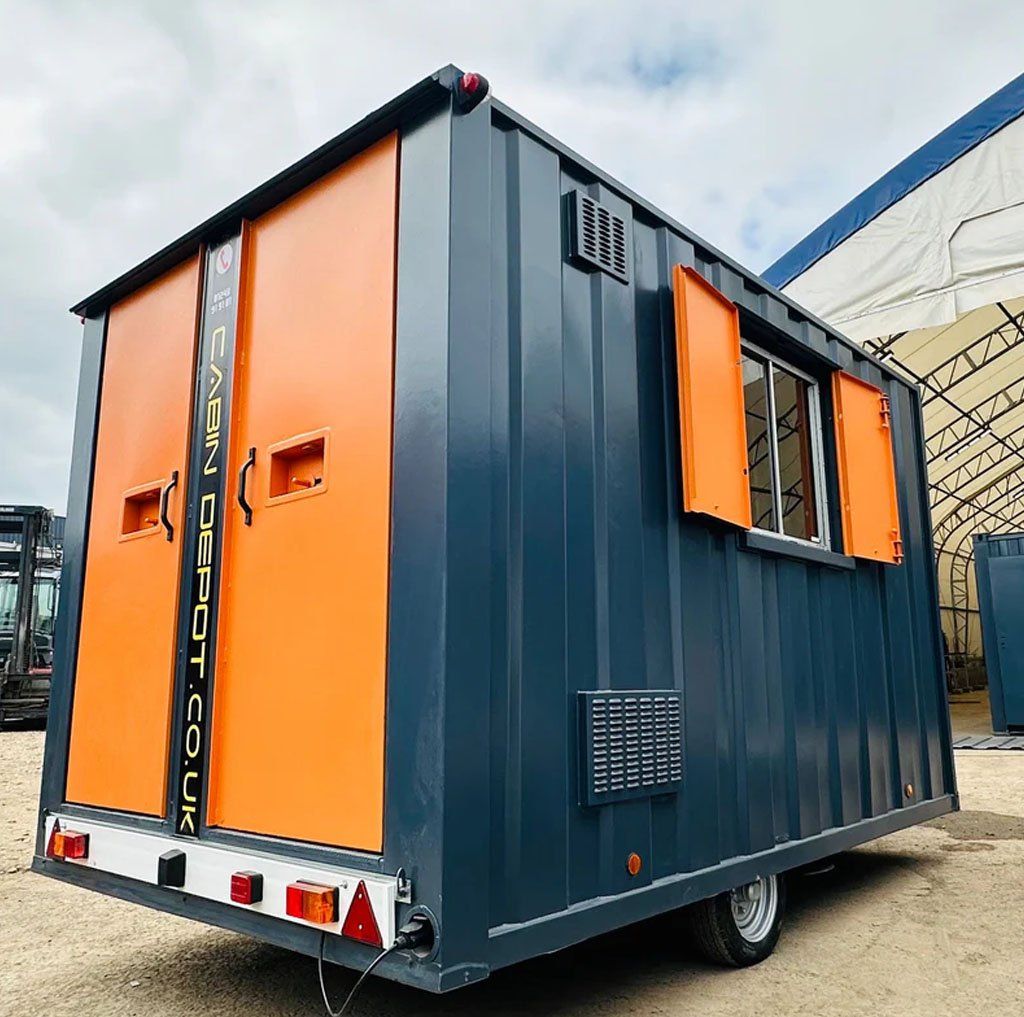
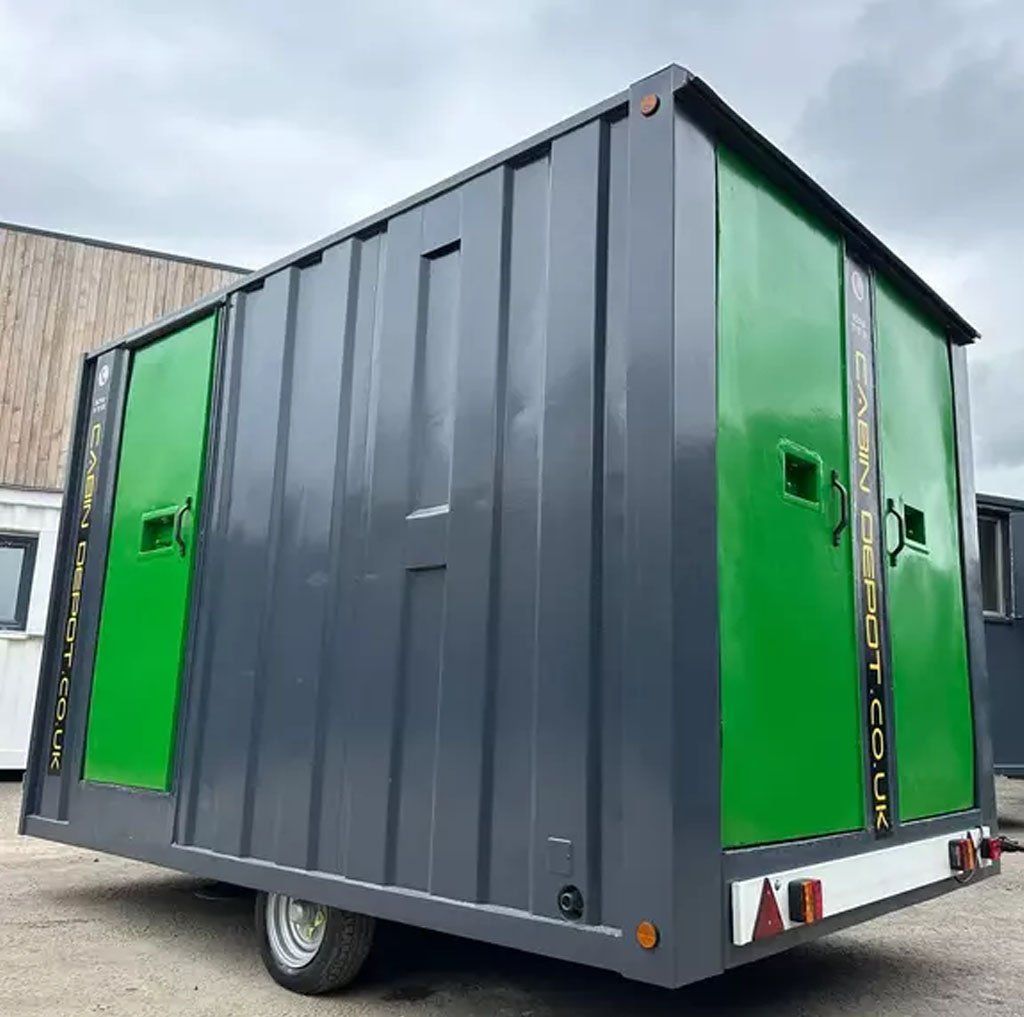
Towable welfare units provide toilets, washing, and break spaces before site utilities arrive. The tradeoff: onboard tanks need emptying and the generator requires fuel and servicing.
Restrooms and washing on site
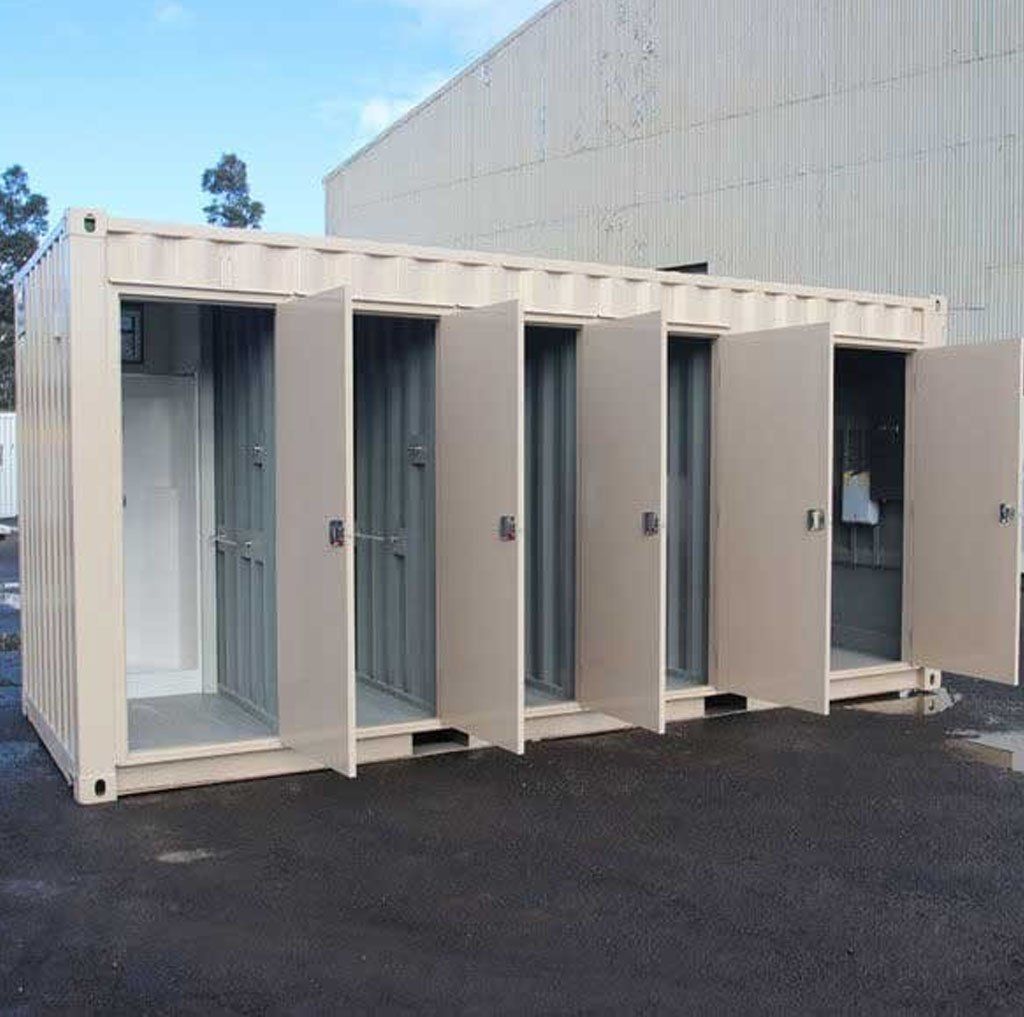
An ablution block gives a settled site dedicated toilets and showers. It needs a water supply in and a waste connection out, so it suits a site that has, or can run, those hookups.
Somewhere warm to eat
A canteen cabin gives the crew covered seating and a kitchenette for breaks in cold or wet weather. It needs a power supply to run heating and the kitchenette, whether mains or a generator.
Eco and solar option
A solar-assisted welfare unit cuts how often the generator runs, so less fuel and less servicing over a long job. It costs more up front and leans on a backup generator when there is little sun.
Anti-vandal options
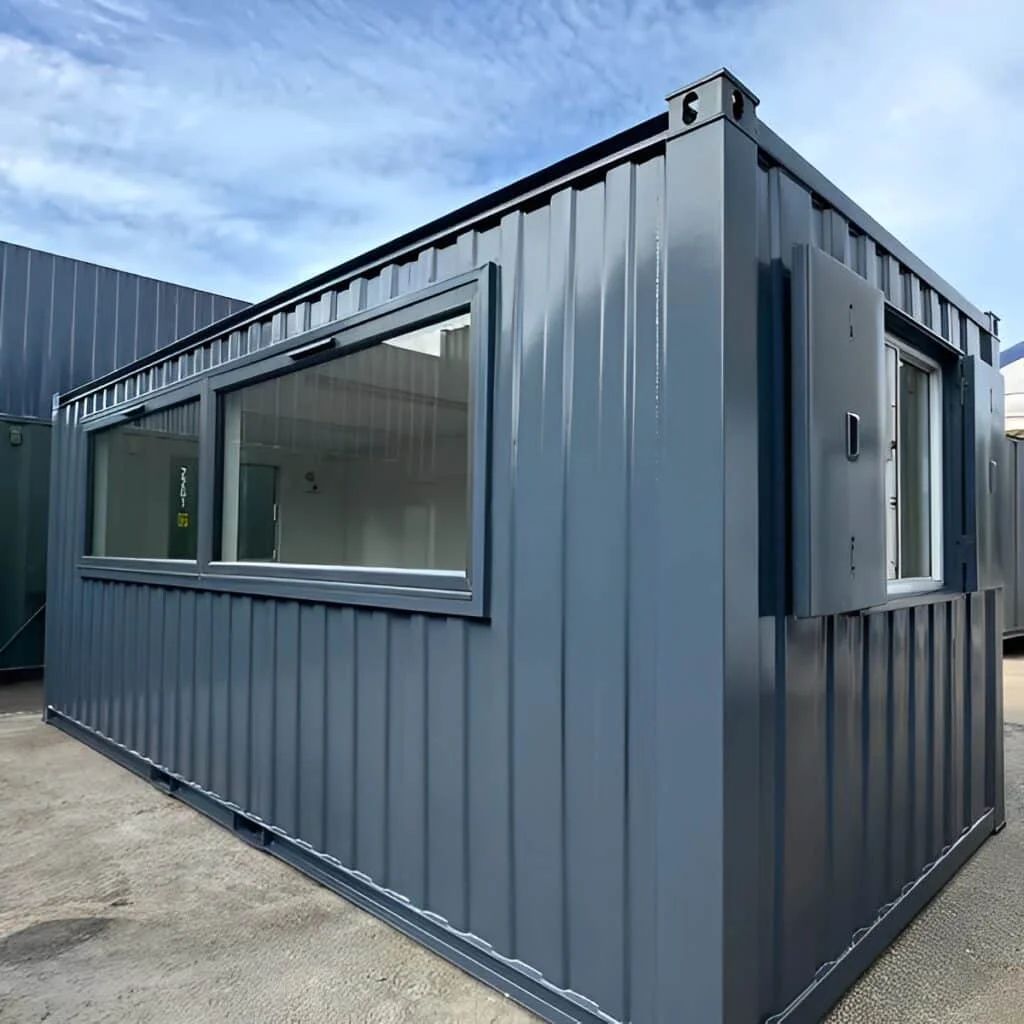
An anti-vandal cabin uses steel shutters and reinforced panels to stay secure when the site is empty. The same build makes it heavier to move and reposition than a lighter cabin.
One itemized quote
We quote the unit plus delivery in one figure, with no hidden fees. Utility hookups, tank servicing, and ongoing fuel are separate and depend on your site, so we flag them rather than bury them.
Facilities your crew needs on site
Every crew on site needs the basics: a toilet, somewhere to wash up, and a warm place to sit down and eat. The hard part is timing and layout. Early in a job the utilities are often not connected yet, so the facilities have to bring their own water, waste, and power. On a spread-out or remote site, the nearest building can be too far to walk to at a break. And as the job settles, a single towable unit may no longer be enough for the headcount on the ground.
How we match a setup to the site
For an early or utility-free phase, a towable mobile welfare unit (a trailer-style cabin you tow into place that carries its own water, waste, and power) gets a crew running on day one. The Groundhog eco towable welfare unit uses solar assistance to cut fuel and servicing, while the Groundhog towable welfare unit (diesel) is a straightforward generator-powered version. Both are independent of the site, at the cost of emptying tanks and keeping fuel on hand.
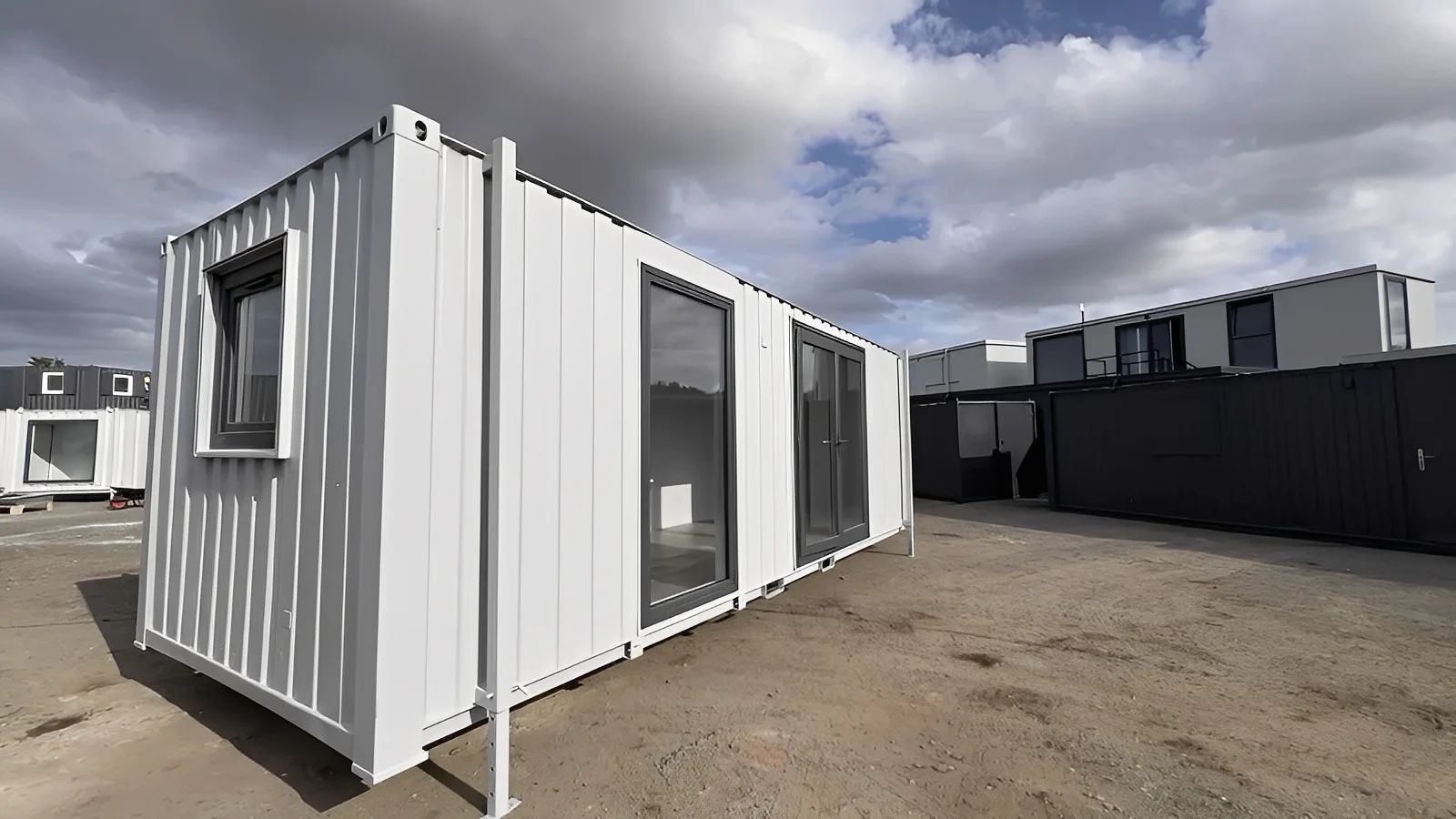
Once a site is established and can run a hookup, static cabins make more sense. A container ablution block gives dedicated toilets and showers off a water and waste connection, and a 32ft anti-vandal canteen cabin adds covered seating and a kitchenette that stays secure when the site is empty. The static route trades the towable's mobility for more room and a proper break space.
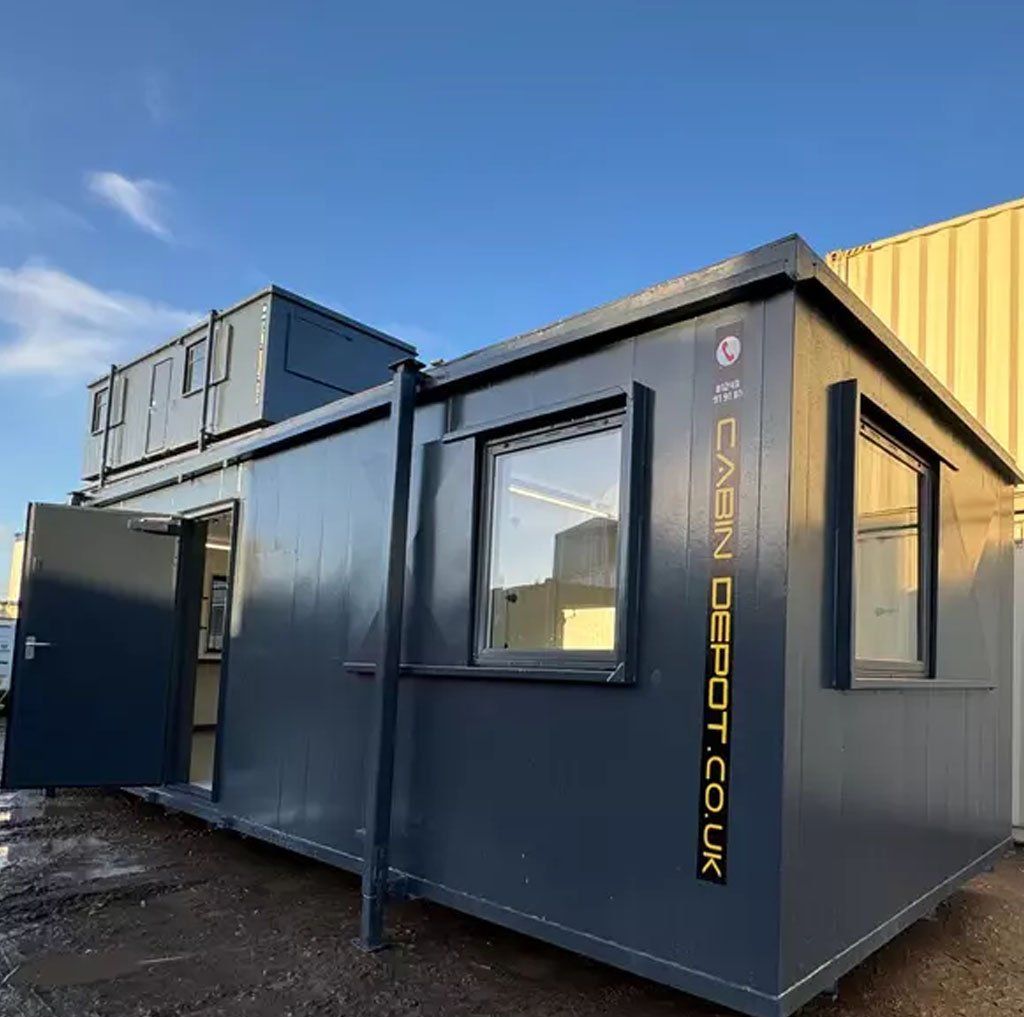
If you want office and welfare in one drop, a 24ft site office with toilet combines a workspace and a restroom, and a 21ft cabin office/canteen pairs a small office with a break area. These suit a tight plot where every cabin you can avoid is worth it.
Welfare is about facilities for people, not general storage or workspace. If you need site storage, secure containers, and general site offices, see containers for construction sites. For dedicated workspace without the welfare side, see container offices. This page covers the restroom, washing, and break-space side of the site.
Common scenarios
On a groundworks or early phase with no utilities, a towable eco welfare unit is usually the answer: it brings its own water, waste, and power and can move with the work. On an established site, a static canteen cabin plus an ablution block gives more capacity and a settled layout, once you can connect water, waste, and power. And where you want a manager's office and a crew break space together, an office-plus-canteen cabin handles both in a single unit.
FAQ
How do power, water, and waste work?
A towable welfare unit carries an onboard fresh-water tank, a waste tank, and its own power, usually a generator, so it runs without a site connection. Those tanks need emptying and refilling, and the generator needs fuel and servicing. A static ablution block or canteen cabin instead runs off a mains or utility hookup: water in, waste out, and a power supply. An eco unit uses solar to reduce generator runtime, which lowers fuel use at a higher up-front cost.
How are these delivered?
A towable unit tows into place and parks on level ground, so you can reposition it later. A static cabin arrives on a tilt-bed (also called a roll-off) that slides it off at ground level, or a heavier unit may need a crane for a tight spot. We check site access and clearance first, looking at the straight, obstacle-free run the truck needs plus gates, overhead lines, and ground conditions.
Do welfare rules vary by location?
Yes. Welfare and sanitation requirements vary by jurisdiction and by employer, and they shift with crew size and how long the site runs. Use this page to plan the setup, then confirm the specifics against your local rules and your company's policy. This is general guidance, not legal advice.
Get a free quote
Tell us your crew size, shift pattern, and whether utilities are connected, and we will price the right unit plus delivery in one figure, with no hidden fees. Units can be modified, such as extra washing, heating, or anti-vandal panels, through our custom modifications service, and our container delivery team handles the tilt-bed drop or tow into place. For the longer walkthrough of what a setup needs, read our guide to site welfare units. We reply within 1 business day.
Containers suited for construction
Related services
- 01Custom ModificationsDoors, windows, HVAC, and full fit-outs
- 02Container DeliveryTilt-bed delivery, coordinated door to door
Put containers to work in construction
Tell us about your project and we will send a free, no-obligation quote.