

Container kitchens, cafés, and bars that open sooner
Serving-window builds, fitted kitchen shells, and reefer cold storage — with the health-code realities up front.
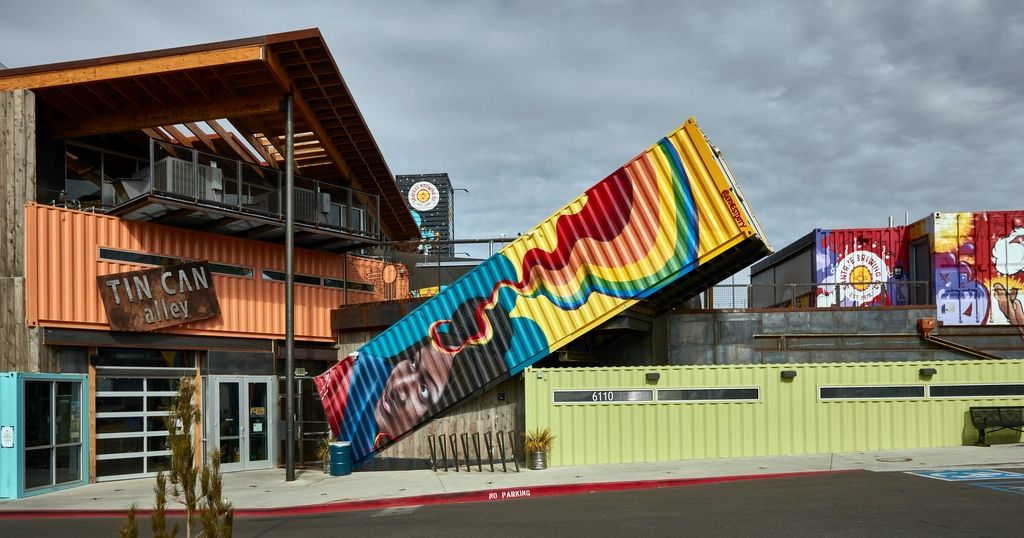
Built for the job
Open sooner than ground-up construction
The shell arrives complete, so fit-out and sitework overlap. The catch: permits do not speed up, and in some cities plan review takes as long as the build itself.
A serving line that opens to the customer
Open-side and roll-up units turn the long wall into your counter for face-to-face service. Cut openings need proper framing to keep the box rigid, so scope them before fabrication.
Walk-in cold storage without a build-out
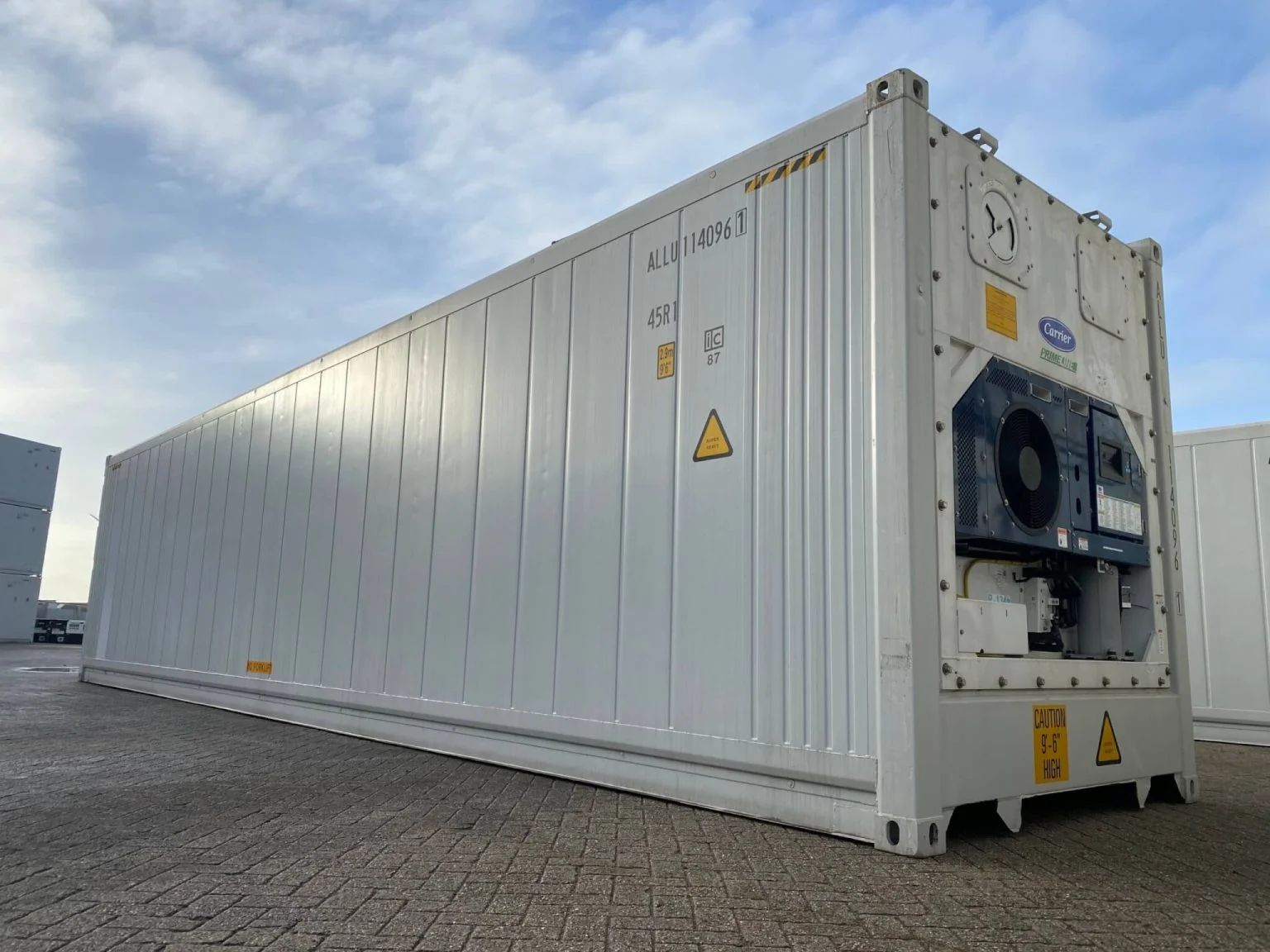
A reefer holds chilled or frozen stock behind the kitchen and typically ships in 7-10 business days. It needs a dedicated power supply, and the machinery end eats some interior length.
Moves when the business does
If a lease ends or a pilot site underperforms, the unit relocates instead of being written off. A fitted, heavier unit may need a crane to lift, and the new site restarts permitting.
A steel shell that takes abuse
Corten steel stands up to weather, knocks, and after-hours attention better than a trailer. Steel also conducts heat, so insulation and ventilation are requirements in a kitchen, not options.
One itemized quote, no hidden fees
We quote the unit, modifications, and delivery to your address as one itemized figure — what we quote is what you pay. Price varies with size, condition, spec, and delivery distance.
A shipping container puts a kitchen, café, or bar on site months before a ground-up build clears its slab. Operators run them as drive-thru coffee stands, serving-window outlets, food-hall stalls, and back-of-house cold storage.
Why food operators build in containers
The shell arrives structurally complete, so fit-out and sitework overlap, and the whole unit moves when a lease ends or a pilot location underperforms. The limits are just as real. An 8ft-wide box leaves roughly 7ft of clear interior after insulation and finishes, which forces a single-file line — one cook passes behind another. Speed only counts after approvals: in some cities, plan review and permitting take as long as the build itself.
The health-department reality
A container kitchen answers to the same rulebook as a brick-and-mortar restaurant. Expect a handwash sink and a 3-compartment sink with hot water, a hood with fire suppression over grease-producing equipment, a grease trap on the drain line, cleanable surfaces, and approved water, sewer, and electrical connections. Both the building and health departments inspect, and counties split on a threshold question: is your unit a permanent structure or a mobile food facility? The answer changes the code path. This is general guidance, not legal advice — your county health department has the final word.
Matching the unit to the job
For a serving line, an open-side unit earns its keep: the 20ft Open-Side Full Access Container opens along its full 20ft side, so the long wall becomes the counter and customers order face-to-face rather than through a cut hole. The doors close and lock the line overnight.
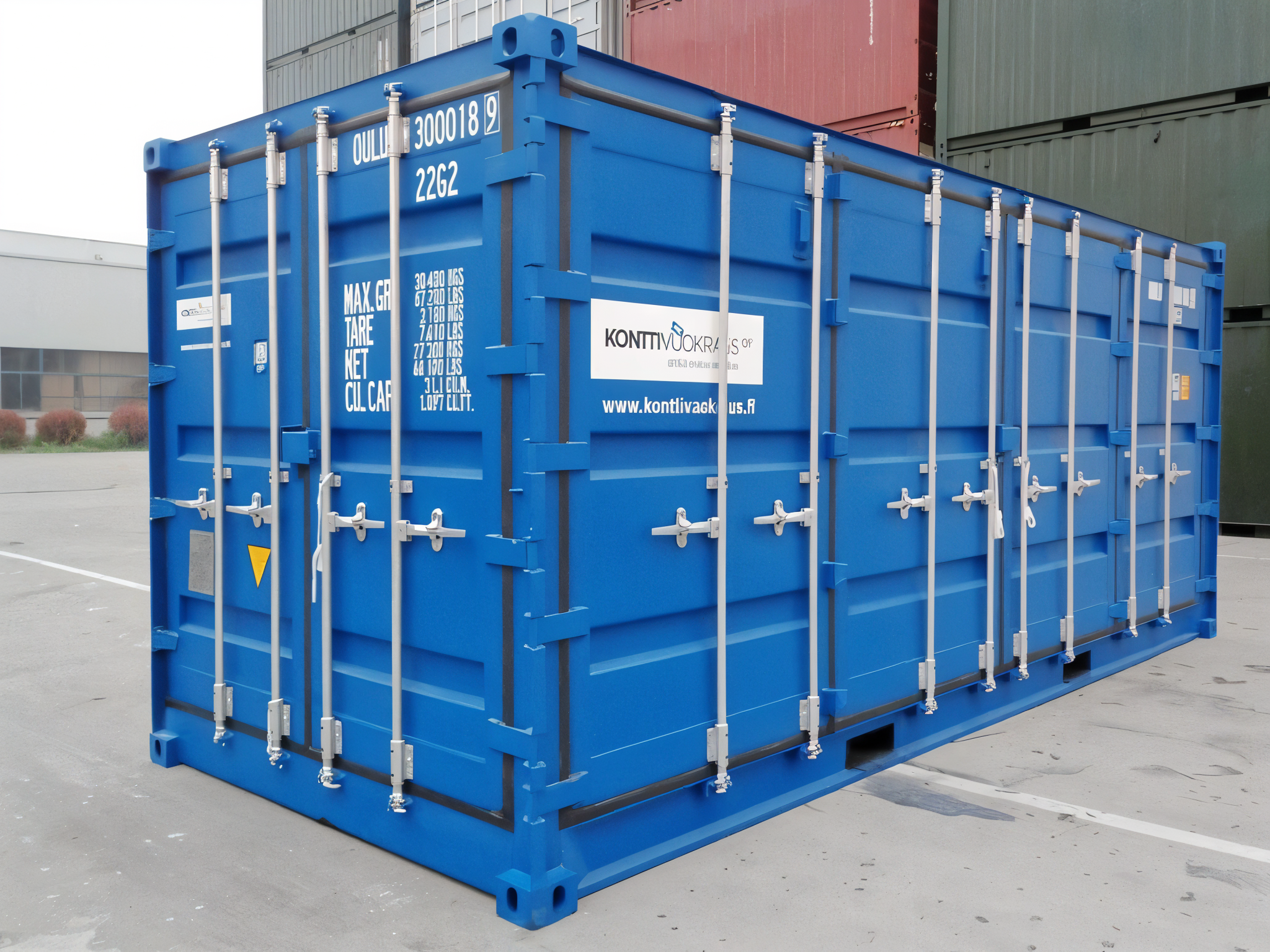
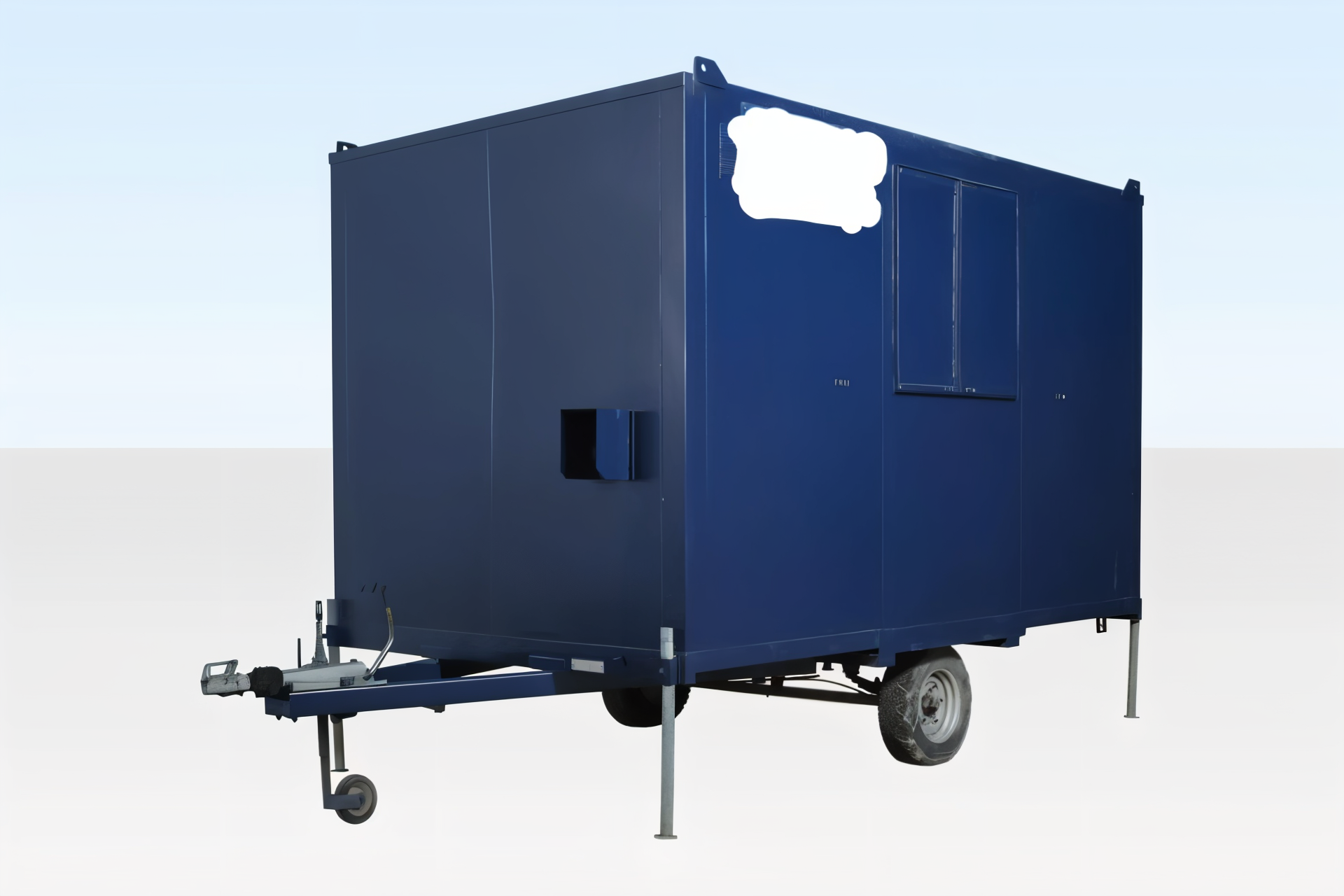
For a fitted kitchen or café, the 20ft x 8ft Custom Container Conversion is the base shell, built to take windows, doors, insulation, and electrical rather than a stock box you strip first. On tight pads and drive-thru coffee sites, the 12ft x 7ft 6in Mobile Canteen Cabin trades prep space for a footprint that fits the corner of a parking lot.
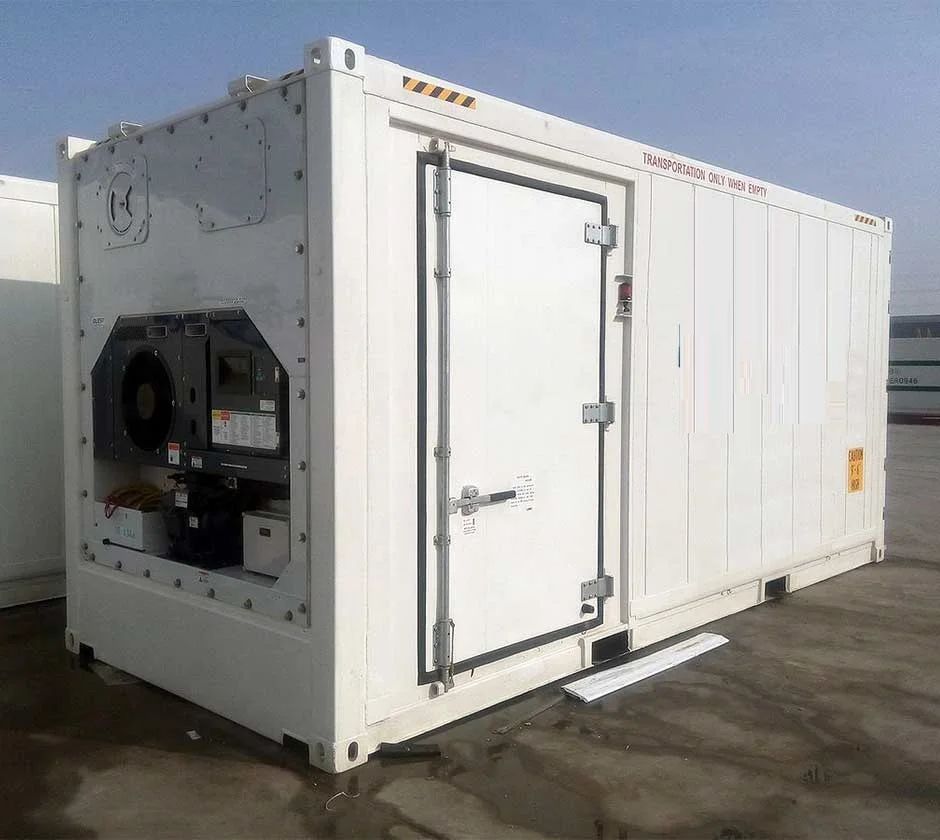
Back of house, a reefer (a refrigerated container) gives you walk-in cold storage without building a walk-in. The Used 40ft High Cube Reefer Container (a foot taller than standard) holds bulk stock at one set temperature; the 20ft Dual-Temperature Refrigerated ISO Container runs chilled and frozen zones in one footprint. Reefers need a dedicated power supply and typically ship in 7-10 business days — sizing and power detail in refrigerated containers for cold storage.
What the unit can have
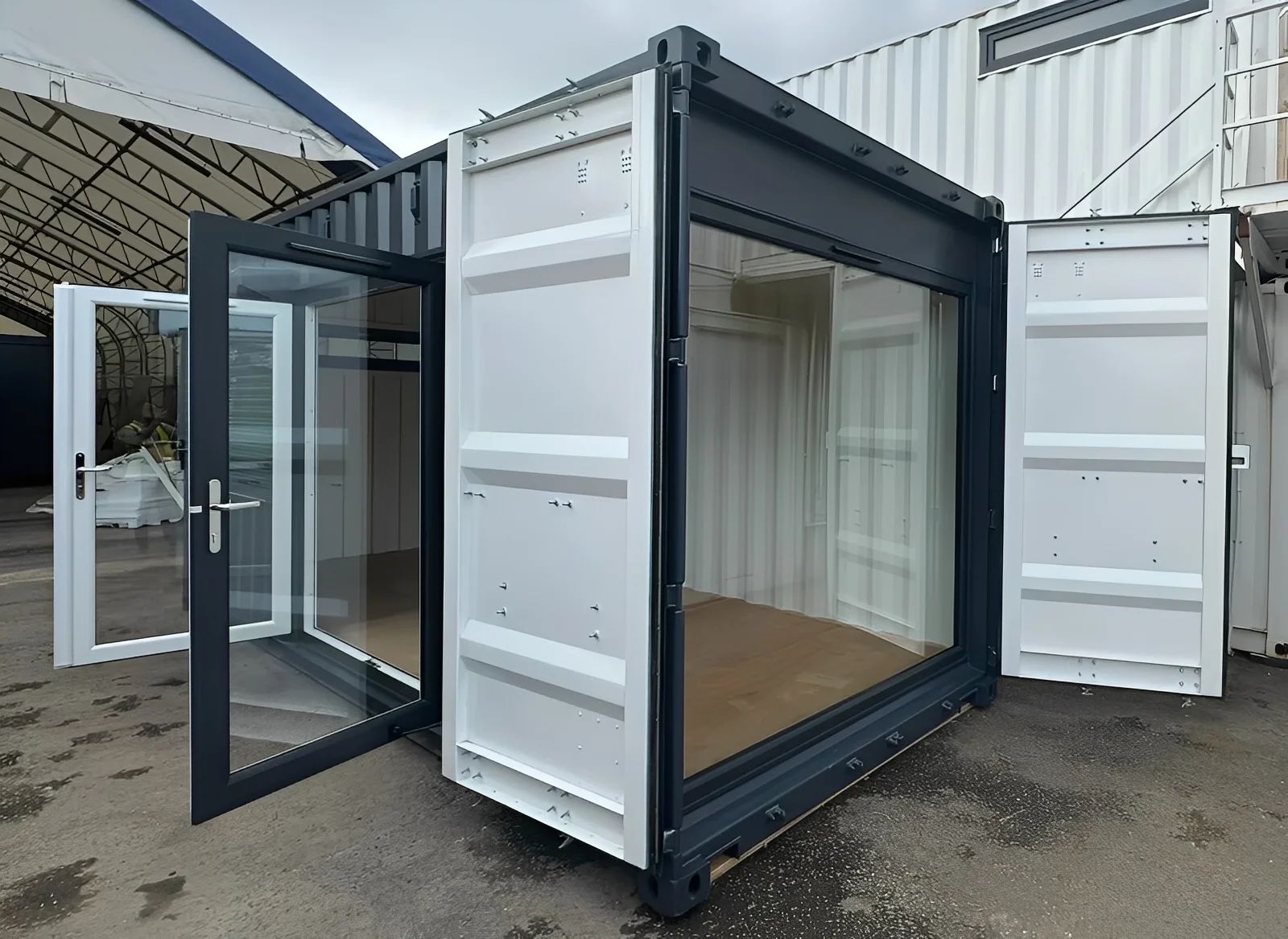
Units can be modified: serving windows and hatches, personnel doors, roll-up doors, insulation and interior lining, electrical, plumbing rough-in, vents, and paint in your brand color. That work routes through our custom modifications service, and our guide to shipping container modifications covers what each change involves. Every opening cut into the wall needs framing to keep the box rigid, so plan cuts up front.
FAQ
Can a container kitchen pass a health inspection?
Yes, when it is built to the same standard as any commercial kitchen — sinks, hot water, hood and fire suppression, grease management, cleanable surfaces. The pass is won at the drawing stage, not on inspection day. Requirements vary by county, so confirm the local checklist first.
Is 8ft wide enough for a full kitchen line?
It is tight. Insulation and finishes leave roughly 7ft of clear width — workable for a single-file line of fryer, grill, prep, and pass, but not for staff working back-to-back. Higher-volume menus pair two units or push cold storage into a separate reefer to free line space.
What utilities does a container restaurant need?
Water, sewer or an approved holding-tank arrangement, and electrical service sized for your equipment — cooking loads add up fast, and a reefer needs its own dedicated supply. Hookups are the least movable part of the project, so pick the site around them.
Can a reefer replace a walk-in cooler?
Yes — it is the standard back-of-house move. A used reefer holds its set point reliably, and a dual-temperature unit gives you cooler and freezer in one box. The tradeoffs: a dedicated power supply, a spot near the kitchen door, and machinery that eats part of the interior length.
How fast can I open?
The unit is the fast part — fit-out on a compact shell moves quickly, and delivery is a truck trip, not a construction season. Permitting is the slow part: in some cities, plan review and health approvals run as long as the build. Settle the code path first, then order the steel.
Get a free quote
Tell us what you are serving, your site, and the equipment going in. You get a free, itemized quote for the unit plus delivery: no hidden fees — what we quote is what you pay. Window, door, insulation, and electrical work routes through our custom modifications service, every unit is inspected and graded before delivery, and we reply within 1 business day.
Containers suited for food & beverage
Related services
- 01Custom ModificationsDoors, windows, HVAC, and full fit-outs
- 02Container DeliveryTilt-bed delivery, coordinated door to door
- 03Container SalesNew one-trip and graded used containers
Put containers to work in food & beverage
Tell us about your project and we will send a free, no-obligation quote.