

Shipping container shelving: how to choose a system
Compare freestanding shelving and container brackets, then check the complete system, access space, and installer responsibilities.
 Editorial TeamEditorial Team5 min read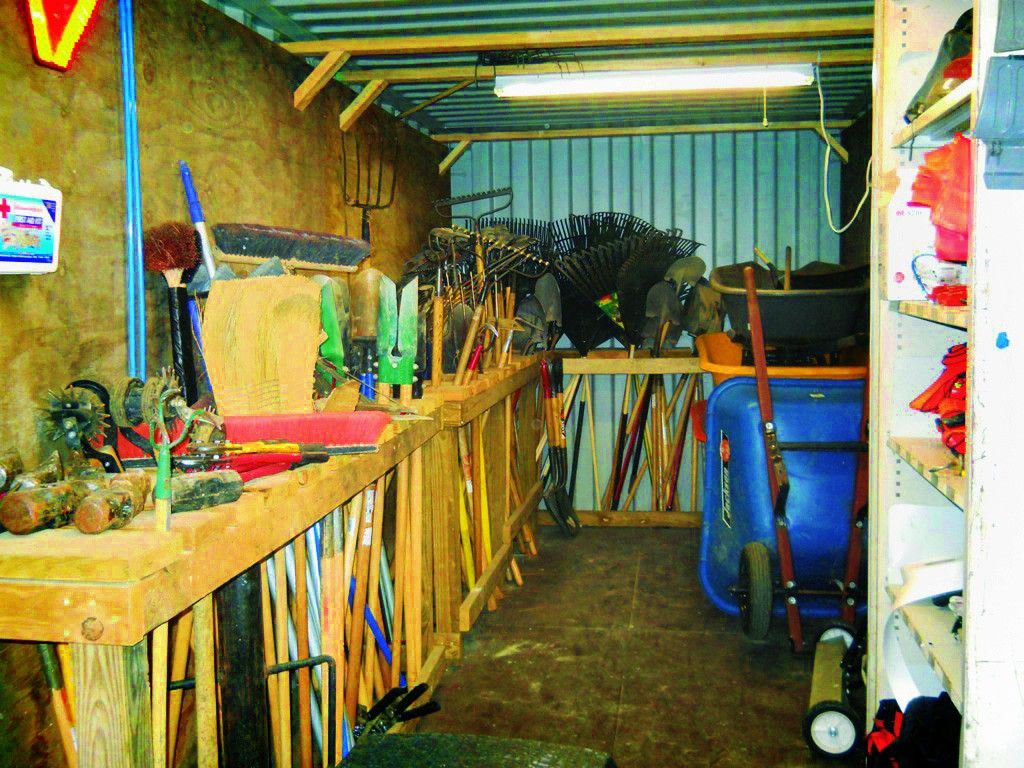
On this page
- 01Quick answer
- 02Define what each shelf needs to hold
- 03Compare freestanding units and container brackets
- 04Measure access as well as shelf depth
- 05Request load information for the complete configuration
- 06Agree on installation and future changes
- 07Compare the full scope of the quote
- 08Frequently asked questions
Choosing shipping container shelving starts with the items you need to retrieve. A shelf that fits a row of small parts bins may be awkward for an equipment case. A bracket that appears suitable in a product photo still needs an installation plan for your container.
Compare the complete storage system: supports, shelf surfaces, attachment details, and the space left for handling. Use the questions below to turn a product listing into a specification you can review.
Quick answer
Choose shipping container shelving by matching the stored items, usable interior space, and installation method. Compare floor-standing units with container-specific bracket systems, then obtain instructions and load information for the exact configuration. Confirm what is included, who verifies compatibility, and how you will remove each item before ordering.
Define what each shelf needs to hold
Make a list of the items planned for shelving. Record their packed dimensions, weights, and how they will be handled. Identify anything with an irregular shape or a small contact area, such as equipment resting on feet.
Decide whether you will remove a whole bin or pick individual items from it. A bin that stays on the shelf needs room for someone to see and reach its contents. A removable case needs a clear path out of the shelving bay.
Include the expected future use, but be specific. “May store more equipment” does not help a supplier select a system. “The current bins may be replaced with taller tool cases” identifies a shelf-spacing question that can be answered.
If you are still choosing the container itself, compare standard dry containers and bring this inventory to the discussion. Finalize shelf measurements against the actual unit.
Compare freestanding units and container brackets
Freestanding shelving uses a frame with legs resting on the floor. It is a candidate when you want a defined shelving bay and can accommodate its footprint. Ask the manufacturer about required anchoring, bracing, and support conditions; the word “freestanding” should not settle those questions.
Container-specific bracket systems are another option. For example, VIVO describes a system whose hooks attach to container D-rings, the internal metal tie-down rings, without welding or bolting. Its shelf surfaces are supplied separately. Those details apply to that product, not every container shelf. See the VIVO LF-SCS01 product information and assembly manual.
With either approach, ask for an assembled drawing that shows the space occupied by supports as well as the shelves. Compare the actual usable arrangement, including any area below the lowest shelf. Do not assume that a bracket sold for containers fits every ring, lining, or interior modification.
Measure access as well as shelf depth
Measure the usable interior, door opening, and the locations where supports or attachments would sit. Record obstructions, existing lining, and fittings that could affect the proposed installation. Photograph these details for the supplier.
Mark the proposed shelf footprint before ordering. Rehearse carrying an empty version of your largest case along the remaining route and turning toward its shelf. Check access to the rear locations as well as those beside the doors.
Think about reach, too. OSHA notes that deeper shelves can make stored items harder to see and access. Use that question when comparing shelf depths instead of treating extra depth as an automatic benefit. See OSHA's rack and shelf guidance.
The shipping container sizes guide can help you compare general dimensions. It cannot confirm the fit of a particular shelving system inside your unit.
Request load information for the complete configuration
Ask the supplier to identify what its rating describes: an individual bracket, a shelf, a bay, or the complete assembly. Request the loading conditions and installation details behind that rating, including any required shelf material and support spacing.
Send the supplier your item list rather than saying the shelf must hold “heavy tools.” Ask for confirmation covering the arrangement you actually intend to use, including concentrated loads or unevenly positioned equipment.
Keep this separate from the container's overall loading discussion. A container data plate is not a specification for an added shelving kit. Use the container weight-capacity guide for the broader questions, and obtain the shelf-system documentation from its manufacturer.
If the supplier cannot explain the proposed configuration, leave that selection open. Comparing incomplete ratings will not give you a useful basis for choosing between systems.
Agree on installation and future changes
Before installation, identify who will inspect the proposed attachment or support locations and confirm that the instructions apply. Ask whether any drilling, welding, or changes to existing fittings are planned. Put the agreed work in writing.
For permanent alterations, review the shipping container modifications guide and involve the relevant installer. This article is a selection checklist; use the actual manufacturer's instructions for assembly.
Also explain whether the container will remain in place or may be moved later. Request separate instructions for preparing the shelving and contents for a move. Do not treat an arrangement accepted for stationary storage as an approved transport arrangement.
Keep the final drawing, instructions, and load documentation together. If you later change shelf materials, positions, or stored equipment, use those records to identify what needs another review.
Compare the full scope of the quote
Ask each supplier to itemize the supports, shelf surfaces, hardware, installation, and any container preparation. Confirm which components you must supply. A bracket-only listing and an installed shelving system are different purchasing scopes.
List unresolved items beside each option: fit confirmation, supplied decking, assembly responsibility, or removal requirements. Request a written answer before selecting the system. This makes the comparison useful without relying on generic price ranges or claims about installation speed.
Frequently asked questions
Can shelving be installed without drilling?
Some container-specific systems use existing D-rings, as the VIVO example above shows. Confirm that the chosen system and instructions apply to your container before relying on that installation method.
Can I use shelving I already own?
Assess the exact unit using its instructions, dimensions, condition, and intended loads. Have the manufacturer or installer resolve support and anchoring questions before loading it.
Should I put shelves along both sides?
Draw both arrangements and test retrieval with your planned items. Choose based on usable access and storage needs, including bulky equipment that may need its own floor location.
Illustrative photo: U.S. Army · U.S. government public-use image. Camp Mackall tool storage; no U.S. Army endorsement implied.